Source SHA-256: 8b78d50cc3a9a5594dae2ae140e5892bb9c0a6be3ea9212a6b56e11873e8e7aa. The archive contains 1270 original-era public histories, derived from an immutable historical source. No automatic game triggers are enabled.
Azeroth's oldest surviving histories do not begin with a witnessed creation of the universe. They describe the Great Dark, the titans who traveled it, and ancient forces already struggling over worlds. What came before those powers remains an open question rather than a settled account of the world's birth.
The titans of the Pantheon crossed the Great Dark in search of worlds to bring into order. Among their number, Sargeras was entrusted with fighting the demons that threatened that work. Their far-reaching mission became part of Azeroth's oldest history, even though the greatest danger to the world would eventually arise from one of their own.
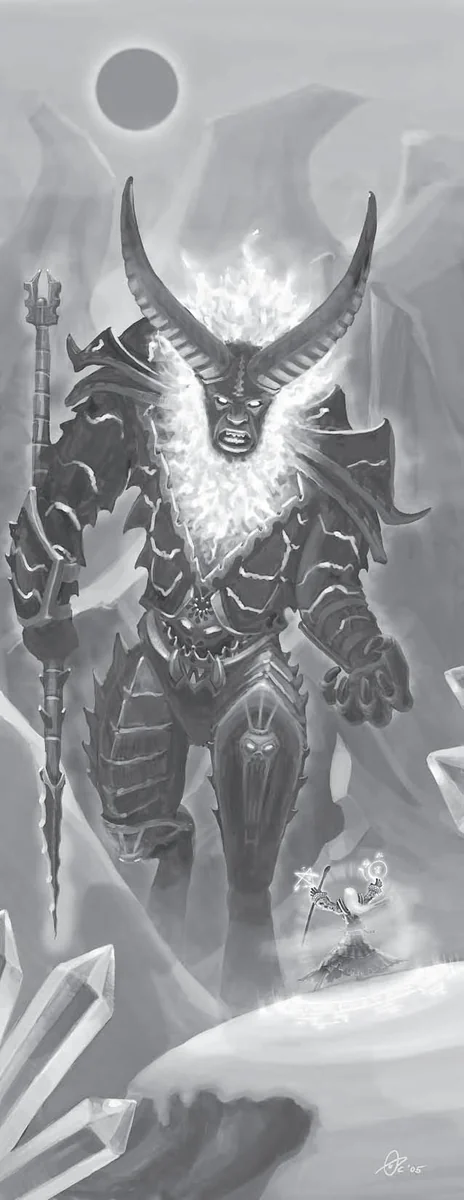
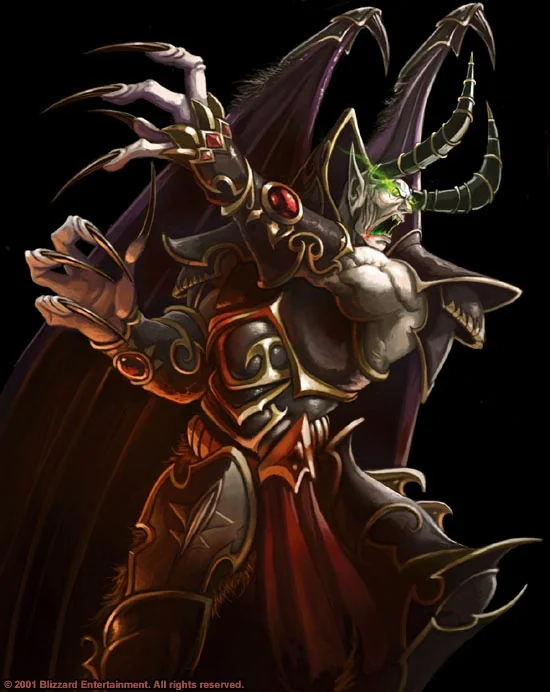
Sargeras began as the Pantheon's champion against demons and ended as the master of the Burning Legion. His estrangement from the other titans transformed a long struggle against chaos into an organized campaign of conquest. That betrayal set the course for the Legion's later attempts to enter Azeroth through the Well of Eternity and other gateways.
Long before Azeroth's mortal nations, the Old Gods and elemental lords held immense power over the world. Their domination formed the setting for the titans' arrival and the first great struggle over Azeroth's ordering. The enemies bound in that ancient conflict would not simply disappear from the world's later history.
The titans' arrival transformed Azeroth from a world dominated by the Old Gods and elemental lords into one they could bring into order. They defeated and imprisoned ancient enemies, reshaped the land, and left behind forces entrusted with continuing their work. Much of Azeroth's later geography and guardianship reaches back to that intervention.
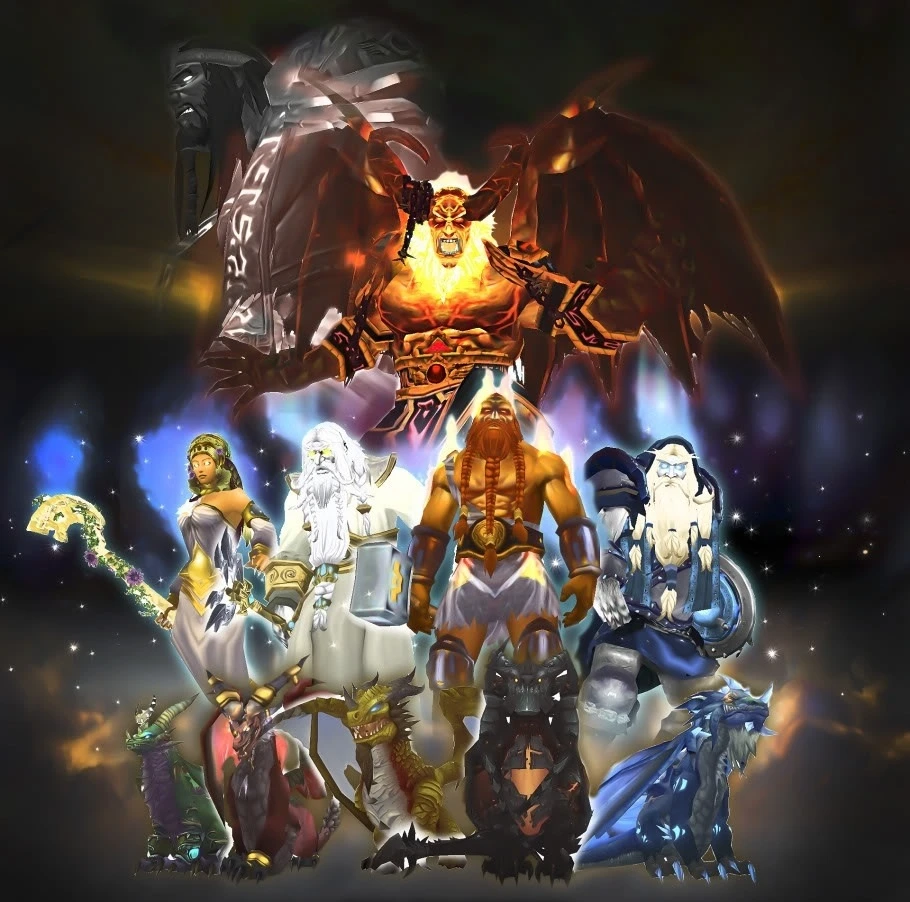
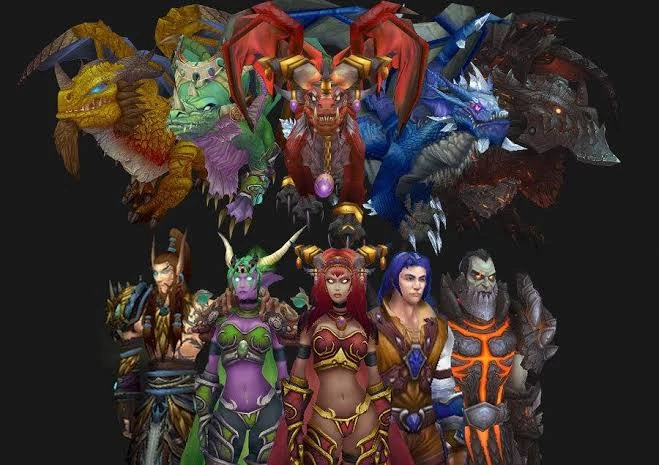
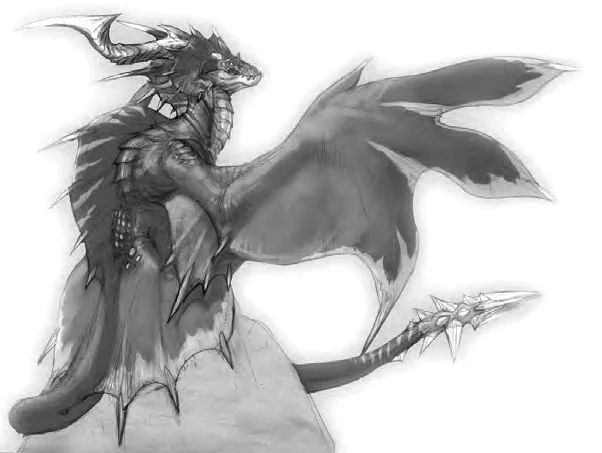
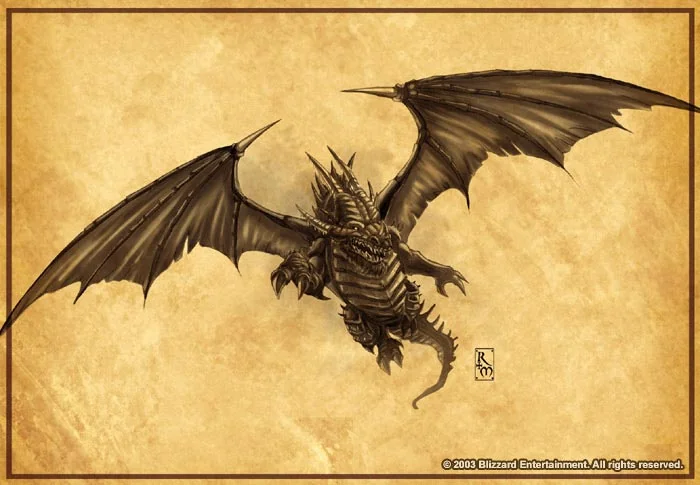
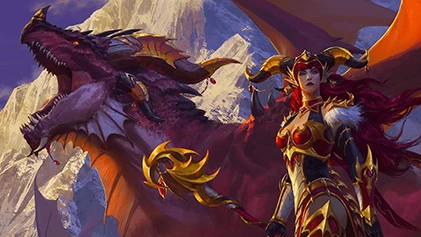
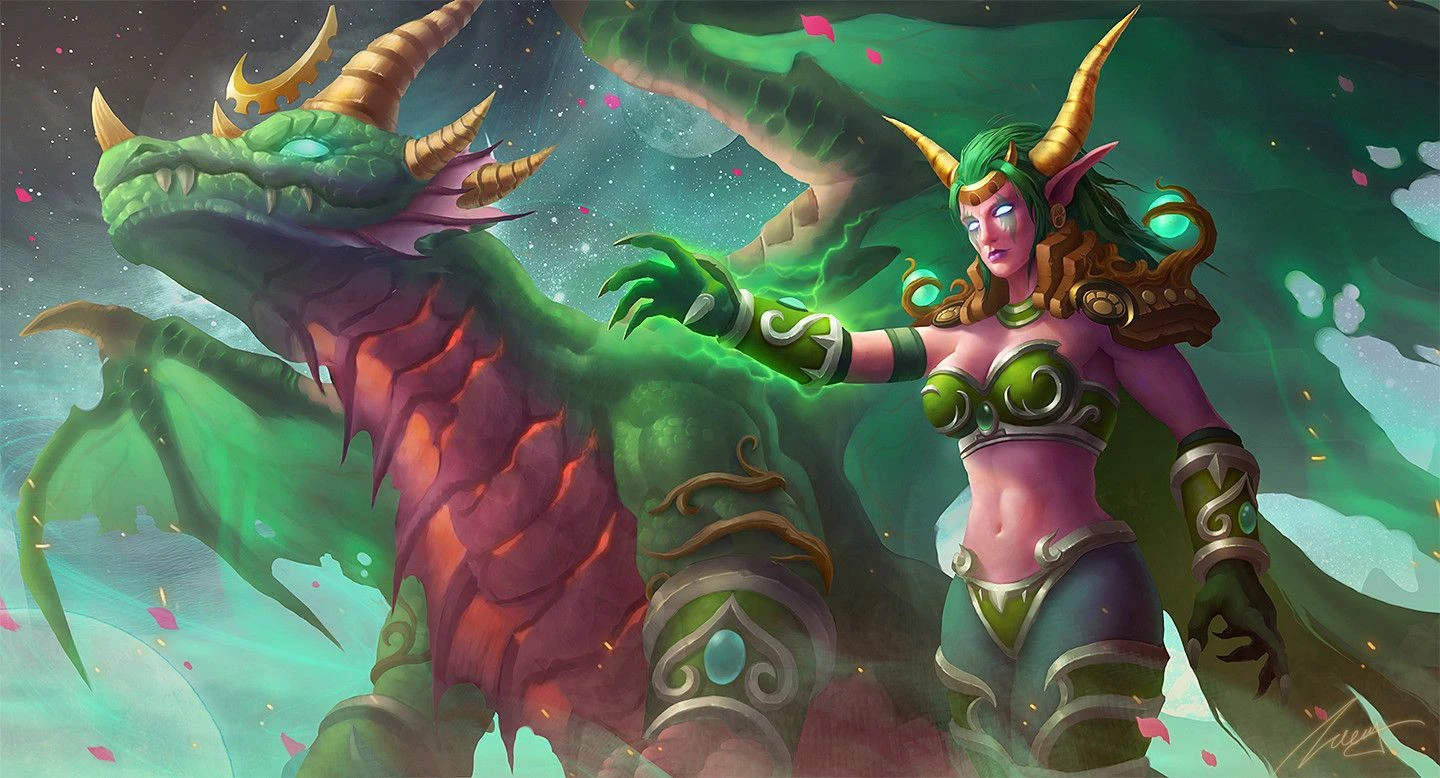
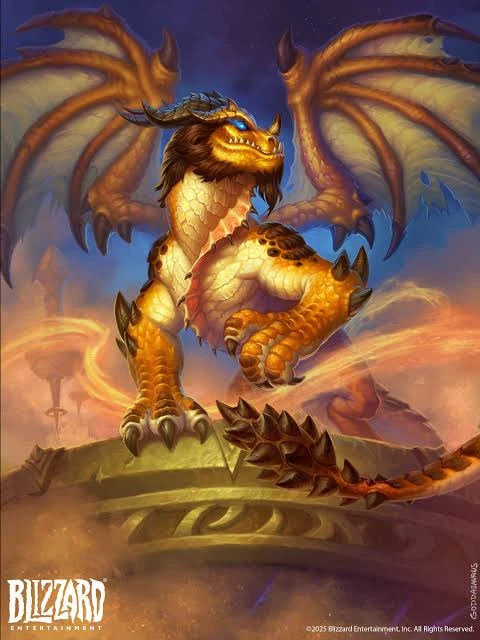
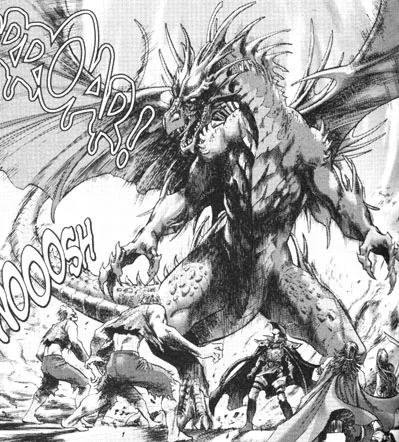
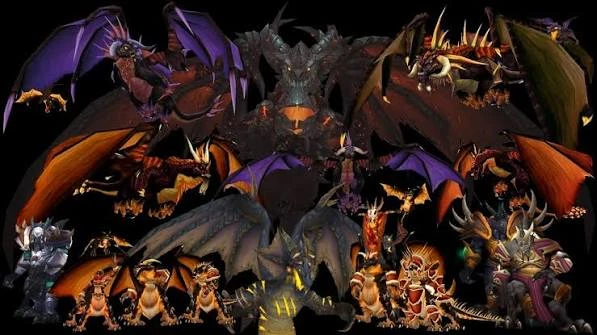
Five great dragons received extraordinary powers and charges from the titans: Alexstrasza, Ysera, Nozdormu, Malygos, and Neltharion. Their responsibilities extended beyond the fortunes of any mortal kingdom. Yet the alliance of the dragonflights was shaken when Neltharion turned his power against his own kind during the War of the Ancients.
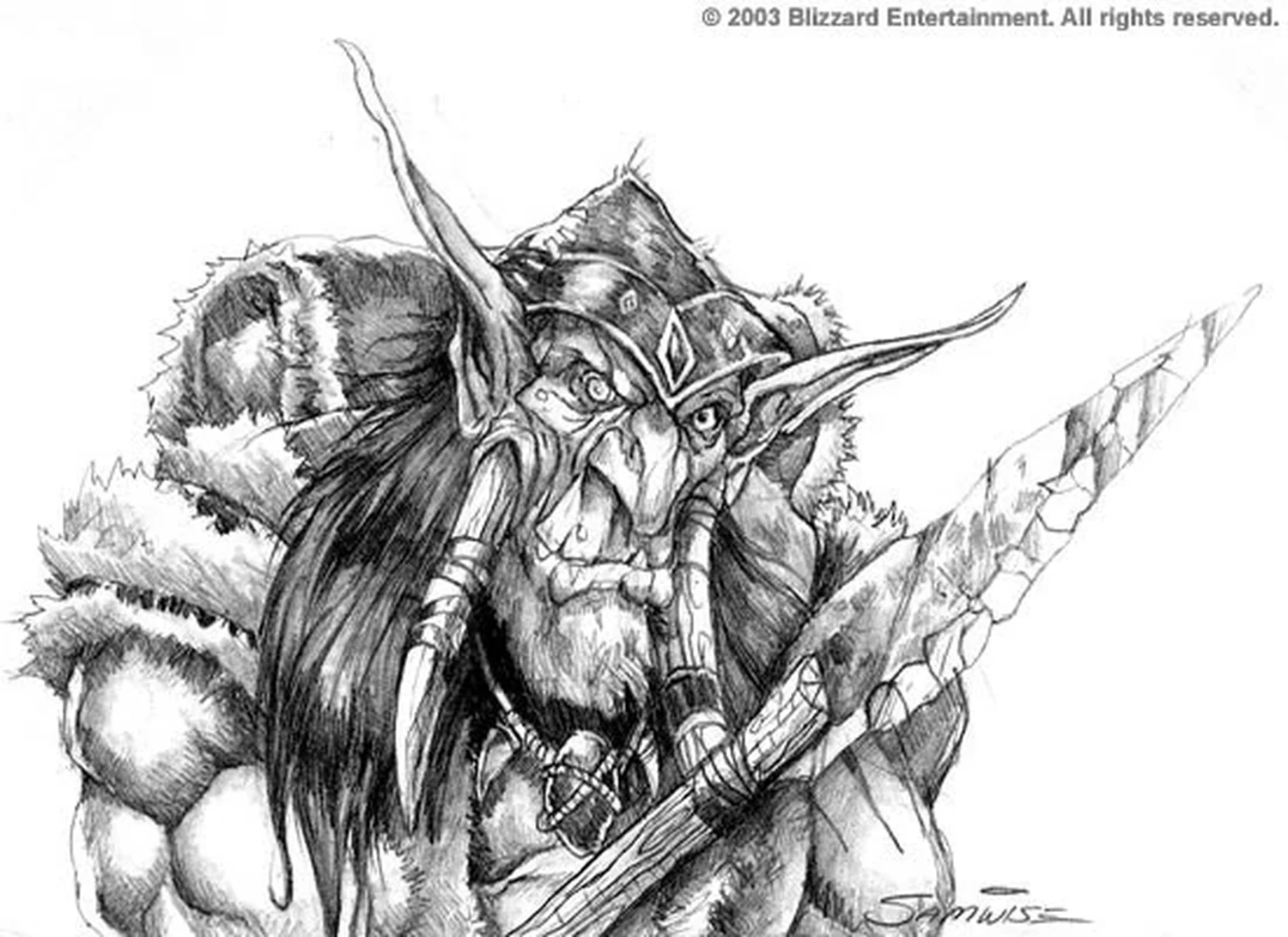
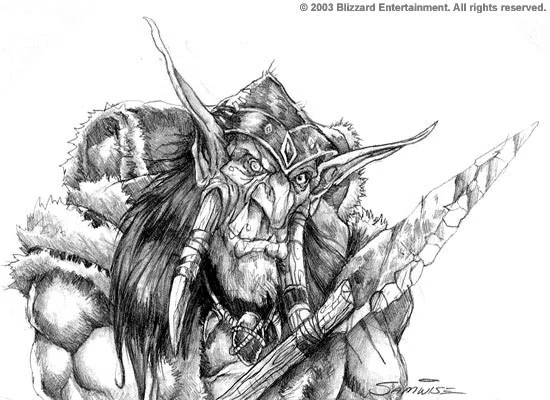
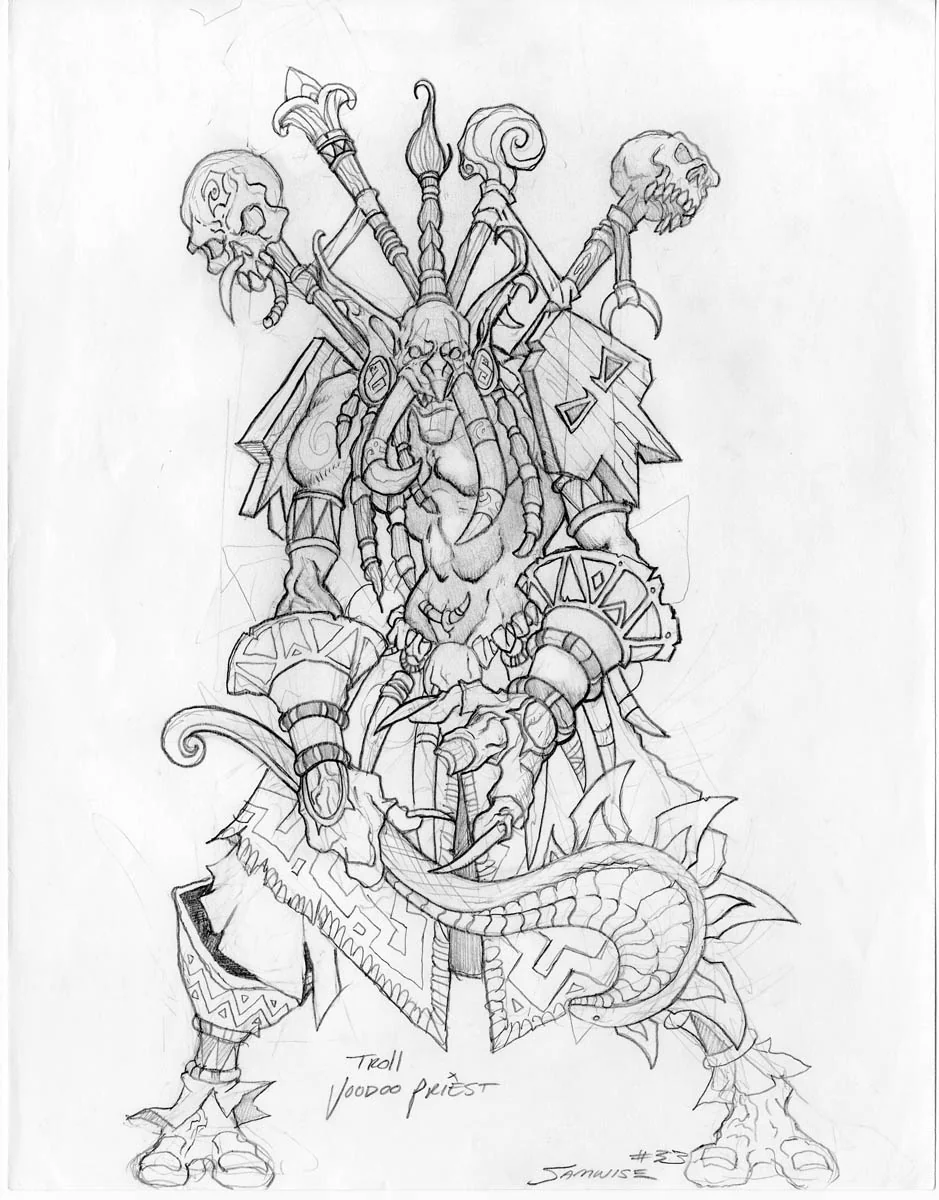
The Zandalar tribe is remembered in the original Blizzard Troll Compendium as the oldest known ancestor group of the other troll peoples. Its priestly and scholarly traditions remained influential while ambitious offshoots spread into different regions. Later histories connect Zandalar to the reawakening of Kith’ix and a campaign against the aqir that encouraged far-flung troll strongholds. The distinction between ancient spiritual continuity and later geographical separation is central to the development of troll society.
Ancient troll civilizations fought a prolonged war against the insectoid aqir. The original Troll Compendium describes the Amani and Gurubashi as established powers whose conflict helped divide the aqiri realm. Later accounts make the reawakened Kith’ix central to the war and describe campaigns that carried the Amani east, Gurubashi south, and Drakkari north. These traditions should be connected, but their different chronologies must remain visible.
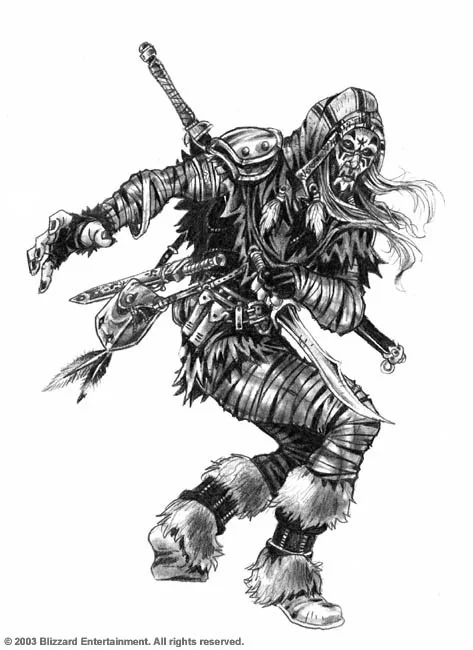
Dark trolls were an elusive troll population associated with central Kalimdor and the wooded regions near Mount Hyjal. Original-era Warcraft included dark-troll encounters and the Shadowtooth clan, but it did not definitively settle their ancestry in relation to the night elves. Later histories state that a branch of ancient dark trolls became the first kaldorei near the Well of Eternity. That explanation must remain separate from the earlier speculative theory.
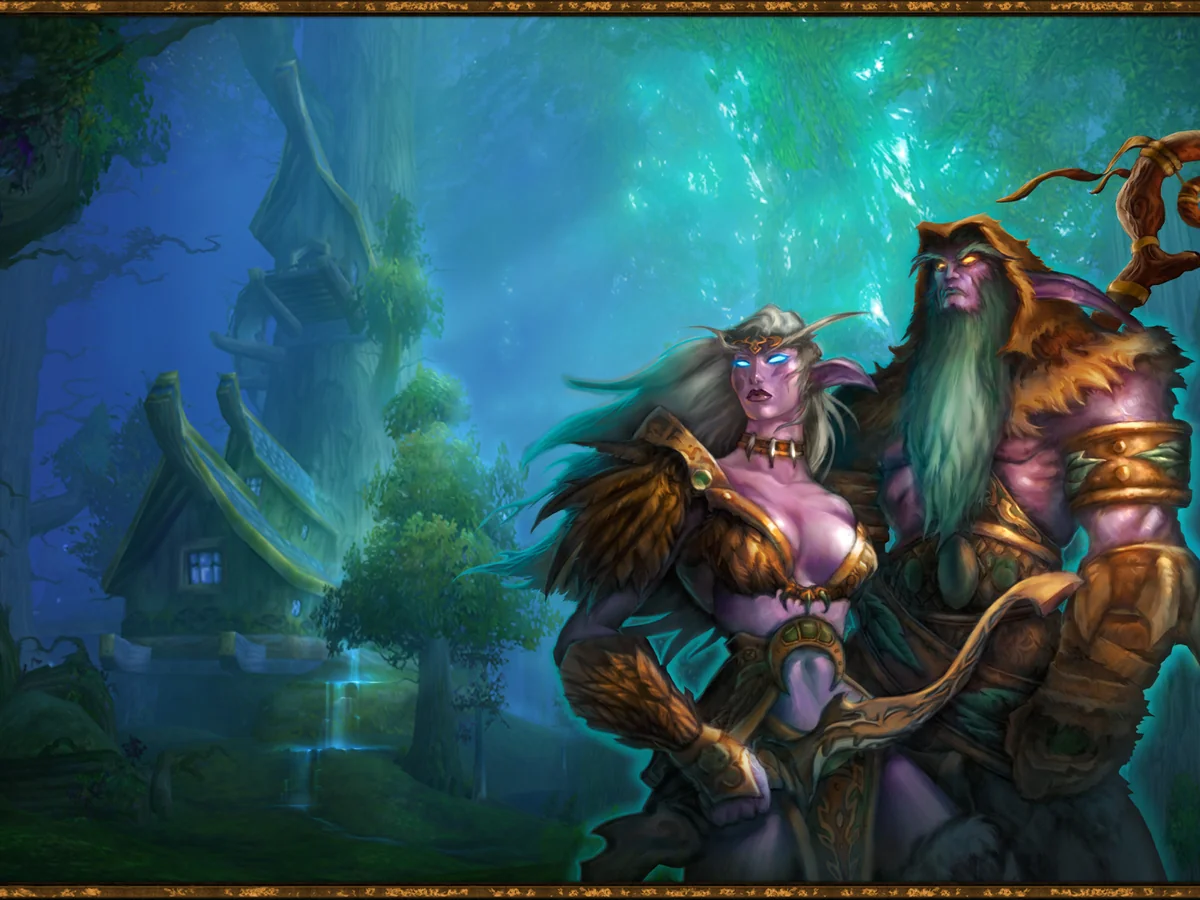
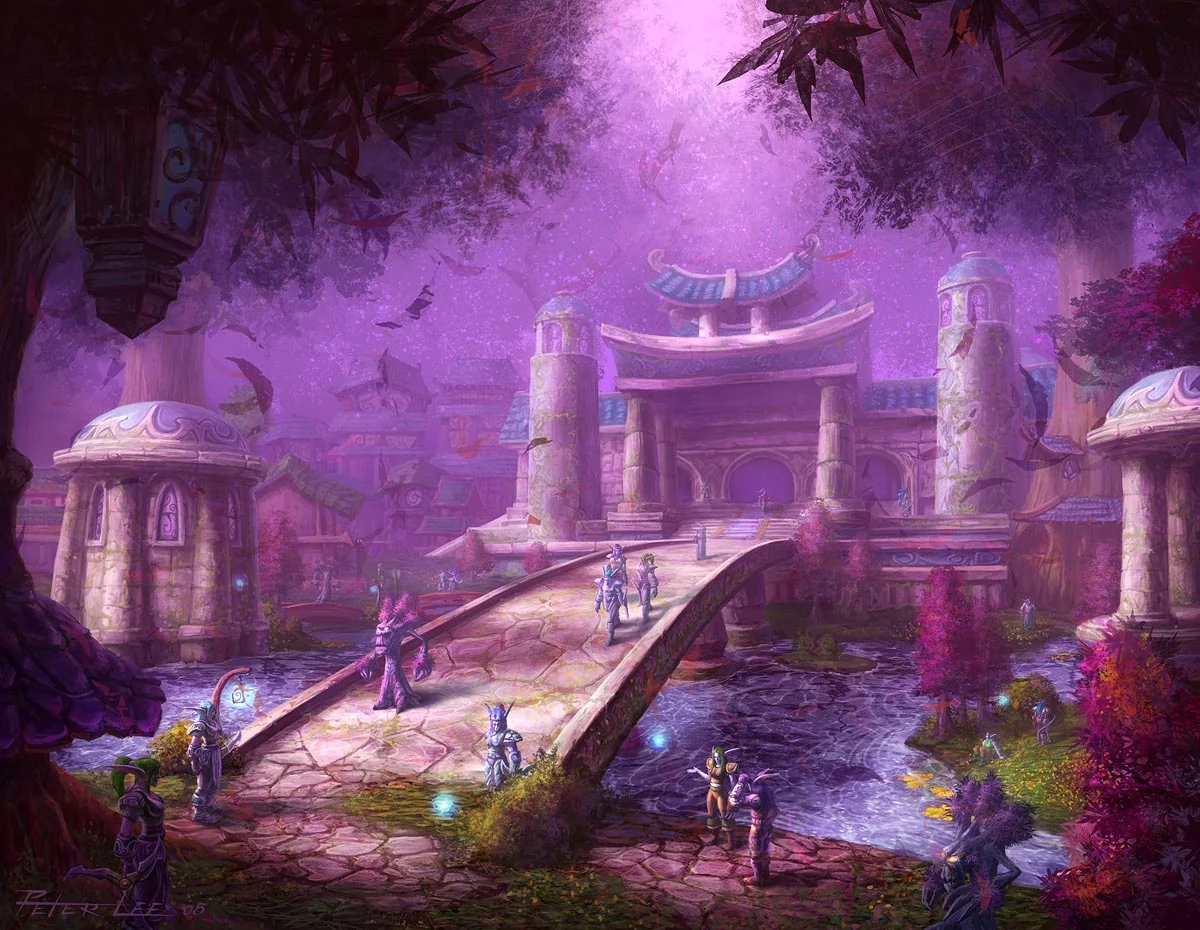
The kaldorei rose beside the Well of Eternity, whose energies changed a society of nocturnal humanoids into the night-elven civilization. Their growing power spread through ancient Kalimdor and ultimately supported the magnificent empire ruled by Queen Azshara. The same source of strength would later draw the Burning Legion to Azeroth.
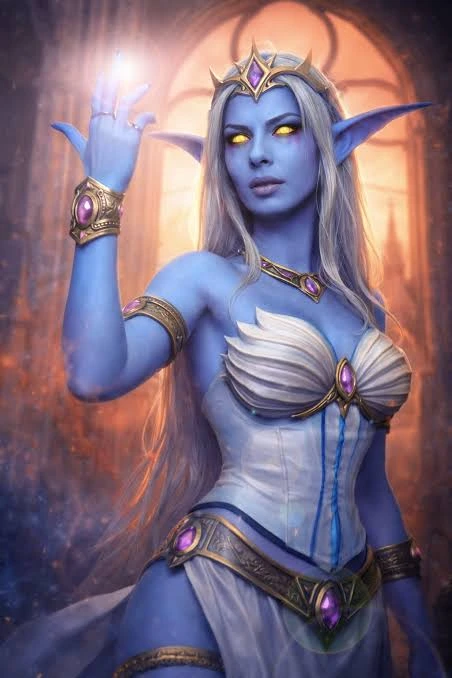
Queen Azshara ruled the night-elven empire at its height, surrounded by the Highborne elite who drew tremendous power from the Well of Eternity. The court's unchecked magical ambition separated its rulers from those who questioned their path. That division became catastrophic when the Burning Legion used the court's spellwork to invade Azeroth.
The Highborne's ever more ambitious use of the Well of Eternity brought Azeroth to the attention of Sargeras. Under Azshara and Xavius, the court began shaping a gateway for the Burning Legion. What had sustained the night-elven empire now threatened to admit the force that could destroy it.
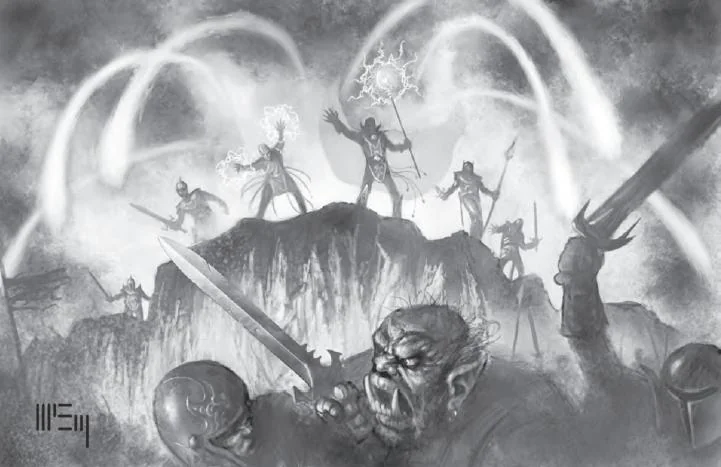
The Burning Legion poured into ancient Kalimdor through the gateway nurtured by Azshara's Highborne court. Its armies devastated the night-elven empire and forced a far broader coalition to resist the invasion. The war ended at the Well of Eternity, where the Legion's defeat also shattered the continent it had come to conquer.
Queen Azshara's Highborne turned their dependence on the Well of Eternity into an invitation to the Burning Legion. Her adviser Xavius helped sustain the contact, believing demonic powers would enrich the court rather than destroy it. The gateway forced the kaldorei to fight both invaders and their own rulers, leading toward the war's ruinous conclusion.
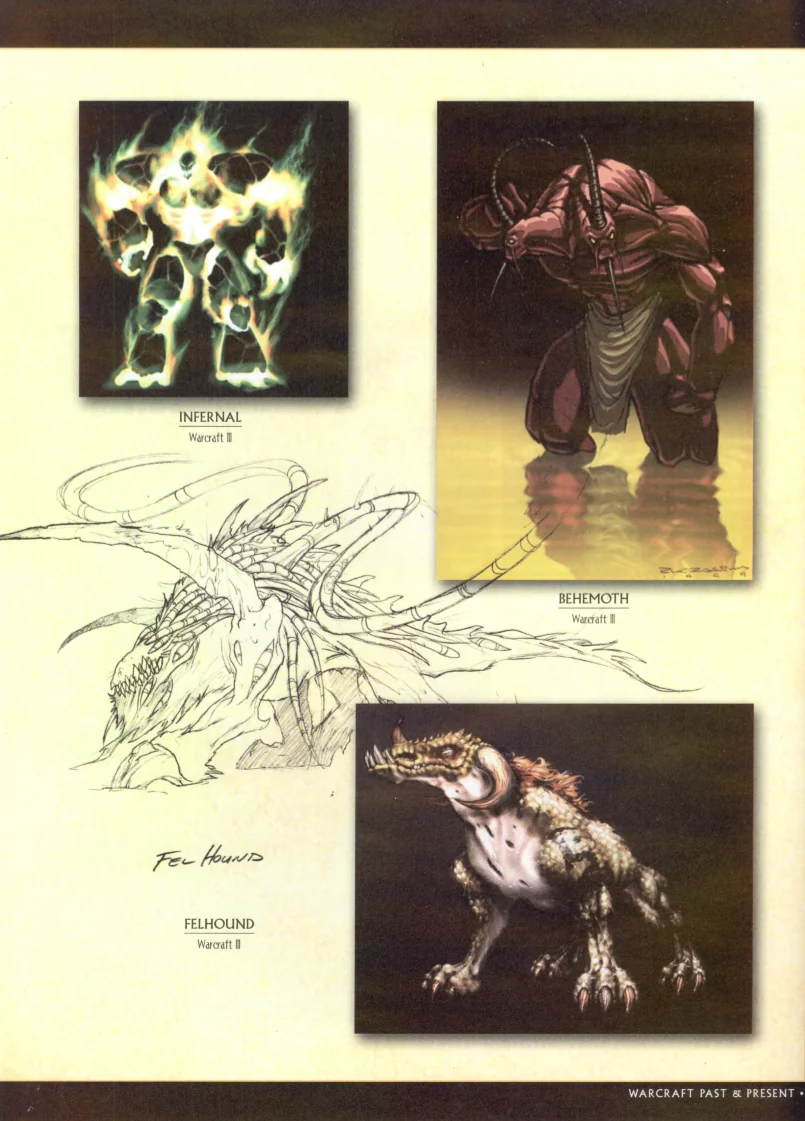
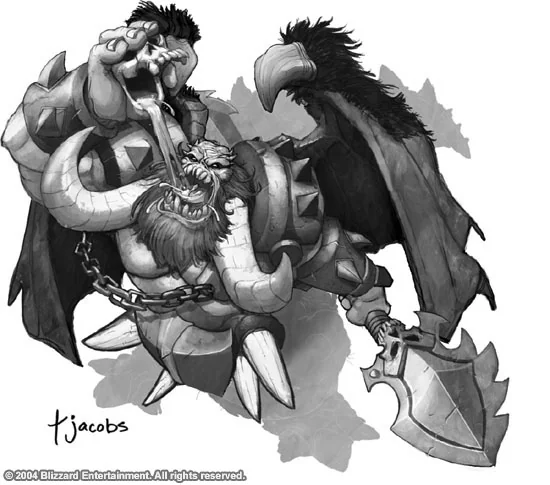
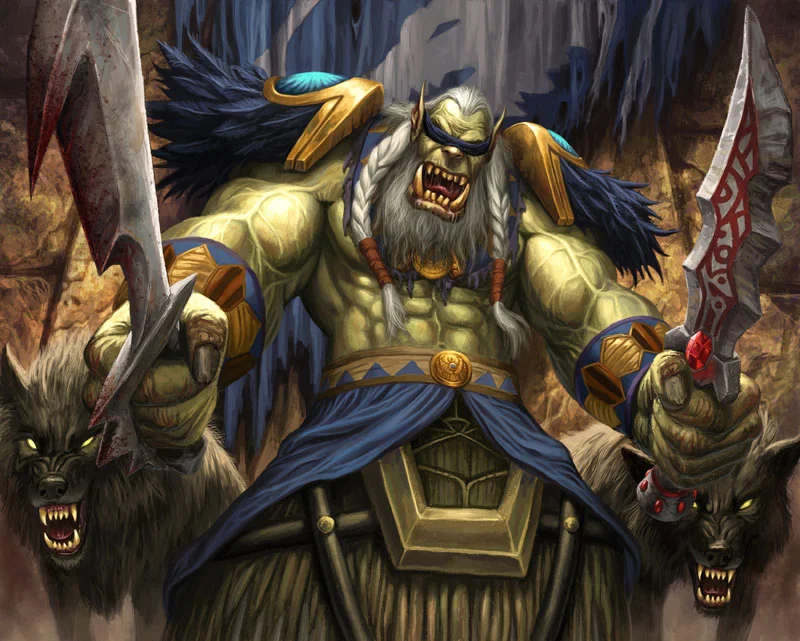
Hakkar the Houndmaster brought the Burning Legion's felhounds into the War of the Ancients. The Highborne gateway exposed the kaldorei heartland to hunters and monsters unlike their familiar enemies. This demon must not be confused with Hakkar the Soulflayer, the blood god later worshipped by trolls.
Lord Kur'talos Ravencrest helped unite night elves who opposed Azshara's bargain with the Burning Legion. His army confronted demonic invaders while the Highborne court continued to sustain the gateway. Though Ravencrest did not survive the war, the resistance he assembled continued under new leadership.
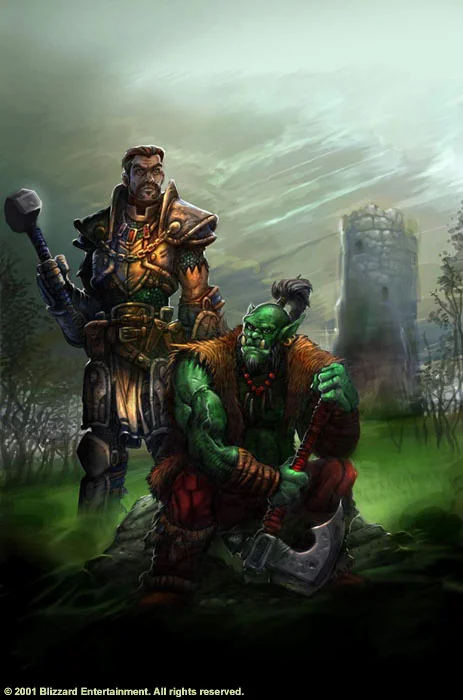
Rhonin, Krasus, and the orc Broxigar were carried back into the ancient struggle against the Burning Legion. Their arrival bound the later world of Azeroth to the kaldorei resistance and the fate of the Well of Eternity. Fighting beside Malfurion and the other defenders, they became participants in a war whose consequences would shape every succeeding age.
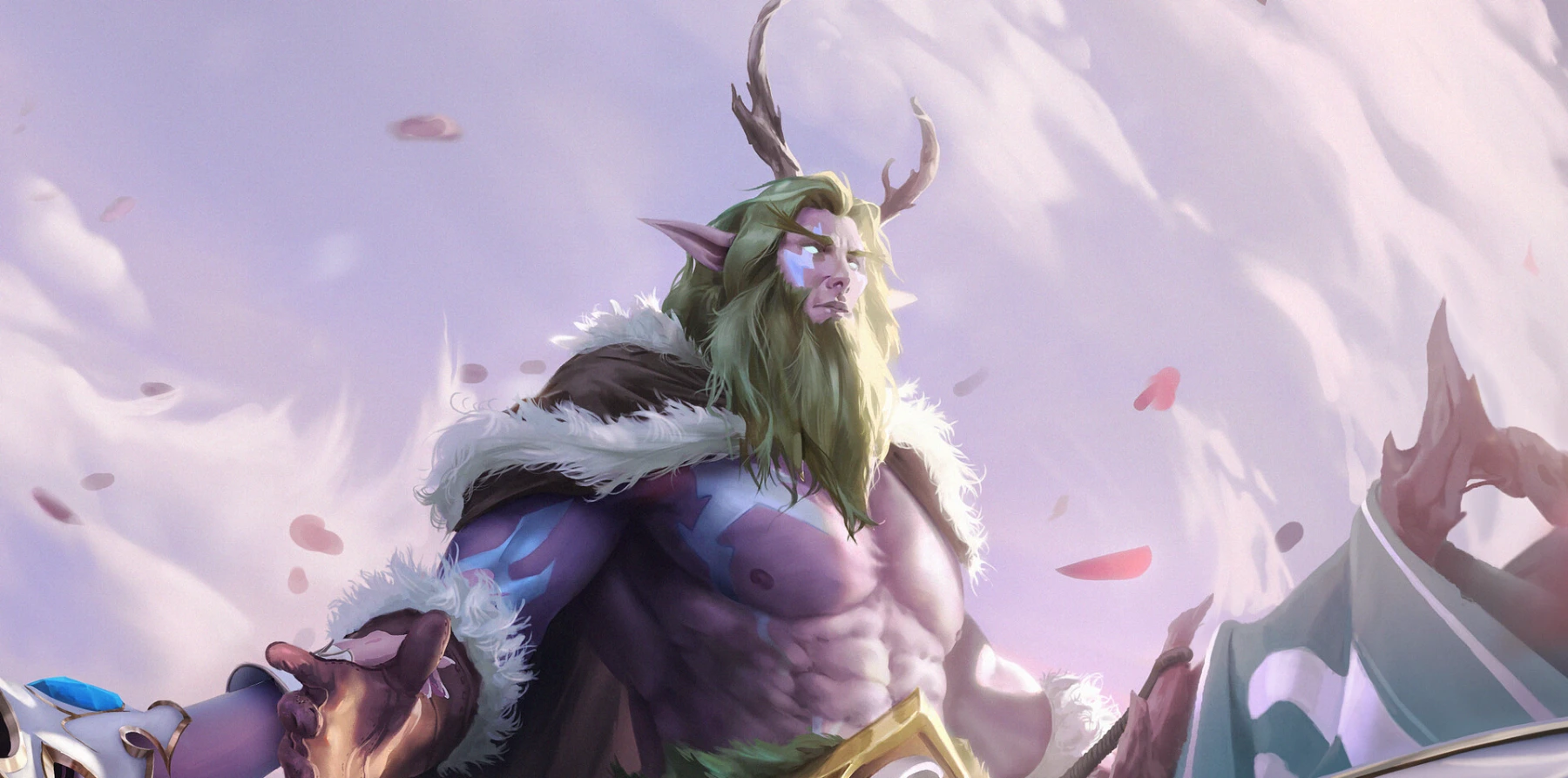
Malfurion Stormrage challenged the magic sustaining the Legion's passage into Azeroth at its source. The Well of Eternity had made the kaldorei empire wealthy in power and prestige, but its exploitation also gave the invading demons their route into the world. Malfurion's interference with the Highborne workings belongs to the longer chain of actions leading toward the gateway's collapse.
Queen Azshara ordered the elimination of Kur'talos Ravencrest while his army resisted the Burning Legion. The killing was an act of political warfare inside a larger invasion. Other commanders fell or proved unable to hold the coalition together, and Jarod Shadowsong eventually assumed command.
Jarod Shadowsong rose to command the night elven resistance after the loss of Kur'talos Ravencrest and further upheaval among its officers. The war had brought together defenders with different loyalties and eventually non-elven allies who had their own reasons to resist the Legion. The resistance could not restore the empire it was defending; the Well and the land around it would be transformed by the final catastrophe.
The kaldorei did not face the Burning Legion alone. The invaders had entered through the Well of Eternity, but the danger could not remain confined to the queen's palace or to night elven cities. The Sundering instead remade the geography that bound them together and divided their later paths.
Ancient guardians joined the mortal defenders as the Burning Legion threatened Kalimdor. As the Legion's assault spread, the defense of living lands became inseparable from the fate of the kaldorei. Malorne's death at Archimonde's hands was among the war's losses, and the Sundering changed the lands they defended.
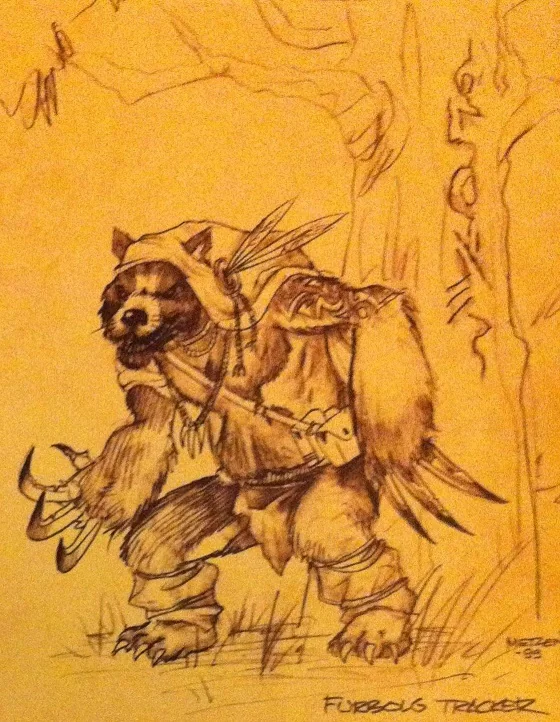
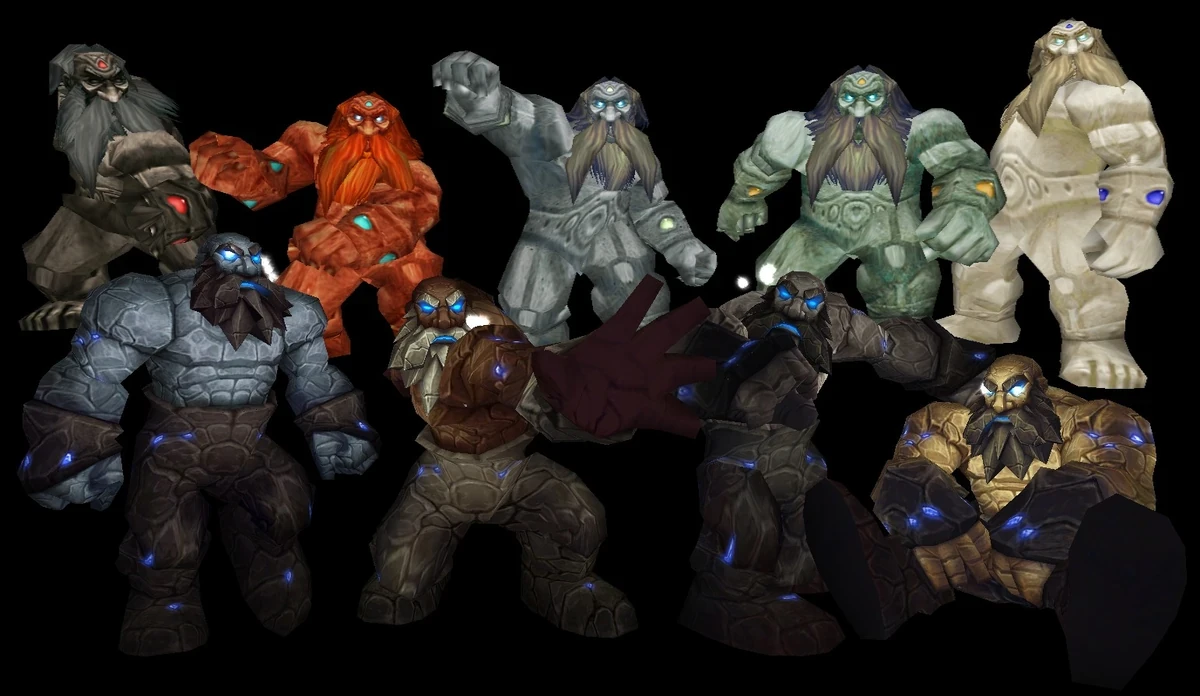
Malorne fell in combat against Archimonde during the War of the Ancients. The coalition resisting Azshara's gateway had expanded to include ancient guardians alongside kaldorei, tauren, furbolgs, and earthen. Malorne's fate also gives the War of the Ancients a cost beyond shattered cities and armies.
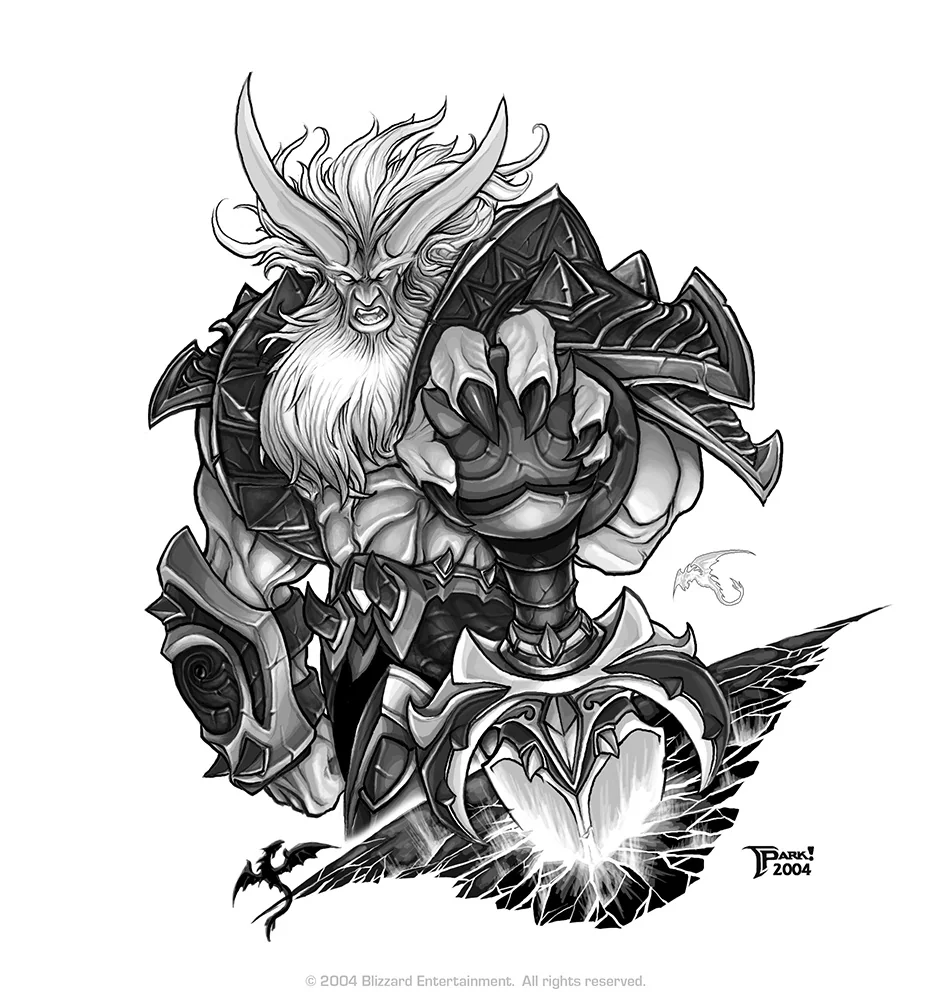
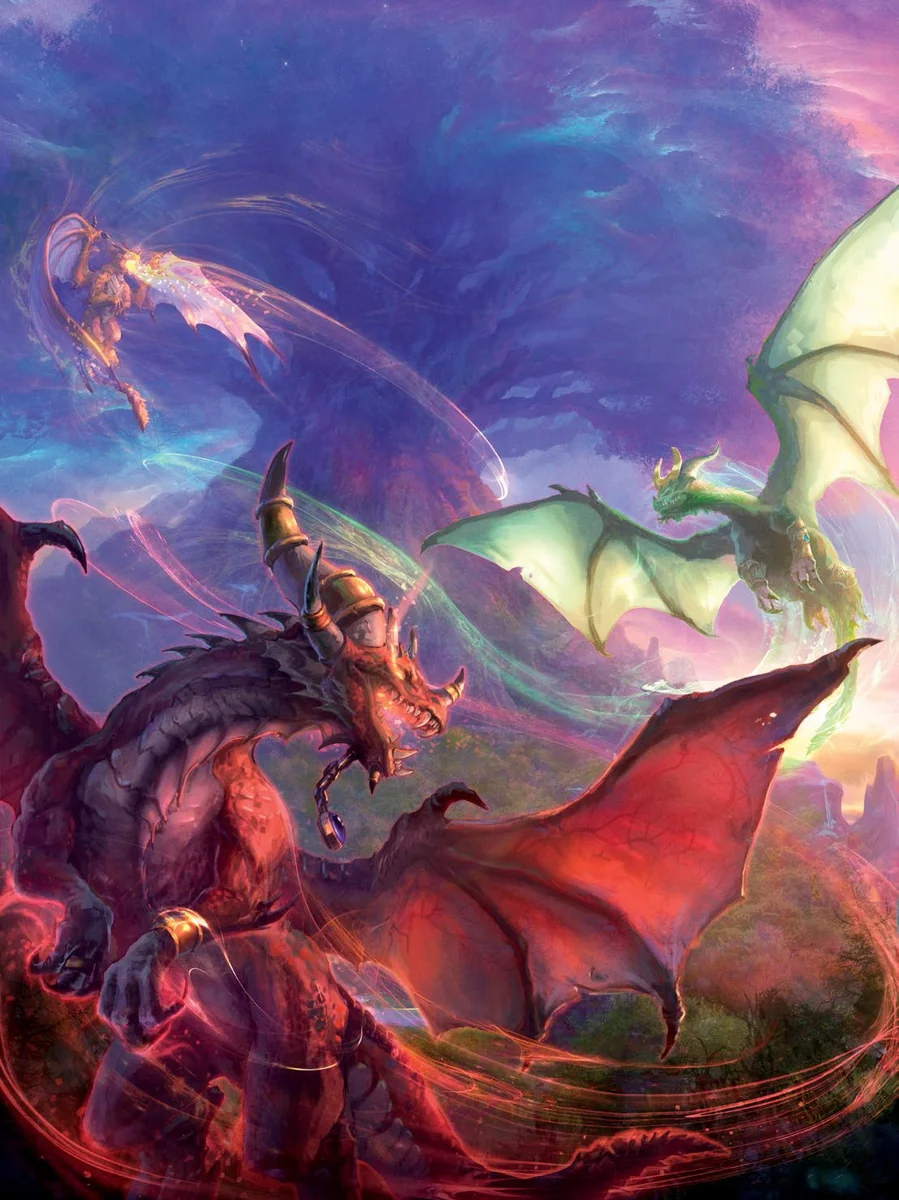
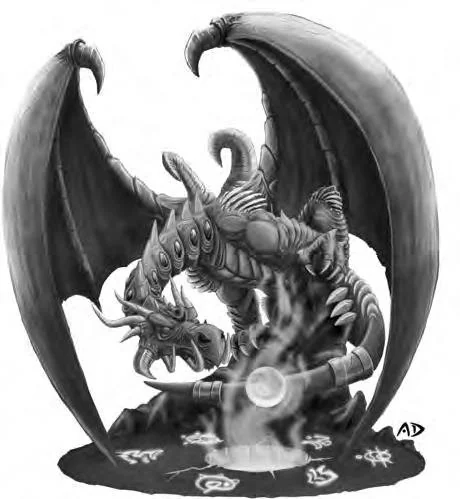
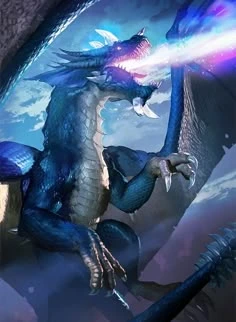
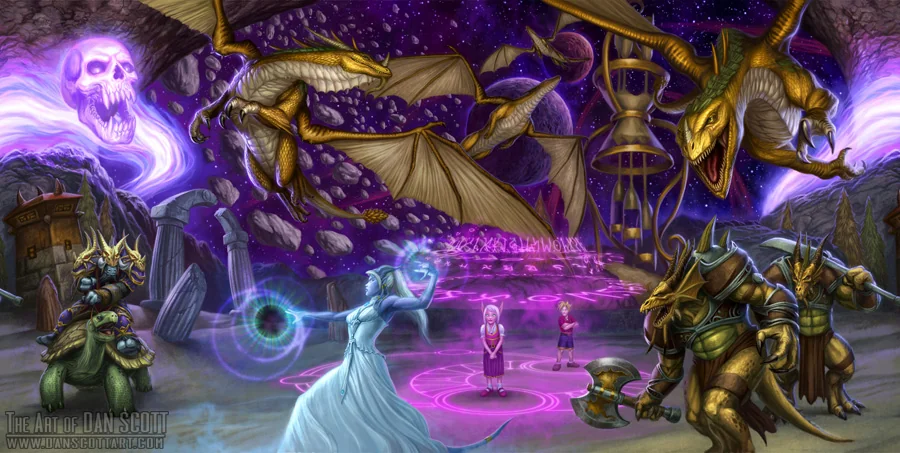
Neltharion was charged with protecting Azeroth's earth, yet he betrayed the other dragonflights during the War of the Ancients. The Dragon Soul, assembled for the struggle against the Burning Legion, became a weapon against the dragons themselves. The catastrophe destroyed trust among the Aspects and left the blue flight grievously diminished.
Neltharion turned the Dragon Soul against his fellow dragonflights during the War of the Ancients. The dragons had been appointed guardians of different parts of Azeroth's existence. The object later known as the Demon Soul survived the ancient conflict and became central to another war when the Dragonmaw clan controlled Alexstrasza and her offspring.
Xavius did not vanish from the War of the Ancients when his first service to Azshara's demonic allies ended. Xavius had helped build the gateway by which the Legion entered, exploiting his access to the queen and the Highborne. Even after the portal was destroyed and the continent broken by the Sundering, the events had already transformed some of its inhabitants into servants of the Legion.
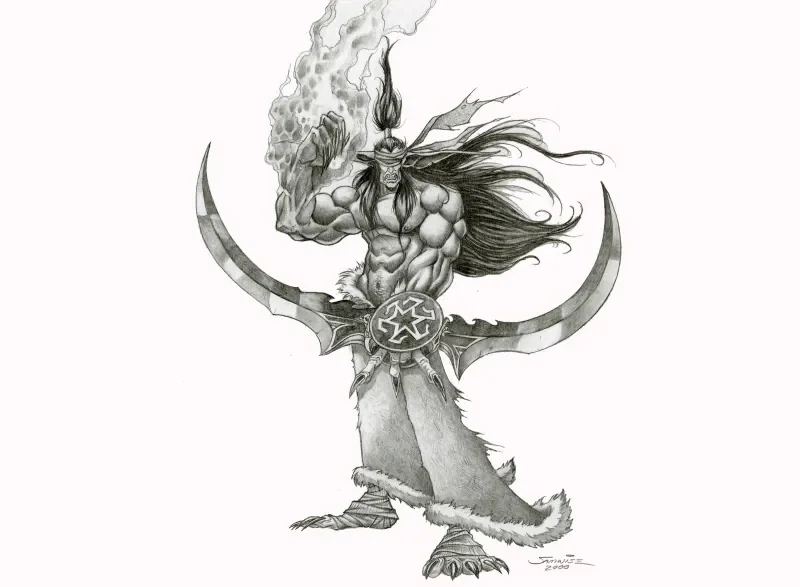
Illidan Stormrage's dealings among Azshara's Highborne brought him before Sargeras during the War of the Ancients. Illidan was already drawn to the extraordinary arcane energies surrounding the Well of Eternity. Illidan took part in the conflict surrounding the Dragon Soul and the Well, survived the Sundering, and later made a new source of power at Mount Hyjal.
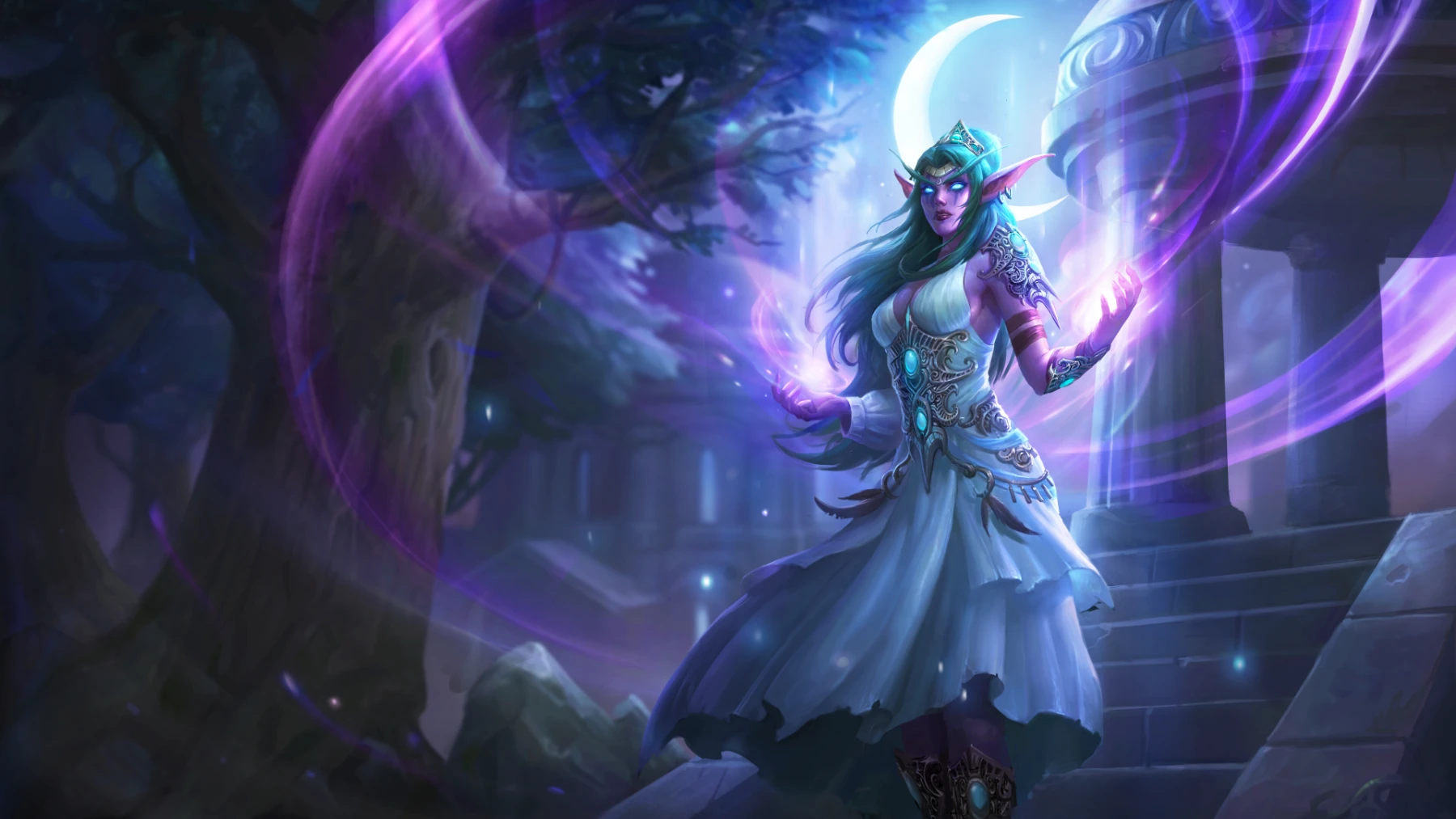
Tyrande Whisperwind was taken captive amid the War of the Ancients, as the defenders struggled against the Legion and the Highborne court. Tyrande's service to Elune stood apart from Azshara's increasing devotion to arcane power and the demons arriving through the Well. The attempts to free Tyrande unfolded alongside the desperate final campaign against the gateway.
The Dragon Soul became a contested power in the final struggle around the Well of Eternity. Earlier in the war, the Dragon Soul had been turned against the dragonflights it was supposed to help defend. Illidan survived the ancient war, but his attachment to the kind of magic that had brought the catastrophe would soon produce another crisis at Mount Hyjal.
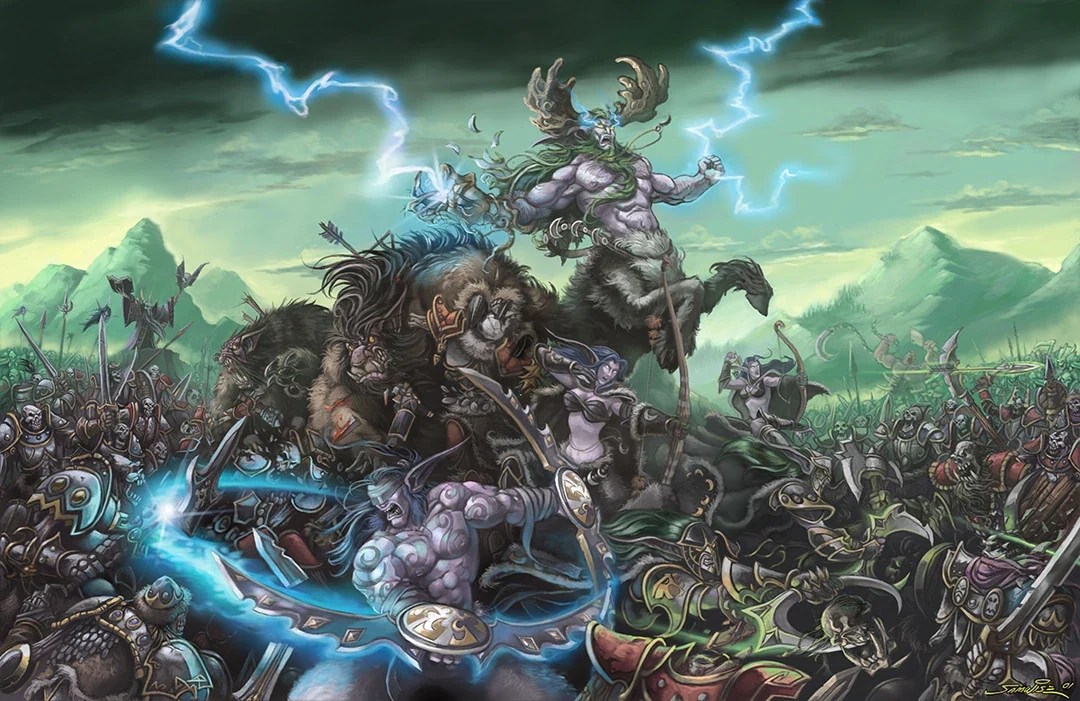
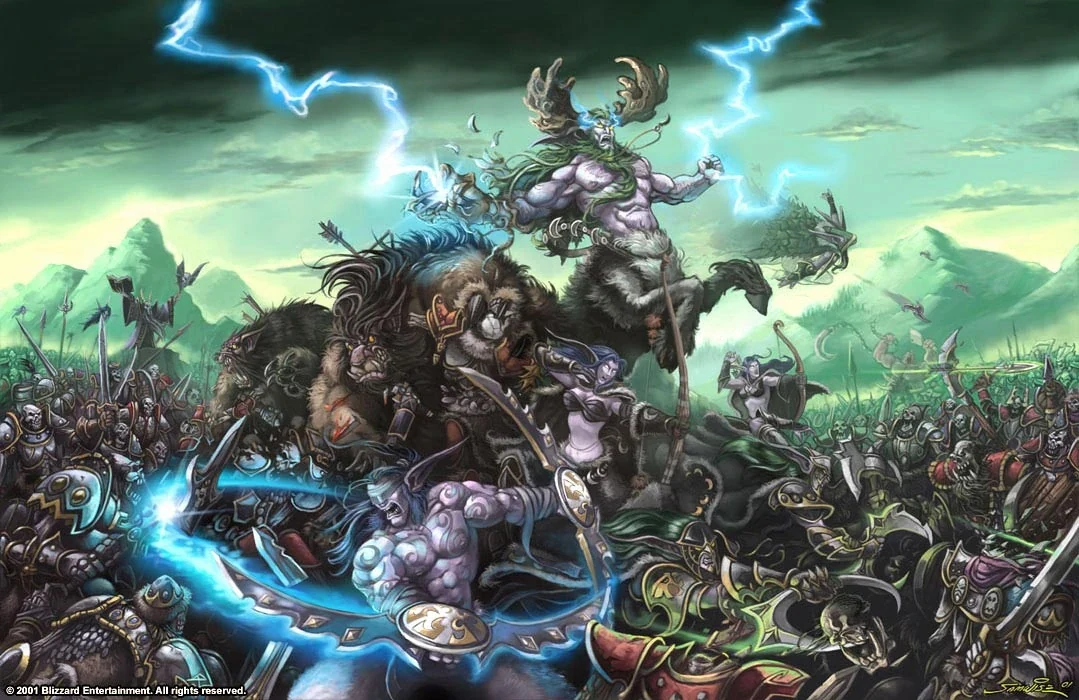
Malfurion Stormrage and the defenders of ancient Kalimdor prevented Sargeras from entering Azeroth through the Well of Eternity. Their resistance drew strength from night elves, other peoples, dragon allies, and ancient guardians. The victory came at a devastating cost: the Well's collapse destroyed the empire and tore the continent apart.
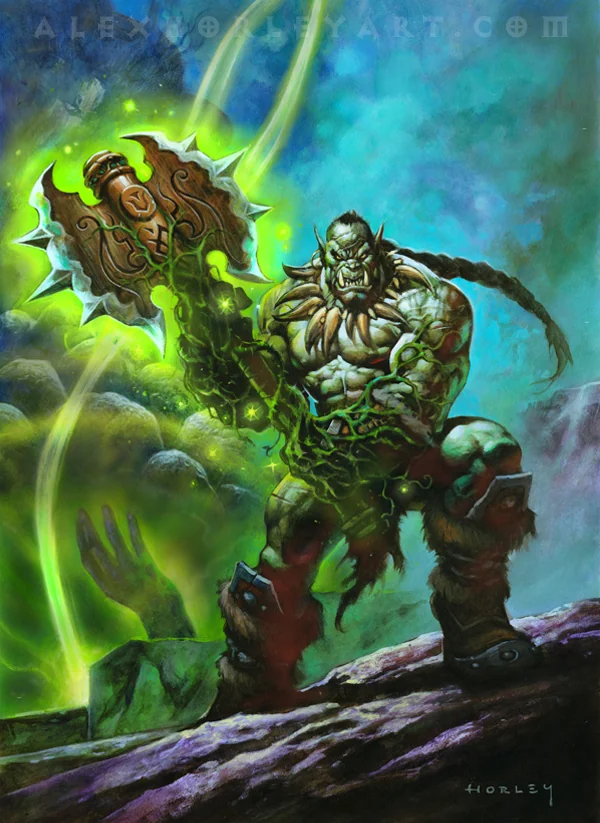
Broxigar crossed through the Legion's portal and struck at Sargeras during the final moments of the War of the Ancients. Broxigar's presence in the ancient conflict bridged two very different eras of Warcraft history. The defenders ultimately prevented Sargeras from entering Azeroth, though the Well's destruction caused the Sundering.
The Well of Eternity collapsed during the final battle against the Burning Legion, tearing ancient Kalimdor apart. The catastrophe swallowed the heart of the night-elven empire and left the Maelstrom where its center had stood. Every later civilization inherited a world remade by this single event.
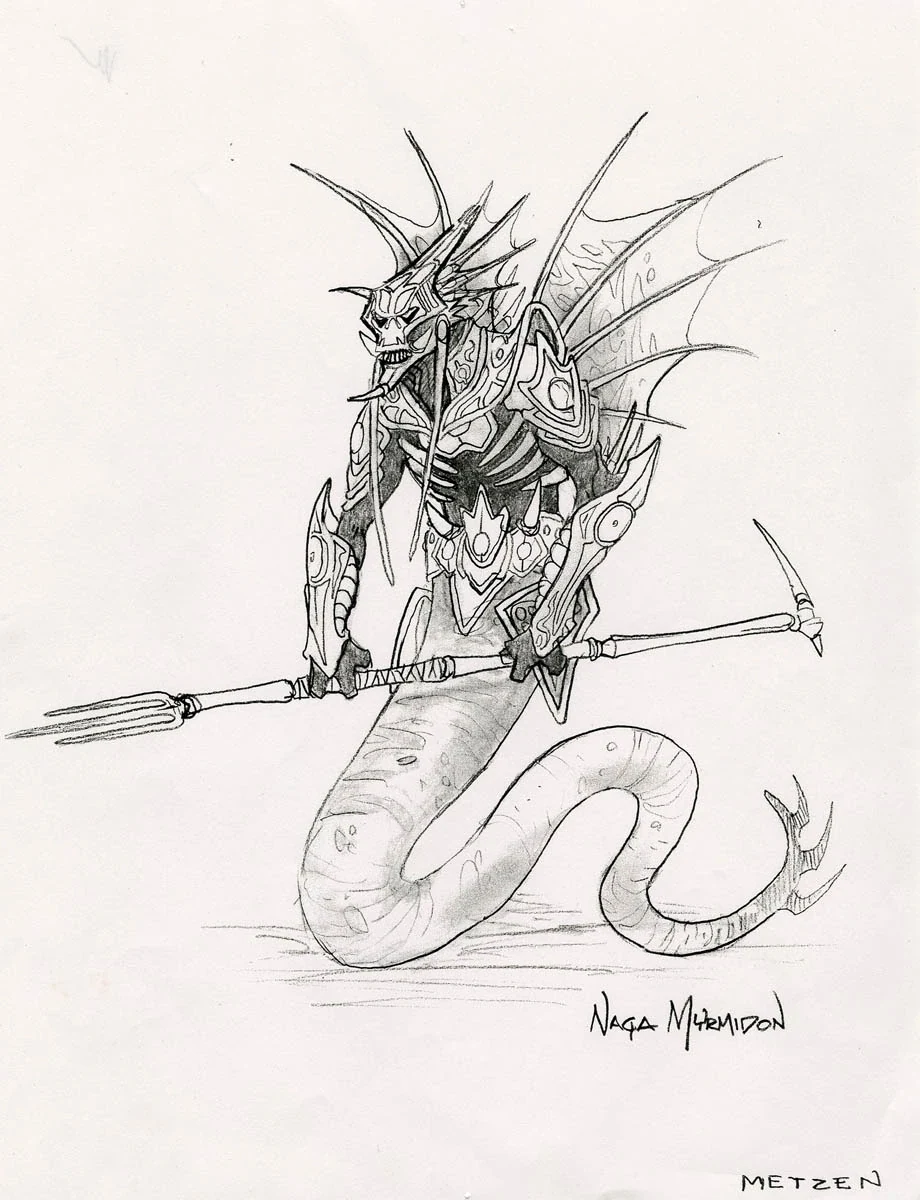
Queen Azshara and members of her Highborne court survived the destruction of the Well of Eternity, but they did not emerge unchanged. When the gateway failed, the resulting catastrophe destroyed the imperial capital and scattered the surviving night elves. The Frozen Throne campaign introduces naga under Lady Vashj aiding Illidan and Kael'thas.
After the Sundering, Illidan Stormrage poured preserved waters of the original Well of Eternity into a lake atop Mount Hyjal. The act created a second source of immense arcane power just as the night elves tried to recover from the Legion's invasion. To his own people, it threatened to recreate the danger that had nearly destroyed their world.
Illidan Stormrage was imprisoned after the War of the Ancients for creating a new Well of Eternity on Mount Hyjal. His actions revived the danger associated with uncontrolled arcane power at the very moment his people sought a different future. He remained a prisoner for millennia before Tyrande released him during the Third War.
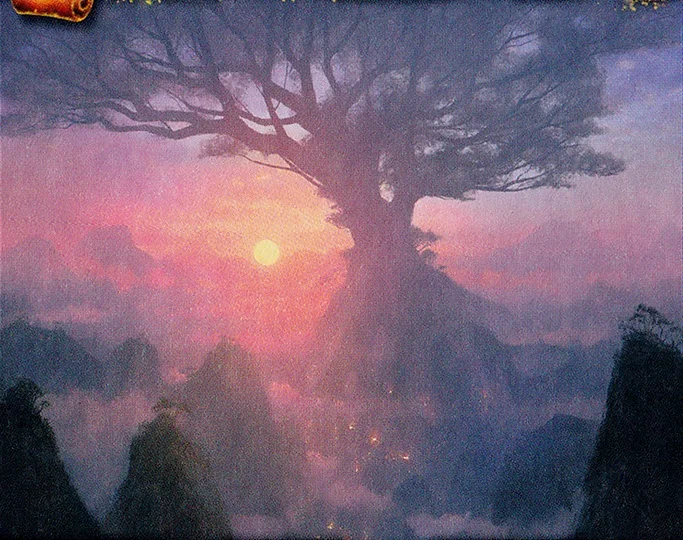
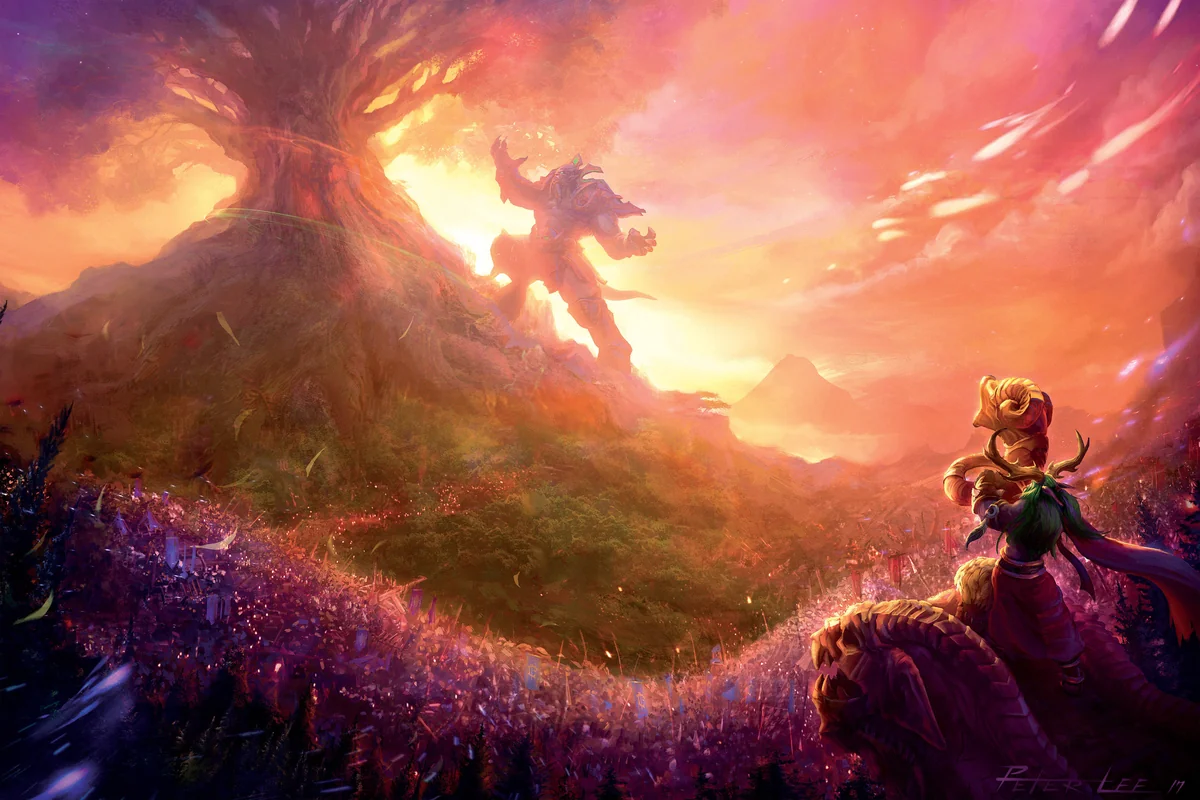
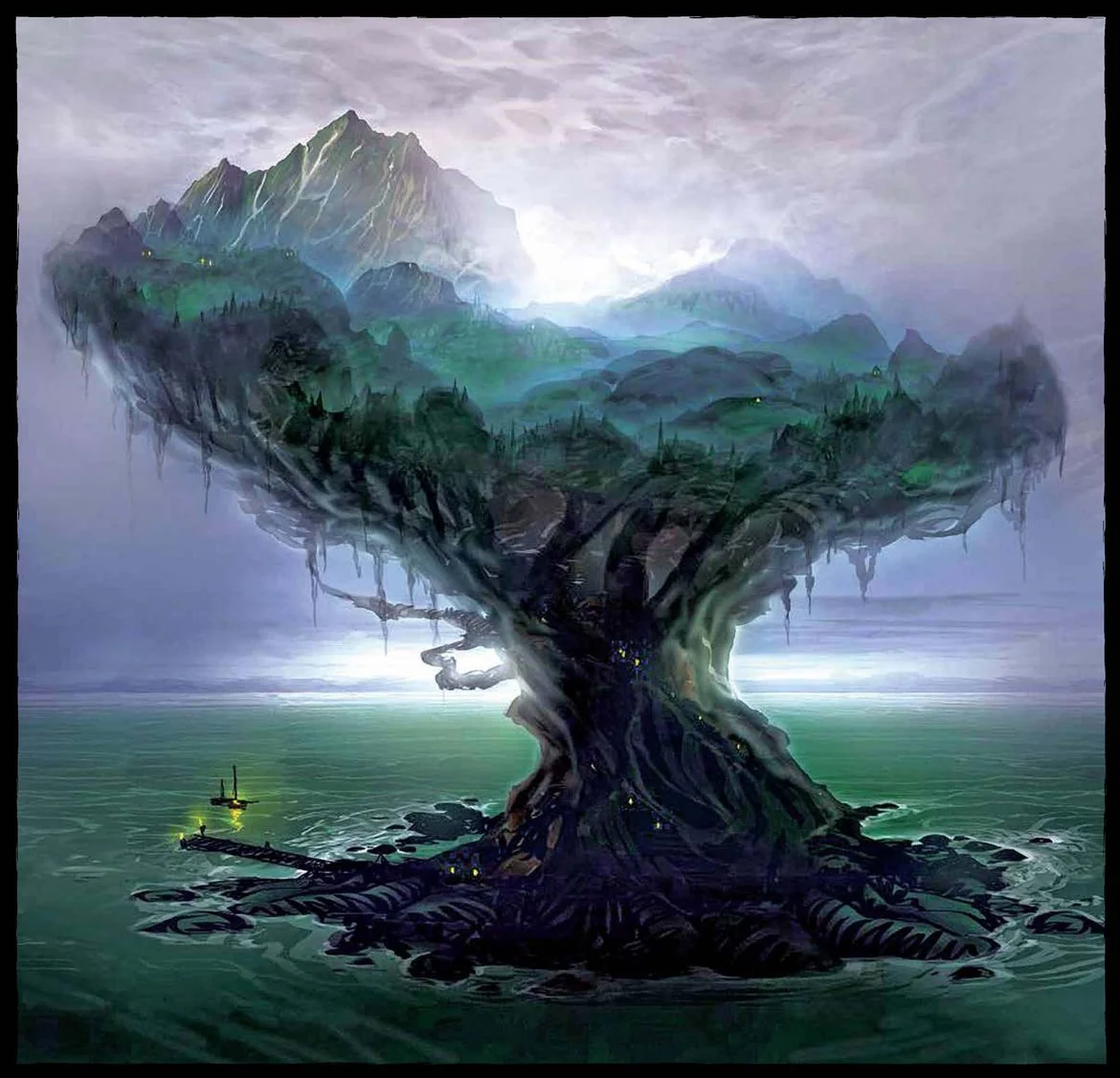
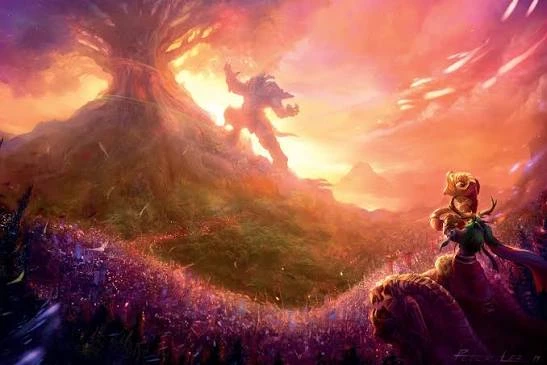
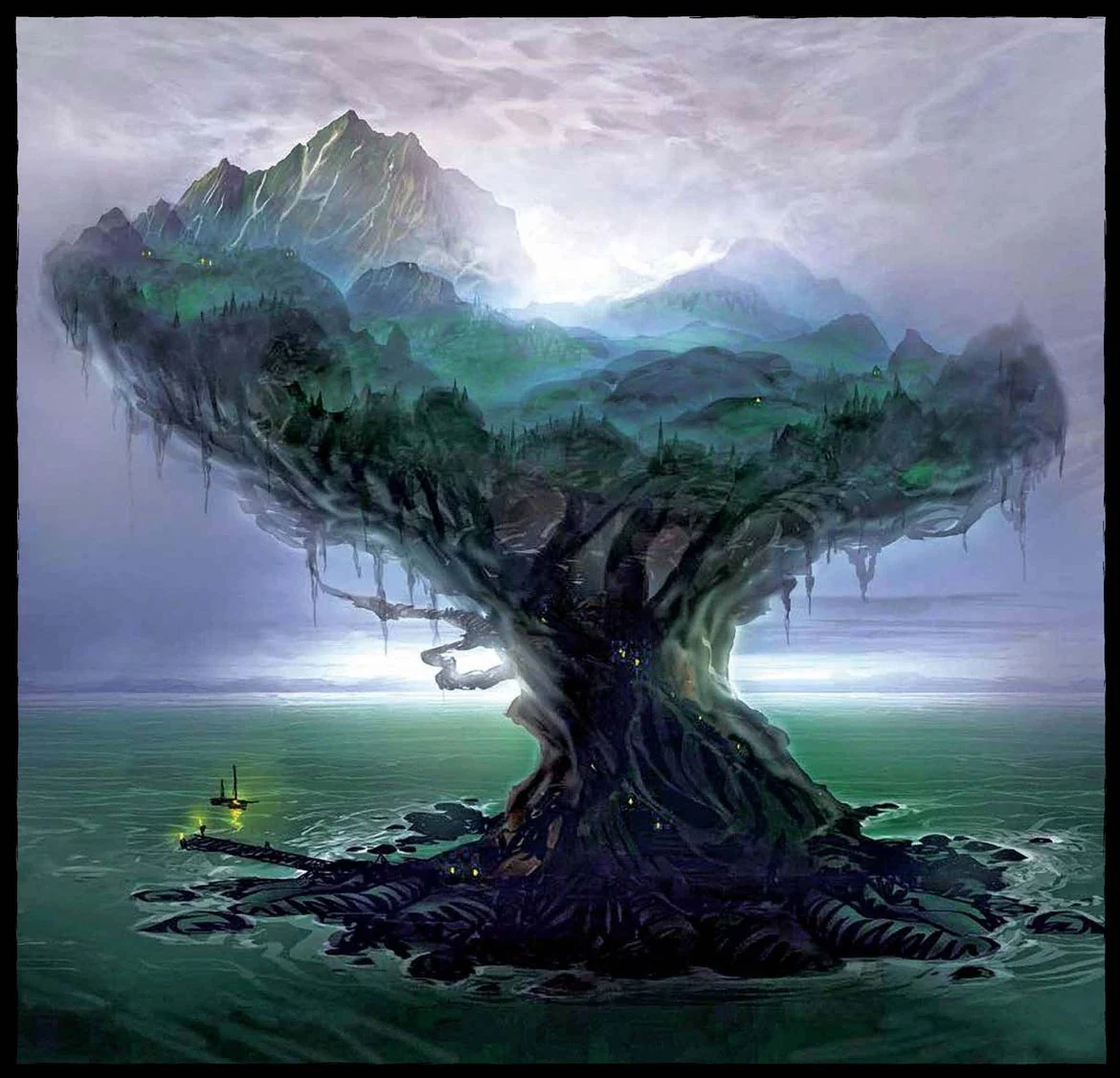
Nordrassil rose over the second Well of Eternity on Mount Hyjal, becoming the great World Tree of the night elves. The dragon Aspects' blessings bound it to the preservation of life, the natural world, and the kaldorei's long guardianship. During the Third War, the defense of the tree became the last great stand against Archimonde.
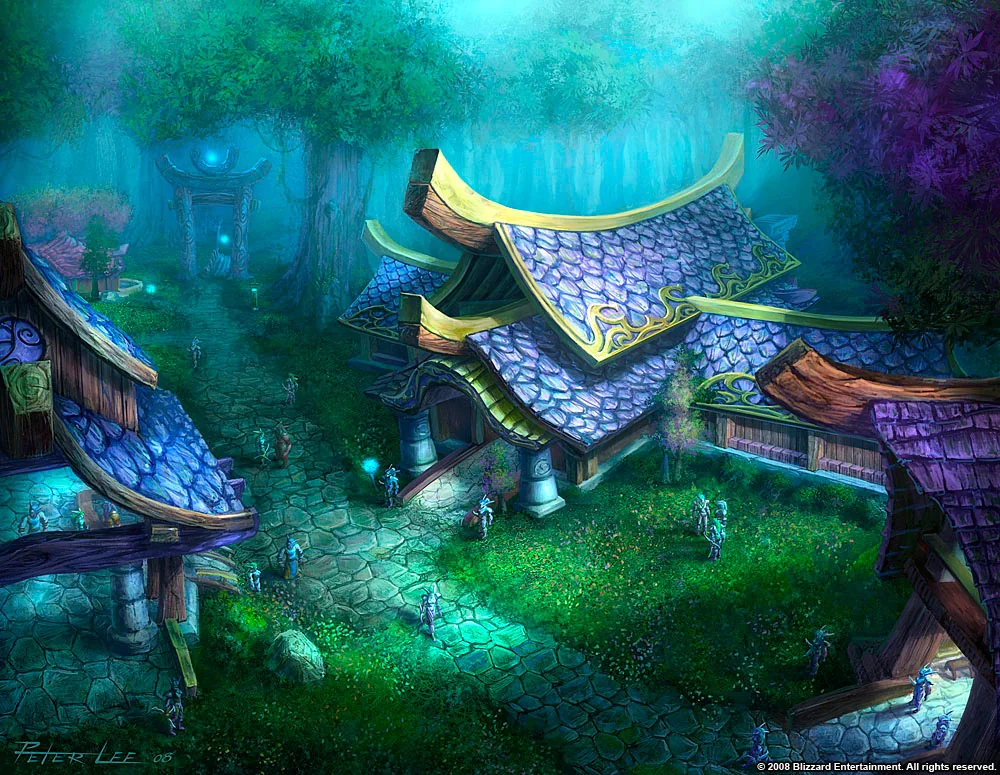
For thousands of years after the Sundering, the night elves guarded Kalimdor through the Long Vigil. The Sentinels defended their lands while many druids, including Malfurion Stormrage, spent long periods within the Emerald Dream. Their watch ended in upheaval when the Burning Legion returned during the Third War.
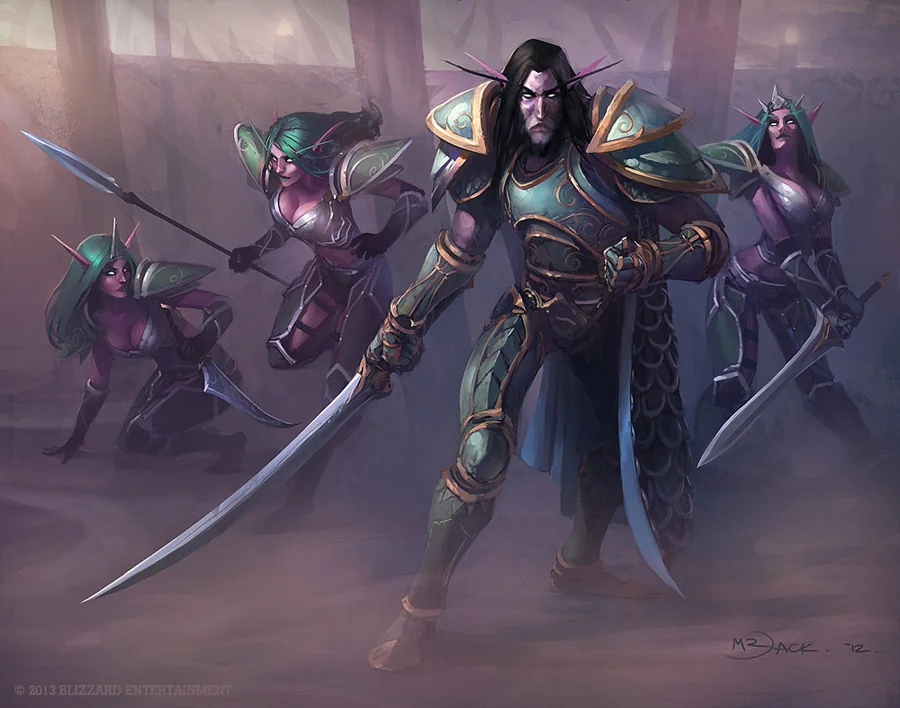
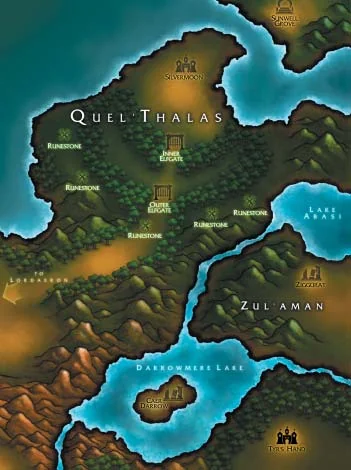
When the night elves forbade the continued use of arcane magic, Dath'Remar Sunstrider and other Highborne chose exile rather than abandon their traditions. Their departure from Kalimdor divided the heirs of Azshara's civilization. The exiles eventually founded the high-elven kingdom of Quel'Thalas on the opposite side of the world.
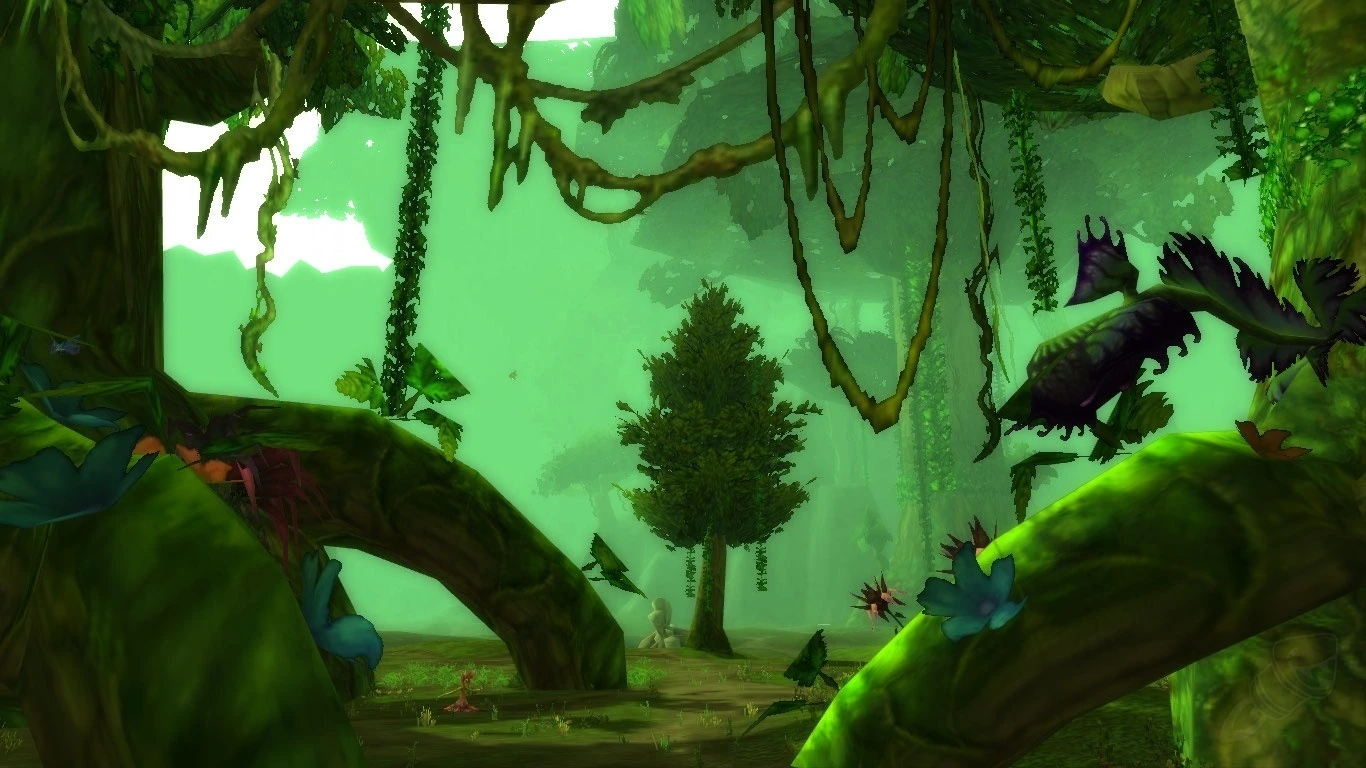
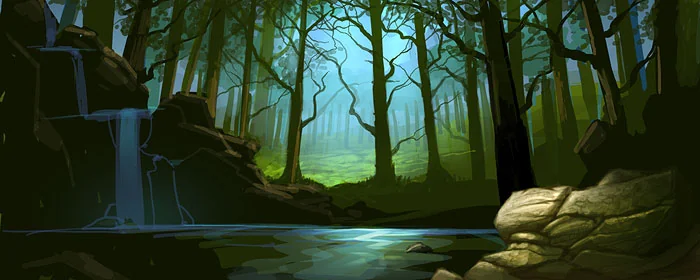
The exiled Highborne founded a settlement in the tranquil glades during their eastern journey. It forms part of the historical narrative “The Abandoned Highborne Settlement.” The same history also records highborne abandon their tirisfal settlement. Its abandonment reflects the exiles' search for a homeland farther north.
After several years of reported madness among settlers, the Highborne moved north. An underlying evil was theorized, not identified. It forms part of the historical narrative “The Abandoned Highborne Settlement.” The same history also records dath’remar’s exiles settle in tirisfal glades.
After their exile from Kalimdor, Dath'Remar Sunstrider's followers reached the northern forests of the Eastern Kingdoms and founded Quel'Thalas. They established the Sunwell and built a new high-elven civilization around arcane magic. Its prosperity came at the cost of a long conflict with the Amani trolls whose ancestral lands they occupied.
Long before the First War, the land that would become Quel'Thalas was already meaningful to the Amani. Powerful magic broke the Amani offensive, and warriors who had expected another campaign to recover their forests instead faced a disastrous defeat. When Zul'jin rose during the Second War, he was not inventing the demand to reclaim Quel'Thalas. The Troll Wars explain why an event thousands of years old remains an active argument about who belongs in the northern woods.
Thoradin brought scattered human tribes together into the empire of Arathor, ruling from the city of Strom. His achievement created a political power able to stand among the older peoples of the Eastern Kingdoms. Arathor's military strength later proved decisive when the high elves called for aid against the Amani trolls.
The Troll Wars brought the surviving Amani Empire into a catastrophic conflict with Quel’Thalas and the rising human kingdom of Arathor. The forest trolls sought to recover lands taken by the high elves. The elves enlisted human allies and shared arcane knowledge that helped defeat the Amani armies. That defeat fractured forest-troll political power and explains many of the tribal positions encountered in the original WoW world.
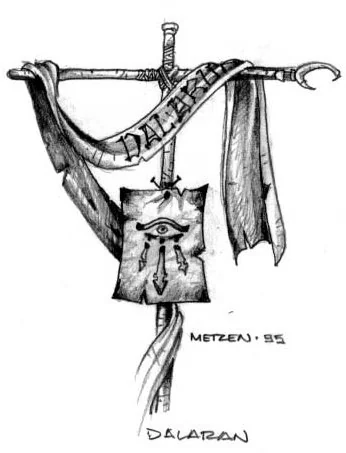
The arcane teachings given to humans after the Troll Wars flourished in Dalaran. Its mages explored powers previously guarded by the high elves, but reckless practice drew the attention of demons. The resulting danger led to secret cooperation between elven and human spellcasters and ultimately to the Guardians of Tirisfal.
The original account places the Guardians’ secret meetings in Tirisfal Glades, from which their order took its name. It forms part of the historical narrative “The Birth of the Human Kingdoms.” The same history also records arathor unites human tribes. Their clandestine gatherings sought to contain the threat of demonic magic.
Uldaman is an ancient titan-forged vault in the Badlands that preserves the mysteries of the earthen and the earliest dwarven ancestors. Original WoW presents Archaedas and Ironaya as guardians of its old secrets. Later lore explains that they escaped with the Discs of Norgannon after Tyr confronted Zakajz and Kith’ix. It is a bridge between the original dwarf origin mystery and the later reconstructed story of the troll empires.
The human empire of Arathor eventually divided into independent kingdoms whose names would shape the modern Eastern Kingdoms. Lordaeron, Stromgarde, Gilneas, Kul Tiras, Alterac, Dalaran, and the southern kingdom of Azeroth developed different interests and rulers. Their separate destinies later complicated the alliances formed against the Horde and the Scourge.
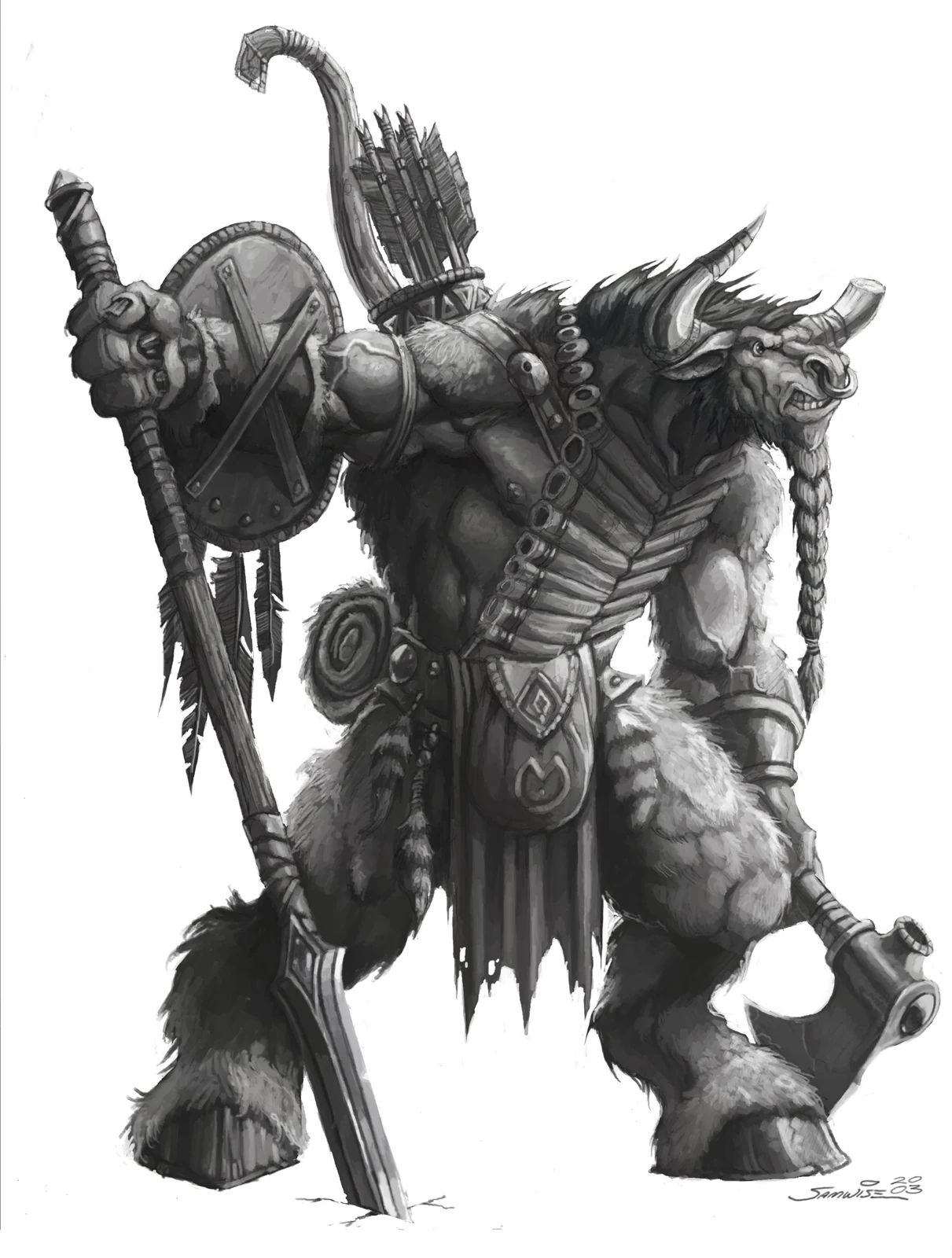
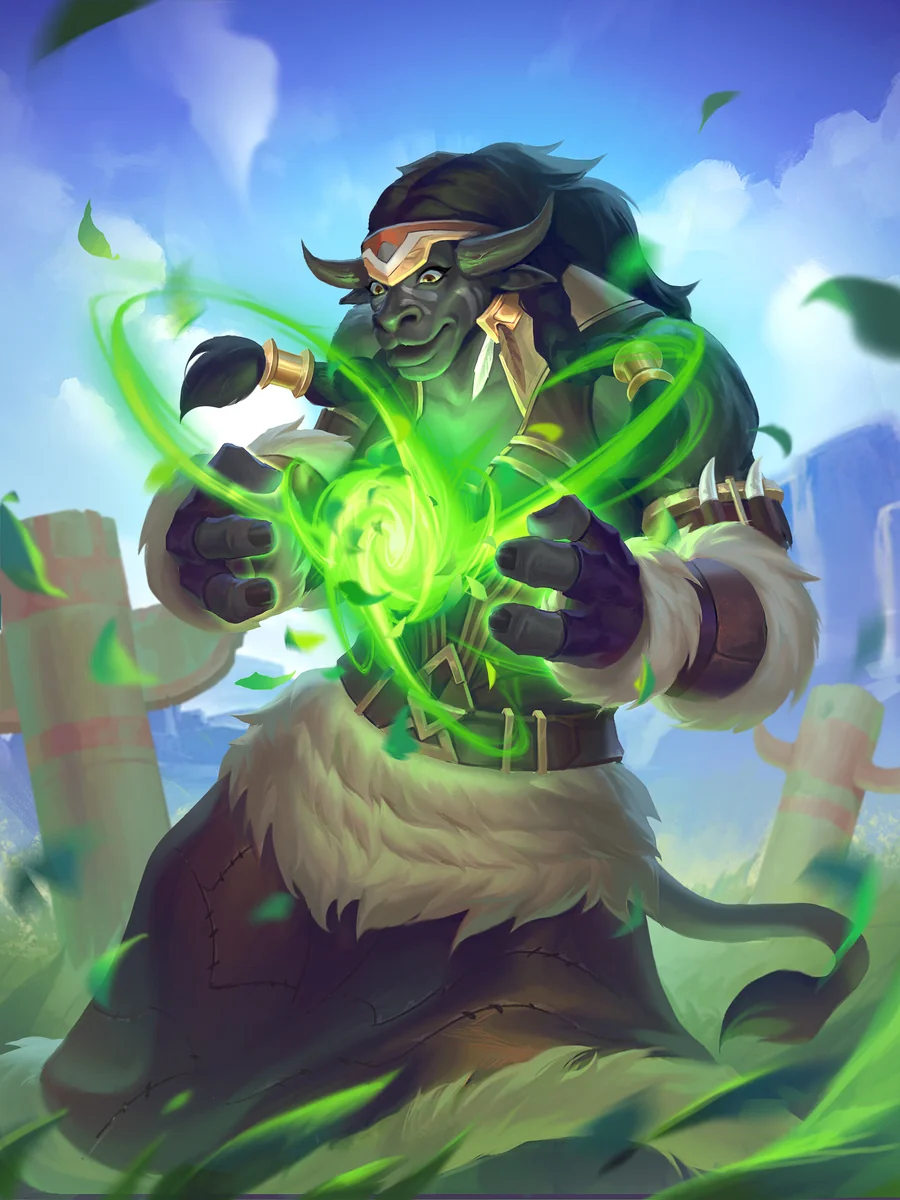
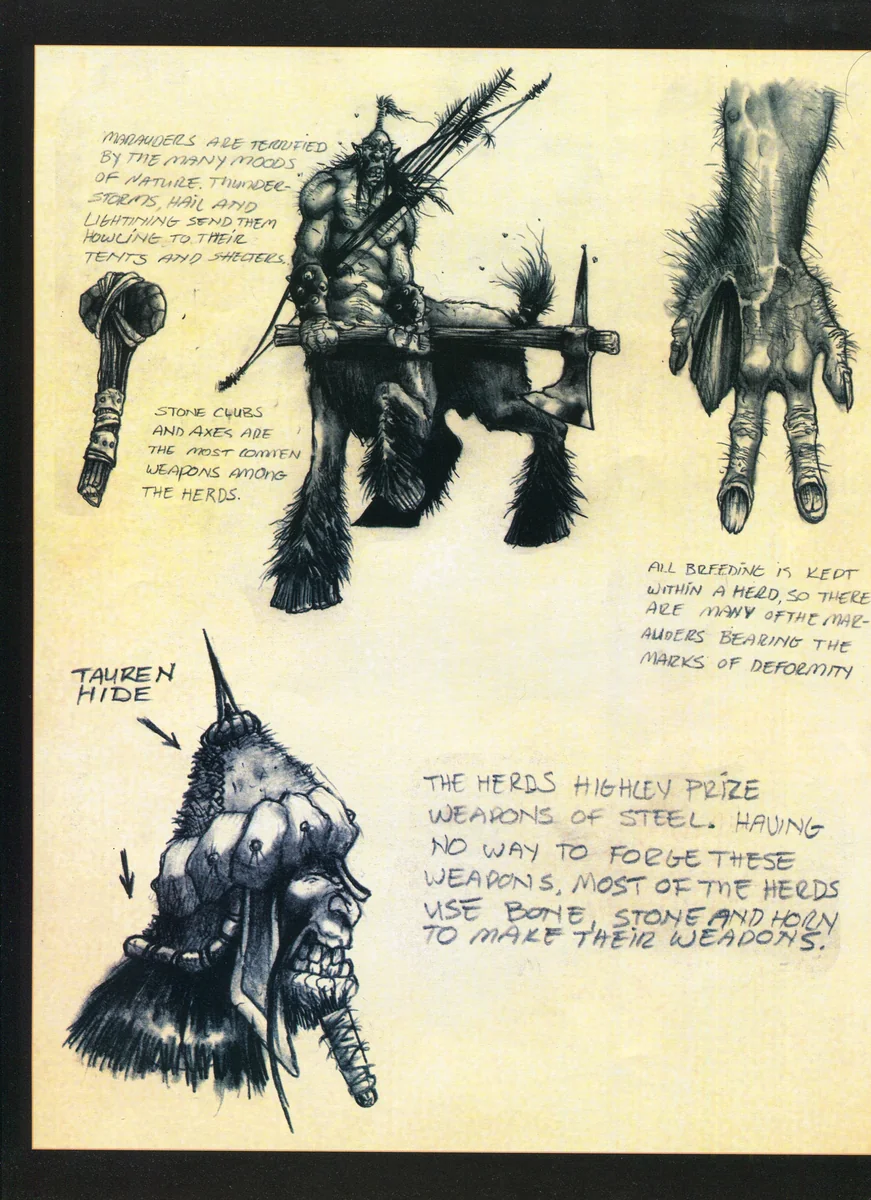
Centaur raids forced the tauren tribes into a long struggle for survival on Kalimdor. The conflict scattered their people and put pressure on the ancestral way of life they associated with the Earth Mother. Cairne Bloodhoof's later alliance with Thrall became a turning point, helping the tauren secure a homeland in Mulgore.
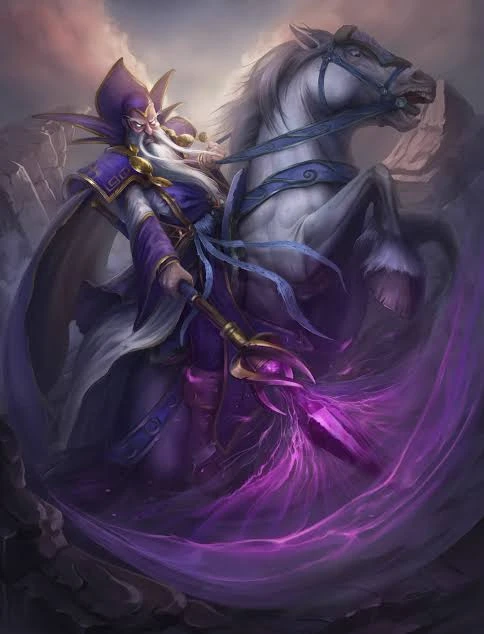
The Guardian Aegwynn defeated a physical manifestation of Sargeras in a battle that seemed to secure Azeroth from the Legion. The victory concealed a deeper danger: Sargeras's spirit passed into her and later into her son Medivh. The encounter shaped the catastrophe that would ultimately open the Dark Portal.
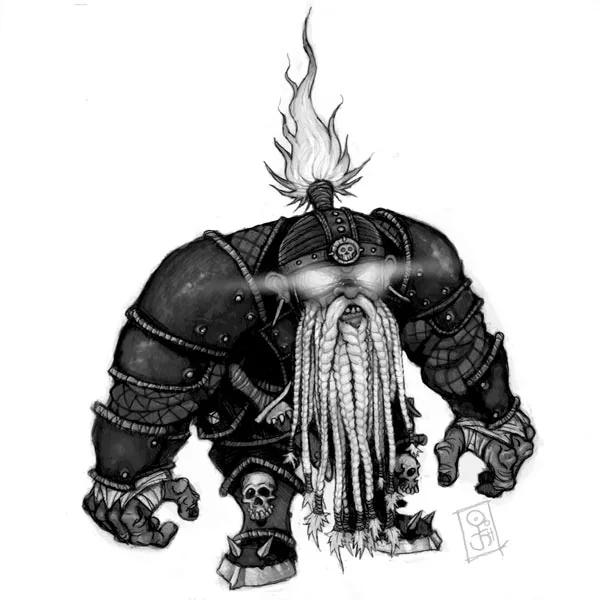
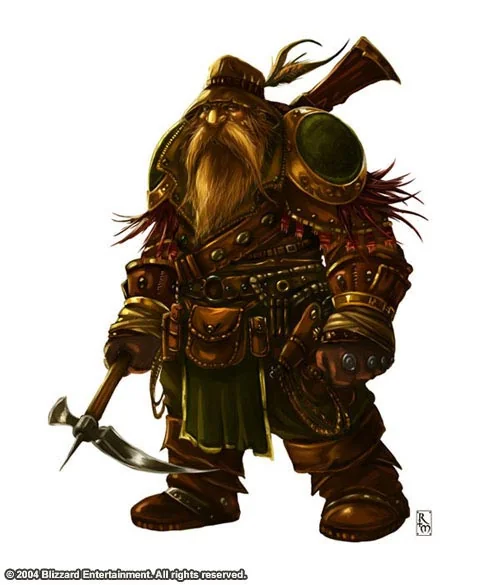
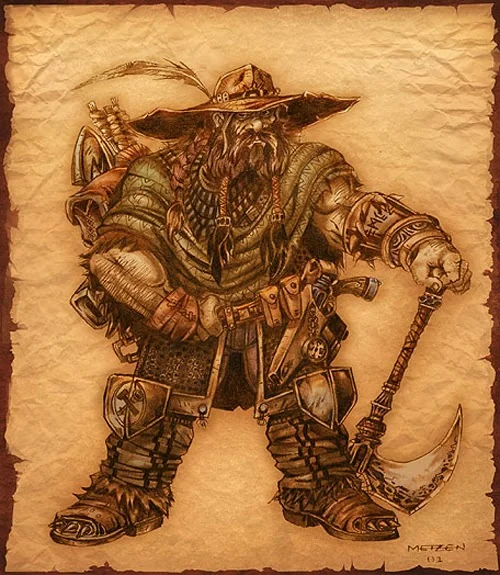
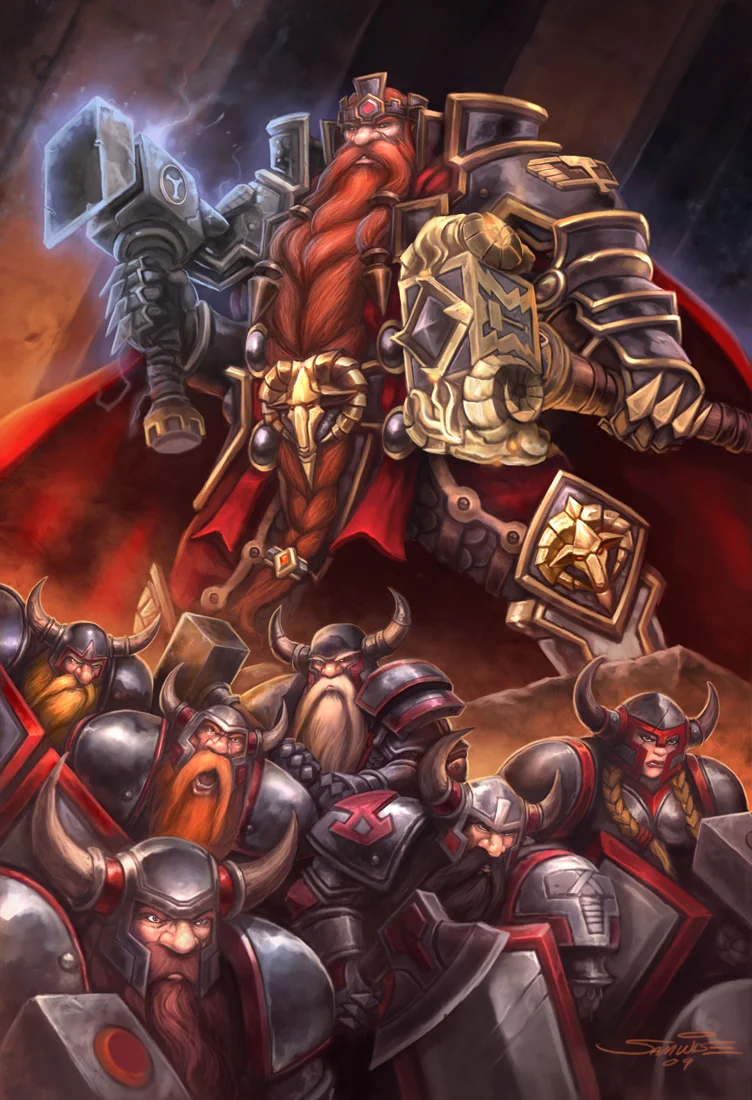
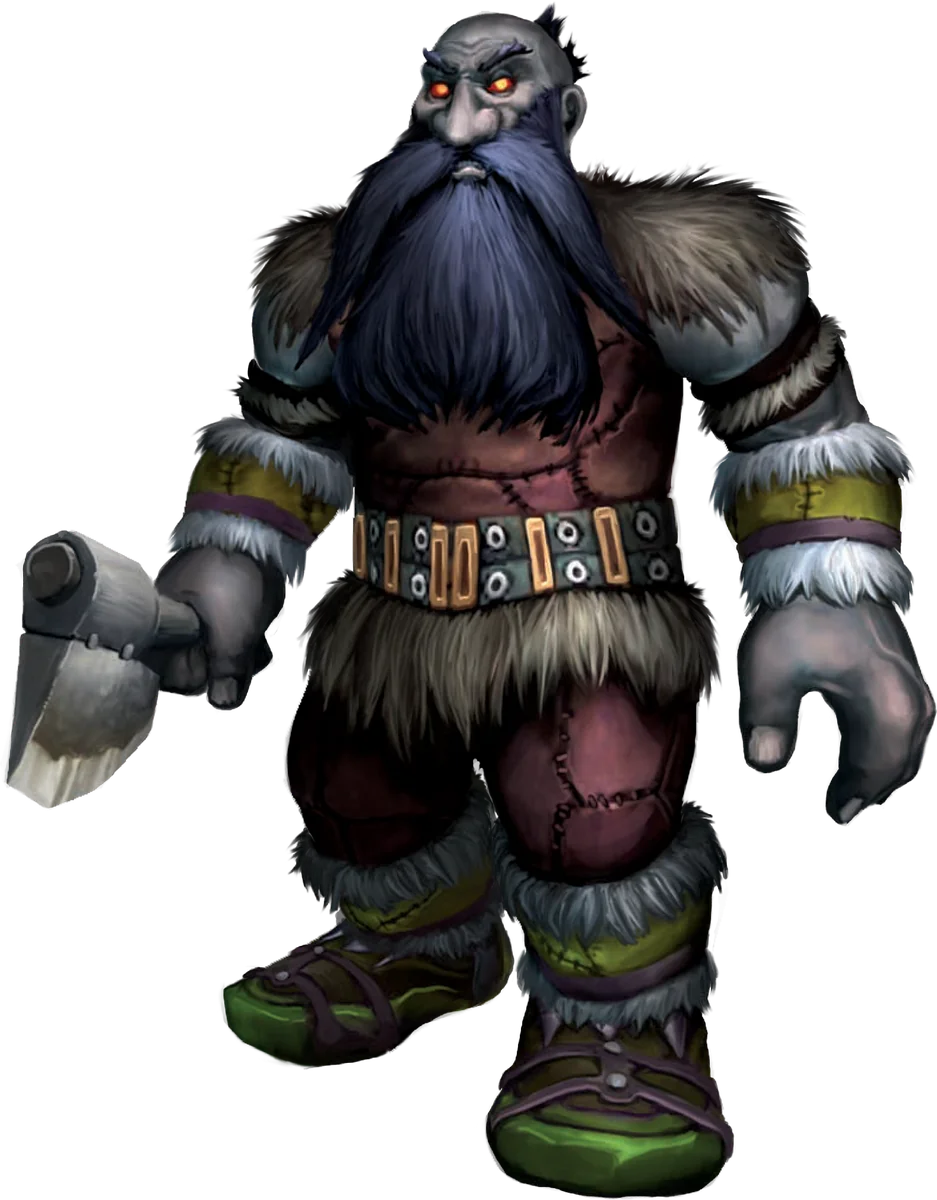
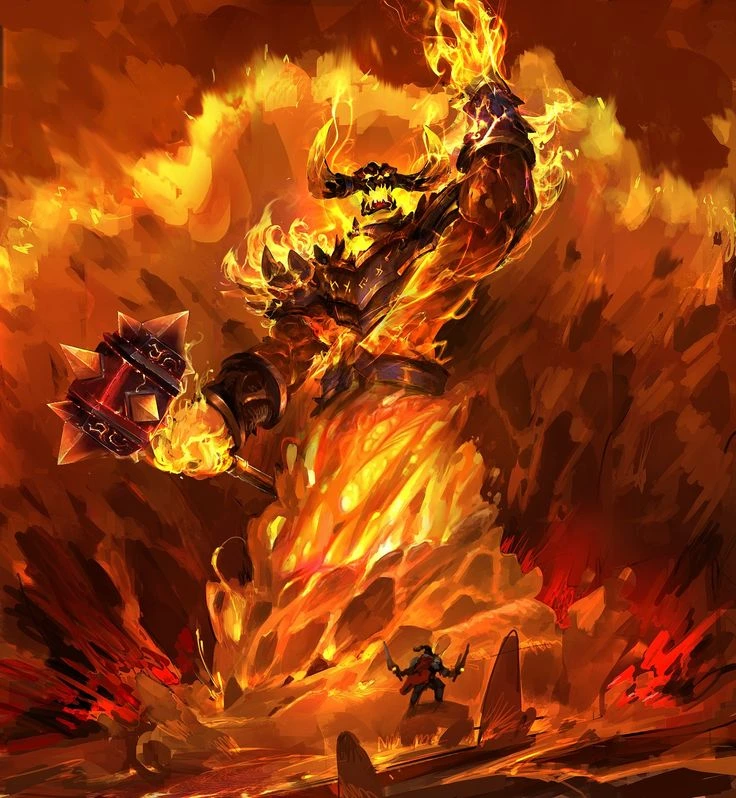
After the death of High King Modimus Anvilmar, the Bronzebeard, Wildhammer, and Dark Iron dwarf clans fought for supremacy. The war scattered their peoples, brought ruin to Grim Batol, and ended with Thaurissan summoning Ragnaros. The reshaping of Blackrock Mountain left a wound in Khaz Modan that survived into the original World of Warcraft.
Within the shattered Gurubashi legacy, worshippers of Hakkar the Soulflayer sought dangerous power that other trolls came to fear. The Atal'ai priesthood preserved that devotion despite opposition and retreat. Its survival in the Temple of Atal'Hakkar linked an ancient spiritual conflict to dangers still present in the original World of Warcraft.
Aegwynn chose the mage Nielas Aran to father Medivh, intending to pass the power of the Guardian to her son. She did not realize that the spirit of Sargeras had taken refuge within her. Medivh's inheritance placed immense magical strength and a hidden demonic influence in the same life, with consequences that reached the Dark Portal.
Before the rise of the Horde, the orcs of Draenor belonged to independent clans sustained by shamanic traditions, ancestral ties, and local customs. Their gatherings at Kosh'harg allowed contact across clan divisions. The corruption that followed Gul'dan's rise disrupted that world and helped transform clan warriors into an invading army.
The Kosh'harg festivals brought the orc clans of Draenor together for ceremony and fellowship despite their separate leadership. The gatherings reflected a common ancestral and shamanic tradition before the Horde's corruption. Their memory later offered a contrast to the coercive unity imposed by warlocks and demon blood.
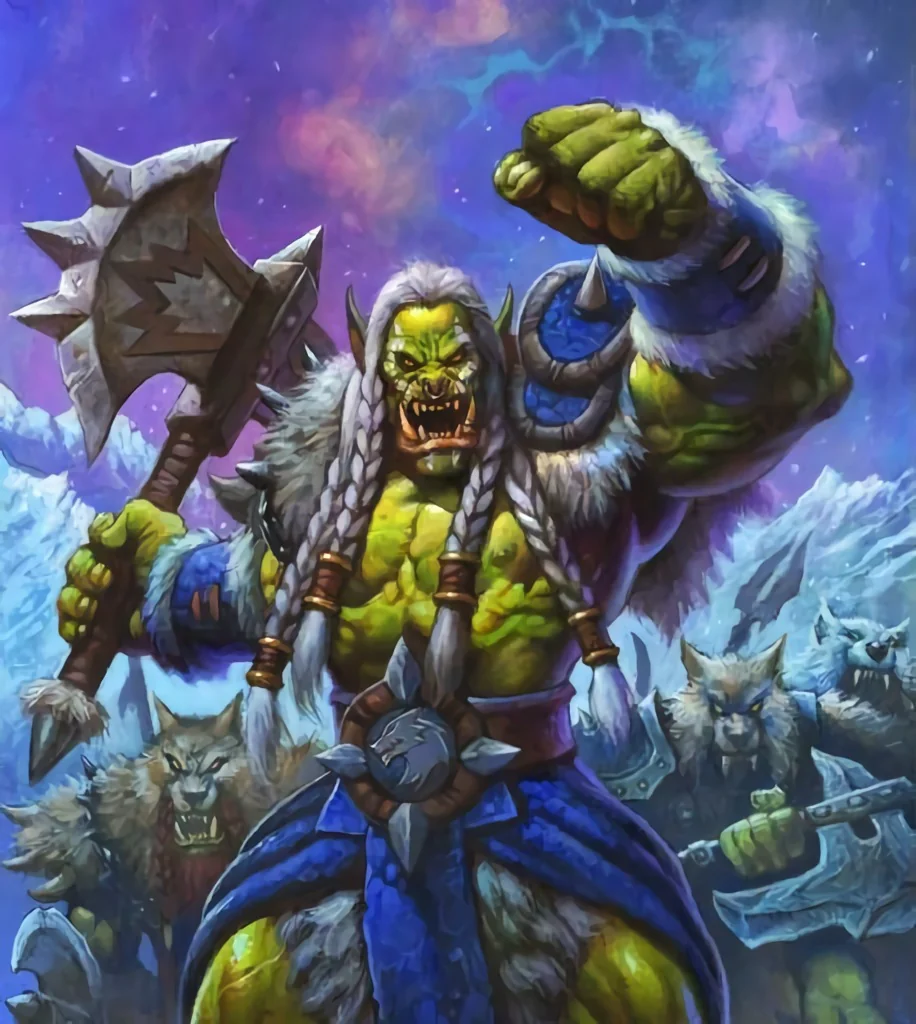
Durotan of the Frostwolf clan and Orgrim Doomhammer of the Blackrock clan formed a friendship before the Horde's great wars. Their bond crossed the divisions of orcish clan society and endured as the old shamanic order was undermined. The contrast between their later paths reveals how deeply demonic corruption divided the orcs.
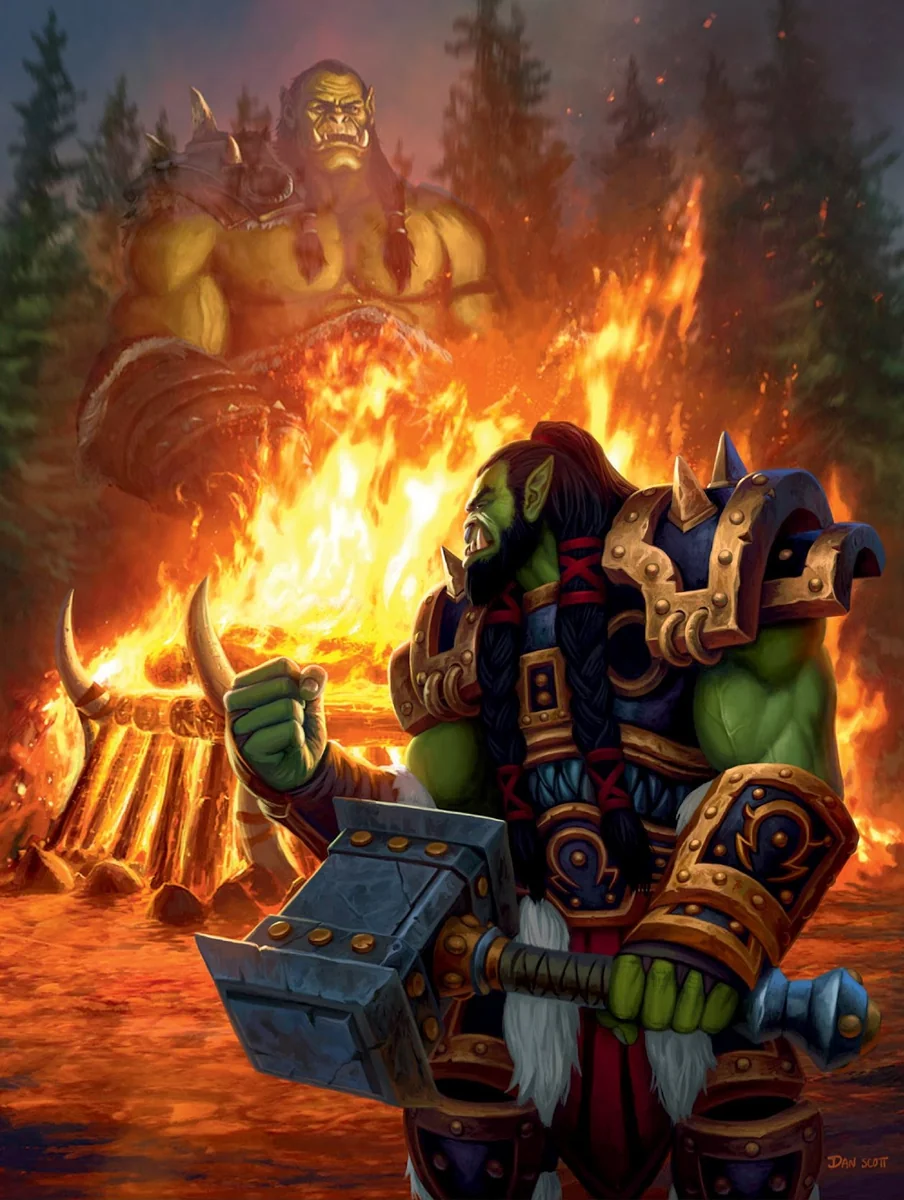
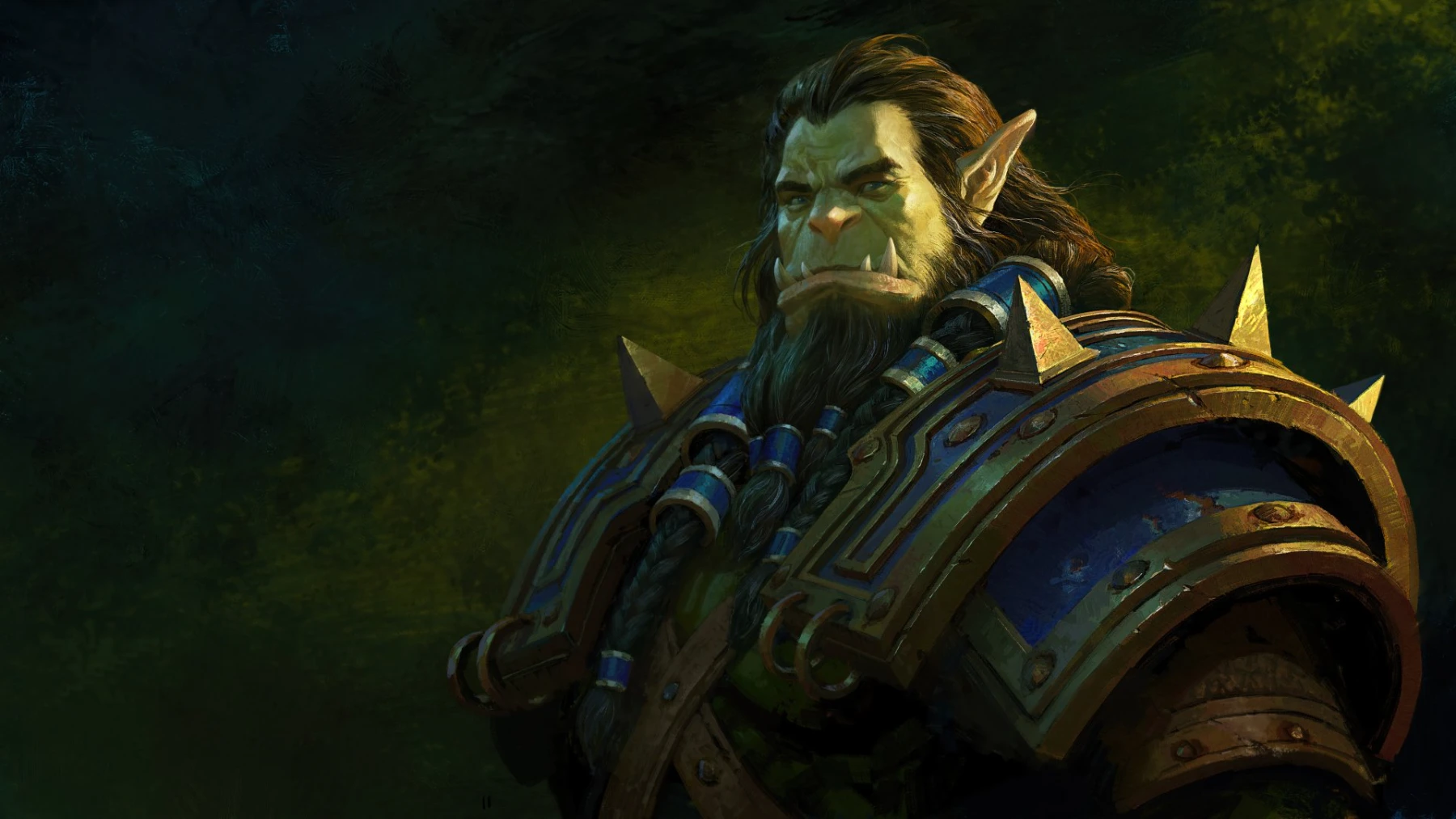
Durotan and Draka became partners among the Frostwolf orcs before their clan's exile from the Horde. Their union brought into the world the child later known as Thrall. The parents' rejection of demonic corruption and their deaths made their son both the survivor of a destroyed family and the eventual restorer of an orcish tradition.
Kil'jaeden used the shaman Ner'zhul as an instrument in the Burning Legion's plan to turn Draenor's orcs into an army. Religious authority and fear were redirected toward hostility and conquest, preparing the way for Gul'dan's warlocks. The manipulation reshaped the clans long before the Dark Portal brought them to Azeroth.
Ner'zhul, the Shadowmoon shaman drawn into Kil'jaeden's designs, began to recognize that the spiritual guidance given to the orcs was deceptive. His doubts came as Gul'dan embraced the demonic power driving the clans toward war. The break between master and apprentice helped place the future Horde in the hands of warlocks.
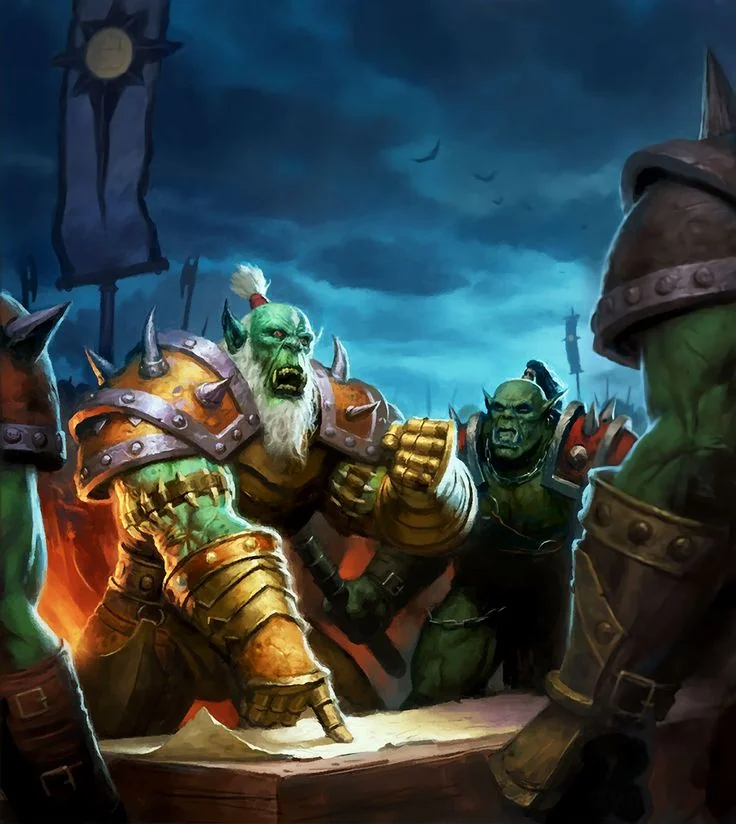
Gul'dan gathered warlocks into the secret Shadow Council, giving them power over the orcish Horde without making them its visible rulers. Blackhand served as warchief while hidden advisers shaped the clans' strategy and corruption. This divided command helped drive the Horde toward the Dark Portal and into war with Azeroth.
Blackhand rose as the public warchief of the first great Horde, commanding warriors from many clans. His appointment gave the growing war machine a single visible authority while Gul'dan's Shadow Council operated behind it. Orgrim Doomhammer eventually overthrew him as the Horde's internal power struggles intensified.
Durotan warned that Gul'dan's influence and the growing thirst for war were destroying the older values of the orcish clans. The Frostwolf chieftain refused the corruption embraced by much of the Horde. His opposition led to exile and ultimately to his murder, but his example survived through his son Thrall.
The old Horde’s transformation into a demonic army reached a decisive moment when clan leaders drank the blood of Mannoroth. The blood promised overwhelming power, but it also bound its drinkers to the Burning Legion’s influence. Gul’dan helped bring the orcs to that choice while Durotan of the Frostwolves refused it. The oath’s consequences followed the Horde into its wars on Azeroth and became the curse that Thrall’s generation would struggle to break.
Durotan refused the blood of Mannoroth when much of the Horde's leadership accepted the demonic oath. His decision spared the Frostwolves from willingly entering the bargain that bound other clans to the Legion. It also marked them as enemies of the dominant warlock leadership and led toward their exile.
The corrupted Horde attacked Draenor's draenei inhabitants as Gul'dan's war machine expanded. In the original account, those campaigns helped turn the orcish clans from rival societies into a conquering force. The violence preceded the opening of the Dark Portal and the extension of the Horde's wars into Azeroth.
The Horde's wars and internal corruption brought Draenor into crisis, even as the clans grew more united under warlock influence. Gul'dan and the Horde's leadership sought new enemies and resources beyond their homeworld. The search led toward Medivh and the gateway that would carry the orcs into Azeroth.
Medivh, the corrupted Guardian of Azeroth, entered into contact with Gul'dan, the warlock directing the Horde through his Shadow Council. Their dealings created the conditions for a gateway between Azeroth and Draenor. The agreement joined two histories of demonic manipulation and brought the orcish armies to Stormwind's world.
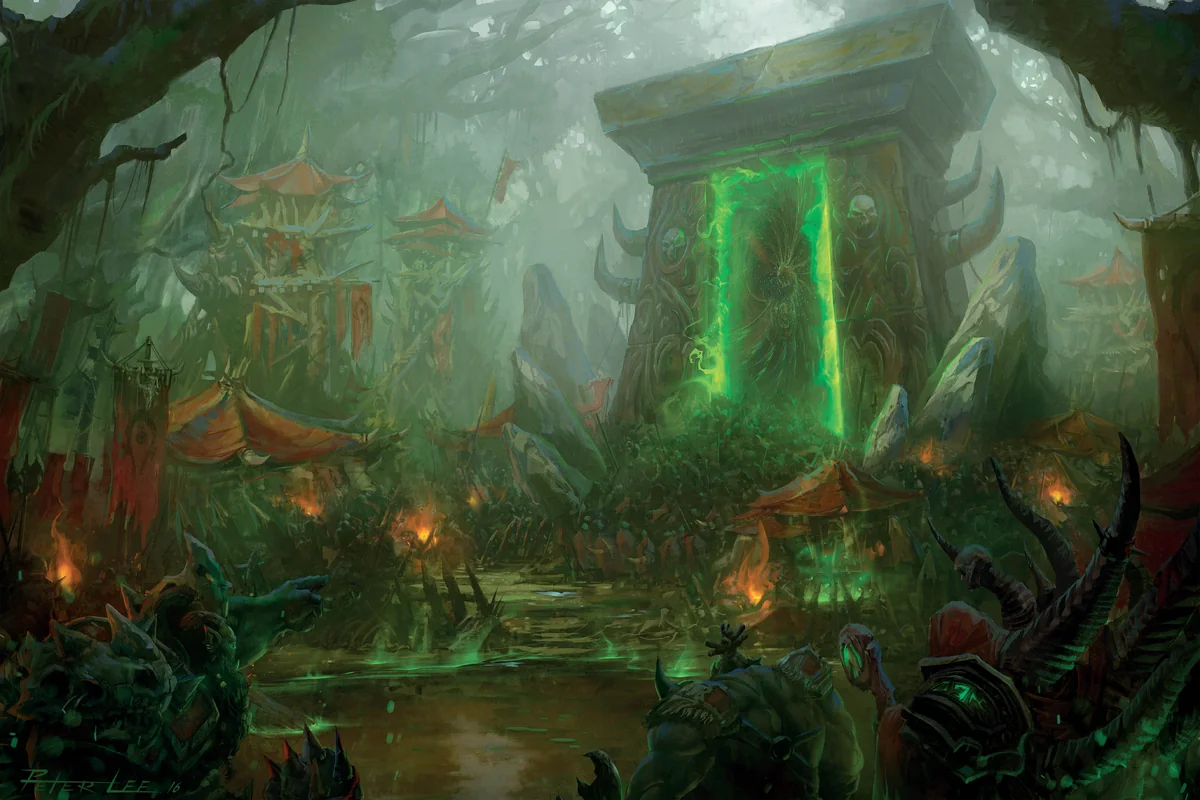
The Dark Portal opened between Draenor and Azeroth, allowing the Horde to emerge in the Black Morass. Orc reconnaissance and raids escalated into war against King Llane's kingdom of Stormwind. The invasion turned a remote human frontier into the beginning of an international conflict that would engulf the Eastern Kingdoms.
The Frostwolf clan was cast out of the Horde after Durotan resisted its corruption. Exiled from the centers of orcish power, the clan eventually took refuge among the Alterac Mountains of Azeroth. Its survival preserved shamanic traditions that would later help Thrall rebuild the Horde.
The son of Durotan and Draka survived the murder of his parents and was discovered by the human officer Aedelas Blackmoore. Raised in captivity under the name Thrall, he grew up separated from the Frostwolf traditions his parents had defended. His eventual escape would carry him from bondage to leadership of the New Horde.
Khadgar and Garona uncovered signs that Medivh, Azeroth's Guardian, was involved in the opening of the Dark Portal. Their investigation exposed a danger far greater than the orc raids troubling Stormwind. The discovery brought the Guardian's allies to the realization that stopping the invasion required confronting the man entrusted with defending the world.
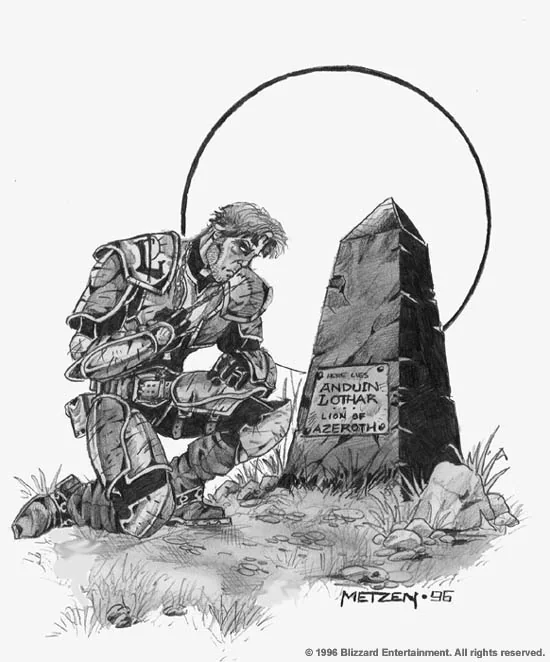
Medivh's corruption was confronted at Karazhan by Khadgar, Garona, and Anduin Lothar. The death of the Last Guardian ended his immediate role in the conspiracy that opened the Dark Portal. It could not close the war that his actions had already brought upon Stormwind and the wider Eastern Kingdoms.
Orgrim Doomhammer killed Blackhand and seized command of the Horde after the first warchief's leadership came under challenge. The change weakened the influence of Gul'dan's hidden council but did not end the invasion of Azeroth. Orgrim would lead the Horde through much of the Second War before his eventual defeat and captivity.
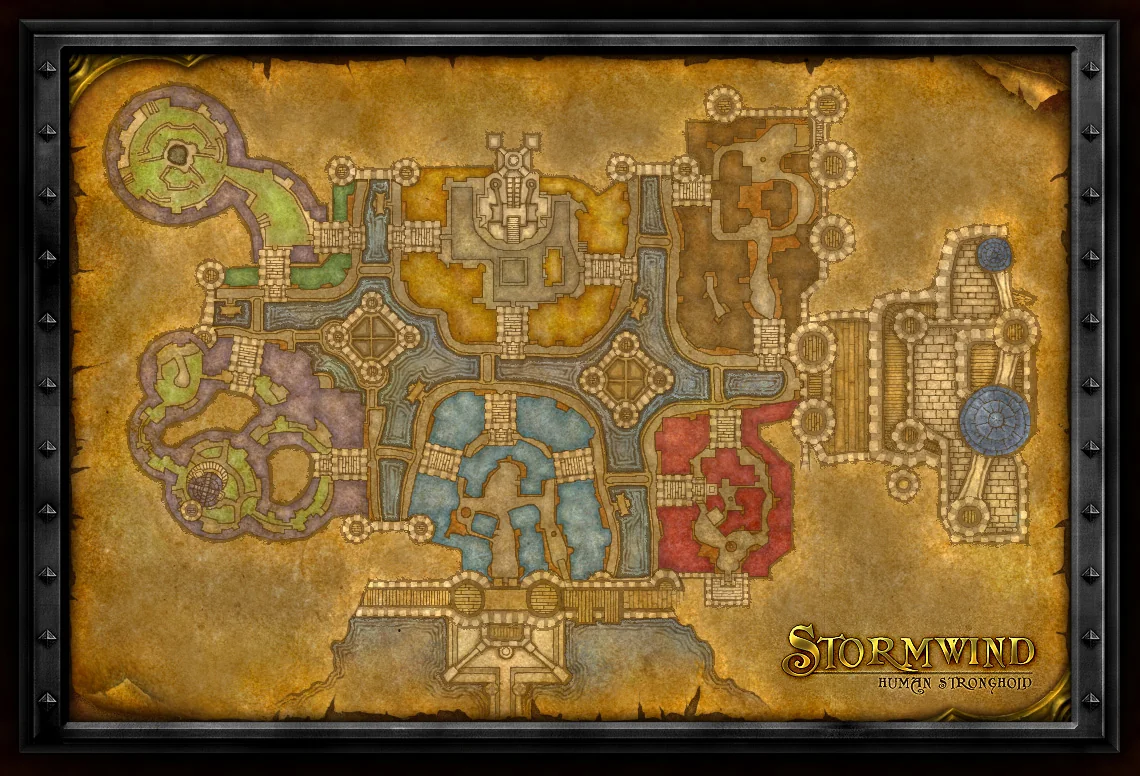
King Llane Wrynn was assassinated by Garona as the Horde's assault on Stormwind reached its crisis. His death struck the kingdom at the moment when it most needed unified resistance. The fall of the capital soon forced Anduin Lothar to lead survivors north to Lordaeron.
The fall of Stormwind ended the kingdom’s resistance to the first great orcish invasion of Azeroth. King Llane was assassinated, and the city could no longer withstand the Horde’s armies. Anduin Lothar gathered survivors and led them north to Lordaeron, carrying news of a danger greater than any one human kingdom. Their flight set the stage for the Alliance that would confront the Horde in the Second War.
The fall of Stormwind convinced the northern human kingdoms that the Horde threatened far more than one southern realm. King Terenas of Lordaeron joined with other rulers and allied peoples to form a coalition against the orcs. Under Anduin Lothar, the Alliance of Lordaeron became the principal defender of the Eastern Kingdoms during the Second War.
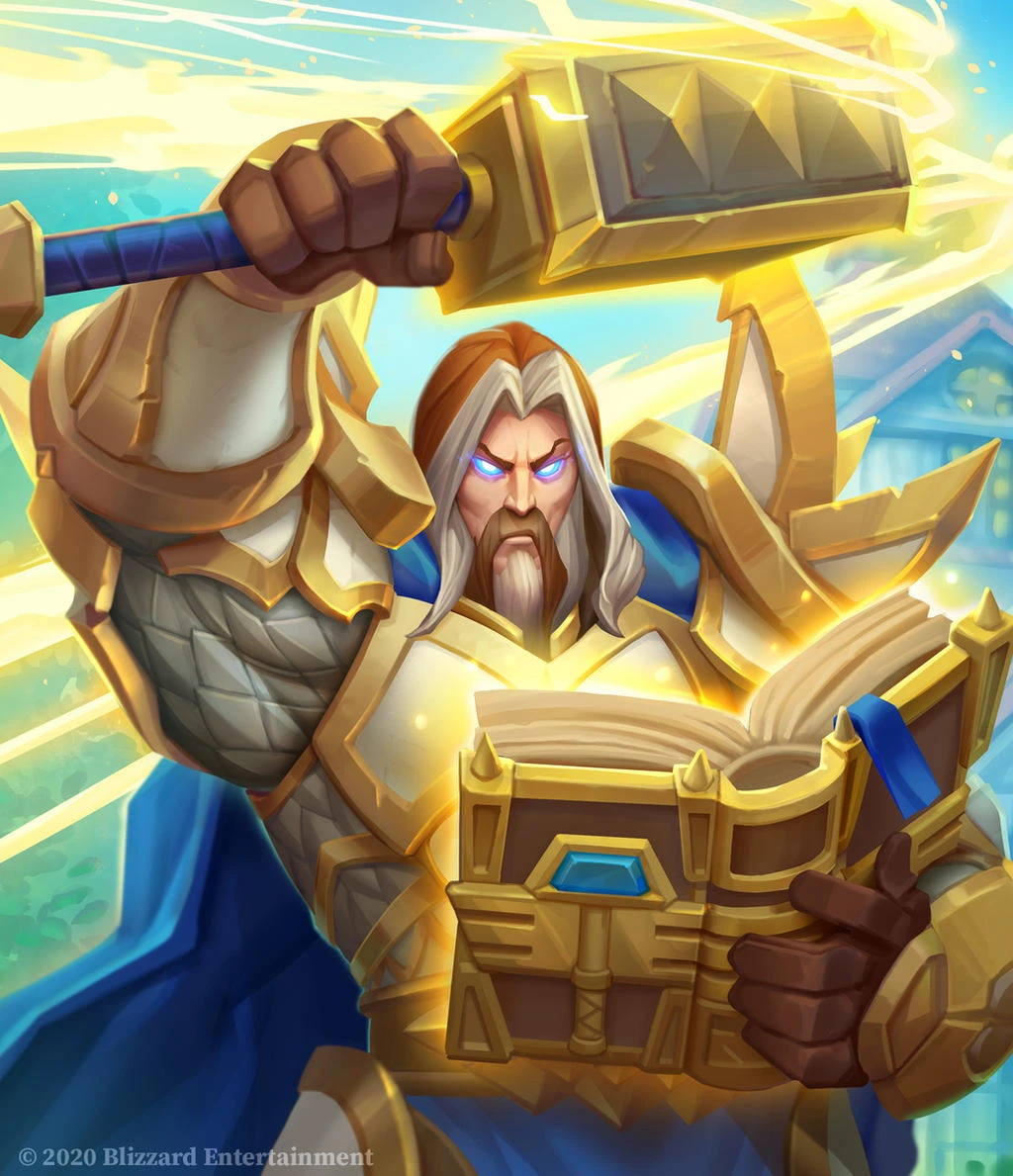
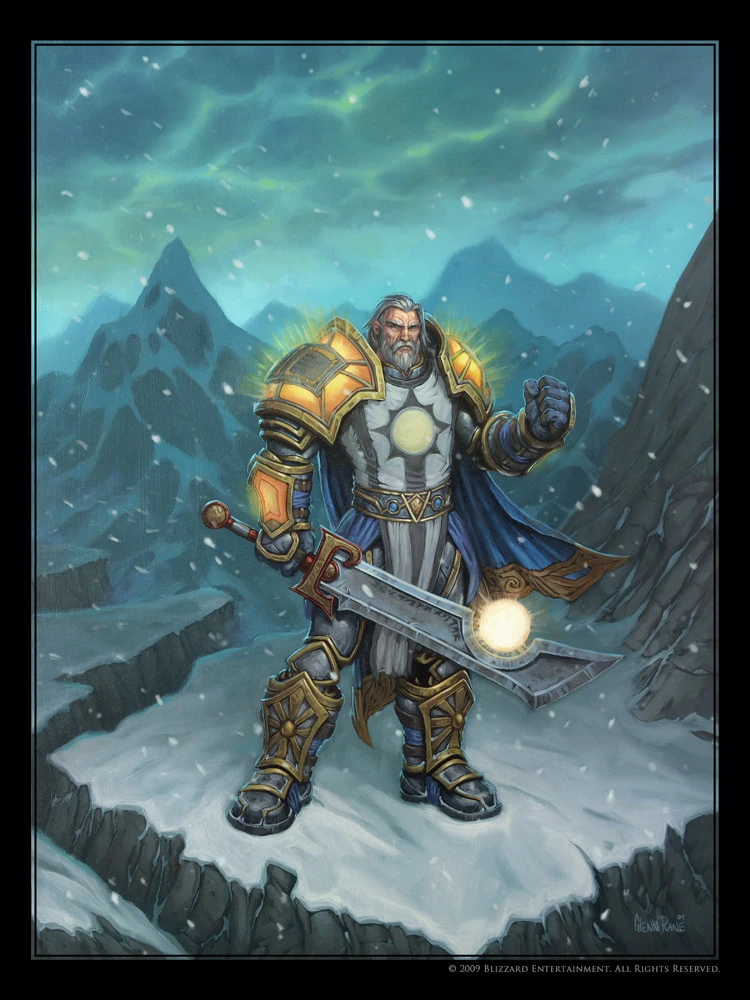
The devastation of the First War led Archbishop Alonsus Faol to support a new order of holy warriors. Uther became one of the early paladins of the Silver Hand, uniting martial service with the power of the Light. The order fought in the Second War and later faced its greatest ordeal when Lordaeron began to fall to the Scourge.
After Stormwind fell, the Horde pushed north into Khaz Modan, threatening the lands of dwarves and gnomes. Ironforge's defenders resisted the invasion while the orcs gained positions that allowed them to continue toward Lordaeron. The campaign brought the mountain peoples into the growing struggle that produced the Alliance of Lordaeron.
The Dragonmaw clan captured the red dragonqueen Alexstrasza and used the Demon Soul to keep her under their control. Her dragonflight was forced into the Horde's war effort, turning Azeroth's ancient guardians into military captives. The enslavement lasted beyond the Second War until a later expedition at Grim Batol secured her freedom.
Forest trolls pursue their ancient struggle against Quel’Thalas with orcish assistance. It forms part of the historical narrative “The Amani's Last Great Alliance.” The same history also records horde attacks quel’thalas. The partnership was one of convenience rather than lasting cultural unity.
The Horde's advance into Quel'Thalas during the Second War brought devastation to high-elven lands, with Zul'jin's forest trolls taking part in the assault. Silvermoon and the heart of the kingdom survived the attack. The campaign revived the ancient conflict between the Amani and the high elves while drawing it into the larger war against the Alliance.
Alterac broke with the Alliance of Lordaeron during the Second War, secretly aiding the Horde in hopes of preserving itself. The betrayal threatened the military coalition at a critical moment. It demonstrated that the human kingdoms' fear of conquest could produce collaboration as readily as unity.
Gul'dan abandoned Orgrim Doomhammer's Horde during the Second War to search for the Tomb of Sargeras. He drew valuable forces away from the campaign at a moment when the Alliance was fighting for survival. The desertion revealed that the warlock's pursuit of personal power had never been identical to the Horde's military cause.
Gul'dan's search for power ended in the Tomb of Sargeras, where the demons he disturbed killed him and his expedition. The warlock had abandoned the Horde's Second War campaign to pursue the ancient site. His death closed the career of one of the figures most responsible for turning the orcish clans into the Legion's army.
Anduin Lothar, commander of the Alliance armies, fell in the campaign around Blackrock Mountain. His death threatened to break the morale of the coalition that had followed him since Stormwind's ruin. Turalyon rallied the surviving soldiers and pressed the attack, helping turn the battle toward the Horde's defeat.
Orgrim Doomhammer's capture marked the defeat of the Old Horde in the Second War. After years of conquest, the armies that had threatened the northern kingdoms could no longer sustain their campaign. The Alliance faced a new problem: what to do with the surviving orcs now held as prisoners in Azeroth.
After the Alliance defeated the Horde, Khadgar destroyed the original Dark Portal that linked Azeroth to Draenor. The action was intended to prevent another invasion through the gateway. It closed one immediate route between worlds without ending the dangers that remained on either side.
Following the Second War, the Alliance confined many surviving orcs in internment camps rather than destroying them or allowing them to roam freely. The prisoners became increasingly lethargic as the demonic power that had animated much of the Horde ebbed. Their captivity formed the setting in which Thrall would eventually seek to unite and free his people.
From Draenor, Ner'zhul sought powerful artifacts to open new passages beyond the Dark Portal. The Book of Medivh, the Eye of Dalaran, and the Scepter of Sargeras became objectives in a new conflict with the Alliance. The campaign for these objects prepared the catastrophe that would shatter Draenor.
Ner'zhul reopened the passage between Draenor and Azeroth after the Alliance's victory in the Second War. His followers crossed to obtain artifacts necessary for a plan to create new gateways. The return of the orcs brought the Alliance back into war and prompted the expedition that would become known as the Sons of Lothar.
An Alliance force crossed the Dark Portal to confront Ner'zhul's plans on Draenor. Turalyon, Khadgar, Alleria Windrunner, Kurdran Wildhammer, and Danath Trollbane became associated with the Sons of Lothar. Their campaign sought to protect Azeroth from new portals and ended with many expedition members stranded on the other side.
Ner'zhul's attempt to open numerous portals tore Draenor apart, leaving the shattered land later called the shattered remains of Draenor. The ritual destroyed the world that had been home to the orcish clans and many other peoples. Azeroth was spared a similar catastrophe only after Khadgar closed the connecting gateway.
The Sons of Lothar were cut off from Azeroth when Khadgar closed the Dark Portal during Draenor's destruction. The decision protected their homeland from the effects of Ner'zhul's catastrophic rituals. The expedition's surviving members remained beyond the gateway, becoming part of the unfinished history of the shattered remains of Draenor.
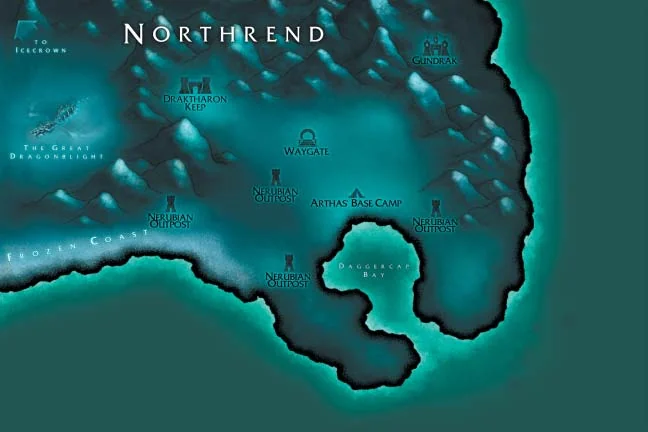
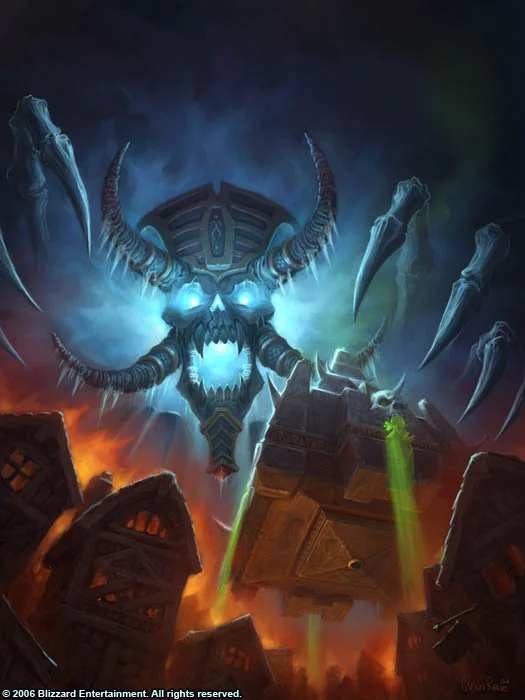
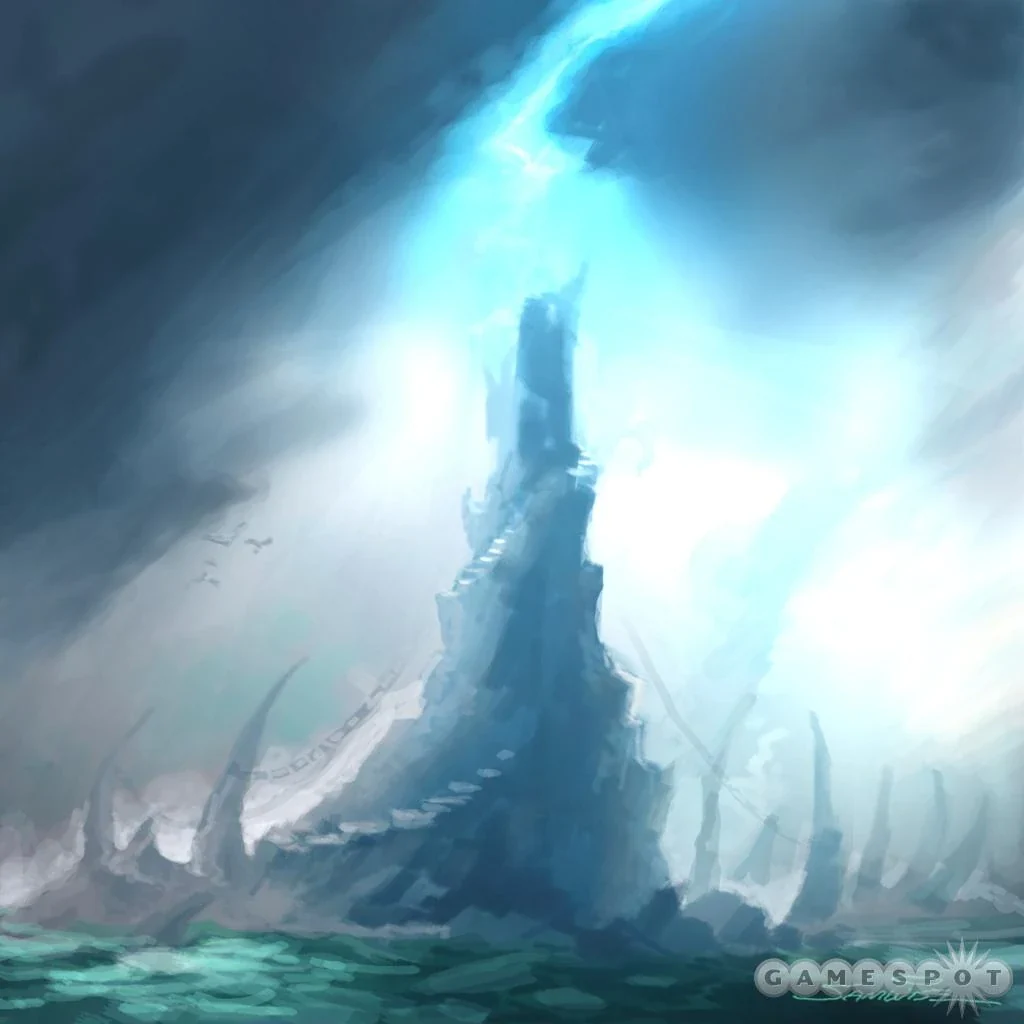
Kil'jaeden punished Ner'zhul after the disastrous portal campaign by transforming him into the Lich King. Bound to an icy prison in Northrend, the former orc shaman gained terrible necromantic power while remaining subject to demonic designs. His new role prepared the plague and Scourge that would destroy Lordaeron during the Third War.
From his prison in Northrend, the Lich King gathered an undead army and fought the nerubians of Azjol-Nerub. The resulting Scourge became a weapon intended to weaken Azeroth before the Burning Legion's return. Its influence later spread into Lordaeron through plague, necromancers, and the Cult of the Damned.
Alexstrasza remained enslaved in Grim Batol after the Second War, held by the Dragonmaw through the Demon Soul. Rhonin and his companions helped expose and break the dragons' captivity. The destruction of the artifact freed the red dragonqueen and ended the Horde's coercive control over her flight.
After the Horde's defeat, many captive orcs lost the fury that had once driven them into battle. Confined in Alliance internment camps, they became lethargic as demonic influence receded. Their despair formed part of the challenge Thrall faced when he began the work of liberating and reuniting his people.
Thrall escaped his human captor Aedelas Blackmoore and began searching for his orcish heritage. He encountered Grom Hellscream and the Warsong clan, then discovered the Frostwolves and the story of his parents. The journey changed him from an enslaved gladiator into a leader determined to free the orcs from captivity and demonic control.
Thrall led a campaign to free orcs from Alliance internment camps and unite them under new leadership. With aid from Grom Hellscream and Orgrim Doomhammer, he challenged the system that had defined his people's life since the Second War. The liberation became the foundation of the New Horde.
Orgrim Doomhammer died while fighting alongside Thrall in the campaign to liberate the orc internment camps. The former warchief's final service helped unite warriors seeking freedom from human captivity. Thrall inherited his leadership and the task of rebuilding a Horde no longer defined by the Legion's corruption.
Kel'Thuzad answered the Lich King's call and organized the Cult of the Damned in Lordaeron. The cult gave Ner'zhul a foothold among the living, preparing the spread of plague through towns and villages. Its work transformed a distant undead menace in Northrend into a crisis at the heart of a human kingdom.
Tirion Fordring's encounter with the orc Eitrigg tested the boundary between loyalty to the Alliance and the honor he believed a paladin should defend. Their bond grew despite the hostility left by the wars between humans and orcs. The episode reveals a moral conflict that helped shape the meaning of the Silver Hand beyond a single battlefield.
The Alliance of Lordaeron began to lose unity after its victory in the Second War. Member kingdoms questioned the costs of cooperation, the treatment of captured orcs, and the continuing obligations of the coalition. Its weakening left the northern human world less united when the plague and the Scourge later struck.
Medivh returned in the guise of a prophet to warn Azeroth's leaders that a greater danger was coming. His appeals urged Thrall and Jaina Proudmoore to lead their people west to Kalimdor. The warnings helped bring former enemies to the continent where they would confront the Burning Legion together.
A plague spread through Lordaeron as the Cult of the Damned prepared the Scourge's assault. Infected grain and other channels carried undeath into settled communities, turning victims into enemies of the living. The disaster destroyed trust within the kingdom even before Arthas returned as a death knight.
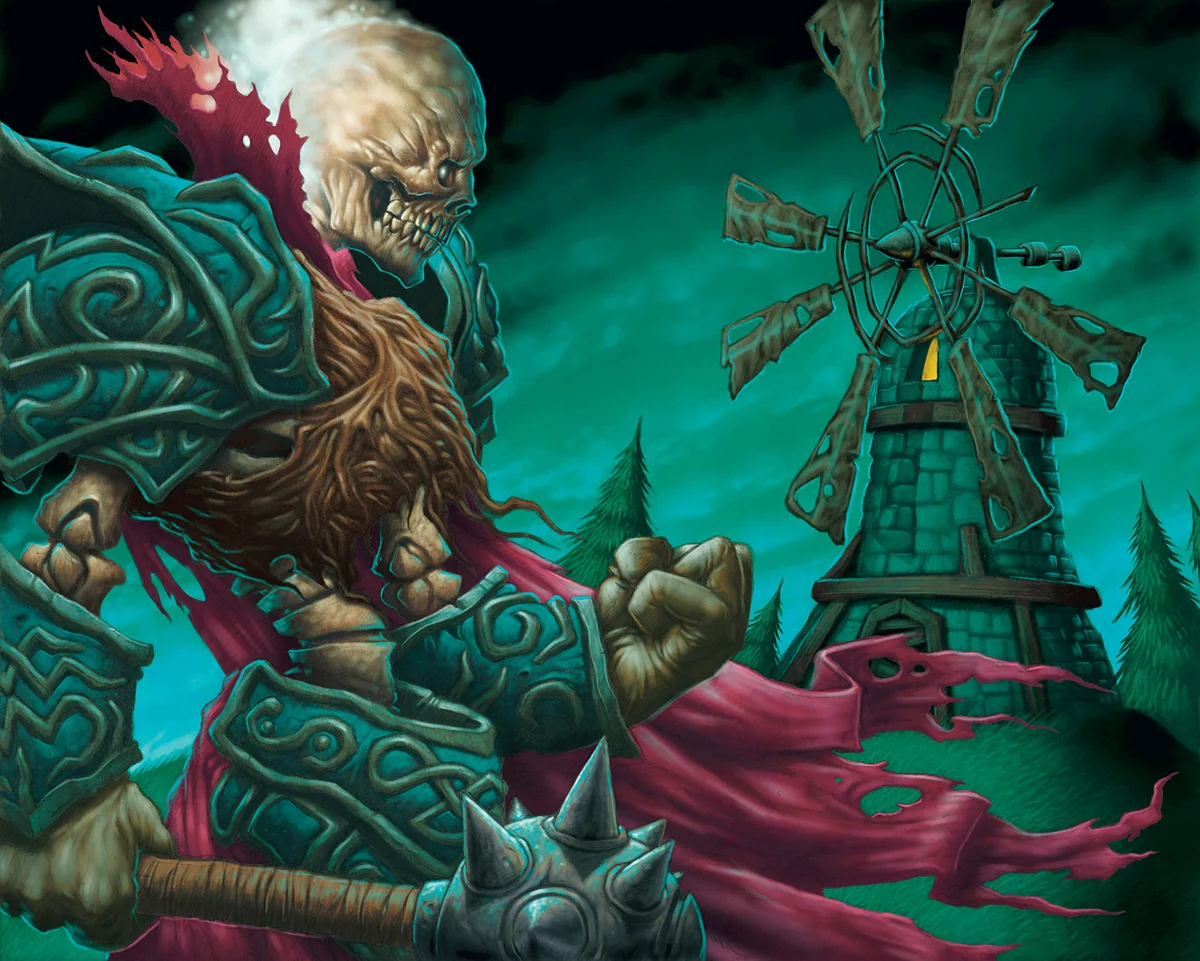
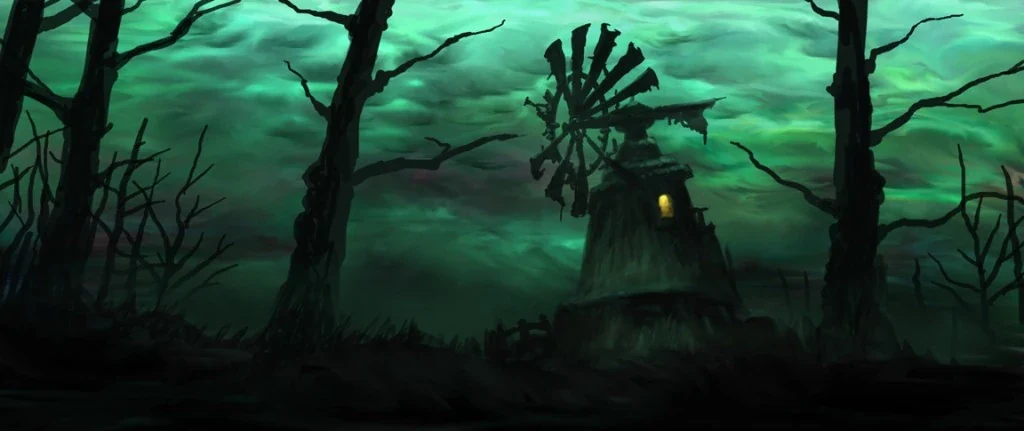
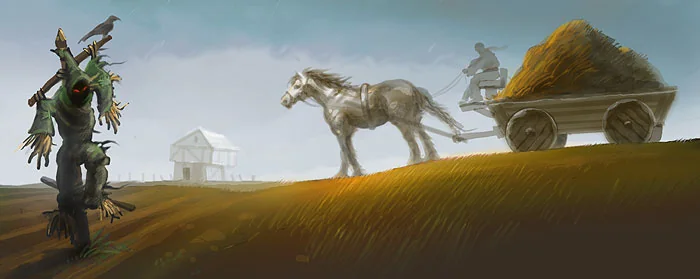
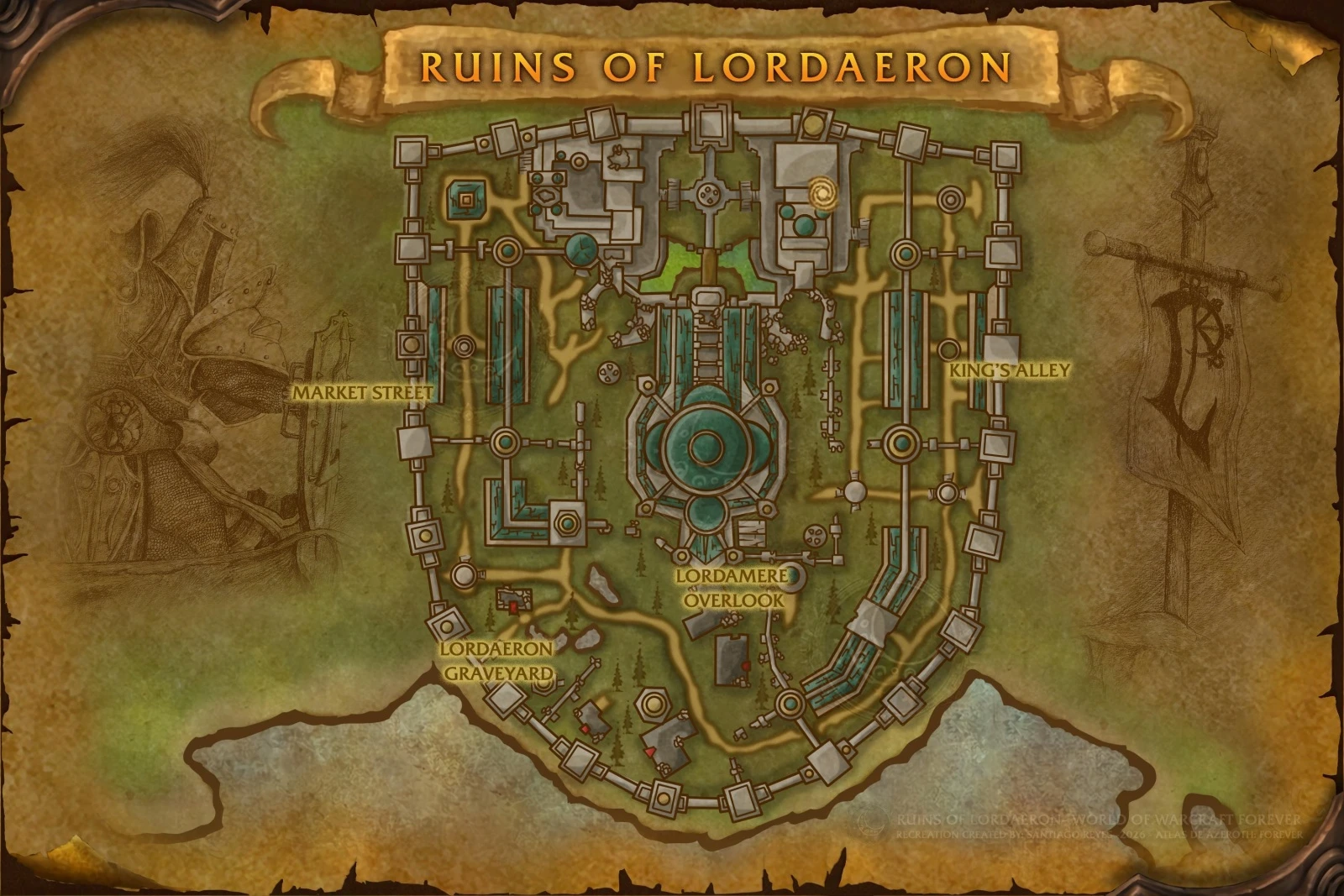
The Agamand family attempted to defend its mills against the Scourge during Lordaeron's collapse, but the place fell and its defenders became undead. Mills were part of the settled landscape that the Scourge overturned when the plague spread through Lordaeron. Farthing's quest concerns the remains of specific Agamand family members, giving players a glimpse of how former citizens now confront the undead who once were their neighbors.
Prince Arthas pursued Kel'Thuzad as the necromancer's cult spread undeath through Lordaeron. He killed the mage, believing the act could end the plague's advance. The victory proved incomplete: the Cult of the Damned remained active and the Lich King's greater plans continued to draw Arthas toward ruin.
At Stratholme, Prince Arthas ordered the killing of townspeople he believed were infected with the undead plague. Uther the Lightbringer and Jaina Proudmoore refused to take part. The decision marked a disastrous break between Arthas's duty to defend Lordaeron and the ruthless course that would lead him to Frostmourne.
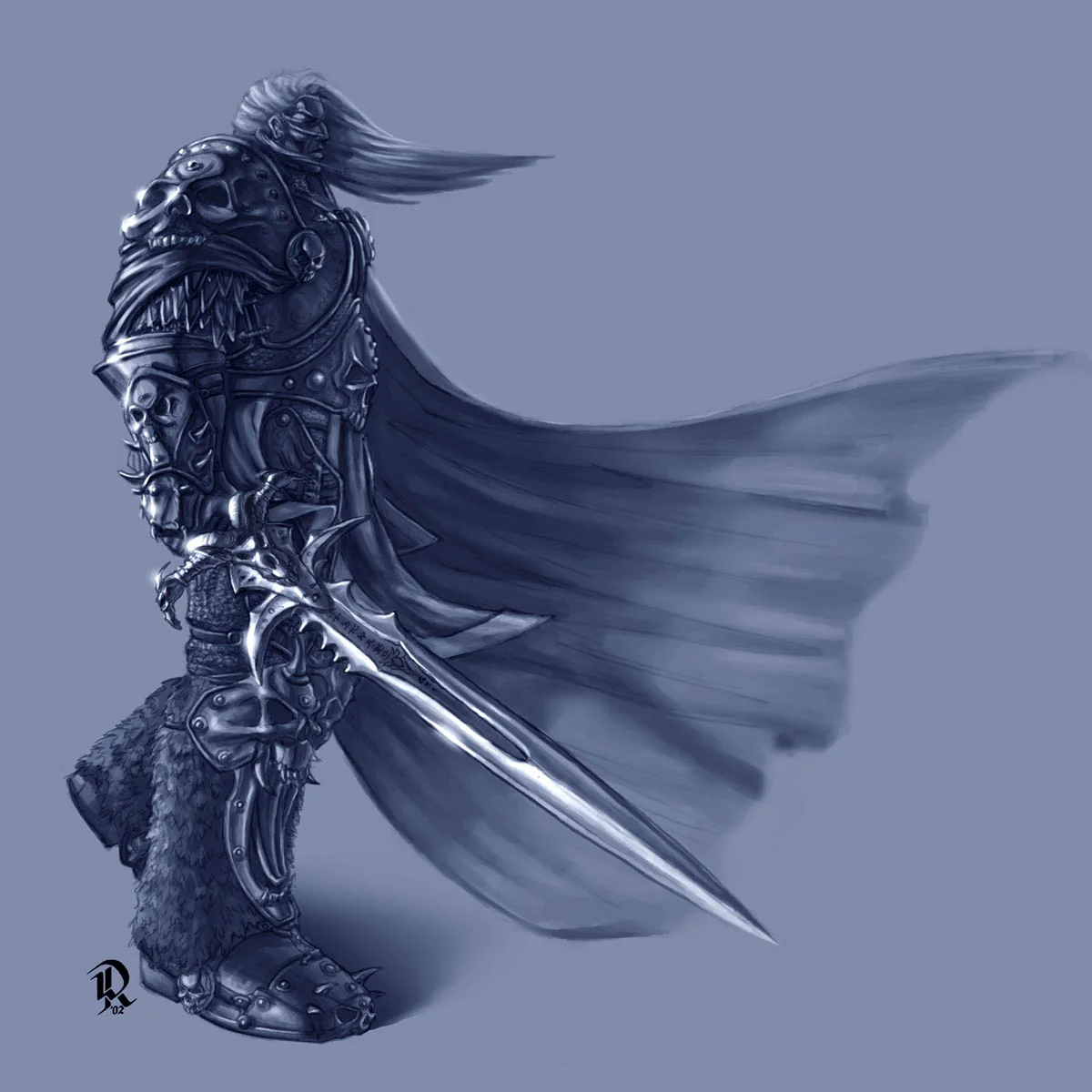
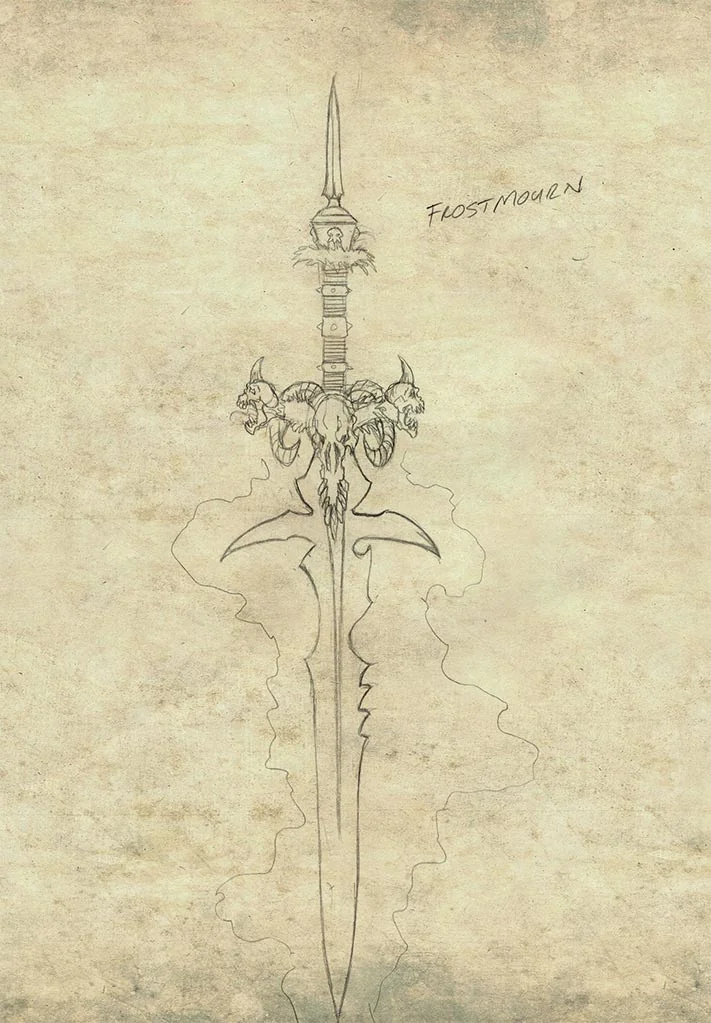
Arthas pursued Mal'Ganis to Northrend and claimed the cursed sword Frostmourne in his determination to avenge Lordaeron. He ignored warnings and accepted a weapon that brought him under the Lich King's influence. The act completed a decisive stage of his fall from paladin prince to the enemy of his own kingdom.
Arthas returned from Northrend as a death knight and murdered his father, King Terenas Menethil II. The act struck at the heart of Lordaeron's monarchy as the Scourge prepared to overwhelm the kingdom. The prince who had been sent to defend his people became the agent of their greatest catastrophe.
Arthas brought Kel'Thuzad's remains to the Sunwell in Quel'Thalas and used its power to restore the necromancer as a lich. The ritual required the Scourge to break through the defenses of the high-elven kingdom. It transformed a sacred source of magic into the instrument of a new disaster for the living.
Arthas's invasion devastated Silvermoon and the kingdom of Quel'Thalas during the Third War. Sylvanas Windrunner fought to stop the Scourge but was killed and raised into undead servitude. The fall of the kingdom shattered the high elves' old world and prepared the emergence of the blood elves and the Forsaken.
The Scourge’s march through Quel’Thalas and Lordaeron culminated in a ritual at Dalaran that brought Archimonde into Azeroth. Arthas and Kel’Thuzad overcame the city’s magical defenders and completed the summoning on behalf of the Burning Legion. Archimonde’s destruction of Dalaran made plain that the Scourge had been preparing the way for a still greater enemy. The war then turned toward Kalimdor and the World Tree at Mount Hyjal.
Thrall followed Medivh's warning and led his followers west from the Eastern Kingdoms toward Kalimdor. The voyage carried a newly liberated Horde away from the lands of its earlier conquest. On the distant continent, the orcs would meet the Darkspear trolls, the tauren, and the night elves before joining the defense against the Burning Legion.
The Darkspear are a jungle-troll people whose later history was shaped by displacement, Sen’jin’s leadership, and an alliance with Thrall. They belong to the greater Gurubashi-descended world but did not follow every policy of the old jungle empire. After leaving Stranglethorn they struggled for a home and settled near the new Horde in Kalimdor. Their distinct political identity emerged long after Tyr, Kith’ix, and the earliest empires.
When Thrall's Horde reached Kalimdor, it encountered Cairne Bloodhoof and tauren under threat from centaur raiders. The orcs aided the tauren, and Cairne offered friendship and guidance in return. Their alliance helped the tauren secure a homeland and shaped the multi-racial Horde that emerged after the Third War.
The Warsong clan again accepted Mannoroth's blood during the Third War, surrendering to the corruption from which Thrall hoped to free the orcs. Under its influence, Grom Hellscream's warriors slew the demigod Cenarius in Ashenvale. Their victory carried a terrible cost and forced a confrontation with the demon who had bound the Horde long before.
Grom Hellscream faced Mannoroth and killed the demon whose blood had cursed much of the orcish Horde. Thrall fought beside him in the attempt to end the corruption. Grom died during the confrontation, but his final act freed the orcs from the curse that had shaped their wars for generations.
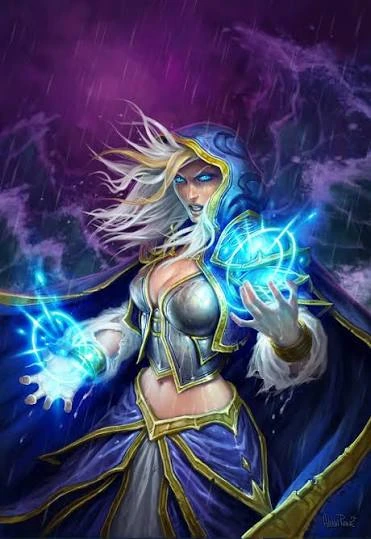
Jaina Proudmoore guided human refugees west to Kalimdor as Lordaeron fell to plague and the Scourge. The survivors sought safety far from their ruined homeland and eventually established Theramore. Jaina's leadership brought humans into the alliance that stopped Archimonde at Mount Hyjal and later into a fragile peace with Thrall's Horde.
As the Burning Legion returned to Kalimdor, Tyrande Whisperwind awakened Malfurion Stormrage and released Illidan from his long imprisonment. The night elves needed every defender they could rally, yet Illidan's freedom revived old divisions over magic and duty. The choices prepared both the defense of Mount Hyjal and the conflict that would follow among the Stormrage brothers.
Illidan Stormrage took the Skull of Gul'dan and used its demonic power to defeat Tichondrius during the Third War. The victory weakened the Burning Legion's campaign but transformed Illidan himself. Malfurion cast him out, renewing the estrangement that had begun with his imprisonment after the Sundering.
The Burning Legion’s advance toward Nordrassil forced enemies and strangers to fight together at Mount Hyjal. Human, orcish, and night-elven defenders held successive positions while Archimonde moved toward the World Tree. Their resistance bought Malfurion Stormrage the time needed to summon the wisps against the demon lord. Archimonde was destroyed, but the victory damaged the ancient order sustained around Nordrassil and ended the night elves’ former immortality.
After the defeat of Archimonde, Illidan joined forces with Lady Vashj and the naga to pursue a new mission involving the Frozen Throne. He used the Eye of Sargeras in an attempt to strike at the Lich King from afar. His campaign drew Maiev, Malfurion, and Tyrande into another struggle among former defenders of Kalimdor.
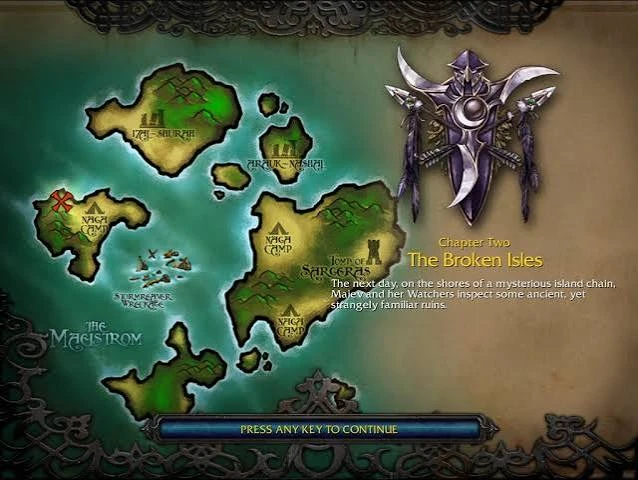
Maiev Shadowsong pursued Illidan after his escape from the night elves, crossing the sea to the Broken Isles and beyond. The Warden's hunt brought her into conflict with the naga and exposed the danger of Illidan's plans for the Eye of Sargeras. Her mission continued even as the struggle broadened from justice for an escaped prisoner into a contest involving the Lich King.
After the Scourge devastated Quel'Thalas, Prince Kael'thas named the surviving high elves the blood elves in memory of their dead. Kael returned to a shattered homeland and gathered followers whose old identity no longer seemed to express what had happened to them. The blood elves' origin therefore lies before their later travels through the shattered remains of Draenor.
Sylvanas Windrunner and a growing group of undead escaped the Scourge's control as the Lich King's influence weakened. The survivors still inhabited the ruined kingdom where many had died and faced enemies who saw no distinction between them and the Scourge. The Forsaken eventually occupied the Undercity beneath the ruins of Lordaeron and sought allies beyond their isolated territory.
Freed from the Lich King's control, Sylvanas tried to take revenge on Arthas as he passed through Tirisfal Glades. Her ambush showed that the banshee queen had begun acting on her own rather than serving the Scourge. Arthas escaped, leaving Sylvanas to pursue independence and power by other means.
Sylvanas consolidated her position in Lordaeron by turning against the dreadlords and then Garithos's human forces. The dreadlords had competed to control the undead left behind as Arthas's power weakened. The result was the foundation of Forsaken rule beneath the ruins of Lordaeron.
Arthas sailed back to Northrend after the Lich King called him to defend the Frozen Throne. Arthas had once crossed Northrend as a human prince pursuing Mal'Ganis. The final contest was not for a human throne but for the imprisoned source of the Scourge's power.
Arthas defeated Illidan Stormrage in a duel at Icecrown, preventing Illidan's forces from destroying the Frozen Throne. Illidan was compelled by Kil'jaeden to finish the Lich King, a figure the Legion regarded as a dangerous creation beyond its control. The victory did not restore him to his earlier life or undo what he had done to Lordaeron and Quel'Thalas.
At the summit of Icecrown, Arthas shattered the prison of the Frozen Throne and joined his destiny with that of Ner'zhul. Arthas's road to the frozen summit ran through the destruction of Stratholme, his choice to claim Frostmourne, the murder of Terenas, and the fall of Quel'Thalas. The fallen northern kingdoms remain scarred, while their destroyer sits far away above Icecrown.
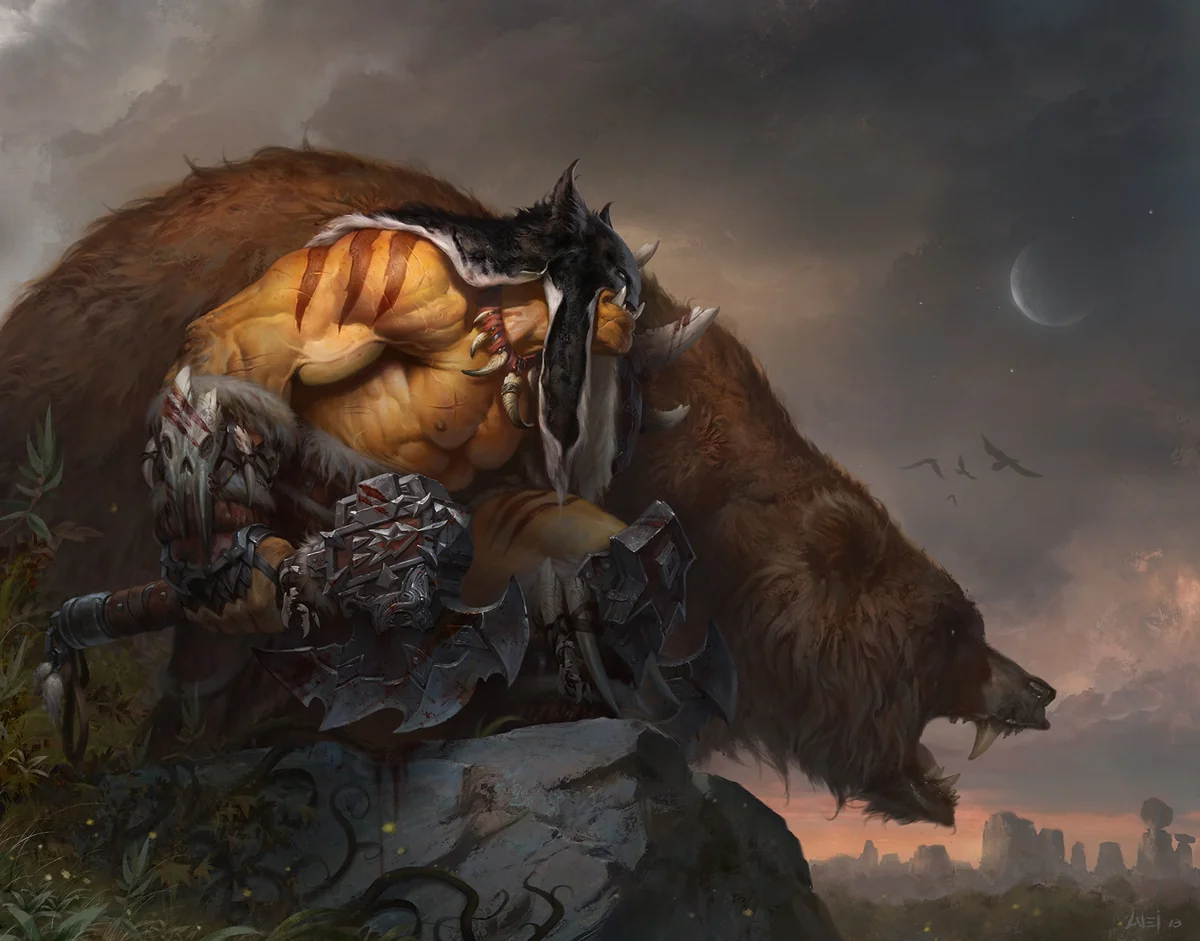
Rexxar, a wanderer of mixed orc and ogre heritage, entered Thrall's service as the Horde struggled to establish its new homeland. Thrall had brought his people west to escape both the internment camps and the old Legion-bound history of the Horde. The Beastmaster's story soon became entangled with a crisis involving Jaina and Admiral Daelin Proudmoore.
Orgrimmar rose in Durotar as Thrall's Horde sought a permanent home after its long wandering and the Battle of Mount Hyjal. Thrall's followers reached Kalimdor by sea and allied with Darkspear trolls and tauren during the struggles surrounding the Third War. The city also became the place from which Thrall faced Admiral Proudmoore's renewed war against the orcs.
The rescue of Baine Bloodhoof strengthened an alliance already taking shape between Cairne's tauren and Thrall's Horde. The tauren had suffered under persistent centaur attacks and needed space in which to build secure homes. The continued friendship made it possible for Cairne's people to stand beside the Horde as it established Durotar and Orgrimmar.
Admiral Daelin Proudmoore carried the old war with the orcs into Kalimdor when he attacked Thrall's new homeland. Daelin's experience had been shaped by the Alliance's earlier struggle against the Horde. The admiral's actions made war unavoidable and set the stage for a final confrontation.
Daelin Proudmoore was killed when his campaign against Thrall's Horde ended in defeat. Daelin came to Kalimdor with the conviction that the Horde remained an enemy that must be destroyed. The end of Daelin's campaign allowed the settlement of Durotar to continue.
Teldrassil was planted under the guidance of Fandral Staghelm after the night elves had sacrificed their former immortality at Mount Hyjal. In the battle against Archimonde, the wisps destroyed the demon and the night elves relinquished the protection that had once kept them untouched by ordinary mortality. The tree and the city of Darnassus signaled a new chapter for the night elves, but they were not a simple restoration of the world before the war.
The Forsaken entered an uneasy alliance with Thrall's Horde after establishing control in the ruined lands of Lordaeron. Freedom from the Lich King had not made the Forsaken welcome among the living. The alliance did not erase the difference between Forsaken aims and the Horde's broader ideals.
Gnomeregan fell when troggs invaded the gnomes' great underground city and a desperate attempt to repel them released dangerous radiation. The gnomes had contributed reconnaissance craft, submarines, and other devices to the Alliance's earlier wars. The ruins of Gnomeregan remained contested, and the catastrophe was not undone by a presumed player victory.
The Scarlet Crusade established itself in devastated Lordaeron as a militant order committed to destroying the undead. The ideals that had animated the Silver Hand were tested by the loss of the kingdom and the disappearance of ordinary civil authority. Their war does not distinguish reliably between freed undead and servants of the Lich King.
Kalecgos's search and the mysterious young Anveena draw together the legacy of the destroyed Sunwell in the first part of The Sunwell Trilogy. For generations the Sunwell had shaped the high elves' relationship with magic and their place in the northern kingdoms. Anveena's story should be read as a developing arc, set amid the dangers left by the Third War and the enduring desire of powerful enemies to control arcane energy.
Kalecgos and Anveena continued their journey through dangerous lands in the second installment of The Sunwell Trilogy, where Scourge threats pressed upon the travelers in the Alterac region. Undead forces still operated through the northern territories, and anyone tied to the lost magical source attracted attention. Its importance lies in bringing the travelers through a landscape damaged by war and deepening the dangers around Anveena.
Peace between Thrall's Horde and Jaina Proudmoore's Theramore remained fragile after Daelin Proudmoore's defeat. Thrall had sought a new future for the Horde in Durotar, away from demonic domination and the invasions of earlier generations. Thrall and Jaina could oppose renewed bloodshed, yet their understanding depended upon communities willing to live with former enemies.
Azeroth's first World of Warcraft starting state opens in the aftermath of the Third War, not after all its unresolved conflicts have ended. Stormwind faces internal treachery, the Scourge occupies the Plaguelands, and the New Horde holds its newly founded settlements. From this troubled starting point, the surviving peoples must contend with dangers left by centuries of war.
Newly awakened Forsaken rise in Deathknell to discover that the Lich King no longer commands them. Deathknell lies within Tirisfal, a countryside devastated by the plague and the fall of Lordaeron. Mordo and Sarvis offer an explanation of the new political order rather than a cure for undeath.
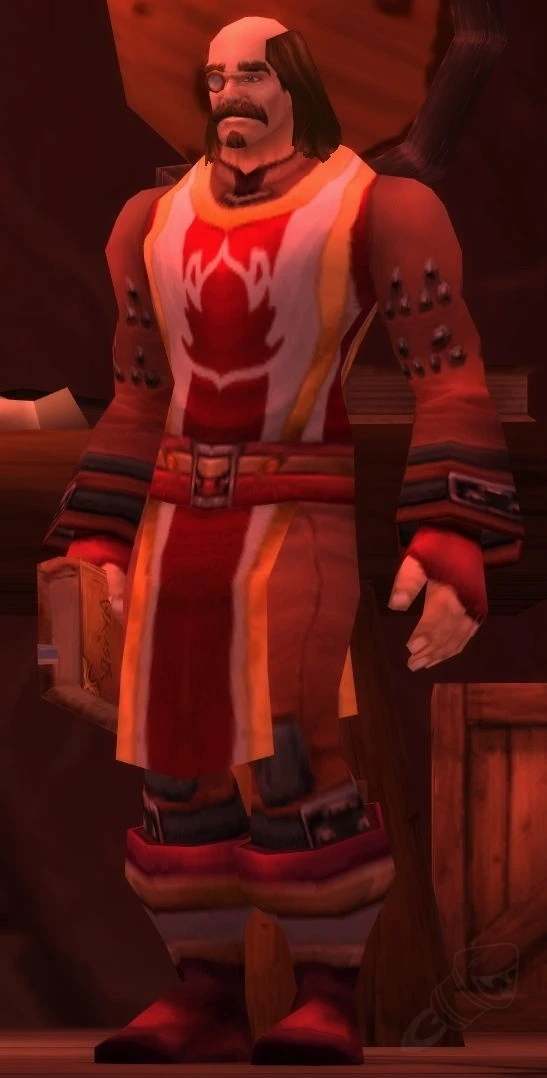
Apothecary Johaan works in Tirisfal on a disease intended to strike the Scourge, acting under the authority of Sylvanas's Royal Apothecary Society. The plague had destroyed Lordaeron's settled life and made the Forsaken themselves. As historical evidence, Johaan's assignment shows the nascent Forsaken government organizing specialized efforts against an enemy that ordinary swords and walls had failed to defeat.
Coleman Farthing seeks retribution against the Agamand family, whose mills fell to the Scourge during Lordaeron's destruction. The Agamands had tried to defend their property by barricading it against the approaching undead. Farthing himself is undead, yet he distinguishes his freedom from the Scourge's enslavement of the Agamands.
Magistrate Sevren of Brill sends a Forsaken agent to Bethor Iceshard as part of an effort involving a wayward lich. Brill stood close to the ruined heart of Lordaeron, where the Forsaken faced the Scourge, hostile living crusaders, and the remnants of the old kingdom. The wayward lich remains part of an unresolved local mission until the player acts.
Executor Zygand organizes Forsaken recruits against Scarlet Crusade forces holding ruined towers in Tirisfal. The Scarlet Crusade emerged from human resistance to the Scourge but treated undead beings as enemies without granting the Forsaken the distinction they claimed. The existence of Scarlet garrisons near Deathknell explains why newly freed undead encountered armed humans almost as soon as they awakened.
In the farmlands of Westfall, Edwin VanCleef's Defias Brotherhood defied Stormwind's authority. The threat exposed how the kingdom's survival after the wars had not brought equal security to its surrounding settlements. The Deadmines became the heart of a conflict that continued at Azeroth's original starting state.
Stormwind's troubles extended into its own court, where the noblewoman Katrana Prestor exercised influence while concealing her identity as Onyxia. Her intrigues placed the kingdom's leadership under pressure from an enemy operating through politics rather than open invasion. The black dragon's presence revealed that the legacy of Neltharion's betrayal still threatened human affairs.
Blackrock Mountain contained several dangerous powers rather than one unified kingdom. Dark Iron dwarves served under the shadow of Ragnaros, while Blackrock orc remnants and the dragon Nefarian pursued their own interests. Their competing presence made the volcanic stronghold a meeting place of ancient disasters and more recent wars.
The northern lands of Lordaeron remained divided after the Scourge shattered the kingdom. The undead armies, free Forsaken, Scarlet Crusade, and Argent Dawn contested the Plaguelands and the roads around them. Their struggle kept the destruction of the Third War at the center of everyday life in the north.
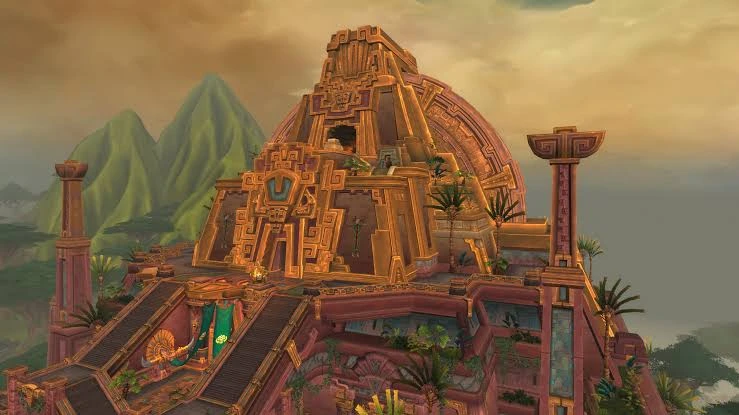
The ruins of troll kingdoms still shaped Azeroth long after their greatest empires had fallen. Zul'Farrak, Zul'Gurub, and the Temple of Atal'Hakkar preserved different histories of the sand trolls, jungle trolls, and Hakkar's worshippers. Their continued presence made ancient conflicts part of the world encountered by new adventurers.
The gates of Ahn'Qiraj remained closed in southern Kalimdor when the original World of Warcraft began. Beyond them lay the legacy of the ancient qiraji and the War of the Shifting Sands. Their sealed condition meant a great threat had been contained, not erased from Azeroth's history.
Medivh inherited more than immense magical promise from the Guardian Aegwynn. As a boy, the awakening of his power caused a crisis that claimed his father Nielas Aran's life. The catastrophe revealed the extraordinary and dangerous burden hidden within the child who would later open Azeroth to the Horde.
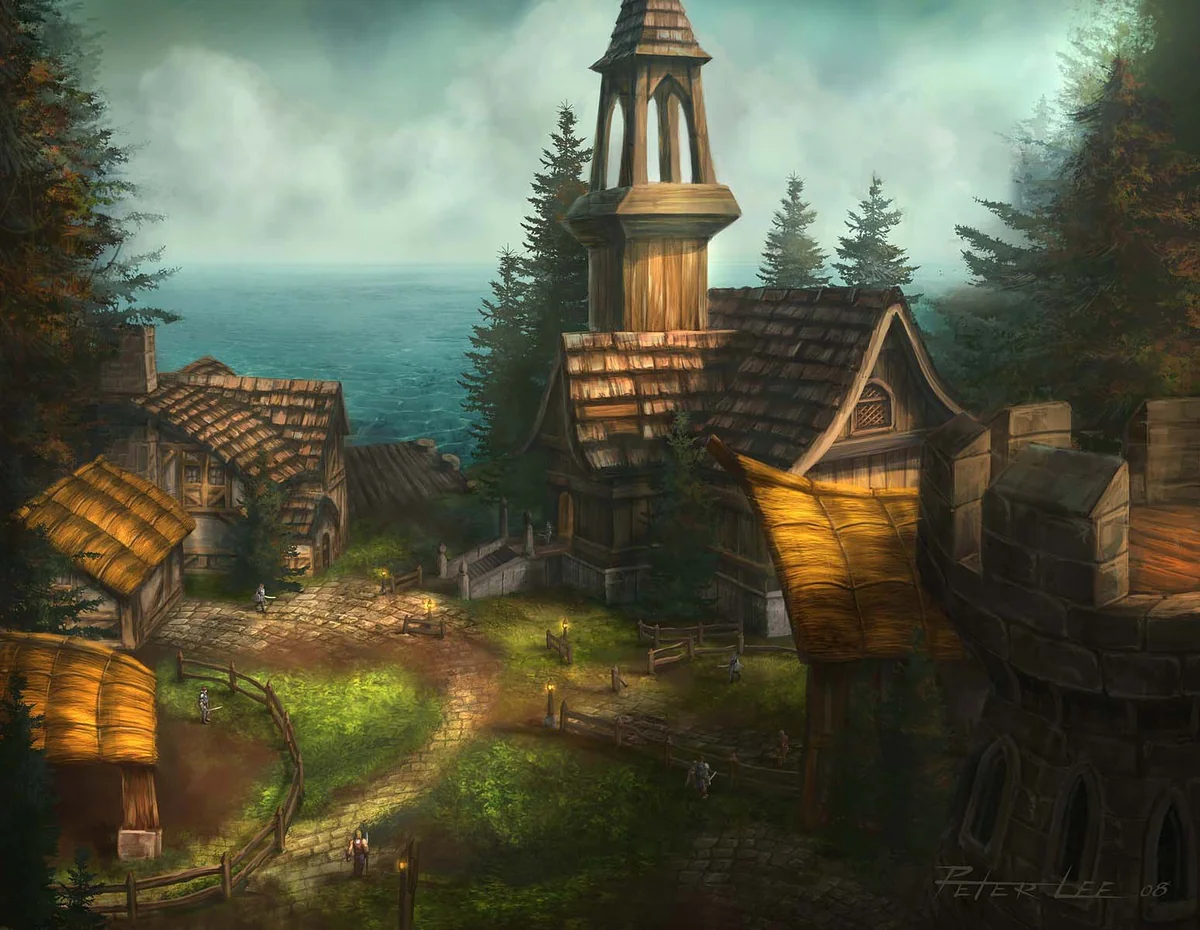
After his childhood magic erupted, Medivh lay unconscious and was entrusted to the clerics of Northshire Abbey. His long absence left an uncertain future for a boy who carried the immense powers of a Guardian. The return of his consciousness would eventually bring him back into Stormwind's political and magical world.
Llane Wrynn inherited the crown of Azeroth, the human kingdom later commonly called Stormwind. His reign would face a threat unlike the older wars among neighboring peoples: the arrival of orcs from Draenor. The defense of his kingdom brought him into the defining struggle of the First War.
The Horde's first scouts entered Azeroth through the Dark Portal before the great armies crossed. A small reconnaissance party described in Garona's chronicle observed human farmland and brought back knowledge of a world unfamiliar to the orcs. The expedition helped turn a mysterious gateway into a route for invasion.
The opening of the Dark Portal was followed by violence against human settlements on Azeroth's eastern frontier. Garona's account describes an early orc attack upon an unnamed farming community, where inhabitants were killed and supplies seized. The raid announced the human cost of an invasion that had barely begun.
From the marshes around the Dark Portal, the orcs began establishing positions from which to strike the human kingdom of Azeroth. The Swamp of Sorrows and neighboring eastern wetlands sheltered their early forces. Those footholds allowed the invasion to spread beyond the gateway itself.
As orc raids spread through the Borderlands, King Llane and Anduin Lothar organized the defense of Stormwind's settlements. Human footmen and archers faced enemies whose strength and methods were still unfamiliar. Their response turned scattered frontier emergencies into the opening campaigns of the First War.
Reports from the Borderlands told of human captives carried east toward orc-held swamps. Anduin Lothar's early account left their fate unknown, distinguishing these disappearances from the slaughter witnessed in other raids. The news deepened the fear surrounding the Horde's arrival and the uncertainty of the First War.
An early Horde assault reached Stormwind itself but failed to secure the capital. Human knights counterattacked, forcing the invaders to withdraw toward their eastern marsh positions. The defeat revealed that the kingdom's organized cavalry could resist even a formidable orcish offensive.
The Horde's encounters with Stormwind's knights forced its commanders to reconsider early invasion tactics. Raiding alone was insufficient against organized human cavalry and coordinated defense. Lessons learned from defeat helped shape the escalation from frontier attacks to a larger war.
Anduin Lothar's expedition to the Deadmines became a long absence from Stormwind's defense. The original human campaign places his capture among ogres associated with Turok and a mission to recover the Tome of Divinity. His eventual rescue restored a vital commander to a kingdom already threatened by orcs.
The Zandalar tribe is remembered in the original Blizzard Troll Compendium as the oldest known ancestor group of the other troll peoples. Its priestly and scholarly traditions remained influential while ambitious offshoots spread into different regions. Later histories connect Zandalar to the reawakening of Kith’ix and a campaign against the aqir that encouraged far-flung troll strongholds. The distinction between ancient spiritual continuity and later geographical separation is central to the development of troll society.
Ancient troll civilizations fought a prolonged war against the insectoid aqir. The original Troll Compendium describes the Amani and Gurubashi as established powers whose conflict helped divide the aqiri realm. Later accounts make the reawakened Kith’ix central to the war and describe campaigns that carried the Amani east, Gurubashi south, and Drakkari north. These traditions should be connected, but their different chronologies must remain visible.
The Drakkari are the principal ice-troll civilization associated with Zul’Drak in the distant north. The original Troll Compendium describes violent northern tribes separating from the Zandalari sphere and gradually adapting to snow and cold. Later history emphasizes northern campaigns during the war against the aqir as a formative stage of Drakkari territorial expansion. Their religious tradition retained loa worship even as their geography and conflicts diverged from the Amani and Gurubashi.
Ancient troll civilizations fought a prolonged war against the insectoid aqir. The original Troll Compendium describes the Amani and Gurubashi as established powers whose conflict helped divide the aqiri realm. Later accounts make the reawakened Kith’ix central to the war and describe campaigns that carried the Amani east, Gurubashi south, and Drakkari north. These traditions should be connected, but their different chronologies must remain visible.
Armed with arcane magic from the Well of Eternity, early kaldorei rapidly dismantle troll defenses and supply networks, splintering the older empires. It forms part of the historical narrative “Before the Kaldorei.” The same history also records early troll civilizations thrive on kalimdor. The defeat transformed the balance of power across ancient Kalimdor.
The Gurubashi governed the major jungle-troll civilization of ancient southern Kalimdor and later Stranglethorn. They shared early ancestry and loa traditions with the Zandalari but developed distinct southern territories and imperial leadership. Their history passed through the aqir war, the Sundering, famine, and the crisis surrounding Hakkar. By original WoW, Zul’Gurub and its surviving factions embodied both the achievement and the division of the old empire.
The Gurubashi governed the major jungle-troll civilization of ancient southern Kalimdor and later Stranglethorn. They shared early ancestry and loa traditions with the Zandalari but developed distinct southern territories and imperial leadership. Their history passed through the aqir war, the Sundering, famine, and the crisis surrounding Hakkar. By original WoW, Zul’Gurub and its surviving factions embodied both the achievement and the division of the old empire.
The Atal'ai priests pushed Hakkar's worship beyond blood sacrifice toward the god's physical arrival in Azeroth. Their purpose alarmed other Gurubashi and Hakkari priests, turning a cult into the cause of civil war. The schism ended in exile but did not end the threat of Hakkar's return.
The Gurubashi had survived the collapse of ancient Kalimdor and the loss of much of their former world. Hakkar's enemies challenged his followers and forced the cult out of its former place of power. The Darkspear descend from the broad jungle-troll world, but they do not therefore inherit loyalty to the Hakkari. The Zandalari resistance is one of the rare places in this history where far-separated trolls acted in defense of something wider than any one tribe.
The battle against Hakkar's followers culminated in the destruction of the god's avatar and the devastation of Zul'Gurub. Jungle trolls, Hakkari dissenters, and Zandalari allies overcame the Atal'ai threat within the old Gurubashi center. Victory left a broken capital and a defeated cult whose survivors would flee into exile.
The Atal'ai escaped destruction in Zul'Gurub and carried their devotion to Hakkar into the Swamp of Sorrows. There they constructed a hidden temple intended to continue preparations for the blood god's arrival. Their exile transformed a jungle-troll religious conflict into a danger threatening another region of Azeroth.
The aftermath of Hakkar's defeat produced another bitter division among the Gurubashi. Hakkari priests who had opposed the Atal'ai were nevertheless punished, and some surviving exiles sought refuge with their former enemies. The reunion strengthened the very cult whose ambitions had devastated Zul'Gurub.
Ysera intervened when Atal'ai and Hakkari priests tried to restore Hakkar to Azeroth. The green dragon Aspect sank their temple into the Swamp of Sorrows and left guardians to watch the buried site. Her action prevented an ancient religious catastrophe from becoming a renewed threat to the world.
The Darkspear are a jungle-troll people whose later history was shaped by displacement, Sen’jin’s leadership, and an alliance with Thrall. They belong to the greater Gurubashi-descended world but did not follow every policy of the old jungle empire. After leaving Stranglethorn they struggled for a home and settled near the new Horde in Kalimdor. Their distinct political identity emerged long after Tyr, Kith’ix, and the earliest empires.
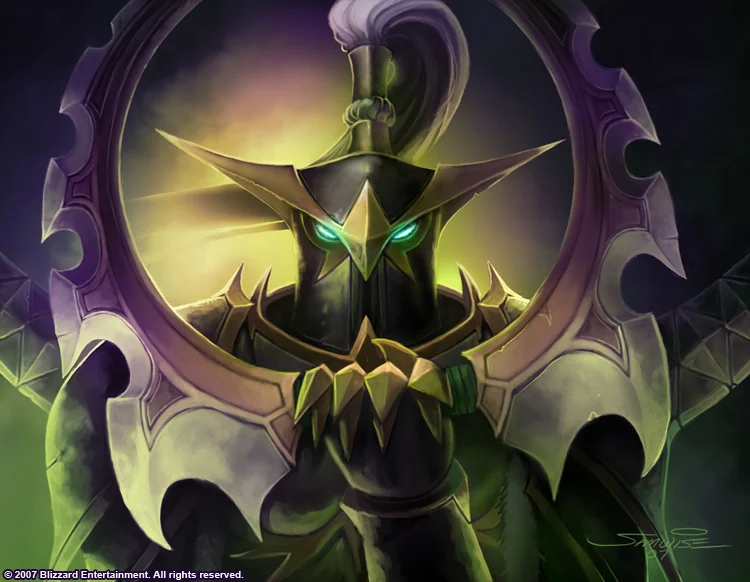
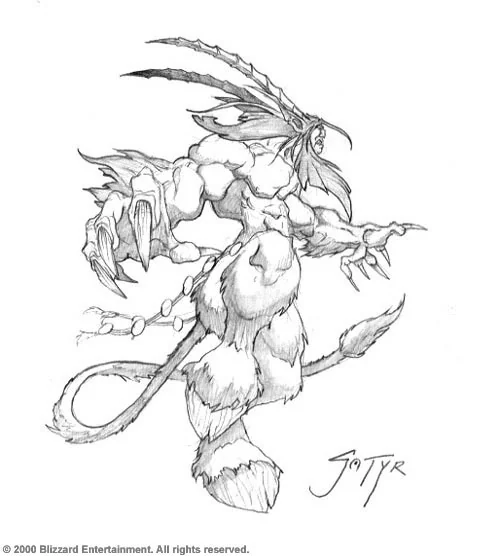
Xavius served Queen Azshara as her Highborne court helped bring the Burning Legion toward Azeroth. Demonic corruption later transformed the adviser into a satyr, joining his former elven identity to the Legion's growing influence. His fate illustrated the changing form of an enemy that could recruit as well as invade.
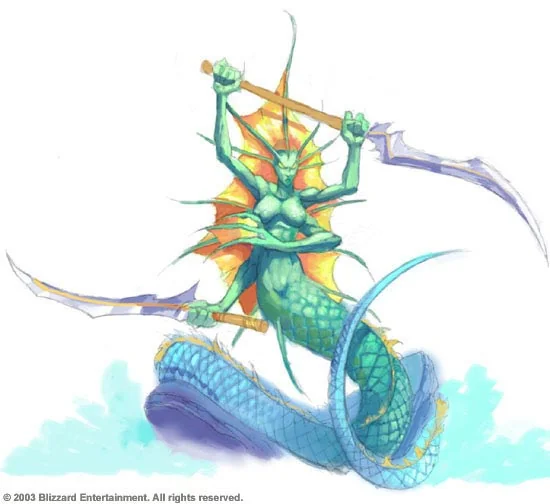
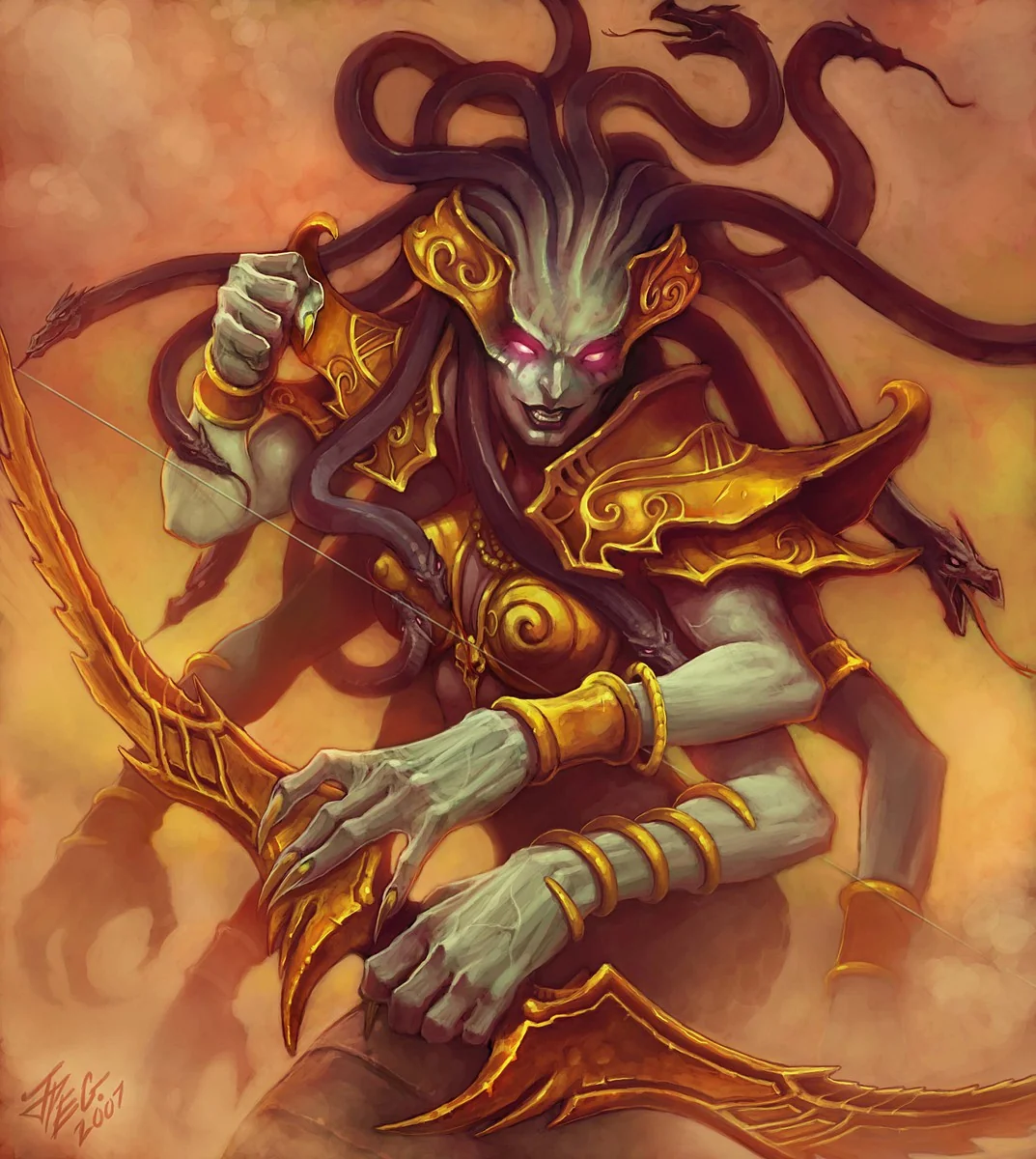
Azshara and some of her Highborne survived the Sundering in forms no longer recognizably elven. Beneath the sea they became the naga, whose later appearance under Lady Vashj connected the ancient empire to Illidan's struggle in the Third War's aftermath. Their survival meant that the destruction of the Well had not ended every legacy of Azshara's court.
Keepers of the grove and dryads belong to the nature-bound family of Cenarius. Their presence in the ancient forests and later wars reflects the enduring legacy of the demigod's guardianship. Among Cenarius's descendants, Zaetar's tragic union with Theradras also connects this lineage to the origin of the centaur.
Uldaman is an ancient titan-forged vault in the Badlands that preserves the mysteries of the earthen and the earliest dwarven ancestors. Original WoW presents Archaedas and Ironaya as guardians of its old secrets. Later lore explains that they escaped with the Discs of Norgannon after Tyr confronted Zakajz and Kith’ix. It is a bridge between the original dwarf origin mystery and the later reconstructed story of the troll empires.
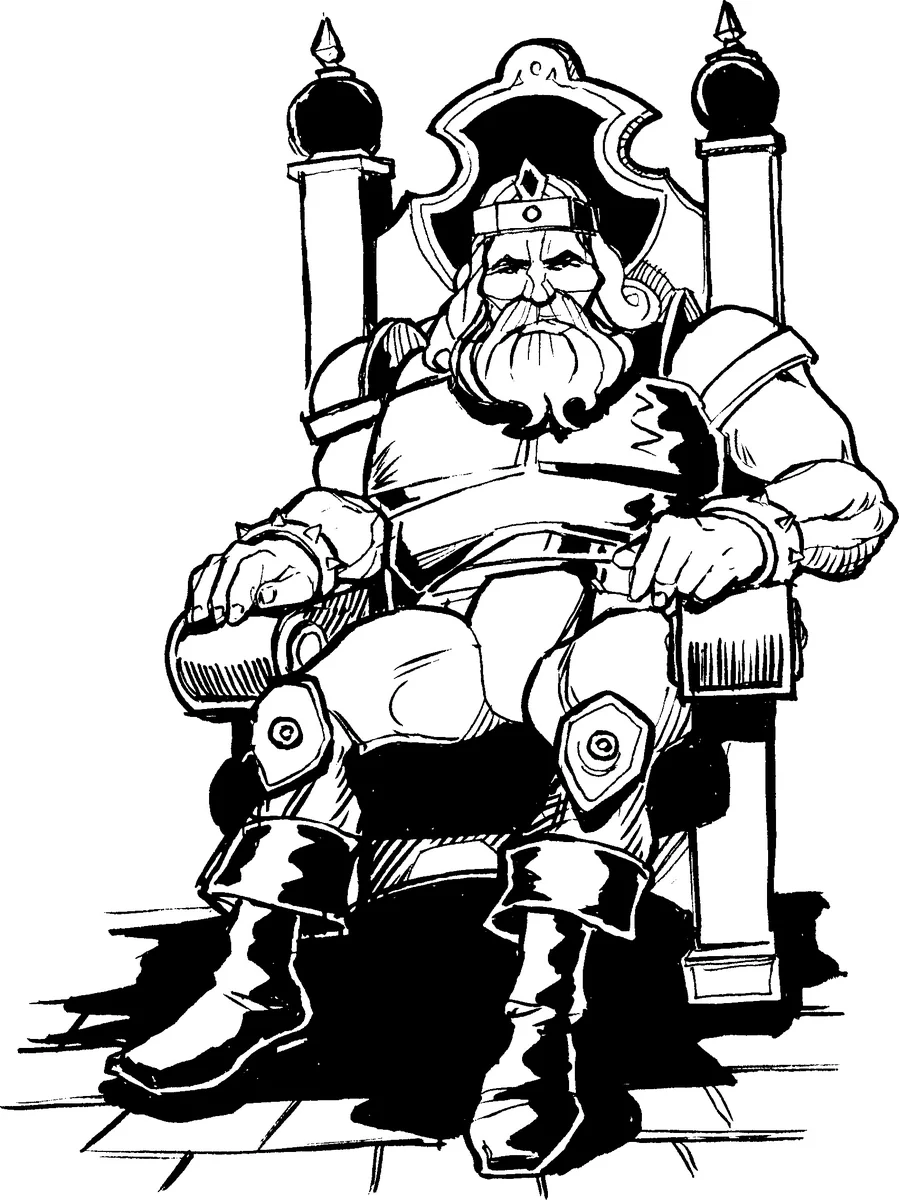
High King Modimus Anvilmar ruled a dwarf kingdom that still contained the Bronzebeard, Wildhammer, and Dark Iron clans. His authority held their rivalries within one political order, though the underlying disputes over influence and territory remained. The tensions he could not permanently resolve would erupt into the War of the Three Hammers.
Modgud led the Dark Iron assault upon the Wildhammer stronghold of Grim Batol during the War of the Three Hammers. Khardros Wildhammer killed her, but the victory did not restore the mountain home to its former condition. The lingering curse associated with the attack eventually drove the Wildhammers toward the Hinterlands.
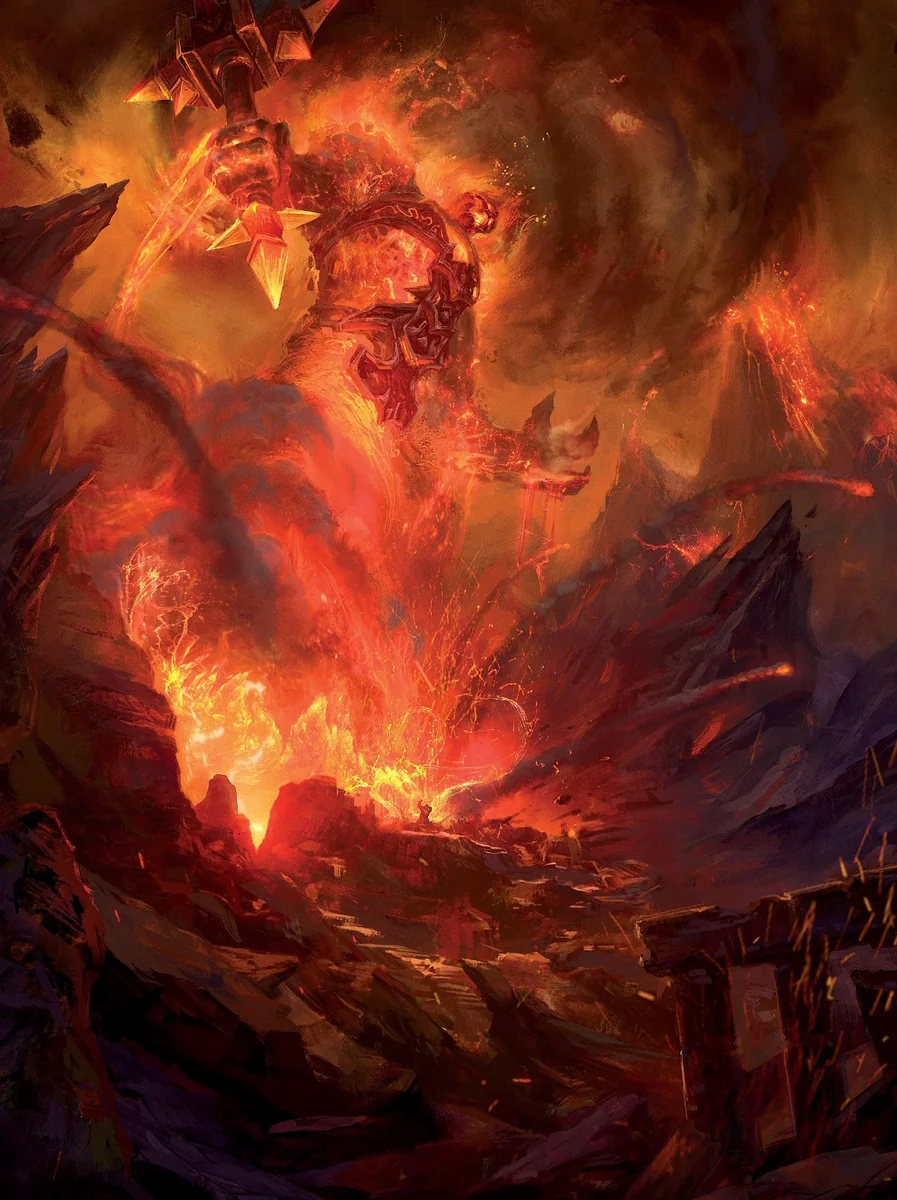
Sorcerer-Thane Thaurissan called upon elemental power after the Dark Irons suffered defeat in the War of the Three Hammers. His summoning unleashed Ragnaros, devastated the surrounding land, and created Blackrock Mountain. The attempt to reverse military ruin instead placed the Dark Iron people beneath the Firelord's power.
The Wildhammers won a battle against Modgud's Dark Iron attack but could not keep Grim Batol. A curse associated with her sorcery rendered the stronghold unfit for the people who had defended it. Khardros led the migration north to the Hinterlands, where the clan established a new mountain homeland.
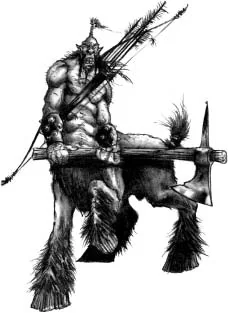
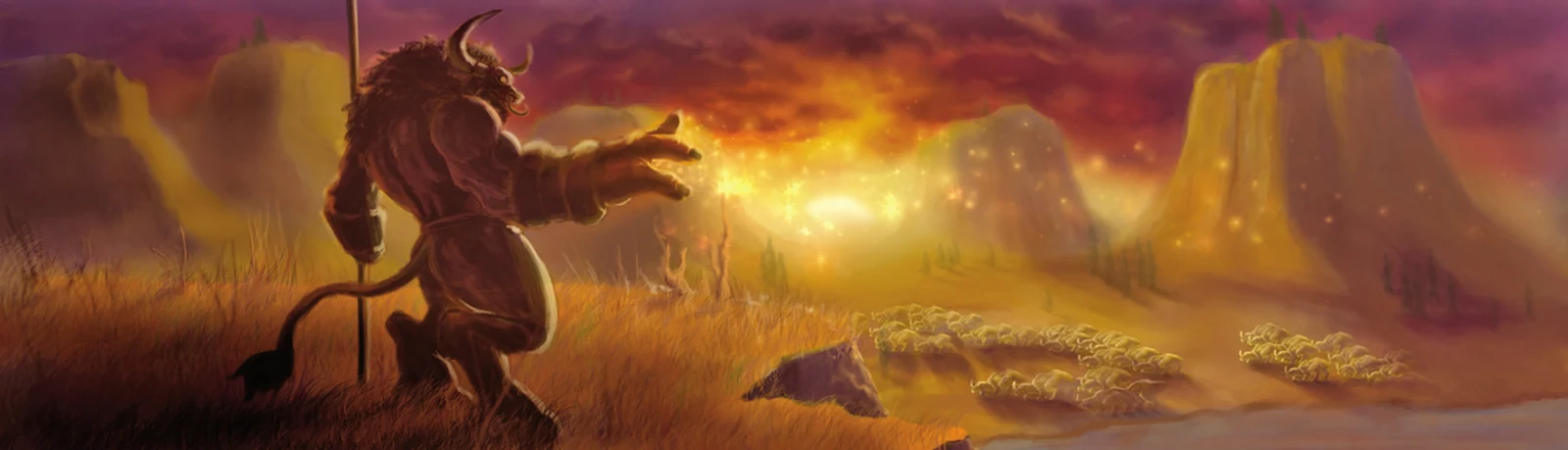
The centaur were born from the union of Zaetar, a keeper descended from Cenarius, and the earth elemental princess Theradras. Their children killed Zaetar, whose resting place became part of the sacred caverns called Maraudon. That tragedy preceded the centaur's long campaigns against the tauren of Kalimdor.
Centaur attacks kept the tauren moving across Kalimdor for generations. Their raiding and expansion endangered camps, hunting lands, and the tribes' ability to settle securely. Cairne Bloodhoof's alliance with Thrall during the Third War began to change that struggle by helping the tauren reclaim a defensible homeland.
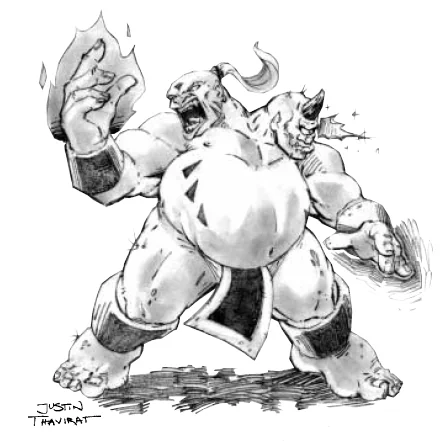
During the Second War, Gul'dan's magic helped turn selected ogre warriors into ogre-magi. Power drawn from an elven runestone was used in the transformation, giving the Horde new spellcasting enforcers. The experiment reflected the warlocks' willingness to reshape allies into weapons of conquest.
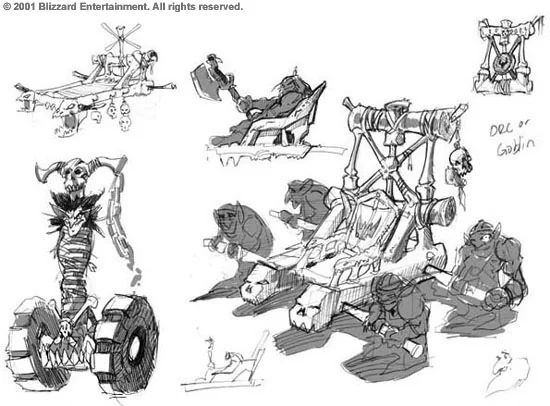
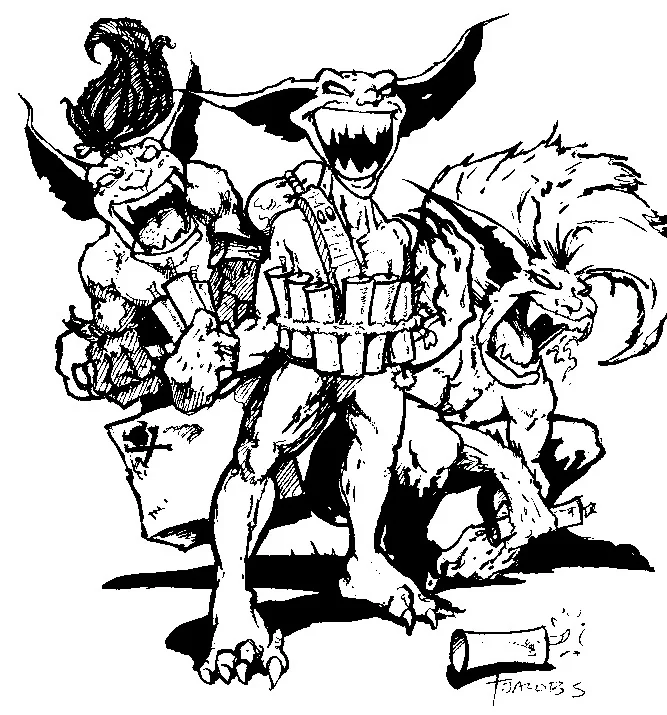
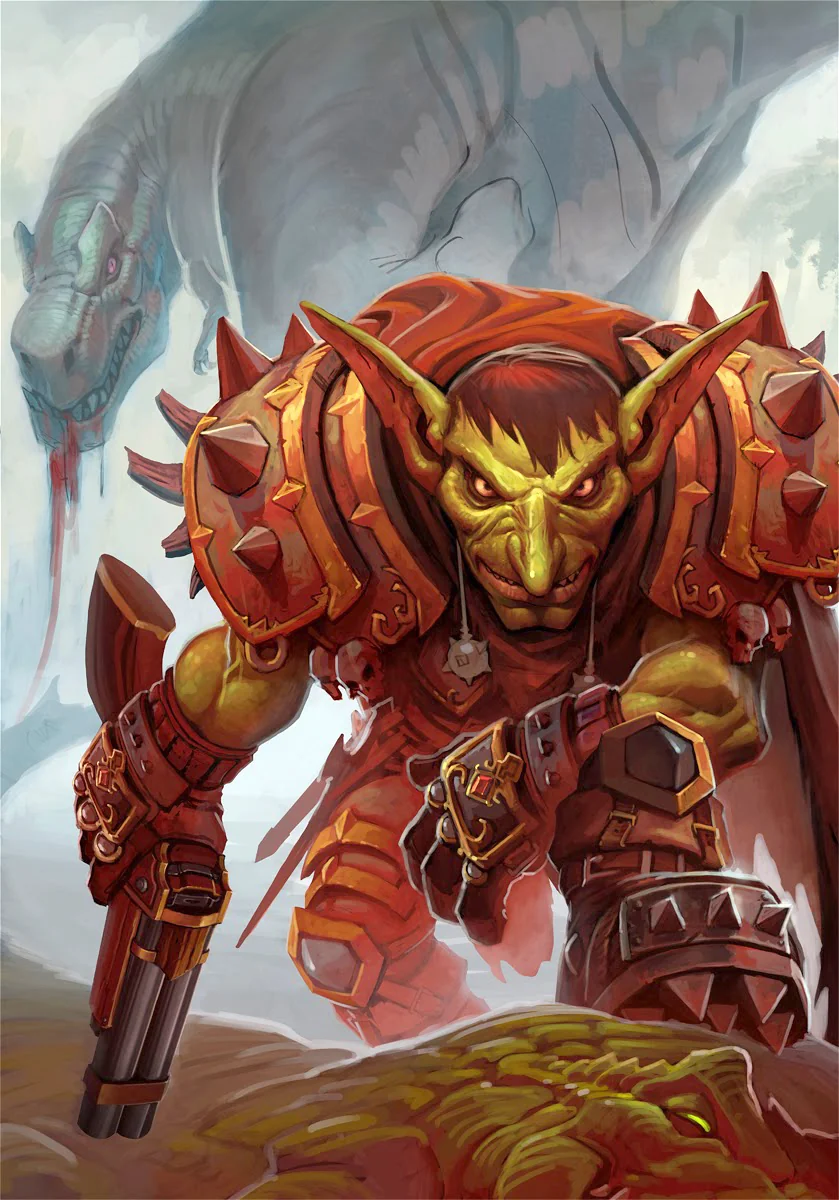
Goblins furnished the Old Horde with machines, explosives, and aerial support during the Second War. Zeppelin crews, sappers, and alchemical specialists supplied capabilities beyond the orcs' traditional clan warfare. Their employment showed the commercial and inventive role goblins could play without making them a unified political arm of the Horde.
Rexxar belonged to the Mok'Nathal, a people of mixed orc and ogre heritage. His life as an outsider informed the independence with which he traveled Kalimdor after the Third War. By aiding Thrall, he became an important defender of a Horde trying to define itself apart from its corrupted past.
Gnomeregan's fall did not kill or displace every inhabitant in the same way. The radiation unleashed during the struggle against trogg invaders left surviving leper gnomes beneath Dun Morogh. Their presence became a visible consequence of the failed attempt to preserve the gnomish city.
The shu'halo preserve a sacred account of the Mists of Dawn and the Earth Mother's creation of their people. A community can understand its identity through sacred history without claiming that every poetic image has been independently established by mortal observation. The creation account also informs the culture encountered in Mulgore and Thunder Bluff.
Survivors of the Silver Hand and other defenders of Lordaeron formed the Scarlet Crusade after the Scourge devastated the kingdom. Arthas's betrayal, the plague, and the fall of royal authority destroyed many of the structures that upheld that ideal. Other survivors pursued a different path through the Argent Dawn, which would fight the Scourge without the Crusade's sweeping hostility.
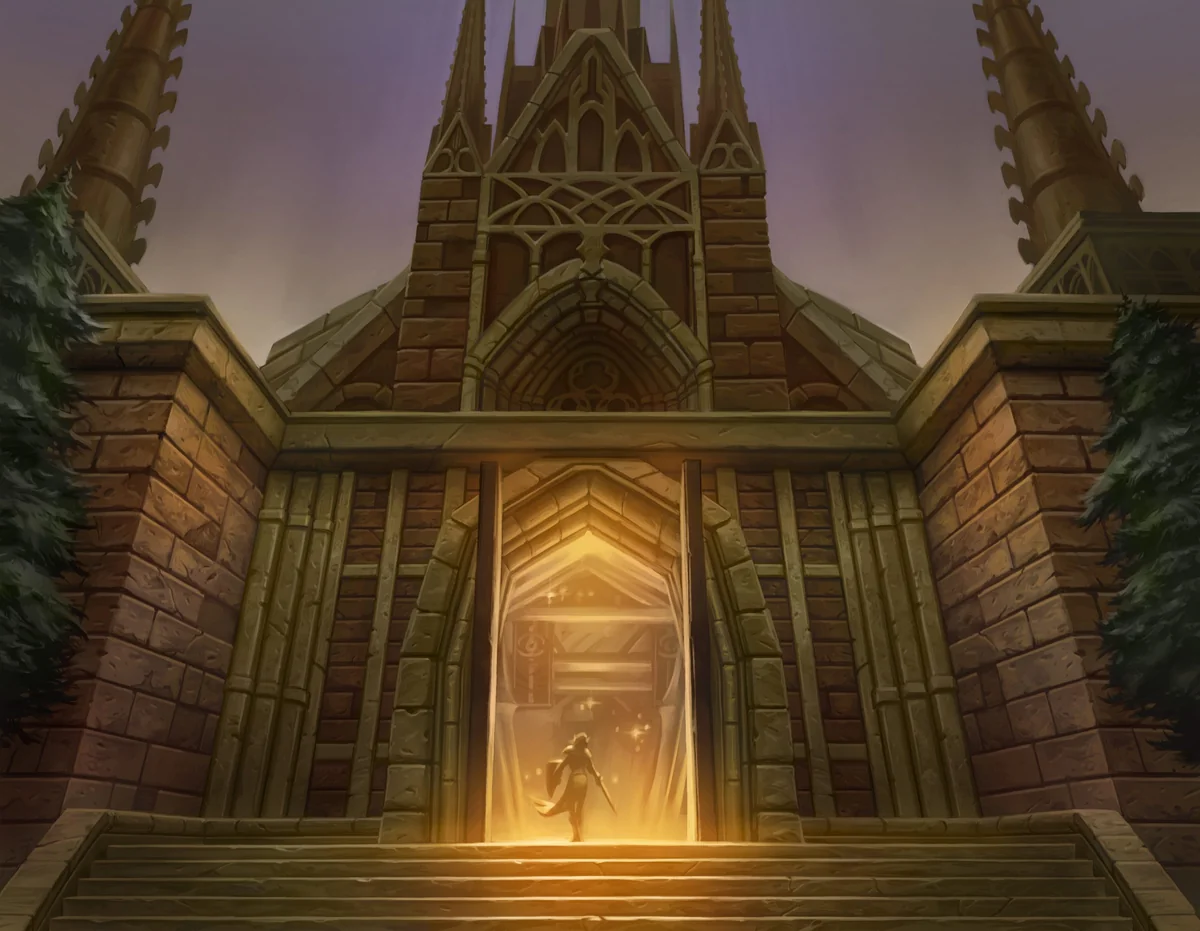
The Scarlet Monastery became a fortified center for the Scarlet Crusade in Tirisfal Glades. The monastery stood within the territory where Lordaeron's old institutions had collapsed under the Scourge. Its significance lies in demonstrating the Crusade's resources and the threat it poses to anyone it deems impure.
The figure presented to Scarlet Crusaders as Grand Crusader Saidan Dathrohan in Stratholme conceals the dreadlord Balnazzar. Dathrohan had been associated with the defense of Lordaeron, and the Scarlet Crusade drew legitimacy from figures connected to the old fight against the Scourge. A player's discovery of the truth and any subsequent confrontation are not presumed to have occurred.
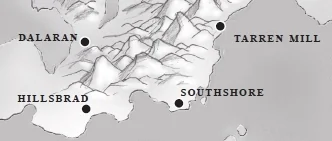
Anduin Lothar led survivors of ruined Stormwind north after the First War, bringing refugees toward Southshore and the protection of King Terenas of Lordaeron. Lothar was a veteran of Stormwind's defense and one of its most respected surviving commanders. The refugee host became an important foundation for the Alliance of Lordaeron.
King Terenas of Lordaeron gathered northern human leaders after Lothar warned that the Horde which destroyed Stormwind would continue its invasion. Stormwind's surviving refugees had reached Lordaeron carrying accounts of a powerful enemy able to shatter a kingdom. Gilneas was reluctant to join the initial appeal, and other rulers weighed their own rivalries and interests.
King Genn Greymane initially refused Lothar's appeal for a united response to the orcish Horde. From Gilneas, the threat could seem distant and the costs of supporting foreign rulers immediate. The decision must be understood at the moment of the Alliance's formation rather than through later histories of Gilneas.
Admiral Daelin Proudmoore pledged the strength of Kul Tiras's navy to the emerging Alliance against the Horde. The Second War threatened ports, trade, and the movement of reinforcements as much as it threatened castles. Daelin's service explains his reputation as a veteran admiral long before the founding of Durotar.
King Thoras Trollbane brought Stromgarde into the Alliance of Lordaeron as the northern kingdoms prepared for the Horde's advance. The threat announced by Lothar concerned not only a single approaching army but a wider invasion that might break through several borders. Stromgarde's participation was one element in the larger transformation of independent realms into a military Alliance.
The Kirin Tor committed Dalaran's arcane knowledge and magi to the Alliance as the northern kingdoms prepared to confront the Horde. The Horde was supported by warlocks, unnatural creatures, and weapons derived from demonic practices. The commitment belongs to the Alliance's initial formation, well before the city's destruction in the Third War.
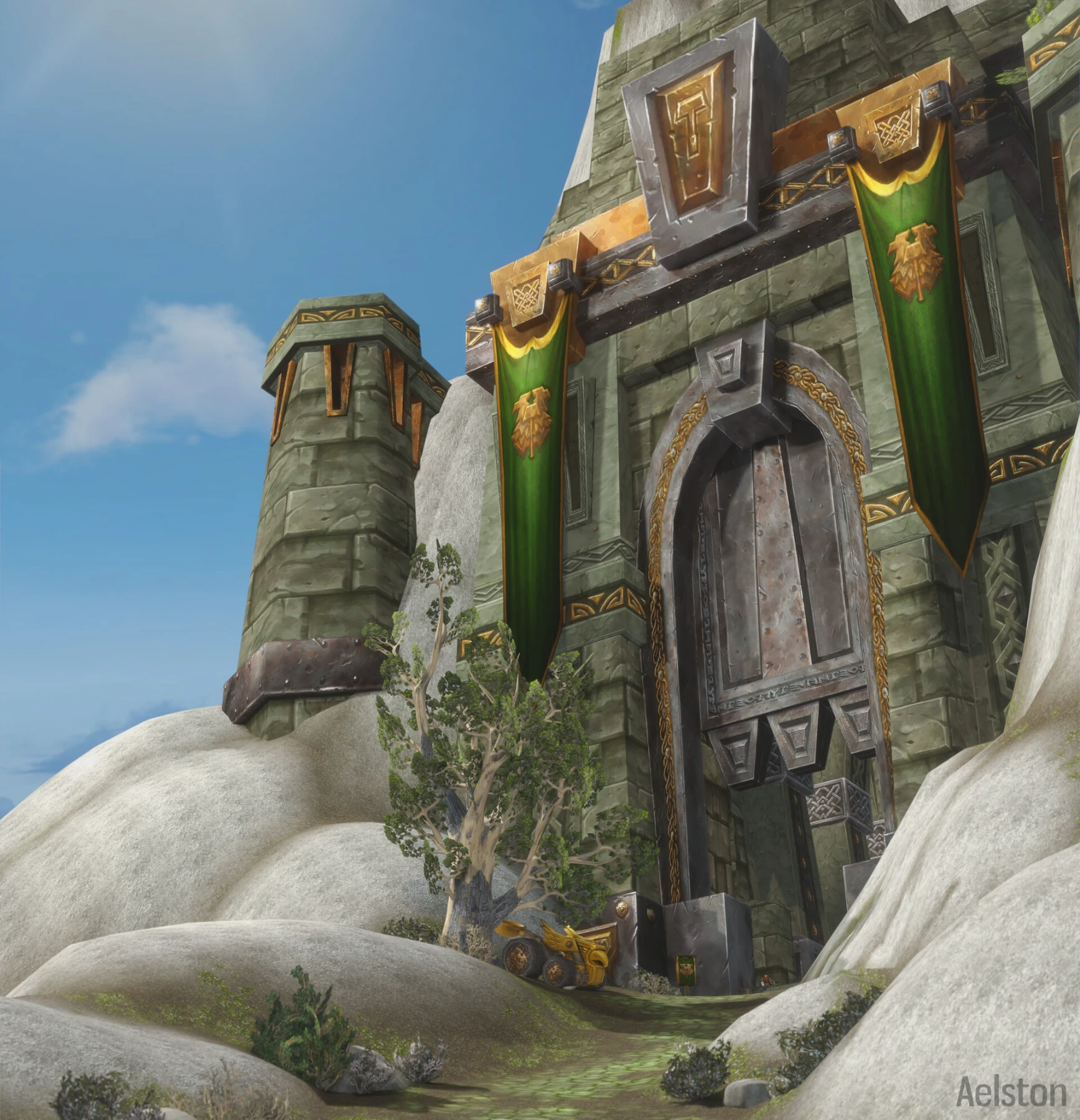
The dwarves of Ironforge brought weapons and technical skill to the Alliance as the Horde pressed into Khaz Modan. Ironforge's strength lay in its fortified home, craftsmen, and hard-won knowledge of mountain warfare. The arrival of Ironforge's aid shows how the Alliance came to represent more than the human kingdoms gathered at Terenas's court and why Khaz Modan remained bound to northern politics afterward.
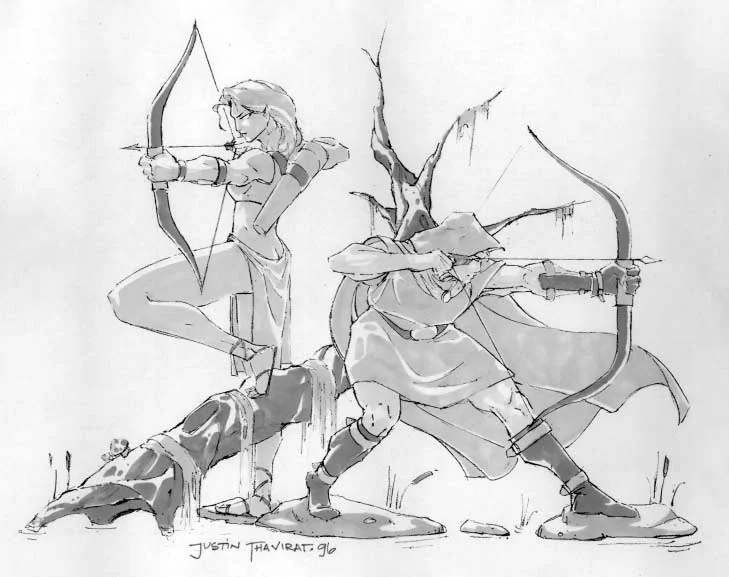
High elves from Quel'Thalas contributed rangers, archers, and naval crews to the Alliance's defense against the Horde. Quel'Thalas was descended from the Highborne who had crossed the sea after the Sundering and founded a new homeland in the north. The Amani still contested Quel'Thalas, and Zul'jin's eventual cooperation with the Horde would give that conflict a new wartime form.
Zul'jin initially rejected Orgrim Doomhammer's effort to recruit the forest trolls into the Horde. The Amani's hostility toward the high elves reached back long before humans learned of the Dark Portal. The defeat of the Horde would later cause many forest trolls to withdraw from their orcish partners.
The Dragonmaw clan held Alexstrasza captive at Grim Batol and used her offspring as war dragons for the Horde. Alexstrasza had been one of the great Aspects appointed to guard Azeroth. Alexstrasza's captivity remained one of the great injuries of the period until later events at Grim Batol brought a reckoning.
After taking leadership of the Horde, Orgrim Doomhammer struck at the surviving Shadow Council that had manipulated orcish politics under Gul'dan. The Shadow Council had helped corrupt orcish clans and bring them under demonic influence before the invasion of Azeroth. Doomhammer's purge explains both the rivalry that haunted the Horde's Second War campaign and the danger of a warlock whose personal search for power would eventually pull forces away from the Alliance front.
Gul'dan organized the Stormreaver clan to protect his position within Doomhammer's Horde. Gul'dan's purpose was different from Doomhammer's: the warchief sought military victory, while the warlock sought forbidden knowledge and a prize tied to Sargeras. The conflict came to a head when Gul'dan abandoned the main war for his expedition to the tomb.
Gul'dan created the Horde's first death knights by binding spirits associated with the Shadow Council to the remains of fallen human knights. The creation of death knights gave the warchief terrifying spellcasters on horseback while preserving some of the power the Shadow Council had lost. These first death knights belong to Warcraft II history and should not be confused with Arthas or the Knights of the Ebon Blade of later eras.
The Horde took power from an elven runestone at Caer Darrow and used its magic in the creation of ogre-magi at the Altars of Storms. High elven runestones were bound to old traditions of protecting Quel'Thalas and controlling arcane forces. Its importance lies in the meeting of two magical traditions: an elven defensive inheritance and an invading army's use of stolen power.
Rend and Maim, sons of the deposed Blackhand, led the Black Tooth Grin clan in defense of the Dark Portal. Blackhand's death had divided loyalties inside the Horde, even as Doomhammer tried to bring the war effort under firmer control. The portal's defense became especially important as Alliance armies recovered and drove the Horde back.
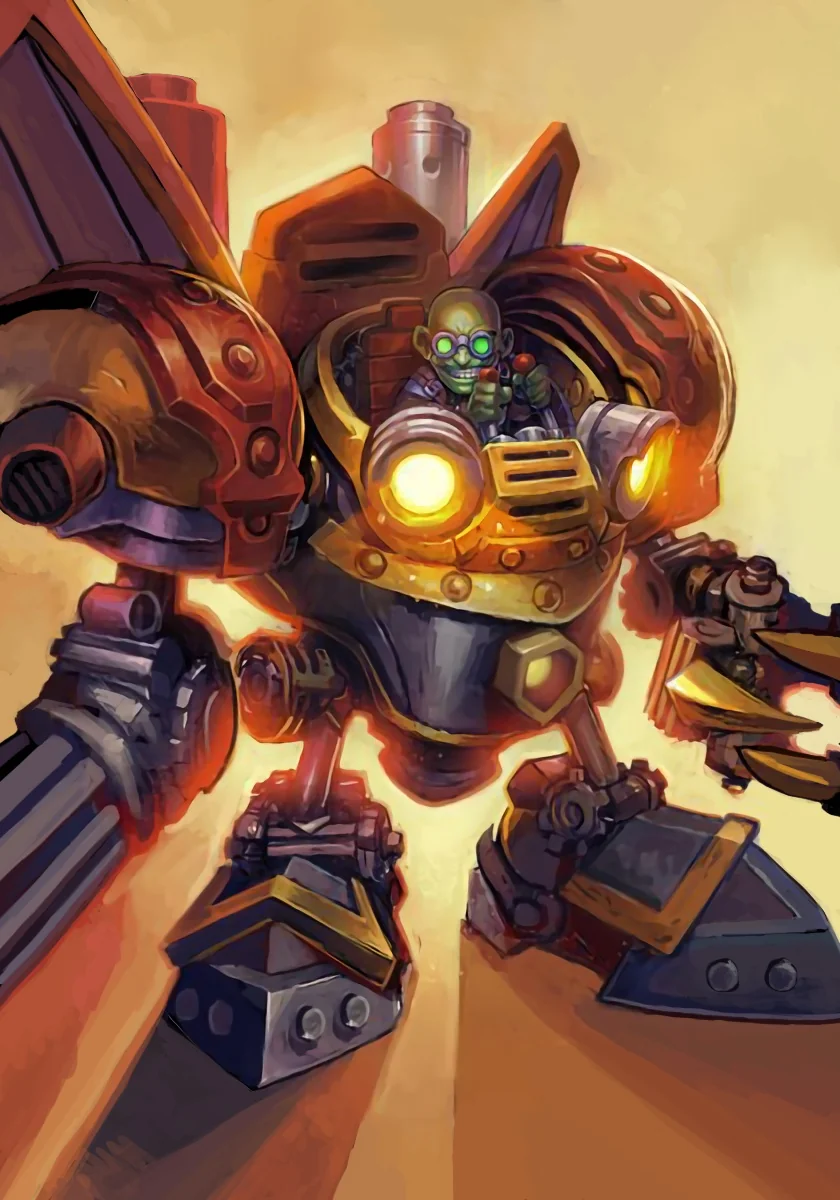
Goblins supplied the Horde with inventive and dangerous machines during the Second War, including sappers, observation craft, and submersible turtles. Fortifications had to be broken, enemy movements observed, and fleets challenged beyond the reach of ordinary ground troops. It also helps explain why technology, rather than magic alone, became a defining part of the contest between the Horde and the Alliance.
Gnomish inventors gave the Alliance observation machines and submarines during the Second War. The Horde had received assistance from goblin engineers, making technical innovation part of the contest between the two great coalitions. The Second War left a technological legacy alongside its ruined cities and changed borders.
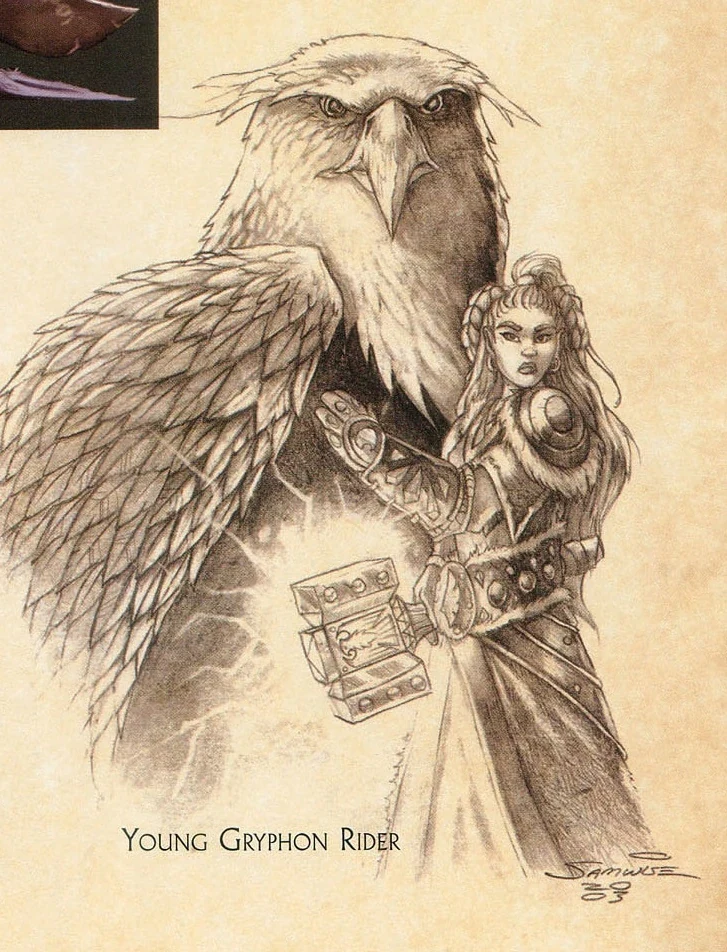
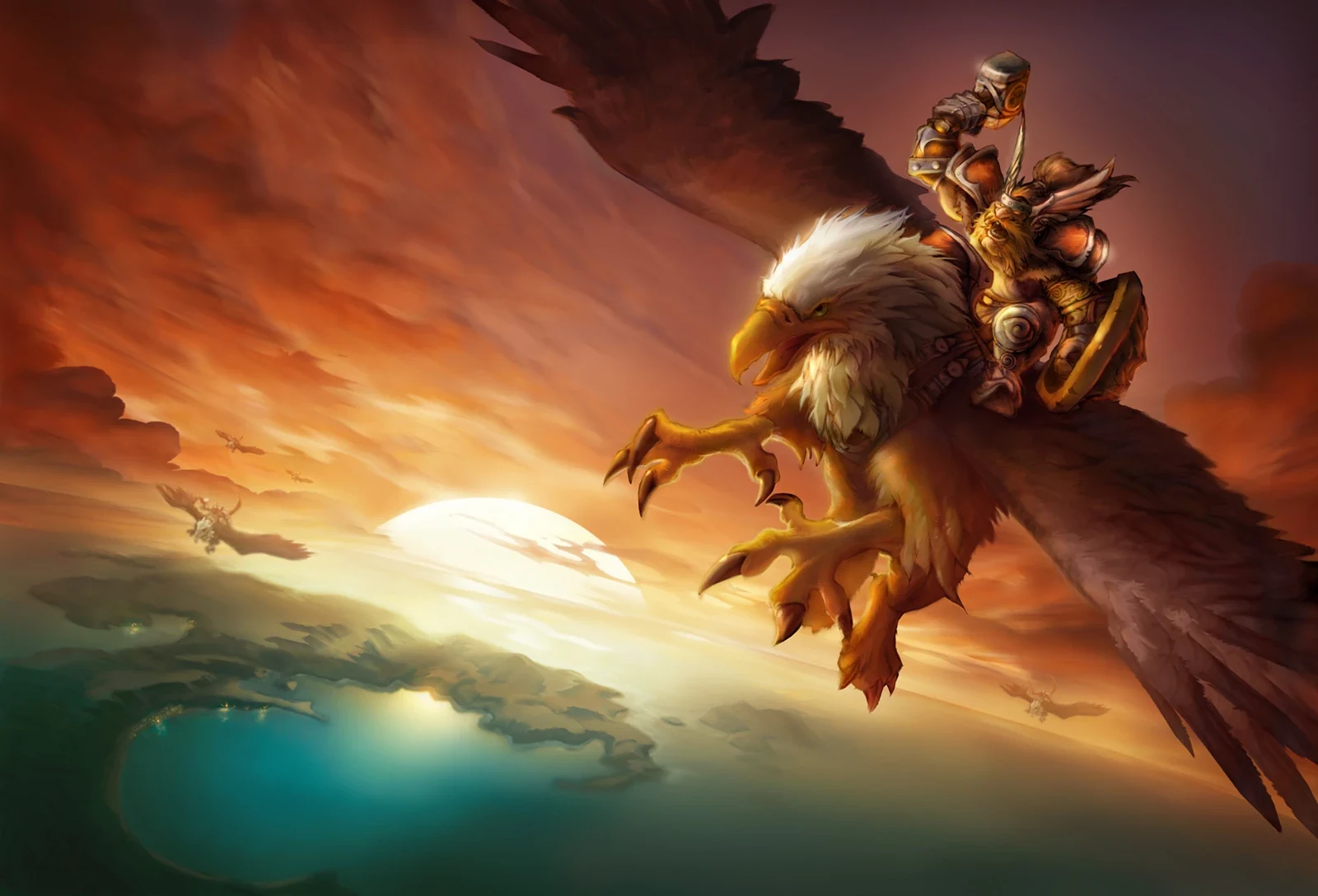
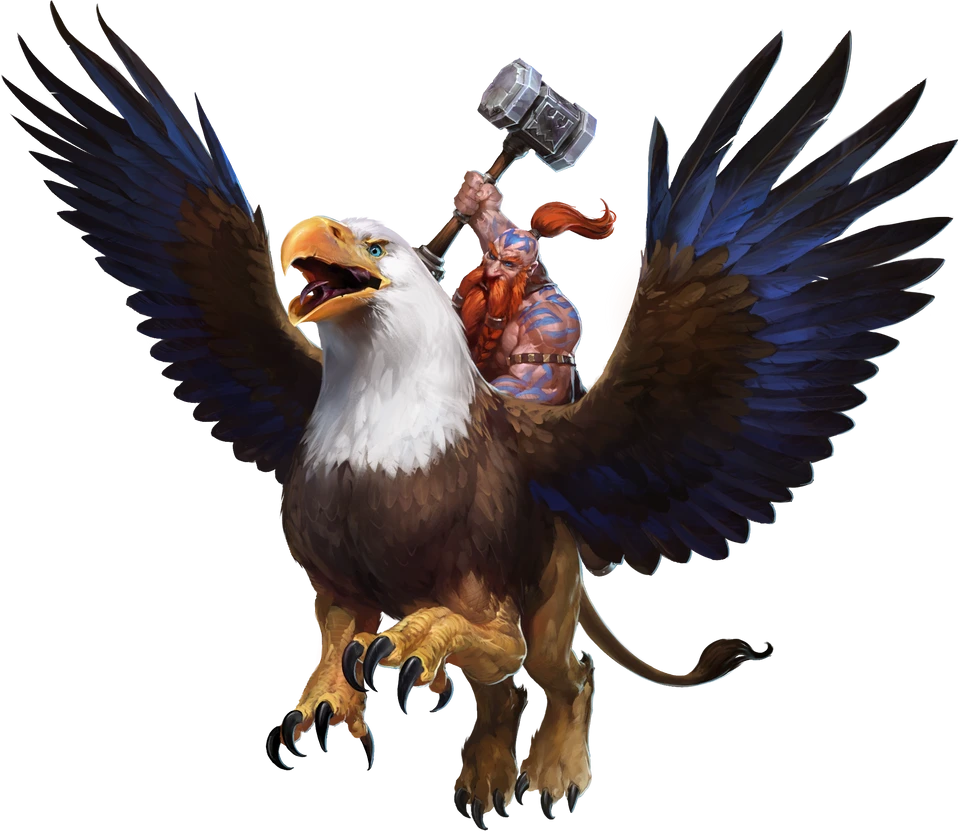
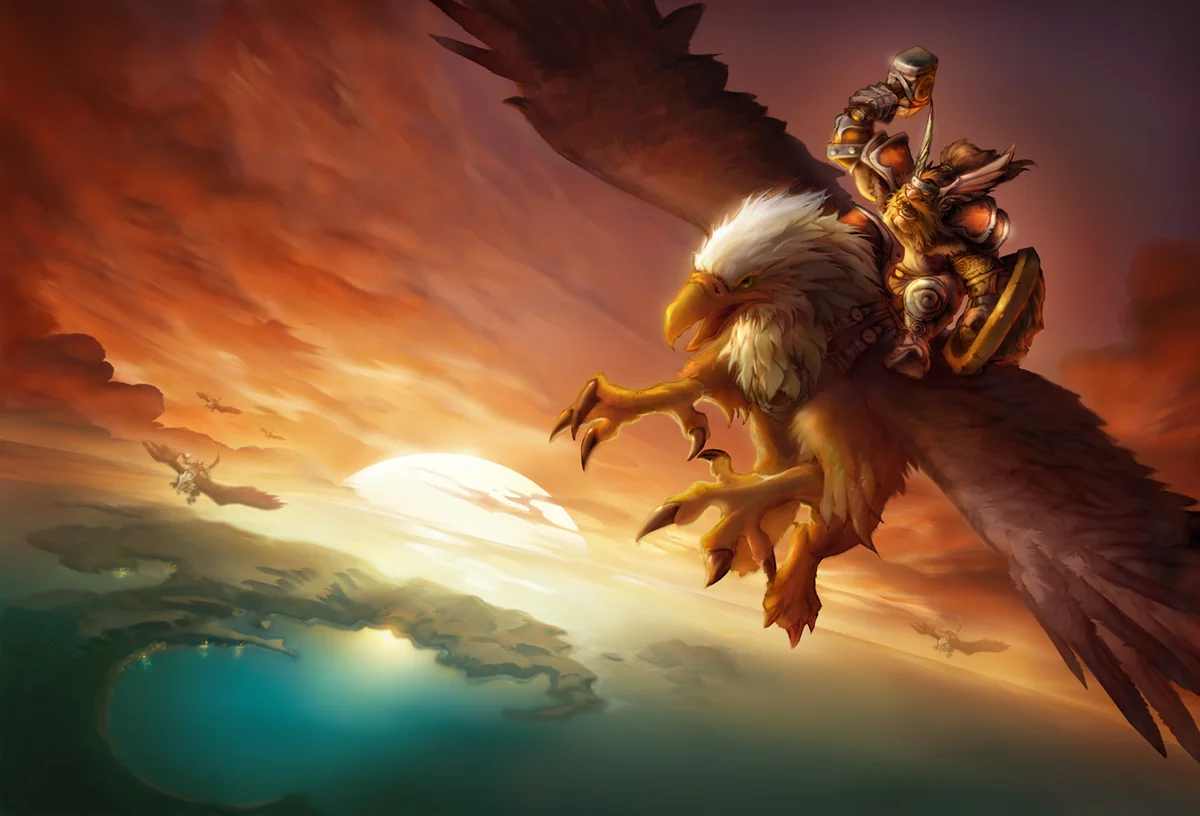
The gryphon riders of Northeron brought aerial power to the Alliance during the Second War. Ironforge had already provided weapons and technical skills, but dwarven contributions were not confined to workshops or mountain defenses. The riders' service helped the Alliance contest the skies in a war that extended from land to sea and air.
When the Amani threatened to overwhelm Quel'Thalas, the high elves could not protect their kingdom by pride alone. The alliance was a military and political act as much as an exchange of knowledge. The preserved sources establish the scale and consequence of the teaching, not a complete roster of pupils. Humanity's magical tradition would eventually become a force in wars that neither the elves nor the Amani of the Troll Wars could have foreseen.
The Troll Wars brought the surviving Amani Empire into a catastrophic conflict with Quel’Thalas and the rising human kingdom of Arathor. The forest trolls sought to recover lands taken by the high elves. The elves enlisted human allies and shared arcane knowledge that helped defeat the Amani armies. That defeat fractured forest-troll political power and explains many of the tribal positions encountered in the original WoW world.
Zul'jin fell into human captivity before orcish forces moved to free him during the Second War. Zul'jin's people had fought for generations against Quel'Thalas and the human allies who supported it. The episode explains why cooperation with the Horde could become possible despite Zul'jin's earlier reluctance.
Following the Horde defeat, most forest troll tribes abandon the orcs; the Revantusk remain a partial exception. It forms part of the historical narrative “Zul’jin — The Forest Trolls After the Second War.” The same history also records zul’jin captured by humans; orc forces move to free him. The collapse of the wartime alliance did not end the trolls' struggle against Quel'Thalas.
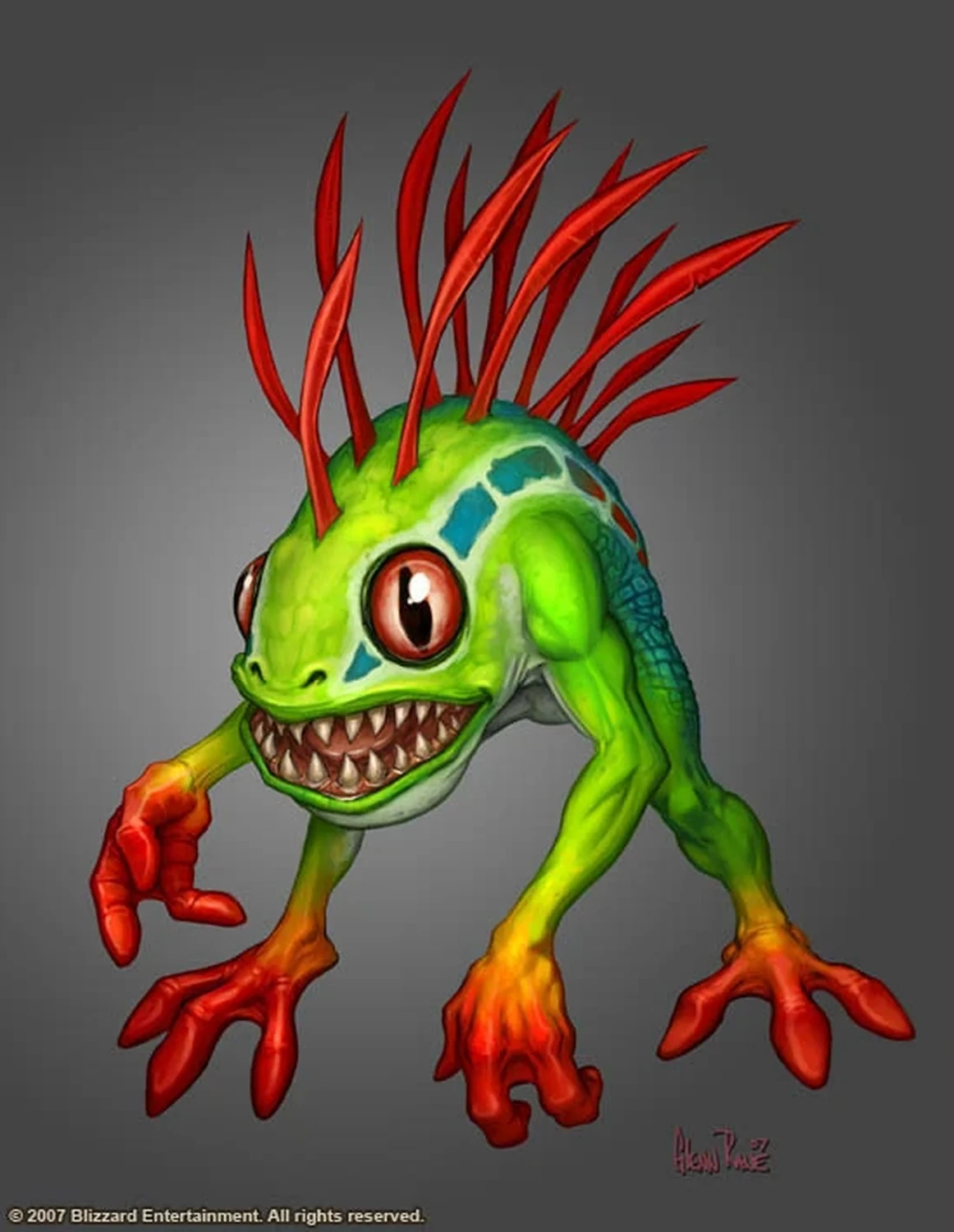
Thrall met Sen'jin's Darkspear trolls while his Horde was traveling toward Kalimdor. The Darkspear were not Amani forest trolls; they belonged to a different branch with its own island home and leaders. The crisis on the islands deepened when Sen'jin was captured in a struggle involving hostile murlocs.
The Darkspear leader had already encountered Thrall's orcs during their voyage west, when shared enemies made cooperation possible. The appearance of the orcs offered assistance against one set of enemies, but the murloc threat created a different crisis that could not be solved without sacrifice. When the Darkspear traveled with Thrall toward Kalimdor, they carried the memory of Sen'jin into a new alliance.
Surviving Darkspear trolls escaped their endangered islands with Thrall's orcs and continued toward Kalimdor. The Darkspear had lost their chief and could no longer rely on their island refuge. They would eventually settle the Echo Isles off Durotar, only to face another crisis under the witch doctor Zalazane.
The Darkspear made a new home on the Echo Isles after traveling with Thrall to Kalimdor. The Darkspear had joined the Horde through shared fighting and migration rather than through conquest. The witch doctor Zalazane came to dominate many islanders through dark magic, forcing Vol'jin and the free survivors to withdraw.
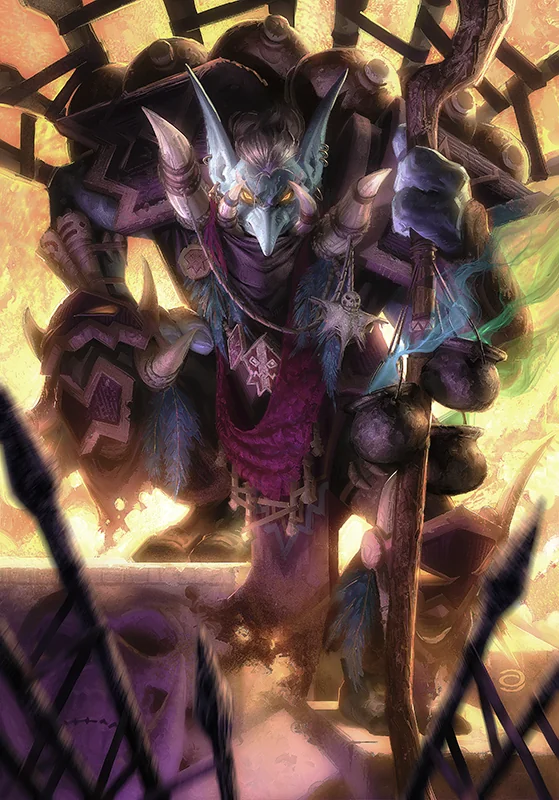
The original-era Troll Compendium identifies a witch doctor, Zalazane, who stripped numerous Darkspear trolls of free will and amassed followers on the Echo Isles. It forms part of the historical narrative “Vol’jin and Zalazane — The Divided Darkspear.” The same history also records vol’jin orders a darkspear retreat to the mainland settlement of sen’jin. Vol'jin faced a rebellion among his own people rather than a foreign invasion.
Vol’jin commands the remaining free Darkspears to leave the Echo Isles, and they establish Sen’jin Village on Durotar’s coast. It forms part of the historical narrative “Vol’jin and Zalazane — The Divided Darkspear.” The same history also records zalazane subjugates darkspear trolls with dark magic. Their withdrawal left the islands contested instead of securing the Darkspear homeland.
Medivh appeared to Thrall as a prophet and warned that the Horde must sail west to Kalimdor. Thrall did not yet understand the full scope of the Burning Legion's return. The prophet's warning is thus the beginning of both a migration and a wider alliance against the Legion.
Thrall's followers seized ships near Southshore so that the Horde could leave the Eastern Kingdoms for Kalimdor. The orcs had few reasons to expect help from nearby human authorities. The voyage set the stage for the encounter with Sen'jin's trolls and the eventual alliance with the tauren.
Arthas defended Strahnbrad against a Blackrock orc raid before joining Uther the Lightbringer in the attack on the raiders' encampment. Arthas responded as a commander expecting to meet an enemy he could identify and defeat with soldiers. Soon Arthas and Jaina would pursue reports of strange sickness and undead attacks, threats that could not be solved simply by overrunning an orc camp.
Arthas and Jaina Proudmoore followed signs of plague and secret cult activity through Lordaeron, tracing the spread of undeath to infected grain and the Cult of the Damned. The Cult served the Lich King through mortal agents who could move through human communities without appearing as an invading army. Kel'Thuzad's role connected the local outbreak to a larger design, and the investigation pushed Arthas toward the choices that culminated at Stratholme.
Uther and Jaina refused Arthas's order to purge Stratholme when he concluded that its citizens were infected with the undead plague. Grain had brought the plague into human communities, and Arthas believed that those not yet visibly undead would soon rise as servants of the Scourge. Mal'Ganis continued to draw him north, and the prince increasingly pursued victory through actions that severed the bonds of duty and restraint.
Arthas prevented his Northrend expedition from sailing home after King Terenas ordered the soldiers to return. Northrend was a cold and hostile land where Arthas hoped to confront the dreadlord he blamed for the plague in Lordaeron. The destruction of the fleet is a step toward his decision to take up Frostmourne despite warnings about its cost.
Arthas killed Uther the Lightbringer while seeking the urn containing King Terenas's ashes. Uther had resisted the purge of Stratholme and stood for a code of service Arthas had abandoned. Arthas's victory cleared a path for the undead campaign leading toward Quel'Thalas.
Arthas killed Archmage Antonidas during the Scourge assault on Dalaran and seized Medivh's spellbook. Dalaran had long served as a place where human mages studied and governed the dangerous practice of arcane magic. The spellbook's loss allowed Kel'Thuzad to complete a summoning with consequences far beyond the city.
Archimonde destroyed Dalaran after Kel'Thuzad summoned him into Azeroth during the Third War. The Scourge prepared the way for the Legion by breaking the defenses of Lordaeron, conquering Quel'Thalas, and acquiring Medivh's spellbook. Archimonde would ultimately march against the World Tree on Mount Hyjal and be destroyed by the wisps summoned through Malfurion's plan.
Thrall encountered Cairne Bloodhoof and helped tauren families move through the Barrens while centaur attacked them. The tauren had long lived in scattered communities under pressure from centaur raiders. The alliance grew through further dangers and ultimately helped the tauren secure Mulgore.
Warsong orcs cut timber in Ashenvale as the Horde sought materials for its new settlements, bringing them into conflict with Cenarius and night elven defenders. The Horde's arrival had not been a peaceful expansion into uninhabited territory. The confrontation became more dangerous when demonic corruption offered the Warsong a way to overcome Cenarius.
Grom Hellscream and the Warsong clan killed Cenarius after drinking waters corrupted by demonic power. The conflict began when Warsong logging brought orcish axes into forests defended by the night elves. Thrall later fought to free Grom from demonic control, and Grom's final struggle against Mannoroth would end the blood curse at the cost of his life.
Thrall and Jaina met Medivh at the Stonetalon oracle, where he revealed the Burning Legion as their common enemy. Thrall had guided the Horde to Kalimdor following Medivh's earlier warning, and Jaina had led survivors from Lordaeron after the Scourge destroyed much of the northern kingdom. Stonetalon therefore stands as a turning point not because peace was suddenly easy, but because the leaders recognized a danger that no one people could defeat alone.
Tyrande Whisperwind awakened Malfurion Stormrage and the druids sleeping in their barrows as the Scourge and Burning Legion threatened Kalimdor. Malfurion had helped save the world during the War of the Ancients and had later entered the Emerald Dream for long periods. The awakening marks the point at which the night elves turned from defending isolated borders to mobilizing the deeper institutions of their civilization.
Malfurion expelled Illidan after his brother used the Skull of Gul'dan and transformed into a demonic being, even though Illidan had defeated Tichondrius. Illidan had been imprisoned for thousands of years after creating another Well of Eternity at Mount Hyjal. The incident captures the enduring argument between the brothers about whether a worthy end can justify using forbidden power.
Malfurion brought the wisps of Hyjal against Archimonde as the demon attempted to seize the power of the World Tree. The defenders had delayed Archimonde through a desperate coalition of human survivors, Thrall's orcs and allies, and night elven forces. The destruction of Archimonde ended the great battle at Mount Hyjal, not every conflict among the peoples who had fought there.
Maiev Shadowsong discovered naga fighting under Illidan Stormrage's command while pursuing him from the night elven coast. As she followed his trail, the appearance of naga changed what the hunt meant. The pursuit carried Maiev toward the Tomb of Sargeras and the Eye sought by Illidan.
Illidan entered the Tomb of Sargeras and obtained the Eye of Sargeras while Maiev pursued him through its dangerous passages. Gul'dan had sought the tomb during the Second War, abandoning the Horde's main campaign in pursuit of forbidden power. Illidan later tried to use the Eye at Dalaran, where Malfurion and Maiev interrupted the spell.
Maiev sought help from Malfurion and Tyrande as her pursuit of Illidan became entangled with naga forces and dangerous magic. Maiev's duty as Illidan's jailer had defined her relationship with him long before the Third War. The assistance helped lead to the interruption of Illidan's spell at Dalaran and to the later crisis involving Tyrande's disappearance.
Malfurion and Maiev interrupted Illidan's use of the Eye of Sargeras at Dalaran, preventing him from completing his attack on the Frozen Throne. Illidan had secured the Eye in the Tomb of Sargeras after gathering naga followers and fleeing the Watchers. Stopping the spell did not settle the fate of Illidan or the Frozen Throne.
Tyrande was swept into a river during the pursuit of Illidan and the fighting against undead forces. Tyrande had joined Malfurion and Maiev in the struggle to stop Illidan's use of dangerous magic. The search ended with Tyrande alive and the brothers cooperating to rescue her.
Illidan and Malfurion cooperated to rescue Tyrande after her disappearance during the night elven campaign. Malfurion became a druidic guardian of the land, while Illidan remained fascinated by arcane power and was imprisoned for creating another Well. The successful rescue preserved Tyrande's place among the night elves but did not provide a reconciliation of every old dispute.
Prince Kael'thas accepted help from Lady Vashj's naga while his blood elves fought Scourge forces in Lordaeron. Kael's people had survived the destruction of Quel'Thalas and the loss of the Sunwell, leaving them weakened and in need of allies. Garithos responded by treating the cooperation as treachery, leading to the blood elves' imprisonment.
Grand Marshal Garithos imprisoned Prince Kael'thas Sunstrider and his surviving blood elf troops after they accepted Lady Vashj's help against the Scourge. The decision turned a strained military partnership into an open rupture. Kael's soldiers had lost their homeland and the Sunwell and were still fighting undead armies in Lordaeron. Garithos treated their reliance on unfamiliar allies as treachery instead of acknowledging the danger they faced.
Lady Vashj helped Prince Kael'thas and his blood elves escape captivity after Grand Marshal Garithos condemned them for accepting naga assistance. Her intervention rescued soldiers who had been fighting the Scourge but now faced punishment from their supposed allies. The escape ended their immediate dependence on Garithos's authority. It also deepened the relationship between the displaced elves and the naga who had defended them.
Arthas felt his strength weaken as the Lich King called him back to Northrend. Arthas had conquered much of Lordaeron for the Scourge and helped bring Archimonde into Azeroth, yet his master now stood in danger from Illidan's plans. Arthas sailed north and met Anub'arak, who helped him reach Icecrown through Azjol-Nerub.
Varimathras changed sides after Sylvanas defeated his forces in Lordaeron, agreeing to serve the newly independent Forsaken. The weakening Lich King had allowed Sylvanas and other undead to break free while rival dreadlords tried to hold the ruined kingdom. Varimathras later carried out Sylvanas's order to kill Garithos after the capital was recovered.
Sylvanas formed a temporary alliance with Garithos and his surviving human forces against Balnazzar's control of Lordaeron's capital. Garithos commanded remnants of the human military order left behind by the Scourge's destruction. After the capital fell, Sylvanas ordered Varimathras to kill Garithos and retained control for the Forsaken.
Varimathras killed Garithos after the joint campaign against Balnazzar returned Lordaeron's capital to Sylvanas's control. Garithos represented remnants of the armies that once defended Lordaeron, while Sylvanas commanded undead survivors determined not to serve another master. The event helped establish the Forsaken as rulers of the Undercity beneath Lordaeron's ruins.
Anub'arak met Arthas in Northrend and guided him through Azjol-Nerub toward Icecrown. Arthas had been recalled from Lordaeron because the Frozen Throne was in peril and his own strength was fading. Together the two fought their way toward Icecrown as Illidan's army contested the approaches.
Arthas defeated the dragon Sapphiron during his campaign in Northrend and raised the creature into undead service as a frost wyrm. Sapphiron belonged to the dragon kind whose history had long been entangled with the defense of Azeroth. The event belongs to Warcraft III: The Frozen Throne, before the later stories told about Sapphiron in the World of Warcraft raid era.
Arthas and Illidan fought for control of the magical obelisks surrounding Icecrown, whose power opened the way to the Frozen Throne. Illidan approached with naga and blood elf allies after Kil'jaeden renewed his demand that the Lich King be eliminated. Arthas ultimately prevailed and defeated Illidan before climbing to the Frozen Throne.
Rexxar found the mortally wounded orc Mogrin and carried his report to Thrall during the Horde's early settlement in Durotar. Thrall's settlement faced dangers that could not all be recognized from inside Orgrimmar. Mogrin's report is significant as the beginning of that chain rather than as a major battle in its own right.
Rexxar and Rokhan helped Thrall's Horde confront the practical dangers surrounding its settlement in Kalimdor. Rexxar approached Thrall after carrying a message from the wounded orc Mogrin. The episode should be understood as the ongoing labor of settlement after Mount Hyjal, when victory over the Legion had not yet provided homes, supplies, or lasting peace.
Rexxar helped Cairne Bloodhoof recover his son Baine during the early campaign to defend Thrall's Horde. The tauren had encountered Thrall while fleeing centaur pressure through the Barrens. The successful rescue strengthened the bonds later reflected in Thunder Bluff's place within the Horde.
Jaina Proudmoore refused to join her father Daelin's war against Thrall's Horde in Durotar. Daelin remembered the old Horde as an invader that had ravaged the human kingdoms. Daelin's campaign ended in defeat and his death, but the disagreement survived as a warning about how quickly past injuries could destroy a new settlement.
The death of High King Modimus Anvilmar destroyed the uneasy balance among Ironforge's three great dwarf clans. The Bronzebeards were associated with the struggle to retain Ironforge; the Wildhammers sought a home suited to their own traditions; and the Dark Irons, under Thaurissan, would eventually turn toward destructive sorcery. The resulting War of the Three Hammers did more than change who held the mountain.
The Bronzebeard clan secured Ironforge during the War of the Three Hammers, forcing the Wildhammers and Dark Irons to leave the ancient mountain kingdom. The struggle followed the death of the high king, when the three clans turned competing claims into open warfare. Later Dark Iron attacks would threaten Ironforge again, and the conflict culminated in the summoning of Ragnaros.
Khardros Wildhammer led his displaced clan north through Dun Algaz to establish a new home at Grim Batol. The move followed the Bronzebeards' victory in the civil war after Anvilmar's death. Grim Batol would later suffer a devastating Dark Iron assault led by Modgud, leaving a curse that drove the Wildhammers away again.
Sorcerer-Thane Thaurissan led the Dark Iron dwarves south after their defeat in the struggle for Ironforge. The Bronzebeards kept Ironforge, and the Wildhammers departed for Grim Batol, while the Dark Irons refused to accept their exclusion as final. When their campaign failed, Thaurissan's attempt to call upon destructive power brought Ragnaros into the world and transformed the mountain region forever.
Thaurissan and Modgud launched separate Dark Iron assaults against Ironforge and Grim Batol, reopening the war among the dwarven clans. The Bronzebeards had secured Ironforge, while the Wildhammers had founded a second kingdom farther north. Modgud fell and Grim Batol was left cursed, while Thaurissan's own defeat drove him to disastrous magic.
After the Dark Iron threat, the Bronzebeards and Wildhammers restored limited contact despite the grievances that had driven them apart. The Bronzebeards retained Ironforge, but the Wildhammers lost Grim Batol to the effects of Modgud's assault and ultimately found another home in the Hinterlands. History left lasting divisions, yet practical friendship endured between the Bronzebeards and Wildhammers.
The dwarves of Ironforge built the Thandol Span to maintain a reliable connection with their Wildhammer kin farther north. The Bronzebeards kept Ironforge, while the Wildhammers first went to Grim Batol and then established themselves in the Hinterlands after the Dark Iron attack. The bridge later became part of the contested landscape of the Eastern Kingdoms, where armies and travelers crossed the same routes once built to link dwarf communities.
The Wildhammer dwarves established Aerie Peak in the Hinterlands and forged a strong bond with the region's gryphons. The Wildhammers had already been driven from their ancestral mountain after the Bronzebeards won the civil war. Its history explains why their gryphon riders stand alongside the Bronzebeards as allies while retaining their own customs, leaders, and mountain homeland.
Ironforge endured an orcish siege during the Second War even as Horde armies overwhelmed other positions in Khaz Modan. The orcish invasion had already destroyed Stormwind and pushed the conflict into the lands of other peoples. The siege showed why the Bronzebeards' ancient control of Ironforge mattered in a war far removed from the Three Hammers.
Kurdran Wildhammer and his gryphon Sky'rie earned renown fighting dragons during the Alliance's campaigns. The Wildhammers had developed their gryphon-riding tradition after leaving Grim Batol for the Hinterlands. Kurdran later joined the Alliance expedition that crossed into Draenor to confront Ner'zhul's renewed plans.
Kurdran Wildhammer crossed the Dark Portal as part of the Alliance expedition sent to confront the Horde's renewed threat on Draenor. The Alliance had defeated the Horde in the Second War, but Ner'zhul's plans to open new gateways threatened to renew the danger. The expedition confronted the destruction of Draenor as Ner'zhul's portals tore the world apart.
Muradin Bronzebeard represented Ironforge in Lordaeron and instructed the young Prince Arthas in arms. Ironforge's alliance with the human kingdoms had been strengthened through the Second War, and Muradin's presence in Lordaeron reflected those continuing ties. The friendship gained tragic importance in Northrend when Arthas sought Frostmourne despite Muradin's warnings.
Muradin Bronzebeard helped found the Explorers' Guild as Ironforge's dwarves began systematically investigating the wider world and their own history. The Bronzebeards had long defended Ironforge and contributed technical expertise to the Alliance. The guild later sent researchers through the Eastern Kingdoms and into ancient sites such as Uldaman.
King Magni Bronzebeard directed greater Ironforge resources toward archaeology as discoveries raised questions about the dwarves' earliest past. The dwarves had inherited stories of clans, mountains, and wars, but ruins such as Uldaman pointed toward a much older world. Archaeology did not settle every ancient mystery at once; instead it opened a continuing inquiry into what the dwarves had once been.
Brann Bronzebeard spent years surveying remote regions of the Eastern Kingdoms for the Explorers' Guild. The guild sought to understand both ancient ruins and the living world, gathering information about settlements, creatures, and forgotten civilizations. Brann's travels eventually intersected with the unanswered fate of his brother Muradin.
Brann Bronzebeard went missing after traveling toward Northrend to seek information about his brother Muradin. The events surrounding that blade left the dwarf absent and his fate uncertain to those at home. His disappearance demonstrates the limits of even the Explorers' Guild's knowledge and the personal risks of seeking lost history.
High Explorer Magellas directed the cataloguing and fieldwork of Ironforge's Explorers' Guild. To pursue that goal, evidence had to be collected, compared, and preserved. Magellas's role helps explain why dwarven scholars appear across the world and why Ironforge supports work at sites such as Uldaman.
Emperor Dagran Thaurissan ruled the Dark Iron dwarves from Shadowforge City beneath Blackrock Mountain. The Dark Irons had once fought their Bronzebeard and Wildhammer cousins for control of Ironforge. Dagran's position also became entangled with Ironforge through Princess Moira Bronzebeard, whose presence in Blackrock Depths troubled King Magni.
King Magni Bronzebeard sought the return of his daughter Moira from Emperor Dagran Thaurissan's stronghold in Blackrock Depths. The Bronzebeards had held Ironforge since the War of the Three Hammers, while the Dark Irons remained associated with the catastrophes unleashed by Thaurissan and Ragnaros. Moira's situation matters because it shows that the divided clans were still connected by personal and dynastic ties, however bitter their relations.
Ironforge sheltered gnomes who escaped the fall of Gnomeregan. Gnomish inventors had long aided the Alliance with machines, reconnaissance craft, and technical skill. The refuge speaks to the Alliance's ability to offer shelter even when it cannot immediately reverse a member people's disaster.
Uldaman is an ancient titan-forged vault in the Badlands that preserves the mysteries of the earthen and the earliest dwarven ancestors. Original WoW presents Archaedas and Ironaya as guardians of its old secrets. Later lore explains that they escaped with the Discs of Norgannon after Tyr confronted Zakajz and Kith’ix. It is a bridge between the original dwarf origin mystery and the later reconstructed story of the troll empires.
Dwarven excavators working near Bael Modan came into conflict with tauren communities in the southern Barrens. The Explorers' Guild and associated expeditions sought clues to the dwarves' distant origins throughout the world. The encounter at Bael Modan belongs to the larger story of competing settlements after the Third War, when the Horde's allies and the Alliance's explorers came into contact on Kalimdor under difficult circumstances.
Frostmane trolls and troggs threatened dwarven settlements and routes around Dun Morogh and Loch Modan. The Frostmane were a troll people distinct from the forest trolls who had fought Quel'Thalas. It adds scale to Ironforge's history: while kings studied ancient relics and the Alliance remembered campaigns against the Horde, ordinary dwarves still needed protection close to home.
Dark Iron dwarves continued to operate beyond Blackrock Mountain, appearing in contested regions around the Badlands and other approaches to the south. The Dark Irons had emerged from the War of the Three Hammers as a separate power under the Firelord's shadow. It should not be read as proof that any particular player has already expelled them from these lands or that the divided clans have settled their disputes.
Wildhammer dwarves at Aerie Peak maintained their distinctive gryphon-riding culture and their political separation from Ironforge. The clan had once shared Ironforge with Bronzebeards and Dark Irons, but civil war drove it away. Gryphon riding is the visible expression of that separate past.
The Thorium Brotherhood consists of smiths associated with Dark Iron traditions who work outside the main power of the Firelord's clan. Blackrock Mountain had become a center of fire, mining, and powerful forgework after Ragnaros's summoning. The available early history establishes the organization more firmly than a detailed account of its founding.
Dwarven sappers and craftsmen provided the Alliance with tools for siege warfare and difficult engineering tasks during the Second War. The Alliance fought across fortresses, rivers, mountain passes, and coastlines, where courage alone could not remove every obstacle. The battlefield roles of sappers and riders show how the Alliance became effective by joining specialized traditions from several kingdoms and clans.
Dark Iron dwarves based in Shadowforge City competed with Blackrock orcs for control within Blackrock Mountain. The Dark Irons' presence followed the War of the Three Hammers and the summoning of Ragnaros, which bound their history to the Firelord's domain. Blackrock Depths and the upper reaches of the mountain therefore presented different enemies and political interests to travelers.
Cairne Bloodhoof's tauren regained a secure foothold in Mulgore after receiving help from Thrall's orcs against centaur pressure. Cairne encountered the orcs while leading his community through danger, and mutual assistance created trust between the two leaders. Mulgore remained a living homeland rather than a place freed from every enemy.
Cairne Bloodhoof established Thunder Bluff high above the grasslands of Mulgore as a refuge for the tauren tribes. The Bloodhoof people had been helped by Thrall's Horde during their flight through the Barrens. It became a center of trade, craftsmanship, and worship of the Earth Mother, joining tauren culture to the wider Horde without surrendering its identity.
Tauren tribes gathered under Cairne Bloodhoof as the people sought security in Mulgore and a new home at Thunder Bluff. Cairne's alliance with Thrall was one reason he could offer hope beyond the survival of his own Bloodhoof clan. The Grimtotem and other dissenters show that the coalition contained real political differences.
The Great Hunt remained central to tauren culture as a way for younger members of the people to prove their ability and responsibility in the world. The tauren revered the Earth Mother and maintained practices that linked spiritual life with daily survival. Thunder Bluff and the alliance with Thrall changed the political circumstances of the tauren without erasing their older ways.
Thunder Bluff became a gathering place for merchants, artisans, spiritual leaders, and hunters from across the tauren tribes. With safer territory established in Mulgore, the tauren could build spaces for communal gathering rather than devoting all their strength to flight and defense. The settlement did not remove every tension among the tauren or end dangers beyond its cliffs.
The future of Thunder Bluff was already a subject of speculation while Cairne Bloodhoof still led the tauren. Cairne's scattered people had followed the herds and defended themselves against centaur attacks until their alliance with the orcs opened the way to a permanent home. The distinction matters because the tauren's new unity was not self-sustaining, and disagreements among their clans would continue to test it.
Magatha Grimtotem commanded one of the tauren's sternest factions while Cairne Bloodhoof governed from Thunder Bluff. Magatha's following was therefore more than a family faction: it represented a rival conception of the tauren's future. After the tauren helped Thrall's forces and established themselves in Mulgore, an internal dispute remained.
Cairne Bloodhoof's leadership brought the tauren a refuge in Mulgore, but it did not win the allegiance of every ambitious elder. Thrall's arrival and the alliance with the Horde helped Cairne change that predicament, allowing the establishment of Thunder Bluff as a central home. Cairne's authority remained intact, as did the Grimtotem's distinct leadership and ambitions.
During the Burning Legion's invasion, Hamuul Runetotem encountered Malfurion Stormrage, the night elves' foremost druid. Hamuul had known Cairne Bloodhoof since childhood and remained closely bound to the tauren community. The 2004 manual makes this unusual interval part of his significance, rather than suggesting an uninterrupted recent tauren druidic order.
Hamuul Runetotem carried Malfurion Stormrage's druidic teachings into Thunder Bluff after the defeat of the Burning Legion. Its older traditions belonged to the night elves and to the worship and protection of nature associated with Cenarius. Hamuul remained a supporter of Cairne Bloodhoof and served as Thunder Bluff's elder druid.
Camp Narache stands on the southern plains of Mulgore, where young tauren begin their service to their people. Cairne Bloodhoof's tribes had endured repeated centaur aggression before the Horde's arrival enabled a more stable settlement and the establishment of Thunder Bluff. Accounts of nearby Bristleback pressure belong to the same opening circumstances.
Bristleback quilboar encroached upon the hunting lands around Camp Narache, challenging a settlement whose people depended upon the open plains. The greater tauren migration had been driven by centaur attacks, and settlement in Mulgore was part of Cairne Bloodhoof's answer to that long danger. Original quest material describes an ongoing situation and invites action against the intruders.
Young tauren undertaking the Rite of Strength faced a test rooted in the dangers around Camp Narache. Cairne's people had escaped a prolonged struggle with centaur enemies through alliance and resettlement, yet they still needed hunters and defenders who could protect their new home. The existence of the rite and the Bristleback threat can be reported without choosing a canonical player or outcome.
Alexstrasza, called the Life-Binder, held a charge far older than the human or orc kingdoms that later fought across Azeroth. The Aspects were entrusted with distinct responsibilities: the red flight was associated with life, the green with nature and dreams, and other flights with time, magic, and the earth. Alexstrasza's ancient charge and later imprisonment belong to the same history because both concern responsibility for the living.
Ysera's green dragonflight guarded the living world's natural balance and maintained a profound connection to the Emerald Dream. Earlier history connected Ysera with the other Aspects, whose unity was broken by Neltharion's betrayal. Ysera's influence does not require that every green dragon be assigned a named mission or that later stories about the Emerald Dream be imported.
The black dragonflight had become feared long before the events of Warcraft III, but its infamous leader was no longer openly present. Neltharion had once been the Earth-Warder, one of the Aspects chosen to protect Azeroth. Contemporary Warcraft III material places some black dragons in the Barrens and leaves Deathwing's fate unresolved.
Nozdormu's guardianship concerned time itself, setting the bronze dragonflight apart from those charged with life, nature, magic, or the earth. In the War of the Ancients novels, events separated by ages become entangled, and the significance of time is not merely abstract. The surviving early material supports Nozdormu's distinctive office and the vulnerability of a world whose past can shape its future.
Before he was feared as Deathwing, Neltharion belonged to the five great protectors of Azeroth. The Aspects' charges gave them separate responsibilities while binding them to a common defense of Azeroth. The story is not a license to explain his corruption using histories published long afterward.
During the War of the Ancients, Neltharion offered the dragon Aspects a weapon that seemed capable of turning back the Burning Legion. The Legion threatened ancient Kalimdor through the portal being prepared at the Well of Eternity, and even the might of the dragonflights appeared necessary to resist. The artifact survived as a source of danger and would eventually be used to hold Alexstrasza captive during the Second War.
The blue dragonflight paid a terrible price when Neltharion turned the Dragon Soul against his fellow Aspects. The War of the Ancients had forced the dragons into conflict with the Burning Legion and its allies. Malygos's response belongs to the early accounts without any need for invented numbers of dead dragons or precise descriptions of every surviving lair.
The Dragon Soul did not cease to threaten Azeroth when the Burning Legion's first invasion ended. Neltharion had gained the trust of his fellow guardians and turned their gifts against them during the War of the Ancients. The Second War brought the consequence into sharper focus when the Dragonmaw clan used the weapon associated with the Demon Soul to control Alexstrasza and her brood.
Alexstrasza's imprisonment turned the Dragon Roost into one of the Horde's cruelest engines of war. The Horde's armies needed more than infantry to challenge the Alliance across northern Azeroth. The Dragon Roost's operations drew their authority from magical domination, not a legitimate allegiance of the red flight.
The Dragonmaw carried out the magical subjugation, but the scheme was larger than a single clan's ambition. The Black Tooth Grin's loyalty to Blackhand's legacy survived his death, while the Dragonmaw, led by Zuluhed, remained close to that faction of the Horde. Once the Dragonqueen was captive, her young were raised to attack the Alliance from the air.
The Horde's dragon handlers faced a contradiction at the Dragon Roost: the stronger Alexstrasza's offspring grew, the more dangerous they became to their captors. The Dragonmaw clan exploited her eggs and trained the young for combat, creating the dragon-rider force feared by the Alliance. No invented slaughter scene is needed to convey the significance of the Dragonmaw's treatment of the red flight.
The Demon Soul's destruction at Grim Batol broke the power that had helped keep Alexstrasza captive. Alexstrasza had been forced to provide offspring for Horde dragon riders, a practice described in the Warcraft II manual. The rescue is remembered through the roles of Rhonin and the allies drawn into his mission, together with the actions of the dragons themselves.
In the ruined north of Lordaeron, the Argent Dawn organized resistance to the Scourge beyond the loyalties of Horde or Alliance. The Scourge's rise during the Third War had brought down Lordaeron's monarchy and devastated cities such as Stratholme. The Dawn's cross-faction character also distinguishes it from the Scarlet Crusade, whose zealotry turned anti-Scourge purpose toward a harsher and more suspicious view of outsiders.
The Bulwark stood where Tirisfal gave way to the Western Plaguelands, marking an uneasy border between the Forsaken's homeland and lands held by the Scourge. Tirisfal had once belonged to the northern human kingdom, but the fall of Lordaeron altered every neighboring territory. Argent recruitment and the commissions given to willing fighters make the border a living point of conflict.
An orc named Garush served as an Argent Dawn officer at the Bulwark, carrying the order's anti-Scourge mission to travelers approaching from the Forsaken lands. The Bulwark lay on the edge of the Western Plaguelands, where the destruction caused by the Scourge still dominated the countryside. Original quest material establishes Garush's station and duties, not the eventual fate of every recruit.
Argent Quartermaster Hasana kept supplies and rewards moving through the Bulwark, the order's western approach to the Plaguelands. The Scourge's armies remained a constant danger after the Third War, and holding small outposts required continuous support. A troll entrusted with the distribution of rewards reveals the Dawn's multiracial character at a moment when other forces divided themselves by suspicion and ancestral grievance.
Argent Dawn personnel maintained an organized presence at the frontier, offering a foothold for those willing to face the undead. After Arthas's campaigns destroyed Lordaeron, the remnants of northern society faced dangers from both plague and surviving undead hosts. The western camp should be presented as part of a contested landscape rather than a completed defensive line.
The Argent Dawn asked those of different nations and peoples to fight a common enemy in the Plaguelands. The order's officers operated near the Western Plaguelands and farther east at Light's Hope Chapel. The Dawn remained a separate organization at this point, even while members of hostile factions could cooperate under its purpose.
A small commission carried real weight in the Argent Dawn's struggle against the Scourge. The devastation of Lordaeron had left undead threats spread across wide territories, and no single victory could secure the region. The commission and Scourgestones establish how the Dawn operated, not a tally of finished victories.
Both the Argent Dawn and the Scarlet Crusade arose in a world scarred by the Scourge, but they answered that catastrophe differently. The Scourge had destroyed the northern kingdom, and survivors sought organizations capable of opposing enemies their former armies had failed to stop. The Dawn's officers invited service from various peoples, while the Scarlet Crusade's conduct made it a danger even to those who also fought the undead.
Light's Hope Chapel gave the Argent Dawn an enduring point of resistance in the Eastern Plaguelands. The Third War had spread the plague through Lordaeron, brought down Stratholme, and left much of the north contested by the Scourge. The chapel's presence should not be used to anticipate later campaigns or proclaim later victories already won.
Stratholme remained an emblem of Lordaeron's destruction, and the Argent Dawn's struggle against the Scourge could not ignore it. The city's catastrophe began during the Third War, when plague and Arthas's desperate decisions drove it toward ruin. Original dungeon and quest material describes objectives open to adventurers rather than a completed campaign with a named victor.
The danger of dark cults was not confined to Lordaeron's ruined provinces. Ashenvale had already suffered invasion and disruption during the Third War, when the Burning Legion threatened night elves and newcomers alike. Nor should the association be inflated into a claim that the Dawn controlled Ashenvale.
Its officers recruited willing fighters, maintained positions at the approaches to the Plaguelands, and supported resistance around Light's Hope Chapel. The order's membership and recruitment distinguished it from the Scarlet Crusade and from the armies of the Horde and Alliance. Later developments cannot be used to rewrite the Dawn as though a subsequent organization already existed.
Sargeras began as the titans' champion against demonic threats but rejected the purpose he had sworn to defend. By assembling the Burning Legion, he turned the powers he once hunted into an army of conquest. That betrayal lay behind the ancient invasion through the Well of Eternity and the demonic menace that returned to Azeroth in later wars.
The titans brought order to an Azeroth already scarred by elemental powers and the Old Gods. Five dragon Aspects inherited the work of protecting the world through time, life, nature, magic, and earth. Their guardianship endured for ages, yet Neltharion's betrayal revealed how vulnerable even such powerful protectors could become.
Before the kaldorei dominated Kalimdor, troll peoples had built empires and fought terrible wars against the insectoid aqir. The Gurubashi and Amani traditions belong to a history extending far beyond the kingdoms that later fought over southern jungles and northern forests. Troll memory preserved rival stories about the origin of the night elves, including a theory that early elves descended from trolls altered by the Well.
The kaldorei built their civilization around the Well of Eternity, and its magic enabled an empire of extraordinary reach. Azshara's adviser Xavius became entangled with demonic power, and Legion armies poured into ancient Kalimdor. Survivors faced a transformed land, and Azshara's underwater court survived in the forms later encountered as naga.
The dragon Aspects entered the War of the Ancients as defenders, believing their combined power might defeat the Burning Legion. Neltharion, formerly the Earth-Warder, became remembered as Deathwing, a being whose mastery of the earth now inspired terror rather than protection. The Dragonmaw held Alexstrasza in Grim Batol and compelled her brood to fight for the Horde; the Demon Soul eventually had to be broken to release her.
Malfurion Stormrage's apprenticeship to nature placed him at odds with the Highborne's reckless use of the Well of Eternity. Tyrande, other kaldorei resisters, and allies drawn into the ancient conflict helped challenge the Legion. When the Well collapsed, Kalimdor was torn apart and the Maelstrom formed.
Illidan Stormrage survived the Sundering with a vision of magic that his fellow night elves regarded as dangerously familiar. Illidan's decision therefore struck at the heart of the new society's effort to reject uncontrolled arcane practice. The guardians later planted Nordrassil above the new Well, and the dragonflights' blessings tied the great tree to night-elven longevity and the Emerald Dream.
After the Sundering, the night elves turned away from imperial expansion toward a long guardianship of their remaining lands. The old kaldorei empire had used the Well of Eternity to build cities and sustain an elite class of arcane practitioners. Newcomers and enemies eventually reached the woods, and the Third War brought the Burning Legion back to Kalimdor.
The Highborne who refused to abandon arcane magic became exiles from the night-elven homeland. After the Sundering, night-elven leaders treated unrestricted arcane practice as an intolerable danger. Forest troll resistance became an enduring part of Quel'Thalas's history and helped shape later relations between elves and humans.
The kingdom of Arathor joined formerly separate human tribes under Thoradin, creating a power that could challenge the forest trolls. The high elves appealed to Arathor when the Amani threatened Quel'Thalas, and human forces aided them in battle. The Council of Tirisfal arose from that concern, taking its name from the glades where its members assembled.
The dwarves of Ironforge traced their earliest past not to a single mortal founding king but to the buried works of the titans. The people who left the underground halls spread into the surrounding mountain country. The ancient account should not be supplemented with identities and cosmic mechanisms invented in later histories.
The unity once achieved under Arathor gradually gave way to distinct human kingdoms. Arathor's capital at Strom had once helped unite the human tribes and defend them during the Troll Wars. Stormwind's fall in the First War would drive refugees north, encouraging the rulers of these realms to reconsider their separate concerns.
The centaur's origin was bound to the strange union of Zaetar, a keeper descended from Cenarius, and Princess Theradras. Cenarius's descendants included nature-bound keepers and dryads, and Zaetar belonged to that older line. Cairne Bloodhoof's encounter with Thrall occurred against this background of persistent harassment.
The Guardian Aegwynn defeated the avatar of Sargeras, believing she had prevented a direct demonic threat to Azeroth. The Guardians were created to combat hidden demonic threats at a time when uncontrolled arcane magic had drawn danger toward the human kingdoms. An ancient deception survived beneath the appearance of victory and undermined Azeroth's defenses from within.
The death of High King Modimus Anvilmar left the dwarves' three great clans struggling over the inheritance of a shared kingdom. War divided the Bronzebeards of Ironforge, the Wildhammers of Grim Batol, and the Dark Irons led by Thaurissan and Modgud. Curses drove the Wildhammers east, while Thaurissan's summoning of Ragnaros devastated the land and enslaved his surviving followers. The fracture gave the dwarven peoples their separate homelands and rivalries for generations.
In the ruins of Gurubashi greatness, desperate troll leaders sought strength from Hakkar the Soulflayer. The Gurubashi had suffered from the Sundering and the long erosion of their ancient empire. The exile of his followers helped carry the danger into the swamps where the Temple of Atal'Hakkar was built.
Durotan and Orgrim Doomhammer knew one another before the Horde's invasion brought their peoples into war with Azeroth. Durotan led the Frostwolf clan and resisted the full surrender of orcish identity to demonic influence. Durotan's warning about Gul'dan and the Shadow Council cost him his life, and his son Thrall was left without his parents.
The Horde's invasion was prepared by the destruction of the orcs' spiritual independence on Draenor. Gul'dan and the Shadow Council displaced shamanic customs with warlock power, while Mannoroth's blood bound warriors to the Burning Legion's designs. Some clans, especially Durotan's Frostwolves, resisted the transformation and paid for their dissent. The corruption turned divided clans into a conquering army whose legacy Thrall would later struggle to overcome.
The Frostwolf clan's refusal to accept the Horde's corruption placed Durotan in danger before and after the invasion of Azeroth. As the clans prepared for conquest, the offer of demonic strength divided those who sought victory at any cost from those who feared what the bargain would destroy. The son who later became Thrall inherited none of his parents' security, yet eventually recovered their story.
The creation of the Dark Portal brought the orc clans of Draenor into direct war with Azeroth's human kingdoms. Gul'dan's schemes and Sargeras's influence over the Guardian Medivh converged to open the passage, placing Blackhand's Horde on Stormwind's doorstep. Early resistance could slow the invasion but not stop the danger flowing between worlds. Stormwind's eventual defeat drove its survivors north and helped give birth to the Alliance that would fight the Second War.
Durotan and Draka sought to expose Gul'dan's hidden influence over the Horde, but their warning ended in murder. Durotan had led the Frostwolves through exile and opposition to the choices made by many other orc chiefs. Thrall's survival would later connect the old Frostwolf traditions to the liberation of the internment camps and the rise of the New Horde.
Medivh was born to the Guardian Aegwynn, inherited extraordinary power, and became the means by which the orcish Horde entered Azeroth. Medivh's later actions helped open the Dark Portal with Gul'dan's cooperation, granting the orcs entry to Stormwind's kingdom. Medivh's history remains divided between the consequences of power abused and the struggle to avert another catastrophe.
Orgrim Doomhammer overthrew Blackhand as the Horde's first invasion unfolded, replacing a warchief whose authority served Gul'dan's concealed designs. Blackhand had led the Horde under the influence of the Shadow Council, which used the clans' strength for purposes not openly acknowledged. Orgrim's later fate took a different course after defeat and the years of internment, ending in his participation in Thrall's liberation movement.
Stormwind resisted the first orcish invasion until war reached the heart of the kingdom. Stormwind's defenders learned that the orcs possessed powerful warriors and magic shaped by dark influences. The Alliance of Lordaeron arose from that danger, and Lothar became central to its war against the Horde.
The Alliance of Lordaeron emerged when the northern human kingdoms understood the danger revealed by Stormwind's destruction. King Terenas helped bring the rulers together after refugees described Stormwind's fall. The Second War's conclusion created internment camps and new political problems across the human kingdoms.
The Dragonmaw clan's captivity of Alexstrasza converted the power of the red dragonflight into a weapon for the Horde. The practice stood in harsh contrast to Alexstrasza's ancient charge as Life-Binder. The imprisonment continued as a stain upon Grim Batol until the later rescue described in Day of the Dragon.
The Amani formed the great forest-troll power of northern ancient Kalimdor and later the northern Eastern Kingdoms. Their traditions centered on territory, warrior authority, and reverence for the loa, while their capital at Zul’Aman became a symbol of independence. Later accounts identify the defeat of Kith’ix as a formative ancient victory near that site. By the beginning of original WoW the Amani retained Zul’Aman but had lost much of their empire to the high elves and the human–elven Troll Wars.
Gul'dan's hunger for demonic secrets eventually proved more powerful than his allegiance to the Horde. During the Second War he led followers away from Orgrim Doomhammer's army in pursuit of the legendary tomb beneath the sea. The desertion weakened the Horde at a crucial moment, while the horrors inside the ruins killed the warlock himself. His end exposed the destructive ambition that had helped corrupt the orc clans in the first place.
The Second War ended with defeated orcs held in internment camps across the human kingdoms. Terenas and the Alliance governments faced hard decisions about an enemy that had destroyed Stormwind and invaded the north. With allies including Orgrim Doomhammer and the Frostwolves, he began freeing camps and gathering orcs into a new Horde.
The defeated Horde's homeworld was torn apart when Ner'zhul opened too many portals in search of escape. Alliance veterans under the Sons of Lothar had pursued the renewed threat into Draenor and found a land already ravaged by warlock magic. As the world began to break, Khadgar sealed the Dark Portal to spare Azeroth, stranding the expedition beyond it. The catastrophe severed the orcs from an intact homeland and left the fate of the Alliance expedition uncertain.
The Sons of Lothar crossed the Dark Portal to confront the renewed danger coming from Draenor. Each had ties to the wars that followed Stormwind's fall and the Alliance's victory over Orgrim's Horde. The final collapse forced Khadgar to close the Dark Portal even though it left his companions beyond reach.
The Dragonmaw clan's captivity of Alexstrasza gave the Horde control over a dragonflight devoted to protecting life. At Grim Batol, the Demon Soul enabled the exploitation of the Dragonqueen and her offspring long after the Second War's main campaigns had ended. Rhonin and his allies helped uncover and break that source of coercion. Alexstrasza's liberation ended a grave abuse of the dragonflights and weakened the legacy of Deathwing's ancient betrayal.
Thrall's escape from human captivity began the transformation of the defeated orcs into a new political and spiritual people. He sought the Frostwolves, learned the traditions suppressed by warlock rule, and united with Grom Hellscream and Orgrim Doomhammer to free the internment camps. Doomhammer's death passed leadership to the young son of Durotan. The new warchief inherited a broken Horde but chose liberation and shamanic renewal over the old campaign of conquest.
The Cult of the Damned made Lordaeron vulnerable before the Scourge’s armies swept openly across it. Kel’Thuzad, a mage once associated with Dalaran’s Kirin Tor, answered the Lich King’s summons and began organizing followers among the living. The cult carried Ner’zhul’s influence into settlements where plague and fear could prepare the way for undeath. Its success turned an unseen conspiracy into the catastrophe that destroyed the northern kingdom.
Tirion Fordring's encounter with the orc Eitrigg challenged the certainty of a paladin raised amid the hatreds of the Second War. After the Alliance's victory, many orcs remained imprisoned and human fears of another invasion endured. The friendship did not end the tension between Horde and Alliance or erase their losses.
Medivh returned in the guise of a prophet to warn Azeroth's leaders of the Burning Legion's coming invasion. The Guardian had once been implicated in opening the Dark Portal, bringing the first orcish invasion to Stormwind. Fear, pride, and mistrust remained powerful barriers, and events in Lordaeron moved toward tragedy.
Lordaeron's prince set out to halt a spreading plague and became the agent of the kingdom's ruin. Arthas hunted the Cult of the Damned, condemned Stratholme to slaughter, and followed Mal'Ganis into Northrend even as trusted companions turned away. Taking Frostmourne completed his surrender to the Scourge. He returned home to murder King Terenas, transforming a campaign of protection into the destruction of Lordaeron from within.
Quel'Thalas had endured centuries of conflict with the forest trolls, but the Scourge brought a devastation unlike those older wars. The high elves had built their homeland around arcane traditions preserved since Dath'Remar's exile from Kalimdor. Sylvanas's fate later became vital to the founding of the Forsaken, while Kael'thas sought a new identity for the surviving elves.
Thrall led the orcs west in response to Medivh's warning, seeking a future beyond the human kingdoms and their camps. The Darkspear had left Stranglethorn during the fragmentation of Gurubashi power, finding only temporary refuge at sea. Its Kalimdor allies joined through experiences of danger and mutual aid, though their histories remained distinct.
Grom Hellscream's struggle with the demonic blood curse reached its terrible turning point in Ashenvale. The Warsong had followed the New Horde to Kalimdor, but their violent encounter with the night elves and the demands of the forest war exposed old habits. Thrall and Grom confronted the demon, and Grom's final act shattered the blood curse.
As Lordaeron collapsed under the Scourge, Jaina Proudmoore made survival more important than remaining in the doomed northern kingdoms. In Kalimdor, the humans encountered night elves and the orcs who had also followed the prophet. The victory at Hyjal preserved both peoples while leaving unresolved questions about the new human settlement.
The Burning Legion's return forced the night elves to abandon the isolation of the Long Vigil. The night elves had long guarded Ashenvale and the World Tree, believing their ancient watch might prevent another catastrophe. Malfurion called upon the spirits of the forest, whose final assault destroyed the demon at Nordrassil.
Maiev Shadowsong had guarded Illidan Stormrage for ages, and his release during the Third War renewed her purpose. Illidan had assisted against the Burning Legion, but his use of the Skull of Gul'dan and his transformation divided the night elves. Maiev's story is one of duty carried beyond the institutions that defined it.
Kael'thas Sunstrider inherited leadership of the high elves after the Scourge shattered Quel'Thalas and ruined the Sunwell. He renamed the survivors blood elves to honor their dead, but could not restore the homeland they had lost. Their desperate struggle against undead armies brought them under the suspicious command of Grand Marshal Garithos. When naga assistance prompted the prince's imprisonment, the old Alliance relationship fractured rather than rescuing his people.
Lordaeron’s undead were not all destined to remain servants of the Lich King. When his influence weakened, Sylvanas Windrunner regained control of her will and rallied others who had escaped his command. She outmaneuvered dreadlords and human claimants in the ruined capital, turning a fractured war for Lordaeron into a new claim of independence. The Forsaken emerged from that struggle with an identity, a leader, and a home beneath the ruins of the kingdom that had fallen.
The Lich King's weakening power drew Arthas back toward Icecrown while Illidan raced north to destroy the Frozen Throne. Arthas had already destroyed Lordaeron and served the Scourge as a death knight. The final battle settled the immediate race: Illidan failed, and Arthas reached Ner'zhul's prison.
Rexxar arrived among Thrall's people as an outsider, a Mok'Nathal whose mixed orc and ogre heritage shaped his independence. The campaigns around Orgrimmar and the Barrens joined personal acts of assistance to wider questions of alliance. Daelin's defeat ended that immediate threat, while Thrall's people continued establishing their homeland.
After the defense of Mount Hyjal, the night elves faced the loss of blessings associated with Nordrassil and their ancient way of life. Nordrassil had stood over the second Well of Eternity, and its ancient blessings were closely tied to night-elven longevity and the Emerald Dream. The new tree embodies a tension present throughout postwar Kalimdor: ancient peoples sought continuity even as the conditions supporting their old world had been irreversibly changed.
Sylvanas Windrunner's Forsaken emerged from the collapse of the Scourge's control over parts of Lordaeron. Sylvanas had served unwillingly under Arthas before recovering enough freedom to challenge his authority. The Horde likewise contained peoples recently displaced or endangered, including orcs, tauren, and Darkspear trolls.
Gnomeregan's fall turned one of the world's most technically accomplished cities into a disaster for its own inhabitants. Gnomish engineering had supplied ingenuity to the Alliance, particularly in the wars against the Horde. Ironforge's welcome gave the survivors shelter, but did not restore Gnomeregan or resolve the fate of its trapped inhabitants.
In the aftermath of Lordaeron's fall, the Scarlet Crusade turned the struggle against the undead into a campaign of militant suspicion. The Third War shattered institutions that had once protected Lordaeron, leaving survivors with grief, anger, and a desire for certainty. The order's history is not simply that of evil disguised as resistance, but of resistance deformed until fear became a governing principle.
The Sunwell's legacy continued to trouble Azeroth after the Scourge devastated Quel'Thalas. The Sunwell had sustained high-elven magic for generations before Arthas used it to resurrect Kel'Thuzad. Its significance is the continued reach of an ancient magical inheritance after the place once associated with it had fallen.
Peace between Thrall's Horde and Jaina Proudmoore's human settlement remained fragile after the battle for Mount Hyjal. The founding of Orgrimmar and Theramore placed two new political communities within reach of one another on Kalimdor. The story explores the effort to stop provocations from hardening into another war.
Stormwind had risen again after its destruction in the First War, but its restored walls concealed serious vulnerabilities. VanCleef's Defias organized among people alienated from Stormwind's political order, establishing a base in the Deadmines. Stormwind's condition is the important fact: a kingdom that survived exile and reconstruction still faced dangers from its own institutions and the unaddressed injuries of its recent past.
Blackrock Mountain contained rival powers even after the Horde's defeats. The orcish presence grew from later invasions and the fragmentation of the old Horde after its defeat. Dungeon and raid challenges are possibilities presented to adventurers, not historical victories already achieved.
The Plaguelands remained one of the clearest signs that Lordaeron's destruction had never been reversed. Its spread destroyed farms, cities, and royal authority, leaving undead forces amid the shattered country. Early World of Warcraft does not depict the Plaguelands as already cleansed.
Ruins in Zul'Gurub, Zul'Farrak, and the Temple of Atal'Hakkar recall troll histories older than the modern kingdoms. The Gurubashi and Amani had once possessed far greater territories, while the Hakkari and Atal'ai preserved blood-god worship after revolts split the southern trolls. The gates of Ahn'Qiraj remain sealed, and the wider story of Zul'Gurub has not been resolved through subsequent raids.
Medivh's childhood revealed the danger of Guardian power long before the Dark Portal opened. Aegwynn had chosen Medivh to inherit the Guardian's abilities, seeking to pass on a defense against demons without submitting to the full authority of the Council of Tirisfal. The coma separated Medivh's childhood from the adult Guardian whose actions would alter Azeroth.
Stormwind's first defense against the orcs fell to King Llane and his champion Anduin Lothar, who confronted an enemy from beyond their world. The retreat demonstrated that the orcs could be beaten, but not that the portal or the armies behind it had been destroyed. The first defenses matter because they show the human response before the outcome was known: determination, adaptation, and the false comfort of victories won against an enemy who could return.
Garona's early chronicle of the invasion follows the Horde as it entered a world whose inhabitants were unfamiliar to its warriors. The first excursions brought plunder and violence to villages that had little understanding of the attackers. A failed attack on Stormwind helped drive tactical adaptation, showing that the humans could fight effectively in circumstances the orcs had underestimated.
Anduin Lothar disappeared during an expedition into the Deadmines while seeking the Tome of Divinity, leaving Stormwind without one of its greatest commanders. The campaign account identifies the ogre Turok among the dangers facing Lothar and describes a long absence before Stormwind could act on the information of his captivity. The rescue preserved Lothar's role in the First War and the later evacuation of Stormwind.
The Zandalar tribe is remembered in the original Blizzard Troll Compendium as the oldest known ancestor group of the other troll peoples. Its priestly and scholarly traditions remained influential while ambitious offshoots spread into different regions. Later histories connect Zandalar to the reawakening of Kith’ix and a campaign against the aqir that encouraged far-flung troll strongholds. The distinction between ancient spiritual continuity and later geographical separation is central to the development of troll society.
Ysera's guardianship of nature came into conflict with the worshippers of Hakkar when the Atal'ai established a temple deep within the swamp. The Atal'ai traced their cause to the downfall of Hakkar's influence among the Gurubashi. Its existence does not prove that any adventurer has already defeated the cult's plans.
The tauren preserved reverence for the Earth Mother through seasons of hardship, migration, and the founding of their home in Mulgore. Centaur pressure had driven tauren tribes across Kalimdor, threatening their survival before Cairne Bloodhoof joined Thrall's Horde. Thunder Bluff was a refuge built upon older beliefs, not the beginning of tauren identity.
Their settlements and ancestral ties belonged to woodlands also guarded by the night elves. The Burning Legion's return disrupted the ancient balance of Ashenvale and neighboring regions. The early source trail supports their presence, conflict, and vulnerability, but not a complete origin story or a universal history of their leaders.
Quilboar communities spread across parts of Kalimdor, where their territorial struggles frequently brought them into conflict with neighbors. Cairne's tauren had gained relief from centaur assaults through alliance with Thrall, but they still faced localized threats near Camp Narache. The early record should not transform every quilboar band into a single kingdom with an invented political history.
Gnolls inhabited parts of the Eastern Kingdoms and stood among the many dangers faced by settlements beyond the protection of major cities. Human lands had endured the First and Second Wars, the collapse of Lordaeron, and the rebuilding of Stormwind. The available original sources supply localized threats and some tribal distinctions but little secure ancient history for the race as a whole.
Murlocs occupied coasts, shallows, and waterways across Azeroth, making them familiar to travelers who ventured beyond the protection of towns. Murloc enemies participated in the ordeal that ended in the chieftain's death and the Darkspear's flight. The early sources do not establish a complete ancestral origin for murlocs or a universal political organization.
The conflicts were often local, but no less consequential to the people who depended on those resources. Human and dwarven lands possessed extensive mines and underground routes, some linked to the economies of strong kingdoms. Small conflicts such as these filled the world between battles against the Scourge, even when the chroniclers of great wars rarely named their participants.
Lord Xavius served Queen Azshara's court when the Highborne's use of the Well of Eternity opened the way for the Burning Legion. When the Legion drew near, the court's spellwork became the invasion's essential opening. The gateway's disruption and the Sundering destroyed the empire whose leaders had pursued such power.
Lord Ravencrest helped organize the kaldorei resistance against Queen Azshara's demonic allies during the War of the Ancients. The Legion's invasion was not a conventional war between two distant peoples. Others, including Jarod Shadowsong, assumed greater responsibility for the coalition and its allies.
Rhonin, Krasus, and the orc Broxigar were drawn backward into the War of the Ancients, arriving in a Kalimdor far removed from the world they knew. The ancient struggle centered on the Highborne's use of the Well of Eternity to create a path for the Burning Legion. The time displacement belongs to the admitted original-era novel account, but it does not justify borrowing later revisions of Azeroth's origins.
Jarod Shadowsong inherited a greater burden of command as the kaldorei resistance suffered losses during the Burning Legion's invasion. The murder of Ravencrest destabilized the resistance at a point when Sargeras's followers threatened much of ancient Kalimdor. The resistance could not save the old world intact, but it prevented the full arrival of Sargeras.
Ancient beings connected to the natural world joined the defense of Kalimdor when the Burning Legion invaded. The kaldorei resistance relied on many kinds of allies as Azshara's Highborne continued opening the way for Sargeras. The Sundering still destroyed the single continent, and the survivors established a new relationship with the land.
Illidan Stormrage entered the War of the Ancients with gifts and desires that set him apart even from his brother Malfurion. Azshara's court was using the Well to draw Sargeras into Azeroth while the resistance sought to interrupt the spellwork. After the Sundering, Illidan preserved waters from the Well and used them to make another upon Mount Hyjal.
Tyrande Whisperwind's role in the War of the Ancients brought the priesthood of Elune into direct conflict with Azshara's demonic alliance. Azshara's Highborne pursued the Legion's favor through the Well of Eternity, dividing their own society. The Sundering ended the old empire, but Tyrande's leadership survived its destruction.
An orc who had survived the Horde's wars found himself fighting in the ancient conflict that first threatened Azeroth. Displaced into the War of the Ancients, Broxigar joined Rhonin, Krasus, and the kaldorei defenders against the Legion's gateway at the Well of Eternity. He died confronting Sargeras, buying precious time for those struggling to close the portal. His sacrifice became part of a victory that saved the world from immediate conquest but could not prevent the Sundering.
The Highborne exiles led by Dath'Remar Sunstrider did not find their final homeland at the first place they reached in the Eastern Kingdoms. The exiles had crossed the sea after refusing to give up arcane magic in the night-elven homeland. The journey continued toward the forests where Quel'Thalas would rise and the Sunwell would sustain the high elves.
Sylvanas Windrunner gained enough freedom from the Lich King's control to turn against Arthas in the ruins of Lordaeron. Sylvanas had died defending Quel'Thalas and been raised as an unwilling servant of the Scourge. Arthas's departure opened the struggle for Lordaeron's capital and the founding of the Forsaken.
The Agamand Mills became a place of death when the Scourge spread through Tirisfal. Coleman's account ties the Agamands' fate to their desperate attempt to defend their own property. The historical facts concern the family's barricade, its fall, and the survivor's stated motive.
Deathknell received undead who had awakened free of the Lich King's direct control, uncertain of the world into which they had returned. The Scourge had destroyed Lordaeron and raised many of its dead into service. The important narrative is the emergence of self-directed Forsaken from the armies that once controlled them.
Apothecary Johaan's work in Tirisfal exposed the darker ambitions of Forsaken science during the first World of Warcraft era. The Forsaken had emerged from the Lich King's control but continued to live among hostile undead and former human enemies. The importance of Johaan's work lies in the direction it reveals within Forsaken society: experimentation shaped by the memory of plague, oppression, and the desire for power over an enemy that had once controlled them.
Gunther Arcanus was a lich who stood apart from the direct command of the Scourge, making him an unusual potential ally for the Forsaken. Sylvanas's Forsaken were assembling a new order out of the ruins of Lordaeron. It should not announce that Gunther had accepted, moved to a new post, or participated in future campaigns unless eligible evidence confirms such steps.
Executor Zygand directed Forsaken operations against the Scarlet Crusade in Tirisfal, where the struggle for Lordaeron's remains continued after the fall of the Scourge's first great offensives. The Scarlet Crusade emerged from the destruction of the human north with a fierce determination to eliminate undead threats. A chronicle should not translate those objectives into unrecorded deaths or the permanent disappearance of the Scarlet garrisons.
The Scarlet Crusade took shape among survivors and former defenders of Lordaeron after the Scourge destroyed the kingdom they had served. Lordaeron's collapse left soldiers and holy warriors without the monarchy and institutions that had previously directed them. The early sources establish the order's origins among the catastrophe's survivors and its militant character.
Scarlet Monastery stood in Tirisfal as a stronghold of the Scarlet Crusade, occupying sacred buildings with the purposes of a militant order. The monastery's former religious function gave the occupying order a setting with strong symbolic weight. The Crusade's enemies remain close, and the old kingdom's wounds continue to divide those who claim its inheritance.
Stratholme's Scarlet leadership concealed an enemy at the heart of a movement sworn to destroy unholy creatures. Stratholme had been condemned during the plague crisis when Arthas ordered its culling, and its surviving quarters became contested by the Scourge and Scarlet Crusade. The revelation need not be expanded with later comics that explain a precise sequence of substitution or possession.
Stormwind's fall turned Anduin Lothar from a kingdom's defender into the bearer of an urgent warning to the north. King Terenas welcomed the survivors and recognized that separate human realms could not safely face the Horde alone. Their cooperation brought frightened rulers into a military partnership that became the Alliance of Lordaeron. The refugees' experience gave the northern kingdoms the knowledge and resolve needed to resist the next invasion.
Gilneas, ruled by Genn Greymane, stood apart from the initial appeals for unity made in the aftermath of Stormwind's fall. The northern rulers had received warning of the Horde's advance, and several prepared to join Lordaeron's defense. Its importance lies in showing why the Alliance was a negotiated project.
Daelin Proudmoore commanded the naval power of Kul Tiras, a kingdom whose fleets became vital to the Alliance of Lordaeron. Armies from Lordaeron and Stromgarde were needed on land, while dwarven craft and elven service broadened the coalition's resources. Daelin would later appear in Kalimdor in the Frozen Throne campaign, carrying his hostility toward the Horde into the period of Thrall's settlement.
Stromgarde organizes its martial support around the threatened Khaz Modan frontier. The very name Trollbane reflects that older human frontier and military memory. The manual describes Stromgarde’s lord joining the northern alliance and preparing to defend the passes near Khaz Modan.
The Kirin Tor of Dalaran placed arcane knowledge at the service of the Alliance during the Second War. Dalaran later became the great center of that tradition, with the Kirin Tor overseeing work whose importance extended beyond any single kingdom. It made centuries of arcane study part of a collective military effort and would later suffer grievously when the Scourge and Burning Legion attacked during the Third War.
The Alliance's strength during the Second War came partly from specialists whose skills extended beyond the armies of human kingdoms. Ironforge's dwarves brought weapons and practical knowledge shaped by life in the mountains, while gnomish craft produced flying reconnaissance machines and underwater vessels. Dwarven fighters and engineers, gnomish inventors, and gryphon riders broadened its ability to fight on land, sea, and in the air.
The high elves of Quel'Thalas joined the Alliance's struggle against the Horde with rangers, archers, and naval crews. Quel'Thalas had been founded by Highborne exiles in lands already claimed by the forest trolls, and centuries of hostility followed. The Warcraft II manual records the contribution of elven fighters and ships, not a complete diary of every engagement.
An initial refusal of Doomhammer’s proposal precedes increased troll cooperation. Zul’jin inherited the grievance of a forest-troll nation whose lands had been taken through centuries of elven settlement and human alliance. Event 61 already records alliance; keep initial refusal distinct and undated.
Zuluhed's Dragonmaw clan gained terrible importance when it helped subjugate Alexstrasza during the Second War. The Dragonmaw guarded the Queen and controlled her young through their Roosts, destroying dragons that grew too powerful to handle. At the Second War stage of the story, Alexstrasza's captivity is an ongoing condition.
Orgrim Doomhammer seized command of a Horde whose victories concealed the influence of Gul'dan's Shadow Council. The Shadow Council had helped create the invading army by corrupting the clans and manipulating Blackhand. Its defeat also grew from the ambitions of leaders who could not serve a common cause.
The first Horde death knights were created through Gul'dan's necromancy during the Second War, long before Arthas became the Lich King's champion. The fall of the Shadow Council left Gul'dan seeking ways to retain value in Orgrim Doomhammer's Horde. Later histories also use the title death knight, but the term does not make the different generations identical.
The Horde's search for stronger magic during the Second War led it to the elven runestone at Caer Darrow and to the Altars of Storms. The runestone's elven origins mattered because the Horde did not begin with unlimited knowledge of Azeroth's arcane defenses. The secure historical theme is the adaptation of stolen runestone magic and the resulting war magic.
Blackhand's sons Rend and Maim commanded the Black Tooth Grin, a force associated with guarding the Dark Portal during the Second War. Rend and Maim nevertheless retained followers who honored his memory, and their clan played a role in the politics of the invasion. The exact timing of the clan's split and its later alignment requires reconciliation among early sources.
The Horde's invasion drew upon goblin inventors and alchemists as well as orc warriors and warlocks. Goblin sappers could breach defenses through demolition, while zeppelins offered reconnaissance and movement beyond the sight of ground troops. The Alliance answered with its own innovations, including gnomish flying machines and submarines.
The Troll Wars brought the surviving Amani Empire into a catastrophic conflict with Quel’Thalas and the rising human kingdom of Arathor. The forest trolls sought to recover lands taken by the high elves. The elves enlisted human allies and shared arcane knowledge that helped defeat the Amani armies. That defeat fractured forest-troll political power and explains many of the tribal positions encountered in the original WoW world.
The Darkspear are a jungle-troll people whose later history was shaped by displacement, Sen’jin’s leadership, and an alliance with Thrall. They belong to the greater Gurubashi-descended world but did not follow every policy of the old jungle empire. After leaving Stranglethorn they struggled for a home and settled near the new Horde in Kalimdor. Their distinct political identity emerged long after Tyr, Kith’ix, and the earliest empires.
The Echo Isles became a Darkspear home after the tribe escaped its earlier island refuge and followed Thrall to Kalimdor. The Darkspear's migrations reached back to their departure from Stranglethorn, where the collapse and conflicts of Gurubashi power had placed smaller groups in danger. Zalazane's dark magic eventually divided the tribe and forced free Darkspear survivors onto the mainland.
Zalazane seizes control of some tribe members; Vol’jin leads the remaining free Darkspear to the mainland. The division under Zalazane shows why the Darkspear cannot be described merely as loyal subjects of the old Gurubashi Empire. Sen’jin Village becomes the refuge; the Echo Isles conflict remains unresolved at the story cutoff.
Zul’jin’s initial captivity and release, the Horde alliance, and the tribes’ postwar desertion. The forest trolls’ desertion of the Horde after the Second War repeated an old pattern of separate tribal priorities. Most forest trolls reject the defeated old Horde; Revantusk preserve a different relationship.
The Revantusk forest trolls maintained a distinctive relationship with the Horde after many of their northern kin rejected the defeated orcish armies. The Amani's wider alliance with Orgrim Doomhammer had been shaped by opposition to the high elves, whose kingdom occupied lands claimed by forest trolls. The distinction matters at the opening World of Warcraft world, where political boundaries among troll peoples remain complicated.
The Sandfury are descendants of a Gurubashi-affiliated jungle population isolated by the Great Sundering. As Tanaris became arid, they adapted to desert conditions and defended the surviving city of Zul’Farrak. Their culture retains troll religious traditions but follows its own local rituals and the cult surrounding Gahz’rilla. Their separation was the result of later geographic catastrophe, not an immediate division after Tyr’s battle.
The Drakkari are the principal ice-troll civilization associated with Zul’Drak in the distant north. The original Troll Compendium describes violent northern tribes separating from the Zandalari sphere and gradually adapting to snow and cold. Later history emphasizes northern campaigns during the war against the aqir as a formative stage of Drakkari territorial expansion. Their religious tradition retained loa worship even as their geography and conflicts diverged from the Amani and Gurubashi.
The troll peoples share traditions of loa reverence, priests, witch doctors, and powerful ritual obligations. Their differences arose over long periods through geography, independent rulers, conflict, and the devotion of particular communities to particular spirits. The Aqir–Troll War shaped political frontiers, but it did not establish every belief overnight. The contrast between Amani forest worship, Gurubashi conflicts over Hakkar, Drakkari northern shrines, and Sandfury ritual practices is best understood as several evolving histories.
Medivh appeared to Thrall as a prophet and urged him to carry the Horde across the sea to Kalimdor. The orcish generation that Thrall led had endured the defeat of the Second War and the internment camps. The prophet's advice mattered because it placed Thrall on the route by which former enemies could oppose the Legion together.
Prince Arthas's first Warcraft III campaigns portrayed him as a defender of Lordaeron before the plague consumed his attention. The Second War had ended with the Horde defeated, but not every orcish force had disappeared or accepted Thrall's emerging new leadership. Strahnbrad matters partly because it shows the Arthas who existed before Frostmourne: determined to serve and willing to fight for his kingdom.
The investigation of contaminated grain brought Arthas Menethil and Jaina Proudmoore into direct contact with the Cult of the Damned. Arthas and Jaina followed evidence through afflicted communities, finding signs that the threat involved deliberate distribution rather than a natural outbreak. Arthas faced a population threatened by transformation into undead, and his decisions became increasingly severe.
At Stratholme, Arthas learned that the grain feeding the city was infected with the plague. The spreading Scourge had turned the kingdom's own food supplies into weapons, undermining the possibility of ordinary evacuation or defense. Stratholme was ruined, and the prince's course hardened as he pursued Mal'Ganis toward Northrend.
Arthas's expedition to Northrend began as a pursuit of Mal'Ganis but became a struggle against his own king's order to withdraw. The plague's devastation and the events at Stratholme had convinced Arthas that destroying Mal'Ganis justified extreme measures. The voyage meant to save Lordaeron became a turning point in its destruction.
Uther the Lightbringer had taught Arthas the duties of a paladin, but their final encounter came after the prince became a servant of the Scourge. Under the Lich King's command, he now required the urn for Kel'Thuzad's resurrection campaign. Lordaeron's fall reached a deeply personal point: the teacher was slain by the student, and a son's victory depended upon profaning his father's memory.
Dalaran stood among the greatest centers of human magic, but its defenses failed when Arthas and Kel'Thuzad brought the Scourge against it. The Kirin Tor had nurtured magical knowledge since the old alliance between humans and high elves. Archimonde then destroyed the city, showing that even mighty arcane defenses could not stand against the Legion's power when its servants had opened the way.
The tauren were still struggling against centaur pressure when Thrall's followers met Cairne Bloodhoof in Kalimdor. For generations the centaur had driven tauren groups across the plains, repeatedly threatening their settlements and migration routes. The alliance eventually helped the tauren secure Mulgore and establish Thunder Bluff, while the New Horde gained partners familiar with Kalimdor.
The orcs' search for timber in Ashenvale brought the Warsong clan into a war with the night elves and their forest guardian Cenarius. Grom Hellscream answered resistance with violence and accepted demonic blood that restored the clan's old enslavement. Cenarius died at the hands of the corrupted Warsong, leaving a wound in relations between the newcomers and Kalimdor's ancient inhabitants. Grom later helped break the blood curse, but freedom from Mannoroth could not undo what had happened in the forest.
Thrall and Jaina Proudmoore reached the Stonetalon oracle seeking answers during the escalating war on Kalimdor. Thrall's orcs had crossed the sea to seek freedom and a homeland, while Jaina's refugees fled the collapse of Lordaeron. The oracle's warning is therefore a turning point rather than an isolated prophecy.
Tyrande Whisperwind sought the druids sleeping in their barrow dens when the Burning Legion and Scourge invaded Ashenvale. She awakened Malfurion Stormrage, whose long vigil within the Emerald Dream had kept him apart from the world. Together they roused the druid orders needed to defend the forests. Their return gave the night elves leaders capable of confronting the invasion with powers the Sentinels alone could not wield.
Illidan Stormrage seized the Skull of Gul'dan during the Burning Legion's invasion of Ashenvale and used its power to defeat Tichondrius. His victory stopped a dangerous dreadlord and weakened the corruption spreading through the forest. Yet absorbing the skull's demonic power transformed Illidan himself. Malfurion banished his brother for taking into himself the very corruption they were fighting.
The battle at Mount Hyjal brought humans, orcs, and night elves into a defense that none could have mounted alone. Jaina Proudmoore and Thrall helped delay Archimonde's advance toward Nordrassil while Malfurion prepared a different answer to the demon's power. At the World Tree, the forest's wisps answered his summons and destroyed Archimonde. Their sacrifice ended the immediate invasion but cost the night elves Nordrassil's ancient blessings.
Maiev Shadowsong's pursuit of Illidan carried the Watchers from Kalimdor to the Broken Isles. There she discovered that he had enlisted naga warriors and sought a powerful artifact hidden within the Tomb of Sargeras. The chase became far more dangerous than an attempt to return an escaped prisoner to his cell.
Tyrande Whisperwind vanished into a river while defending Kael'thas's blood elf refugees from the undead. Maiev Shadowsong told Malfurion that Tyrande was dead, although her fate had not been established. The lie nearly cost the night elves the chance to save her.
Illidan carried the Eye of Sargeras to ruined Dalaran and began using its power against Icecrown. Malfurion and Maiev fought to stop the spell before it tore apart the lands around the Frozen Throne. The struggle forced the brothers Stormrage into a confrontation over a threat neither could ignore.
Kael'thas's blood elves fought alongside Lord Garithos's remaining Alliance troops against the Scourge. When Lady Vashj's naga rescued the elves from certain defeat, Garithos treated their cooperation as treason. His order to imprison and execute them drove Kael'thas away from the Alliance's surviving command.
The imprisonment of Kael'thas and his blood elves brought their service under Garithos to an end. Lady Vashj intervened to free soldiers condemned for accepting her naga's aid against the Scourge. The episode reveals how little trust remained among the surviving defenders of Lordaeron. It also changed the political position of the dispossessed blood elves.
The Lich King's power began to fail while Illidan Stormrage attacked the Frozen Throne. Arthas, ruling through the Scourge in Lordaeron, felt the loss as his own strength diminished. The Lich King called his champion back to Northrend, forcing Arthas to abandon the struggle for the ruined human kingdom. The journey north began a race to save the throne before Illidan could destroy it.
Sylvanas Windrunner's rebellion against the Lich King brought her into conflict with the dreadlords who held Lordaeron's ruined capital. She compelled Varimathras to join her and made a temporary alliance with Grand Marshal Garithos to defeat Balnazzar. After the capital fell, she ordered Varimathras to kill Garithos. The victory gave the free undead a home, but showed that their independence would be won through ruthless choices.
Arthas returned to Northrend to save the weakening Lich King while Illidan's army raced toward Icecrown. Anub'arak, the fallen nerubian king, offered a route through the ruined underground kingdom of Azjol-Nerub. The passage saved time but led through dangerous chambers and the wreckage of a civilization the Scourge had conquered. Arthas emerged still bound to the master whose power was failing.
At Icecrown, Arthas and Illidan fought for the fate of the Frozen Throne. Illidan had been sent to destroy the Lich King, while Arthas was determined to preserve the source of his own undead power. Arthas defeated the demon hunter and climbed the frozen spire. By claiming the Helm of Domination, he joined with Ner'zhul and became the Lich King.
Rexxar's arrival in Durotar began with a dying messenger, not a summons from the warchief. He carried Mogrin's warning to Thrall and soon worked with Rokhan to protect the new Horde's vulnerable settlements. His service drew him into the conflict that threatened to undo the peace in Kalimdor.
Rexxar's travels in Durotar drew him into the danger surrounding Cairne Bloodhoof's family. Baine, Cairne's son, had been taken captive while the new Horde faced growing threats. Rexxar helped recover him, strengthening the bond between the tauren chieftain and Thrall's allies. The rescue mattered because the security of the New Horde depended on trust among peoples who had only recently found a common home.
Theramore's fragile peace with the new Horde broke when Admiral Daelin Proudmoore arrived and turned the city toward war. Jaina wanted her refugees to survive on Kalimdor without repeating the battles that destroyed Lordaeron. Her father believed the orcs could never change and seized control of the settlement for an offensive against Durotar. When the Horde counterattacked, Jaina refused to aid Daelin, and his death left a wound no victory could easily heal.
The old dwarven kingdom once held the Bronzebeard, Wildhammer, and Dark Iron clans together under King Modimus Anvilmar. His death left no ruler able to keep their rival ambitions in check. The contest for Ironforge drove the Wildhammers and Dark Irons from the city and laid the foundations for the War of the Three Hammers. A single kingdom became three rival powers whose feud would reshape Khaz Modan.
When High King Anvilmar died, the uneasy peace among Ironforge's three great dwarf clans ended. The Bronzebeards held the ancestral city, but victory did not reunite the dwarves. The three clans would continue to define themselves through the war and its aftermath for generations.
Driven from Ironforge after the dwarven civil war, Khardros Wildhammer led his clan north through the mountain passes of Dun Algaz. Sorcerer-Thane Thaurissan planned to strike both rival clans at once: his own forces marched against Ironforge while his wife Modgud led an assault upon Grim Batol. Modgud's darkness tainted Grim Batol, and the Wildhammers would not remain in the stronghold they had so fiercely defended.
The Dark Iron dwarves' defeat in the War of the Three Hammers drove them south, but exile did not end their ambitions. Thaurissan founded a new kingdom and renewed war against the Bronzebeard and Wildhammer clans. His desperate summoning brought Ragnaros into the world and transformed the southern mountains.
Relations between the Bronzebeard and Wildhammer clans survived the War of the Three Hammers, despite their separate homelands. Trade routes and the Thandol Span helped reconnect the dwarves across the divided Eastern Kingdoms. Their cooperation did not erase the differences that exile and war had created.
The Wildhammer dwarves abandoned Grim Batol after Modgud's curse made the fortress unfit for habitation. Under Khardros they sought a safer home in the Hinterlands and established Aerie Peak. There they forged a lasting bond with the region's gryphons, developing the flying riders who later served the Alliance in war. Their northern homeland became the heart of a distinct Wildhammer tradition.
The Horde swept through Khaz Modan during the Second War, but Ironforge did not fall. Its mountain defenses protected the Bronzebeards even as the surrounding dwarven lands suffered occupation and raids. From their surviving fortress, dwarven engineers and warriors continued contributing to the Alliance war effort.
Kurdran Wildhammer and his gryphon Sky'rie carried the Wildhammer clans' fight against the Horde into the air. Their raids against dragon-mounted enemies became an emblem of dwarven courage. Kurdran later joined the Sons of Lothar on the expedition through the Dark Portal, risking his life beyond Azeroth.
Muradin Bronzebeard carried Ironforge's friendship into the human kingdoms at a time when old alliances mattered greatly. When Arthas pursued the dreadlord Mal'Ganis to Northrend, Muradin was already there on an expedition searching for the legendary sword Frostmourne. The ice surrounding Frostmourne shattered when Arthas claimed it, and Muradin fell beneath the flying fragments.
The dwarves of Ironforge turned increasingly toward archaeology after discoveries raised questions about their oldest ancestors. The Explorers' Guild became a means of pursuing those questions across dangerous and distant lands. Its investigations helped transform curiosity about forgotten ruins into a major undertaking of the Bronzebeard kingdom.
Brann Bronzebeard traveled farther than most dwarves in search of the world's forgotten places. After years of exploration and mapping, he ventured toward Northrend while seeking news of his brother Muradin. By the opening years of the new age, Ironforge did not know where Brann had gone.
High Explorer Magellas led the Explorers' League from Ironforge during an age when the dwarves were beginning to ask new questions about their own past. Under Magellas, prospectors traveled beyond Khaz Modan to recover artifacts, map dangerous ruins, and bring reports back for study. Excavations sometimes crossed lands inhabited or claimed by other peoples, and the thirst for ancient answers did not guarantee a welcome.
The Dark Iron dwarves' defeat in the War of the Three Hammers did not end their ambitions. Thaurissan attempted to summon an elemental power that could overthrow his enemies, but Ragnaros answered the ritual and devastated the land. Blackrock Mountain rose from the catastrophe, and the surviving Dark Irons became bound to the Firelord beneath it. Their rulers had traded a failed war for servitude to a power beyond their control.
King Magni Bronzebeard believed his daughter Moira had been taken by the Dark Iron dwarves into Blackrock Depths. Her presence at the court of Emperor Dagran Thaurissan deepened the old feud between their clans. Yet Moira's own wishes complicated the attempt to recover her. The episode exposed how dynastic loyalty, personal choice, and generations of resentment could collide beneath Blackrock Mountain.
Gnomeregan had long stood beside Ironforge as a neighboring center of ingenuity, its machinery reflecting the gnomes' confidence in invention and experiment. Mekkatorque's people had lost more than a city: the failure of their greatest defensive gamble had taken their homeland from them. Gnomish engineers and families found shelter among allies whose friendship had endured for generations, and the disaster deepened the bond between the two peoples.
Uldaman is an ancient titan-forged vault in the Badlands that preserves the mysteries of the earthen and the earliest dwarven ancestors. Original WoW presents Archaedas and Ironaya as guardians of its old secrets. Later lore explains that they escaped with the Discs of Norgannon after Tyr confronted Zakajz and Kith’ix. It is a bridge between the original dwarf origin mystery and the later reconstructed story of the troll empires.
The dwarves who came to Bael Modan saw ancient ground waiting to be examined. The arrival of armed excavators turned competing ideas of ownership into a deadly conflict. The clash exposed a fault within the larger age of renewed exploration.
The Frostmane trolls and burrowing troggs threatened the dwarven communities of Dun Morogh. Their attacks pressed Ironforge's defenders to secure settlements and roads close to the mountain kingdom. The struggle showed that dangers to the Bronzebeards did not always come from distant wars.
Dark Iron forces continued to contest the regions around Blackrock Mountain long after their defeat in the War of the Three Hammers. Their presence brought them into conflict with other dwarven clans and with outsiders drawn to the mountain. Older clan hatreds endured alongside the newer struggle for control of Blackrock.
Independent smiths with Dark Iron ties sought to preserve their craft beyond the Firelord's dominion. The strength of their traditions offered a path separate from the empire hidden beneath Blackrock Mountain. Their break with the old order reveals how the Dark Iron legacy could outlive allegiance to its rulers.
The Bloodhoof tauren reached Mulgore after years of danger on the open plains. With the help of Thrall's orcs, they repelled centaur attacks and secured a homeland in the valley. The victory allowed Cairne's people to begin replacing constant flight with permanent settlements.
For generations, the tauren of Kalimdor had moved under the pressure of centaur raids, often unable to protect every family or settlement. After fighting alongside the Horde during the Third War, Cairne turned toward Mulgore. Thunder Bluff gave the tauren a permanent meeting place for elders, hunters, shamans, and craftsmen.
Distinct tribes crossed Kalimdor with their own elders, traditions, and loyalties, united by reverence for the Earth Mother but divided by the need to survive. Fighting together against common enemies and eventually helping defend the world from the Burning Legion gave the tauren the chance to establish Mulgore as a homeland. Magatha Grimtotem disputed Cairne's direction and imagined a different future for their people.
The Great Hunt remained a defining part of tauren life as the tribes settled in Mulgore. Young tauren proved their readiness through strength, patience, and respect for the living world. Such rites helped preserve the traditions of a people whose recent history had been shaped by flight from the centaur.
Cairne Bloodhoof had secured Mulgore after years of centaur harassment and called scattered tauren tribes toward the great mesas. Hunters brought food and knowledge of the plains; artisans shaped tools and shelters; elders taught the customs that had traveled with the tribes through hardship. The tauren's survival had depended on mobility, but their future now depended upon sustaining a common center without erasing the traditions of its people.
Cairne Bloodhoof's authority grew during years of danger, when tauren tribes needed a leader able to defend them and negotiate with Thrall's newcomers. His son Baine stood near the center of that question. The question was one of expectation rather than a completed transfer of power.
The Grimtotem were among the tauren tribes drawn into Cairne Bloodhoof's political world, but their leader Magatha never shared his confidence in cooperation with outsiders. Magatha's rise to authority was tied to marriage and the death of her mate. Her rivalry with Cairne became one of Thunder Bluff's most important political divisions.
The founding of Thunder Bluff did not settle every disagreement among the tauren. Magatha's ambitions drew strength from the Grimtotem tribe, whose members shared her hostility toward peoples she regarded as lesser or intrusive. Cairne's standing among the tribes gave him the authority to lead, but Magatha's presence ensured that unity would remain contested.
Hamuul Runetotem came under the influence of Malfurion Stormrage during the Third War and learned from the night elves' druidic tradition. His teaching helped restore druidism among the tauren. The connection also created a spiritual bridge between peoples that had recently met as allies against the Burning Legion.
Hamuul Runetotem had known Cairne Bloodhoof since their youth, long before Thunder Bluff was raised above Mulgore. Malfurion taught Hamuul the secrets of druidism and the responsibilities that accompanied them. When Cairne gathered the tribes in Thunder Bluff, Hamuul carried that learning into the new homeland.
Camp Narache rose on the edge of Red Cloud Mesa after the tauren began to gather in Mulgore under Cairne Bloodhoof's leadership. Chief Hawkwind and Seer Graytongue placed strength within the teachings of the Earth Mother: courage mattered because it protected a tribe, its hunters, and its hard-won home. Narache also joined the old ways to the tauren's new political future.
The Bloodhoof tauren's arrival in Mulgore did not immediately bring peace to its hunting grounds. Quilboar raids and encroachment forced the camp's elders to organize a response. Camp Narache became a place where tauren tradition met the obligations of a settled homeland.
The Rite of Strength tested whether a young tauren could meet danger without abandoning the responsibilities of the tribe. Elders sent initiates against the Bristleback so that their courage could be measured through deeds. By preserving such rites after the move to Thunder Bluff, the tauren ensured that settlement did not weaken the habits that had carried them through generations of wandering.
Alexstrasza was entrusted with the care of living things when the ancient dragonflights received their charges. Neltharion's creation of the Dragon Soul turned power offered in trust into a weapon against his kin. The event was not merely the rescue of one mighty creature.
Ysera and the green dragonflight guarded the Emerald Dream and the living balance of Azeroth. Their charge connected the ancient dragon Aspects to the work of druids and the preservation of wild places. Through the wars that scarred the continents, Ysera's responsibility endured beyond the rise and fall of mortal kingdoms.
Nozdormu the Timeless is the bronze Dragon Aspect charged with protecting the flow of time. His responsibility differs from the powers held by the red, green, blue, and black dragonflights. Through the Caverns of Time and the bronze dragons, the original world hints at the immense history the flight watches over. Their duty is to preserve the proper course of events rather than govern a mortal kingdom.
Malygos was entrusted with the guardianship of magic, the hidden power through which so many of Azeroth's civilizations would rise and fall. Neltharion, once the Earth-Warder and an ally of the other Aspects, persuaded his fellows to contribute their power to a single artifact. The blue dragons' long history became inseparable from that calamity, a warning that power gathered for protection can ruin its keepers when one guardian chooses dominion instead.
Before the world knew Deathwing, it knew Neltharion as the Earth-Warder. Neltharion persuaded his fellow Aspects to contribute their powers to an artifact he called the Dragon Soul. The destruction of the blue flight and the fear that spread among the others marked his transformation into Deathwing.
Deathwing's disappearance did not free Azeroth from the danger of the black dragonflight. Black dragons continued to threaten other peoples while the fate of their Aspect remained uncertain. No confirmed account of his death could explain away the destruction associated with his name.
The Burning Legion's assault during the War of the Ancients brought the dragonflights into a conflict that threatened the whole world. Alexstrasza, Ysera, Malygos, and Nozdormu contributed to the creation of the weapon, trusting that its strength would be used against the Legion. The weapon devastated the blue flight and scattered the others, revealing the true purpose concealed beneath his plea for unity.
The blue dragons entered the War of the Ancients under Malygos, the Spell-Weaver, whose charge was to preserve magic. Neltharion had persuaded the dragons to invest their power in the Dragon Soul, promising a weapon to defend the world. Malygos's grief drove him into isolation, while the surviving blue dragons continued under the shadow of a shattered family.
After Neltharion betrayed the dragonflights, the Dragon Soul could no longer be treated as a weapon of common defense. Concealed and guarded, it became a temptation for those who sought power over dragons rather than protection from enemies. Only when the artifact's power was broken could the dragonflights begin to recover what they had lost.
The orcish Horde's use of dragons during the Second War was built upon the captivity of Alexstrasza, not a willing alliance with her flight. The Horde's dragon roosts turned that suffering into military power. Alexstrasza's imprisonment at Grim Batol eventually became the center of the struggle to free the dragonflight.
The struggle for control of the Horde did not end when Orgrim Doomhammer replaced Blackhand as warchief. During the Second War, the brothers helped devise the plan by which the Dragonmaw clan captured Alexstrasza, queen of the red dragonflight. The scheme exposed the price of the Horde's internal rivalries.
Alexstrasza's captivity at Grim Batol turned the red dragonflight into a weapon of the Horde. Rhonin, Vereesa Windrunner, Falstad Wildhammer, and their allies became involved in the effort to free her. A betrayal from the ancient past had finally been undone through the actions of mortals who refused to leave the Dragonqueen in chains.
When Lordaeron fell to the Scourge, the survivors of the northern kingdoms faced an enemy that did not recognize borders. Other survivors chose a harsher answer. The loss of Lordaeron had broken the institutions that once protected the north.
The road east from Tirisfal led into territory ruined by the plague and the armies of the Scourge. For the Forsaken, the frontier held a bitter irony. The Bulwark was not the site of a grand decisive battle.
The destruction of Lordaeron scattered its defenders and left old alliances unequal to the Scourge's reach. This was not a simple act of reconciliation. Garush's work on the frontier belonged to a prolonged campaign rather than a single victory.
The Argent Dawn rose in lands where trust had collapsed. Hasana's responsibility was practical. A troll helping sustain a campaign in the ruins of a human kingdom would have seemed improbable during the wars of earlier generations.
The Western Plaguelands were once part of Lordaeron's settled heartland, tied to farms, roads, and the royal order that had held the northern human kingdoms together. The Argent Dawn placed its people on the approaches to the ruined kingdom, seeking to contain the undead and protect survivors without repeating the Scarlet Crusade's hostility toward outsiders. The Western Plaguelands approach thus became a frontier of endurance, where the Argent Dawn tried to keep the living from surrendering the last fragments of their former world.
Lordaeron's fall destroyed more than a capital. The distinction mattered. Such independence could not end the broader conflict between Horde and Alliance.
Fighting the Scourge was not one battle but a grinding contest across ruined farms, towns and graveyards. The system connected volunteers on distant roads to the order's officers and quartermasters. In the old northern kingdoms, banners had once identified service to kings and noble houses.
The destruction of Lordaeron brought two different answers from those who wished to resist the Scourge. Scarlet commanders relied on militant discipline and a doctrine of purity, defending their strongholds from threats they often defined broadly. Neither could restore the dead cities or reverse the betrayal of Arthas.
Light's Hope Chapel carried the older traditions of the Church of the Holy Light into a kingdom that had nearly ceased to exist. Unlike the Scarlet Crusade, whose distrust of outsiders became a governing principle, the Dawn accepted help from those willing to oppose the Scourge regardless of their people's allegiance. Light's Hope became a promise that the kingdom's surviving people need not abandon every virtue for which they had once fought.
Stratholme became one of the defining tragedies of the Third War. The city's suffering did not end with the purge. The Argent Dawn's interest in Stratholme followed from that long catastrophe.
The fall of the Burning Legion at Mount Hyjal did not cleanse Kalimdor of every servant or temptation the demons had left behind. Delgren the Purifier and his allies took up the struggle against the cult. Demons could be driven from the battlefield without ending the attraction of their magic to mortal followers.
The Argent Dawn emerged as a cross-faction force opposing the Scourge and other destructive powers. Its members served where the ruined kingdoms of Lordaeron could no longer defend their people. Unlike the Scarlet Crusade, the Dawn accepted assistance from a wider range of living and undead allies. Its outposts linked Tirisfal, the Western Plaguelands, and Light's Hope Chapel in the east.
Sargeras was once the titans' champion against the demons of the Twisting Nether, but he lost faith in ordered creation and formed the Burning Legion. He tried to enter Azeroth through Queen Azshara's portal at the Well of Eternity, causing the War of the Ancients. His influence later helped corrupt Medivh and open the Dark Portal. Though the Legion was repelled at Mount Hyjal, its master remained a distant, unresolved threat when World of Warcraft began.
Kil'jaeden the Deceiver turned the orc clans of Draenor toward the Burning Legion, working first through Ner'zhul and then through Gul'dan. After the old Horde's defeat he transformed Ner'zhul into the Lich King, hoping an undead army would prepare Azeroth for another invasion. The Scourge developed ambitions of its own, and Kil'jaeden compelled Illidan to attack the Frozen Throne. Arthas's victory at Icecrown left the demon lord's designs unfinished at the launch of World of Warcraft.
Archimonde commanded the Burning Legion's armies during the War of the Ancients and returned to Azeroth in the Third War when Kel'Thuzad summoned him at Dalaran. He devastated the city and marched against Mount Hyjal, seeking the power of Nordrassil. Orcs, humans, and night elves fought together to delay his ascent. Malfurion called the wisps to destroy Archimonde, ending the immediate invasion but leaving Azeroth badly scarred.
Mannoroth was the pit lord whose blood helped bind the old Horde to the Burning Legion. During the Third War his power again corrupted Grom Hellscream’s Warsong orcs, leading them to kill Cenarius in Ashenvale. Thrall sought to free Grom, who ultimately struck down Mannoroth and died in the explosion that followed. The demon’s death broke the direct blood curse, leaving its painful legacy at the heart of the new Horde’s history.
Tichondrius was a leading dreadlord of the Burning Legion and a supervisor of the undead Scourge as it devastated Lordaeron. He directed Arthas’s part in the campaign that secured Medivh’s book and enabled Archimonde’s arrival. During the invasion of Kalimdor, his forces corrupted Felwood. Illidan destroyed him using the power of the Skull of Gul’dan, but the act transformed Illidan and caused his banishment by Malfurion.
Mal'Ganis helped turn Lordaeron's plague into a trap for Prince Arthas. The dreadlord taunted the prince as infected grain spread undeath among the living. Their confrontation at Stratholme drove Arthas toward ever harsher choices. Mal'Ganis then lured him to Northrend, where the search for vengeance ended with Frostmourne in Arthas's hands.
Balnazzar was one of the dreadlords who contested the ruins of Lordaeron after the Burning Legion's defeat. Sylvanas Windrunner defeated his faction during her campaign to secure an independent kingdom for the Forsaken. Though apparently removed from the struggle for the capital, his influence endured through a disguise at the heart of the Scarlet Crusade. Behind the identity of Grand Crusader Saidan Dathrohan, Balnazzar turned a movement founded to fight evil into another weapon of deception.
Detheroc was a dreadlord who tried to preserve the Burning Legion’s influence over Lordaeron after Archimonde’s defeat. He enslaved the will of the human commander Garithos and used his soldiers to protect his position. Sylvanas and Varimathras destroyed his rule as they struggled to establish an independent Forsaken kingdom.
Varimathras was a dreadlord who tried to hold Lordaeron for the Burning Legion after the Scourge began to fracture. Sylvanas Windrunner defeated his forces and spared him only when he agreed to serve her rebellion against the remaining dreadlords. He helped the Forsaken overcome their enemies and seize the ruined capital, then took part in the betrayal of Grand Marshal Garithos. In the Undercity he stood as a powerful but deeply suspect servant of the banshee queen.
Alexstrasza, the Life-Binder, guided the red dragonflight and helped create Nordrassil after the Sundering. In the Second War, the Dragonmaw used the Demon Soul to imprison her at Grim Batol and force her children into warfare. Rhonin and his allies helped break the artifact and restore her freedom. At the original World of Warcraft era she remains a guardian of life whose flight bears the wounds of that captivity.
Ysera the Dreamer watches over nature and the Emerald Dream through the green dragonflight. After the Sundering she bound Nordrassil to the Dream and helped establish the night elves’ ancient pact with the dragons. She later buried the Atal’ai temple to hinder Hakkar’s return, leaving dragons to watch the marshes. In the world after the Third War, her guardianship remains closely tied to druids, sacred forests, and the balance of living things.
Malygos the Spell-Weaver leads the blue dragonflight and guards arcane magic. Neltharion’s betrayal during the War of the Ancients devastated his dragons, leaving him wounded by a loss that endured across ages. The destruction of the Demon Soul at Grim Batol later restored power to the Aspects but did not undo the blue flight’s suffering. At the original World of Warcraft launch, he remains a living guardian shadowed by grief.
Nozdormu, the Timeless One, leads the bronze dragonflight and guards the proper passage of time. He helped the surviving night elves after the Sundering by blessing Nordrassil, sheltering them from age while the World Tree endured. The Caverns of Time in Tanaris are associated with his mysterious charge. His place in the original World of Warcraft is that of an ancient, largely unseen protector of history itself.
Neltharion was originally the Earth-Warder, guardian of the black dragonflight and one of the five Aspects. He betrayed the other dragons during the War of the Ancients by turning their shared power in the Dragon Soul against them and became known as Deathwing. His later schemes entangled mortal rulers and the Dragonmaw imprisonment of Alexstrasza. The Demon Soul’s destruction at Grim Batol restored the other Aspects’ power and drove him into hiding.
Krasus was the mortal guise of Korialstrasz, a red dragon whose fate was entwined with that of the Dragonqueen Alexstrasza. Rhonin, Krasus and the orc warrior Broxigar are displaced into the ancient war; this plot is part of the 2004–2005 novels. A small band of unlikely allies challenges the orcs at Grim Batol.
Rhonin was a human mage whose expedition to Grim Batol helped bring an end to the Dragonmaw's imprisonment of Alexstrasza. Rhonin, Krasus and the orc warrior Broxigar are displaced into the ancient war; this plot is part of the 2004–2005 novels. A small band of unlikely allies challenges the orcs at Grim Batol.
Vereesa Windrunner accompanied the mage Rhonin on a mission that led toward Grim Batol. There, the Dragonmaw orcs still held Alexstrasza captive with the Demon Soul. Vereesa helped Rhonin and their allies push through danger surrounding the fortress. Their efforts contributed to the Dragonqueen's release and the destruction of the artifact used to enslave her.
Onyxia inherited the cunning of the black dragonflight and the ambition of her father, Deathwing. Stormwind had already endured invasion, exile, and the difficult rebuilding that followed the First and Second Wars. The dragon's human name became bound to an age of intrigue in which the greatest danger did not announce itself from beyond the city walls.
Nefarian, son of Deathwing, claimed Blackrock Mountain as the seat of his designs. Orc clans, the remnants of the Dark Iron kingdom, and the servants of Ragnaros struggled for influence throughout the mountain. Deathwing had turned against the other dragonflights during the War of the Ancients, and his children continued to seek power over a world their father had failed to master.
C'Thun is an ancient Old God whose influence festers beneath Ahn'Qiraj, far below the sands of southern Kalimdor. Its power lies behind the qiraji armies that once drove the night elves toward destruction in the War of the Shifting Sands. The night elves and dragonflights ended that invasion by sealing Ahn'Qiraj behind the Scarab Wall, not by destroying the threat within. As the silithid spread through Silithus, that unfinished struggle remains one of Azeroth's gravest dangers.
Ragnaros the Firelord is an ancient elemental ruler whose return to Azeroth ended the War of the Three Hammers in catastrophe. Desperate to defeat the Bronzebeard and Wildhammer dwarves, Sorcerer-Thane Thaurissan summoned him and unleashed a power he could not control. The eruption killed Thaurissan, raised Blackrock Mountain, and bound the surviving Dark Iron dwarves to the Firelord's will. In the years following the Third War, Ragnaros remained within the Molten Core, his fiery servants holding the depths of the mountain.
Hakkar the Soulflayer offered the desperate Gurubashi trolls terrible power in return for blood and sacrifice. The Gurubashi face Hakkar-worshipping fanatics; the Atal’ai eventually retreat to the Sunken Temple. The united trolls destroy Hakkar's avatar, devastate Zul'Gurub in the conflict, and drive the Atal'ai out of Stranglethorn.
Queen Azshara ruled the ancient night elf empire beside the Well of Eternity, surrounded by powerful Highborne sorcerers. Her court accepted Sargeras's promises and opened a portal that brought the Burning Legion into Kalimdor. The War of the Ancients ended with the collapse of the Well and the Sundering of the world. The naga and ruined cities preserve the shadow of Azshara's empire, but her later designs are not established by the original WoW launch story.
Queen Azshara's adviser helped turn a kingdom's fascination with magic into an opening for the Burning Legion. Xavius served the Highborne court in sustaining the portal at the Well of Eternity, placing him against Malfurion and the night-elven resistance. Demonic influence later transformed him into a satyr who drew other elves toward corruption. His descent connected the empire's political betrayal to the spread of a lasting demonic curse among its people.
Malfurion, a student of Cenarius and one of the first great druids, helped resist the Burning Legion during the War of the Ancients. After the Sundering he opposed Illidan's second Well of Eternity and helped establish the night elves' bond to Nordrassil and the Emerald Dream. Awakened during the Third War, he led the night elves into an alliance with humans and orcs and helped destroy Archimonde at Mount Hyjal, costing his people their immortality. He later joined Tyrande and Maiev against Illidan's dangerous magic. At WoW launch his spirit is missing within the Emerald Dream; Tyrande governs while Fandral Staghelm acts as archdruid.
Priestess of Elune and longtime defender of the night elves, Tyrande fought in the War of the Ancients and guided the kaldorei while many druids slumbered in the Emerald Dream. During the Third War she awakened Malfurion, freed Illidan despite the Watchers' objections, and helped unite her people against the Burning Legion at Mount Hyjal. She survived Maiev's deception during the pursuit of Illidan. At the original WoW launch she leads the night elves from Darnassus, facing the loss of immortality and the demands of a world no longer kept at a distance.
Illidan, twin brother of Malfurion, sought arcane power during the War of the Ancients and created a second Well of Eternity after the Sundering, earning millennia of imprisonment. Freed by Tyrande in the Third War, he consumed the Skull of Gul'dan and defeated Tichondrius, then was banished. Pursued by Maiev, he allied with Lady Vashj's naga and Kael'thas's blood elves. Ordered by Kil'jaeden to destroy the Lich King, Illidan failed after a battle with Arthas at Icecrown. His original-era story concerns both real sacrifices and dangerous bargains; later Burning Crusade raid events are excluded.
Jarod Shadowsong rose from the night-elven resistance during the War of the Ancients, when invasion and betrayal shattered the authority of Azshara's court. Following the deaths of Ravencrest and subsequent commanders, Jarod Shadowsong takes command of the night elf army. Jarod assumes the defense after command losses and works with allies from other peoples.
Shandris Feathermoon survived the War of the Ancients and rose within the night elves' military tradition. Her bond with Tyrande Whisperwind helped shape her service to the Sentinels. Long after the Sundering, she commanded the defenders of Kalimdor through new threats. Her story joins the survival of ancient kaldorei society to the armies that protected it in later ages.
Maiev Shadowsong led the Watchers assigned to guard Illidan Stormrage after the War of the Ancients. His release during the Third War turned her long duty into a relentless pursuit through the Broken Isles, Dalaran, and Outland. She fought Illidan's naga and blood elf allies, and her determination sometimes endangered cooperation with Malfurion and Tyrande. Her original-era story remains an unfinished hunt rather than the later account supplied by subsequent expansions.
Fandral Staghelm became a powerful voice among the night elves after the Third War. Signs of imbalance challenged the belief that a second tree could simply replace the first. Teldrassil became a living reminder of their determination to rebuild and of the dangers inherent in trying to restore an ancient order by command.
Cenarius, the demigod of the forests, helped teach Malfurion Stormrage the ways of druidism and defended Kalimdor during the War of the Ancients. When Grom Hellscream's Warsong clan began cutting Ashenvale's timber, Cenarius opposed them. Empowered by Mannoroth's blood, Grom and his warriors slew the forest guardian. His death deepened the wound between orcs and night elves even after both peoples helped defeat the Legion at Mount Hyjal.
Broxigar was an orc veteran who had survived wars against overwhelming enemies before a mysterious displacement sent him into Azeroth's distant past. Rhonin, Krasus and the orc warrior Broxigar are displaced into the ancient war; this plot is part of the 2004–2005 novels. The 2004 novel opens with three modern-era characters displaced into the ancient conflict.
Dath'Remar Sunstrider led Highborne exiles who would rather leave Kalimdor than abandon arcane magic. After the Sundering, he guided his followers across the sea toward the lands that would become Quel'Thalas. There they built a new kingdom around the Sunwell, even as conflict with the forest trolls threatened its survival. His settlement established the high elves' homeland and the royal line that would rule it for thousands of years.
Thoradin united the scattered human tribes into Arathor and established Strom as the heart of a growing kingdom. His unification transformed rival settlements into a power capable of resisting the forest trolls who threatened both humans and high elves. When Quel'Thalas sought help against the Amani, Thoradin forged an alliance that led to victory in the Troll Wars. The kingdom he built became the ancestor of the later human realms and of a magical tradition that would reshape their future.
Aegwynn was a Guardian of Tirisfal who protected Azeroth from the Burning Legion for centuries. Her apparent victory over Sargeras concealed the means by which the demon would corrupt her unborn son, Medivh. Defying the Council's demand that she surrender her office, she chose her own successor and passed on an extraordinary legacy. Her choices helped set the conditions for the opening of the Dark Portal and the First War.
Nielas Aran was a human mage and the father of Medivh, the child chosen by Aegwynn to inherit her Guardian powers. Aegwynn chooses Nielas Aran and gives birth to Medivh, inheritor of Guardian power and Sargeras’s influence. Medivh's extraordinary gifts carried a peril that neither parent fully understood.
The last Guardian of Tirisfal, Medivh inherited Aegwynn's power alongside Sargeras's hidden corruption. From Karazhan he helped Gul'dan open the Dark Portal, enabling the First War. Khadgar, Garona, and Anduin Lothar uncovered his betrayal, and Medivh was killed. Resurrected before the Third War, he returned as a prophet and warned Jaina and Thrall to sail to Kalimdor. Their cooperation with the night elves helped destroy the Legion at Mount Hyjal. At launch his legacy is divided between the invasion he unleashed and the alliance that helped save Azeroth.
Llane Wrynn was king of Stormwind when the Dark Portal opened and the orcish Horde invaded the southern human kingdom. He relied on his old friend Anduin Lothar to defend the realm, while the secret corruption of another friend, Medivh, helped bring the invaders into Azeroth. Llane's confidence that Stormwind could endure faltered as the Horde strengthened and the war reached his capital. His assassination by Garona helped seal the kingdom's defeat and drove its survivors north.
Anduin Lothar was Stormwind's great knight and commander during the First War. Friend to King Llane and Medivh, he helped expose the corrupted Guardian, then led survivors north after Stormwind fell. He organized the Alliance of Lordaeron against Orgrim Doomhammer's Horde and commanded the Second War until he was killed near Blackrock Spire. His lieutenant Turalyon rallied the Alliance to victory. The rebuilt Stormwind of WoW's launch owes much to Lothar's decision to save its people after losing their city.
Khadgar was Medivh's apprentice at Karazhan when he discovered his master's corruption and helped end the Guardian's life. He served the Alliance during the Second War and studied the Dark Portal at Nethergarde. During Beyond the Dark Portal he led efforts to stop Ner'zhul's catastrophic use of portals on Draenor. Khadgar helped seal the rift from the far side, protecting Azeroth at the cost of becoming lost with the Alliance expedition beyond the Portal.
Garona was an orcish emissary and agent caught between the Horde, the Shadow Council, and the humans she came to know during the First War. She helped Khadgar and Anduin Lothar expose Medivh's corruption, yet later assassinated King Llane of Stormwind in circumstances shaped by the council's influence. Her actions contributed to Stormwind's fall and the formation of the wider Alliance. Much of her early ancestry and later fate remains uncertain under the original-era source rules.
King Terenas sheltered Stormwind refugees and helped forge the Alliance of Lordaeron against the Horde. After the Second War, the internment of defeated orcs complicated the peace he had won. His son Arthas pursued the plague into Northrend and returned as a death knight, murdering Terenas and opening the way for the fall of Lordaeron. The ruined kingdom at World of Warcraft’s launch bears the mark of his achievements and tragic death.
A prince of Lordaeron and Uther's pupil, Arthas began as a zealous defender against the undead plague. His decision to slaughter Stratholme and his pursuit of Mal'Ganis into Northrend led him to the cursed Frostmourne, which bound him to the Lich King. He murdered King Terenas, raised Kel'Thuzad, destroyed Sylvanas's homeland, and helped summon Archimonde. After the Lich King's power faltered, Arthas returned to Icecrown and defeated Illidan. At the original WoW launch, the fallen prince has joined with Ner'zhul upon the Frozen Throne, while the Scourge still scars the lands he once protected.
Uther the Lightbringer helped found the Knights of the Silver Hand and taught Prince Arthas the duties of a paladin. As the plague spread across Lordaeron, teacher and pupil parted over Arthas's order to purge Stratholme. After Arthas returned as a death knight and murdered King Terenas, Uther protected the king's ashes and died resisting his former student. His legacy remains a standard of conscience for those who still fight in Lordaeron's name.
Jaina Proudmoore, daughter of Grand Admiral Daelin and a talented mage of Dalaran, helped Arthas investigate the plague but refused his massacre at Stratholme. She obeyed Medivh's warning and led human refugees to Kalimdor, where she joined Thrall and the night elves against the Burning Legion at Mount Hyjal. She established Theramore and fought to preserve peace between Horde and Alliance, even when her father's attack on Durotar forced a devastating family choice. At WoW's launch she governs the refugees of Theramore and works to prevent another war.
Antonidas was Dalaran’s venerable archmage and leader of the Kirin Tor, as well as Jaina Proudmoore’s teacher. He doubted Medivh’s warning to flee Lordaeron, trusting in the kingdoms’ and magi’s ability to withstand the coming crisis. When Arthas attacked Dalaran for the Book of Medivh, Antonidas was killed defending his city. His death preceded the summoning of Archimonde and the destruction of Dalaran.
Turalyon rose from Uther’s early paladins to become one of the Alliance’s greatest commanders after Anduin Lothar fell at Blackrock. He marched with the Sons of Lothar through the Dark Portal to stop Ner’zhul’s renewed threat. When Draenor broke apart, the expedition closed the gateway to save Azeroth and vanished beyond it. His fate remains unknown to the Alliance at the beginning of World of Warcraft.
Alleria Windrunner was a ranger of Quel’Thalas whose losses in the Second War drove her to pursue the Horde. Fighting beside the Alliance and Turalyon, she became one of the Sons of Lothar who crossed into Draenor. The expedition sealed the Dark Portal amid Draenor’s destruction, leaving her missing beyond it. As the world enters World of Warcraft, her sister Sylvanas has become a leader of the Forsaken, but Alleria’s fate is still unknown.
Danath Trollbane fought for the Alliance in the wars against the orcish Horde. He belonged to Stromgarde's ruling house and became one of the commanders sent beyond the Dark Portal. The expedition sought to stop Ner'zhul from unleashing more destruction after the Second War. Danath's path carried the human struggle against the Horde onto Draenor itself.
Tirion Fordring's faith faced its severest test when an orc showed him the honor his own countrymen denied their enemies. He protected Eitrigg despite the demands of his fellow paladins, sacrificing his position in the Silver Hand rather than breaking his word. Exile could not extinguish his belief that the Light required mercy as well as courage. His decision later stood in sharp contrast to the intolerance spreading among Lordaeron's embattled survivors.
Aedelas Blackmoore was the human officer who found the orphaned Thrall and raised him as a captive. The infant Thrall is found by Aedelas Blackmoore and raised under his control. Defeated orcs become prisoners of the Alliance, and Blackmoore secretly raises Thrall.
Taretha Foxton befriended Thrall while both lived under Aedelas Blackmoore's control at Durnholde. She secretly helped him learn, endure captivity, and eventually escape. When Thrall returned to free the imprisoned orcs, she tried to prevent another bloodshed. Blackmoore executed her, and her death preceded Thrall's assault on Durnholde.
Daelin Proudmoore commanded the seafaring kingdom of Kul Tiras and its powerful navy through the wars against the Old Horde. After the fall of Lordaeron, his search for his daughter Jaina brought him to Theramore, where he discovered a fragile peace with Thrall's orcs. Convinced that the Horde could never change, he attacked Durotar and drew Kalimdor into another war. Jaina helped prevent the destruction of Thrall's nation, but could not prevent her father's death.
Bolvar Fordragon assumed the burden of governing Stormwind when King Varian Wrynn disappeared. He served as regent for the young Anduin, trying to hold together a kingdom already strained by internal rebellion and threats at its borders. Lady Katrana Prestor's influence complicated decisions at court. Bolvar's position made him central to the kingdom's uneasy survival rather than its distant wars.
Anduin Wrynn was the young prince of Stormwind in the original World of Warcraft era, heir to a kingdom still recovering from the First War. His father, King Varian, was absent, and the kingdom's government faced pressures from within as well as beyond its borders. The restored capital stood atop memories of King Llane's assassination and Anduin Lothar's desperate defense. The prince represented the future of the Wrynn dynasty amid a fragile peace.
Edwin VanCleef led the stonemasons who helped rebuild Stormwind after its destruction in the First War. When the city's nobles refused to pay the workers, the dispute broke into bitterness and violence. VanCleef formed the Defias Brotherhood from the betrayed laborers and their allies. The rebellion turned the kingdom's own reconstruction into a threat from within.
Renault Mograine commanded within the Scarlet Crusade at Scarlet Monastery as Lordaeron's survivors fought the Scourge. The order's defense of the living had hardened into fanaticism and distrust of outsiders. His name also tied the Crusade to the Mograine family and the celebrated Ashbringer, while Scarlet Monastery continued to stand as one of the order’s greatest bastions.
A brilliant Dalaran archmage, Kel'Thuzad embraced forbidden necromancy and answered the call of Ner'zhul, the Lich King. He founded the Cult of the Damned, which prepared Lordaeron for the undead plague. Arthas killed him as a prince, then resurrected him at the Sunwell as a death knight serving the Scourge. Restored as a lich, Kel'Thuzad used the Book of Medivh to summon Archimonde, helping turn the Third War into a catastrophe for Azeroth.
Anub'arak once ruled the nerubians beneath Northrend, until the Lich King's armies defeated and raised him. Forced to serve the enemy that conquered his kingdom, he became a powerful commander of the Scourge. When Arthas returned north to defend the Frozen Throne, Anub'arak guided him through Azjol-Nerub. Their passage helped Arthas reach Icecrown before Illidan's forces could destroy the Lich King.
As Ranger-General of Silvermoon, Sylvanas defended Quel'Thalas against Arthas but was murdered and enslaved as a banshee. When the Lich King's grip weakened, she regained her will and attempted to kill Arthas. She defeated rival dreadlords in Lordaeron, formed the free-willed Forsaken, and established their rule beneath the ruined capital in the Undercity. At the original WoW launch she leads an uneasy Horde ally committed to securing her people against the Scourge, the Scarlet Crusade, and the possibility of enslavement again.
Kael'thas, prince of Quel'Thalas and a mage of the Kirin Tor, led the blood elves after Arthas devastated Silvermoon and defiled the Sunwell. Fighting the Scourge alongside Alliance survivors, he encountered Garithos's prejudice and accepted aid from Lady Vashj's naga. Condemned for that association, he escaped to Outland and pledged his followers to Illidan for help with their magical hunger. His forces helped take the 2003 Frozen Throne Black Citadel and later failed to stop Arthas at Icecrown. Later Burning Crusade plots are outside this biography.
Anasterian Sunstrider ruled Quel'Thalas as the high elves defended their kingdom against the wars of the wider world. During the Second War, the Horde's invasion damaged the forests and threatened the kingdom's borders. Years later, Arthas brought the Scourge against Silvermoon and the Sunwell. Anasterian stood against the invasion but fell as the high elven kingdom was broken.
Lady Vashj was a naga leader who emerged as an ally of Illidan Stormrage in the aftermath of the Third War. She assisted his struggle against the forces pursuing him and became involved in the conflict surrounding the Eye of Sargeras. Her naga later helped Prince Kael'thas and the blood elves resist the Scourge. When Garithos condemned the elves for accepting that help, Vashj intervened in their escape.
Dar'Khan Drathir was a magister of Quel'Thalas whose betrayal helped bring ruin upon his own people. Dar'Khan abandoned his allegiance to the elven kingdom and aided the invaders. Its ruler and countless defenders fell, the Sunwell was lost, and the remaining elves struggled with the consequences of dependence on its magic.
Kalecgos belonged to the blue dragonflight, whose ancient charge was the care of magic. Kalecgos became involved with the struggle surrounding the Sunwell after the Scourge had ruined Quel'Thalas. The danger was not simply that an enemy might seize a powerful object.
Anveena Teague appeared to be an ordinary young woman, but her origins concealed a mystery bound to the Sunwell's surviving power. The first installment of The Sunwell Trilogy introduces Kalec’s quest and Anveena’s mystery. Two pre-BC-published Sunwell stories follow a blue dragon and a mysterious human girl.
Tyrygosa's story links the blue dragonflight's guardianship of magic with the devastation of Quel'Thalas. The destruction of the Sunwell left consequences that reached far beyond the surviving blood elves. Her involvement belongs to the early Sunwell stories, while her later fate remains outside this historical account.
Jorad Mace was a paladin drawn into the dangers surrounding the shattered Sunwell and the dragonflights. The Scourge's destruction of the northern kingdoms had left survivors searching for allies and security amid powerful magic. His journey forms part of the early Sunwell narrative without assuming what came afterward.
Modimus Anvilmar was the last high king able to hold the three great dwarven clans beneath a single crown. The Bronzebeard, Wildhammer and Dark Iron factions coexist under Anvilmar despite increasing tensions over authority and territory. Anvilmar’s death ends an uneasy balance among three rival clan leaderships.
Madoran Bronzebeard led his clan through the civil war that followed High King Anvilmar's death. Anvilmar's divided kingdom fractures; Thaurissan and Modgud confront Madoran and Khardros in a war that unleashes the Firelord. The Bronzebeards fought to keep Ironforge as the Wildhammers and Dark Irons sought their own futures.
Khardros Wildhammer led his displaced people from Ironforge to Grim Batol, determined to establish a home for his clan. Thaurissan's wife Modgud leads the Dark Iron assault; Khardros Wildhammer kills her during the city's desperate defense. Anvilmar's divided kingdom fractures; Thaurissan and Modgud confront Madoran and Khardros in a war that unleashes the Firelord.
Sorcerer-Thane Thaurissan refused to accept Dark Iron defeat after the struggle for Ironforge. Sorcerer-Thane Thaurissan leads the Dark Iron clan to the Redridge Mountains and establishes a settlement named after himself. The Dark Iron exile, settlement, and renewed war unfold before Ragnaros is called.
Modgud was the Dark Iron sorceress whose assault on Grim Batol helped turn the War of the Three Hammers into a catastrophe. Thaurissan's wife Modgud leads the Dark Iron assault; Khardros Wildhammer kills her during the city's desperate defense. Anvilmar's divided kingdom fractures; Thaurissan and Modgud confront Madoran and Khardros in a war that unleashes the Firelord.
Magni Bronzebeard ruled Ironforge while the dwarves balanced ancient clan divisions, dangerous discoveries, and allegiance to the human kingdoms. His brother Muradin's disappearance in Northrend brought distant events of the Third War into the heart of his family. The abduction of his daughter Moira by the Dark Iron emperor renewed a feud rooted in the War of the Three Hammers. From Ironforge's throne Magni defended his people, but the deepest dangers to his kingdom were both political and personal.
Muradin Bronzebeard, brother of King Magni, represented Ironforge at Lordaeron's court and taught the young Prince Arthas the art of fighting. He also helped establish the dwarves' Explorers' Guild, seeking answers about the world beyond the mountain kingdom. Years later, Arthas encountered his old friend in Northrend, where Muradin's expedition had been hunting the runeblade Frostmourne. Muradin warned that the weapon was cursed, but Arthas claimed it anyway, leaving his mentor apparently dead and his family grieving.
Kurdran Wildhammer was a celebrated gryphon rider whose partnership with Sky'rie made him a formidable foe of dragons and orcish armies. Turalyon, Khadgar, Alleria, Kurdran, and Danath help lead the Sons of Lothar. Kurdran and his gryphon fight for the Alliance; Kurdran later joins the expedition.
Falstad Wildhammer emerged from the long tradition of gryphon riders who defended the Wildhammer dwarves after their exile from Grim Batol. When the mage Rhonin undertook a perilous journey toward Grim Batol, Falstad and other gryphon riders became involved in the expedition. With the dragon queen freed, the orcs lost their most terrible means of breeding and controlling red dragons for war.
Gelbin Mekkatorque led Gnomeregan when a trogg invasion overwhelmed its defenses. On Sicco Thermaplugg's advice, he authorized the release of radiation intended to stop the attackers. The plan devastated the gnomes as well as their enemies. Mekkatorque led the survivors to Ironforge, carrying the burden of a decision that cost his people their capital.
Sicco Thermaplugg stood close to Gnomeregan's leadership before the city was lost. The defenders could not hold every tunnel against the creatures burrowing through their works. Twisted by the radiation, he remained amid the ruins and proclaimed himself ruler over the leper gnomes.
Zaetar, a son of Cenarius, became entangled with Princess Theradras, a powerful being of earth. The centaur drive tauren migrations on Kalimdor; Maraudon lore links Theradras and Zaetar to the centaur. The family of Cenarius and the forbidden union of Zaetar and Theradras produce the centaur whose expansion devastates tauren homelands.
The union crossed the boundaries between elemental power and the natural guardians of the world, and its consequences extended far beyond the caverns where Theradras dwelt. Theradras remained associated with the deep places of Maraudon, where his spirit and the taint of earth magic became entangled. The rise of the centaur thus began as an ancient family tragedy and developed into a crisis that shaped an entire people.
Cairne Bloodhoof led the tauren against the centaur and helped his people establish a lasting home in Mulgore. He befriended Thrall during the Horde's journey across Kalimdor and became one of the new Horde's wisest allies. Cairne supported the defense of Mount Hyjal and later aided Rexxar during the conflict over Durotar. By World of Warcraft's launch he ruled from Thunder Bluff, embodying the Horde's hope for strength without demonic conquest.
Baine Bloodhoof was the son of Cairne, leader of the tauren who allied with Thrall's Horde. During the campaign, Rexxar helps Cairne rescue his son Baine amid escalating threats to the Horde. Rexxar assists Cairne during the dangers confronting the new Horde homeland.
Magatha Grimtotem is an influential tauren elder and a leading voice for the Grimtotem tribe during Cairne Bloodhoof's rule. As Cairne gathered scattered tribes under his authority at Thunder Bluff, the Grimtotem represented persistent internal dissent. Her contemporary significance is political opposition and contested loyalty within the tauren tribes.
Hamuul Runetotem had been a friend of Cairne Bloodhoof since childhood, sharing the uncertainties of tauren life before the tribes found safety in Mulgore. Malfurion taught him the disciplines of druidism, and Hamuul's learning won him a place within the Cenarion Circle. Returning to the tauren, he taught others to follow the same path.
Zul'jin was the legendary warlord of the Amani forest trolls, who united rival warbands against the high elves occupying lands his people considered their own. During the Second War he initially rejected Orgrim Doomhammer's invitation to join the old Horde, but accepted an alliance after Horde forces rescued him and his captured warriors near Hillsbrad. His trolls helped carry the war toward Quel'Thalas, hoping to restore Amani power, only to see Doomhammer's campaign collapse without delivering the promised victory. Zul'jin disappeared after the war, while the forest trolls followed separate paths; his story belongs to an earlier Horde than the one joined by Sen'jin and his son Vol'jin.
Sen'jin was the Darkspear chieftain who welcomed Thrall's battered orcs when they landed on his people's island during their voyage west. He recognized that both groups faced enemies greater than either could defeat alone. Captured during a murloc assault, Sen'jin died after pleading with Thrall to protect the Darkspear from destruction. His son Vol'jin carried that charge forward as the trolls joined the new Horde and built a home in Durotar.
Vol’jin succeeded his father Sen’jin as leader of the Darkspear trolls and brought the displaced tribe into Thrall’s new Horde. The Darkspear settled on the Echo Isles and helped defend Durotar from Daelin Proudmoore’s campaign. When Zalazane seized control of the islands through dark magic, Vol’jin led the free trolls to the Durotar mainland, establishing Sen’jin Village. He remains a trusted adviser to Thrall while seeking security for his people.
Rokhan was a Darkspear shadow hunter who helped defend Thrall's fledgling homeland in Kalimdor. Rexxar and Rokhan assist with problems facing Thrall’s new homeland during its early development. Rexxar's orc-ogre heritage and outsider ethics shape his encounters with Durotar, with Chen, Rokhan and Thrall.
Chen Stormstout traveled through Kalimdor during the founding of Durotar and joined Rexxar's company. A wandering pandaren brewmaster, he brought an outsider's curiosity to the struggles of the new Horde. He helped the group through dangers surrounding the young settlement. His journey placed him among the allies who defended Durotar against forces determined to resume the old wars.
Durotan was the Frostwolf chieftain who resisted the demonic corruption of the Old Horde. Though he could not save Draenor from war or his clan from exile, he refused Gul'dan's blood pact and tried to warn his friend Orgrim Doomhammer. Assassins murdered Durotan and his mate Draka after that warning, leaving their infant son in the wilderness. The survival of that child, later called Thrall, carried Durotan's defiance into the founding of the New Horde.
Draka and Durotan stood with the Frostwolf clan against the demonic corruption of the old Horde. Their defiance brought exile and ultimately murder, leaving their infant son Thrall to be discovered by Aedelas Blackmoore. His survival carried the legacy of their resistance into the founding of a different Horde.
Orgrim Doomhammer overthrew Blackhand and crushed much of Gul'dan's Shadow Council, then led the old Horde in the Second War. Betrayed when Gul'dan deserted in pursuit of the Tomb of Sargeras, Orgrim fell to the Alliance after Anduin Lothar's death at Blackrock Spire. In later years he joined Thrall to free interned orcs and died during those campaigns, entrusting Thrall with his armor, hammer, and the mantle of Warchief. At the original WoW launch Orgrimmar bears his name and Thrall seeks a different future from the conquests Orgrim once led.
Ner'zhul was the elder Shadowmoon shaman deceived by Kil'jaeden as the Horde began its descent into demonic corruption. After the Second War, his effort to open portals beyond Draenor shattered his homeworld. Kil'jaeden bound his spirit into the Frozen Throne, transforming him into the Lich King and master of the Scourge. He summoned Kel'Thuzad, drew Arthas to Frostmourne, and ultimately joined with the fallen prince atop Icecrown during The Frozen Throne.
Gul'dan was the warlock who helped corrupt the orc clans, established the Shadow Council, and used Blackhand as the old Horde's public Warchief. In concert with Medivh, he helped open the Dark Portal and bring war to Stormwind. After Orgrim Doomhammer destroyed much of the Shadow Council, Gul'dan outwardly submitted but betrayed the Horde during the Second War to seek the Tomb of Sargeras. Demons in the tomb killed him. His surviving influence includes the old Horde's blood debt, the ruins of the First War, and the Skull of Gul'dan later consumed by Illidan.
Blackhand commanded the first Horde during its conquest of Stormwind, but his power concealed the influence of Gul'dan's secret Shadow Council. As the visible warchief he united fierce orcish clans behind an invasion that devastated the southern human kingdom. His brutality and dependence on the warlocks made him both a dangerous enemy and a vulnerable ruler. Orgrim Doomhammer killed Blackhand and seized the mantle of warchief, changing the Horde's leadership without ending the war.
Grom Hellscream led the Warsong clan through the old Horde's corruption and later aided Thrall's liberation of orc prisoners. On Kalimdor he pursued victory against Cenarius through Mannoroth's corrupted blood, killing the demigod and renewing the demonic curse over his warriors. Freed from immediate domination, Grom accompanied Thrall to face Mannoroth and died delivering the blow that ended the pit lord's hold on the orcs. By the WoW launch he is remembered for both the catastrophe his choices caused in Ashenvale and the sacrifice that freed his people.
Born to Durotan and Draka of the exiled Frostwolf clan, Thrall lost his parents to Gul’dan’s assassins and grew up enslaved by Aedelas Blackmoore at Durnholde. Helped by his childhood friend Taretha Foxton, he escaped, rediscovered his heritage under Grom Hellscream and the shaman Drek’Thar, and joined Orgrim Doomhammer in freeing the imprisoned orcs; after Orgrim’s death, Thrall became Warchief. He led the New Horde across the sea, forged bonds with the Darkspear trolls and tauren, freed the orcs from the Legion’s blood curse alongside Grom, and helped defeat the Burning Legion at Mount Hyjal. At the launch of World of Warcraft, he rules from Orgrimmar, striving to defend Durotar, hold the Horde’s diverse peoples together, and preserve a fragile peace with the human survivors of Theramore.
Drek’Thar is the elder shaman of the Frostwolf clan, whose people survived exile after resisting the worst demands of the old Horde. When Durotan’s lost son Thrall found them in Alterac, Drek’Thar taught him the orcish spiritual traditions that warlocks had displaced. His guidance helped turn a former gladiator into a shaman and future Warchief. His enduring legacy is the restoration of a people’s memory and an alternative to demonic servitude.
Disillusioned by the old Horde and the loss of his sons, Eitrigg withdrew to a lonely tower near Hearthglen. A chance meeting with the human paladin Tirion Fordring became an unlikely bond when the orc saved his adversary's life. Tirion's attempt to return that mercy cost him his place among the Silver Hand, but it spared an honorable enemy. Eitrigg later joined Thrall's renewed Horde, carrying both the memory of its earlier failures and proof that honor could cross the boundaries of war.
The Blackrock clan became one of the greatest powers in the war machine that rose under Blackhand; Varok Saurfang is remembered among its warriors. The death of Grom Hellscream after his victory over Mannoroth broke the demonic blood curse that had bound the orcs' fate. The orcs are no longer merely an invading army, but neither are they strangers to war. He matters because the Horde's story cannot be told only through the dreams of its new warchief.
Cho'gall rose within the old Horde as an ogre-mage and a disciple of the Shadow Council. When Orgrim Doomhammer took power and struck against Gul'dan's influence, the Shadow Council was devastated. Gul'dan's ambition cost the Horde dearly, and his followers suffered the consequences of their master's betrayal.
Rend Blackhand inherited both his father's name and a grievance against Orgrim Doomhammer, who killed the old warchief. With his brother Maim, he broke away to command the Black Tooth Grin clan while still taking part in the Horde's Second War campaigns. The clans' defeat did not persuade him to join Thrall's later rebuilding of orc society. Instead Rend clung to Blackrock Mountain and a rival vision of authority rooted in the old Horde's violent legacy.
Kilrogg Deadeye led the Bleeding Hollow clan through the First and Second Wars. His warriors guarded the Horde's occupied territories in Khaz Modan. After the Horde's defeat, he evaded the Alliance's attempts to capture him. The reopening of the Dark Portal gave him a path back to Draenor and a renewed place among the clans gathered by Ner'zhul.
Kargath Bladefist led the feared Shattered Hand clan, renowned for its ruthless methods and warriors who replaced maimed hands with weapons. He supported Ner’zhul’s renewed campaigns after the Second War and brought his fighters through the Dark Portal. The destruction of the gateway left his force stranded on Azeroth, far from the world they had fought to defend.
Teron Gorefiend was one of the first death knights created through the Horde's dark sorcery. His spirit inhabited the body of a fallen human knight, joining orcish warlock power to the dead. After the Second War, Gorefiend helped Ner'zhul pursue magical artifacts needed for new portals. His ambitions drove him beyond the conquest of Azeroth toward the opening of other worlds.
Zuluhed led the Dragonmaw clan during the Second War, commanding a smaller but formidable part of the Horde. Zuluhed entrusted its use to the warlock Nekros Skullcrusher, whose mastery of its power enabled the Dragonmaw to hold Alexstrasza captive at Grim Batol. The Dragonmaw became feared for its mastery of dragons, but its power was founded on bondage and could endure only while the artifact worked.
Nekros Skullcrusher served the Dragonmaw clan under Zuluhed, its chieftain, and became the keeper of the weapon that brought the red dragonflight into the Second War. The Dragonmaw held Alexstrasza at Grim Batol and compelled her flight to supply the Horde with dragons for war. After the Second War, the captivity at Grim Batol remained a wound that victory over the Horde had not healed.
Rexxar, the Mok'Nathal beastmaster who traveled with his bear Misha, preferred the wilds to the wars of kings. After carrying a dying orc messenger's charge to Thrall, he became the principal hero of The Founding of Durotar. Alongside Rokhan, Chen Stormstout, and Cairne he uncovered threats to the new Horde and helped resist Grand Admiral Daelin Proudmoore. He remained a wandering champion rather than accepting a throne or permanent command.
Nazgrel served Thrall as the new Horde took root in Durotar. He worked alongside the warriors and leaders struggling to establish a home in a harsh land. During the conflicts surrounding Theramore and Admiral Proudmoore's campaign, Nazgrel stood with the Horde's defense. His service belongs to the founding years in which the orcs sought a future beyond the wars of the old Horde.
Agamaggan, the great boar demigod, fought the Burning Legion during the War of the Ancients. He fell in the struggle, but his death became part of the history of the Barrens. The quilboar revere him as their ancestor and hold the great thorn-covered Razorfen sacred. His story links the ancient resistance to the Legion with the beliefs and conflicts of later Kalimdor peoples.
Kur'talos Ravencrest commanded night-elven defenders as Azshara's pact with the Burning Legion plunged Kalimdor into war. Azshara directs Captain Varo'then to arrange the death of the resistance commander; the assassin kills Kur'talos Ravencrest. Ravencrest commands organized defenders, and is assassinated under Azshara's order.
Malorne was an ancient demigod whose presence inspired the defenders of Kalimdor during the War of the Ancients. The demigod Malorne is killed in combat with Archimonde while protecting Cenarius during the ancient war. Ancient guardians fight alongside the defenders; Malorne is killed in battle with Archimonde.
Aviana was one of the great wild spirits revered in ancient Kalimdor, closely associated with birds and the open sky. Demons crossed into Kalimdor through the Well of Eternity, and ancient guardians rallied to defend the land. Aviana's memory endured among those who remembered the sacrifice of the ancient guardians, even as the Sundering divided the lands over which she had once flown.
The war against the Burning Legion claimed more than soldiers and cities: even the ancient defenders of Kalimdor were vulnerable. Ursoc and his brother Ursol belonged to the bear spirits who guarded the natural world before Azshara's disastrous alliance opened the way for demons. Ursoc joined the resistance and died opposing the invasion. His sacrifice endured in the memory of those who revered nature and mourned its fallen champions.
Ursol was a great bear spirit who shared the guardianship of Kalimdor's wilds with his brother Ursoc. As demons spread through the night elf lands, the ancient guardians joined the resistance against the forces drawn through the Well of Eternity. The legacy of Ursol was not measured by lands conquered or a throne inherited.
Hakkar the Houndmaster was a demon of the Burning Legion who unleashed felhounds against Azeroth's defenders during the War of the Ancients. His place was among the invaders passing through the Well of Eternity, not the trolls who later worshipped a blood god with a similar name. The two Hakkars belong to different histories and must not be confused. The houndmaster represents the brutal demonic forces brought into ancient Kalimdor by Azshara's betrayal.
Varo'then's military loyalty placed him beside Queen Azshara when her court invited catastrophe into Kalimdor. As the Highborne worked to open a gateway for the Burning Legion, he defended the authority of a ruler increasingly estranged from her people. The resistance fought to save the world while the captain remained committed to the doomed palace regime. His role reveals how obedience to a powerful sovereign could become complicity in an empire's destruction.
Kelorn Nightblade moved through the deadly politics of Queen Azshara's court as the Burning Legion entered Azeroth. Assassination and divided loyalties threatened the night-elven resistance alongside the demonic invasion itself. The surviving ancient-war account establishes his place in that conflict without resolving every aspect of his ultimate fate.
Desdel Stareye fought among the night elves resisting the Burning Legion during the War of the Ancients. After Kur'talos Ravencrest's assassination, the defenders struggled to sustain their command and hold together. Desdel's part in that struggle shows the peril facing the resistance beyond its more celebrated leaders.
High General Abbendis belonged to the Scarlet Crusade's leadership as the survivors of Lordaeron turned against the Scourge. Original-era accounts link former Lordaeron defenders to the anti-undead Crusade. Elder High General Abbendis is associated with the Crusade’s command at Tyr’s Hand.
Grand Inquisitor Isillien was a prominent Scarlet Crusade inquisitor active in the Western Plaguelands. Original WoW quest text reveals the apparent grand crusader as the dreadlord Balnazzar; all exact substitution-history details from 2008 comic remain excluded. Isillien is associated with Scarlet Crusade inquisitions in the Western Plaguelands.
Saidan Dathrohan belonged to the order of paladins that defended Lordaeron before its destruction. From the ruins arose the Scarlet Crusade, convinced that Lordaeron could be purified by uncompromising war against the undead. Dathrohan's fate therefore belongs to the story of Lordaeron's second defeat: after the undead destroyed its armies, a demonic enemy helped corrupt the desperate hope of reclaiming the kingdom.
Sally Whitemane rose within the Scarlet Crusade after the fall of Lordaeron, when the Scourge had destroyed the old kingdom and left its survivors terrified of undeath. Under her authority, the monastery was no longer simply a place of learning and worship. Together they represented the Crusade's central contradiction: an organization formed to fight the Scourge had become ruthless toward many of the people it claimed to defend.
Alexandros Mograine earned the name Ashbringer as a champion of the Holy Light in the war against the Scourge. His sword became a symbol of the resistance that survived Lordaeron's destruction, yet betrayal came from within his own family. His son Renault was responsible for his death and the corruption of the blade. In the original Scourge stronghold of Naxxramas, the fallen highlord remained a terrible reminder of how even Lordaeron's greatest defenders could be turned against it.
Taelan Fordring inherited his father's place at Mardenholde after Tirion Fordring was exiled. He later rose to command Scarlet Crusaders at Hearthglen, even as the order hardened into intolerance. The memory of his father remained a challenge to the loyalties he had accepted.
Herod was the Scarlet Champion at the monastery where the Crusade made one of its strongest stands after Lordaeron's fall. The order began by resisting the Scourge but grew increasingly suspicious of outsiders. His place among the monastery's defenders shows how fiercely the Crusade guarded its strongholds and how far that commitment had hardened into zealotry.
Arcanist Doan guarded Scarlet Monastery's library after the Scourge shattered Lordaeron. The old center of learning had become a militant fortress, with scholarship and magic turned toward an order that feared the world beyond its walls. Doan's position reflects the transformation of the Crusade from a refuge for survivors into a suspicious and uncompromising power.
Archivist Galford remained amid Stratholme's ruins after the Scourge devastated Lordaeron. Scarlet Crusaders and undead occupied opposing parts of the shattered city, leaving little of the life it once sustained. His presence belongs to the story of people and institutions trapped within a kingdom that could not be restored simply by holding its streets.
Executor Zygand served the Forsaken in Tirisfal Glades as they struggled to hold the lands around ruined Lordaeron. Executor Zygand sends recruits against Scarlet forces occupying the ruined towers of Tirisfal. Executor Zygand directs operations against Scarlet Crusade garrisons in Tirisfal.
Alonsus Faol became an influential leader of the Church of the Holy Light after the destruction of Stormwind. With Uther and other champions, he established the Knights of the Silver Hand. Faol's legacy was the belief that strength had to serve more than conquest.
Genn Greymane ruled Gilneas while the human kingdoms faced the growing threat of the orcish Horde. Victory left the kingdoms with the burdens of imprisoned orcs, devastated provinces and disagreements over who should pay for the peace. The kings had learned to fight together under the pressure of invasion, but they had not agreed what permanent cooperation should mean.
Thoras Trollbane ruled Stromgarde, heir to Arathor's oldest human traditions, during the wars against the Horde. Stromgarde organizes its martial support around the threatened Khaz Modan frontier. As other kingdoms weighed the price of Alliance, Stromgarde remained a fiercely martial power.
Lord Perenolde ruled Alterac, the weakest of the human kingdoms to join the Alliance against the Horde. Afraid that his realm could not survive another invasion, he weighed surrender against loyalty to the other kingdoms. His eventual betrayal shattered the Alliance's trust in Alterac.
Maim Blackhand was one of Blackhand's sons and a leader in the Black Tooth Grin, a remnant of the old Horde. Blackhand’s sons oversee a force tasked with guarding the gateway into Azeroth. He and Rend held fast to their father's legacy even as Orgrim Doomhammer reshaped the Horde's command.
Zalazane was a Darkspear witch doctor whose sorcery drove fellow trolls from their homes on the Echo Isles. The Darkspear establish a new home on the Echo Isles as part of their post-exile history. The tribe had only recently found a new beginning beside Thrall's Horde after Sen'jin's death and the flight from their former islands.
Primal Torntusk belonged to the Revantusk trolls of the Hinterlands, who maintained a cautious relationship with Thrall's Horde. Their tribe remembered its earlier association with the orcs but valued its own independence amid rival forest-troll powers. Torntusk's place in this history lies in the Revantusk effort to survive without surrendering their identity.
Grand Marshal Garithos commanded surviving Alliance forces in Lordaeron after the Scourge destroyed much of the kingdom. His treatment of Kael'thas and the blood elves revealed deep hostility toward nonhuman allies. He later made a temporary arrangement with Sylvanas Windrunner against the dreadlords occupying Lordaeron's capital. Once the common enemy was defeated, Sylvanas betrayed that alliance and ordered his death.
Sapphiron was a mighty blue dragon in Northrend when Arthas returned to the frozen continent. Arthas and the crypt lord Anub'arak crossed paths with Sapphiron during their race toward the Frozen Throne. The dragon's fate showed how the Scourge turned the strength of its enemies against them.
Mogrin was an orc whose final message brought Rexxar into the affairs of Thrall's fledgling Horde in Durotar. Rexxar encounters the mortally wounded orc Mogrin and delivers his message to Thrall at the growing Horde settlement. Rexxar meets Thrall through Mogrin’s message and works alongside Rokhan.
Brann Bronzebeard sought answers about Azeroth's lost past through the Explorers' Guild. The youngest of Ironforge's three ruling brothers, he surveyed distant lands before his journeys became a search for Muradin's fate. When Brann disappeared on that quest, his family was left with another mystery among the ruins and frontiers he had explored.
High Explorer Magellas helped direct Ironforge's search for the world's lost history through the Explorers' League. Prospectors and researchers preserve findings about history, relics and species. High Explorer Magellas directs prospectors and guild studies mapping and cataloging the world and its historical relics.
The throne of Shadowforge placed Emperor Dagran Thaurissan at the heart of Dark Iron power beneath Blackrock Mountain. His rule inherited the bitter feud with Ironforge and the oppressive elemental legacy unleashed during the War of the Three Hammers. The presence of Magni Bronzebeard's daughter Moira in his court brought those historic rivalries into a bitter family dispute. Blackrock Depths stood as the center of a dwarven kingdom whose conflicts were far from settled.
Moira Bronzebeard, daughter of King Magni, became the center of a crisis between Ironforge and the Dark Iron kingdom. Magni seeks Moira, whose presence with the Dark Iron emperor fuels the conflict. Her presence with Emperor Dagran Thaurissan in Blackrock Depths reignited old clan hatred and her father's fear for her safety.
Gann Stonespire's quarrel with the dwarves began in the southern Barrens, where the Bael Modan excavation tore into land the tauren had long treated as home. The excavators kept working, and Gann came to believe that protest alone would never make them leave. The tauren had survived generations of displacement under centaur attack, and Cairne Bloodhoof's alliance with Thrall at last offered them a stable refuge.
Prospector Khazgorm joined the dwarven excavations at Bael Modan in the Barrens. The search for the world's buried history brought Ironforge's explorers onto land already important to the tauren. His work exposes the tension between an expedition's pursuit of knowledge and the territorial costs borne by its neighbors.
General Twinbraid was a dwarven military leader associated with the Bael’dun expedition in the Barrens. Original-era accounts link former Lordaeron defenders to the anti-undead Crusade. His soldiers guarded a remote mining and excavation venture on lands claimed by the tauren and their Horde allies.
Overseer Oilfist was a Dark Iron craftsman associated with the Thorium Brotherhood. The Brotherhood's metalworkers sought independence from the rule and elemental tyranny surrounding Blackrock Mountain. Oilfist's work reflects their effort to preserve dwarven expertise without submitting to the Firelord or the emperor who ruled in Blackrock Mountain.
Sky'rie was the gryphon whose partnership with Kurdran Wildhammer became celebrated in the Alliance's wars. Kurdran and his gryphon fight for the Alliance; Kurdran later joins the expedition. Together they faced dragon-mounted foes and other dangers confronting the northern kingdoms.
Chief Hawkwind appears among the tauren elders connected to the rites by which young members of the tribes proved themselves. Chief Hawkwind appears as a Camp Narache leader in archived original vanilla quest descriptions. The tauren had only recently secured Mulgore with the help of Cairne Bloodhoof and the Horde.
Seer Graytongue guided young tauren through the Rite of Strength, part of the customs preserved as their people settled in Mulgore. Seer Graytongue appears as a rite-giver in the archived original-era Rite of Strength chain. The tauren had survived generations of centaur pressure before Cairne's alliance with Thrall gave them firmer ground.
Argent Officer Garush was an orc serving at the Bulwark, where Tirisfal meets the infected Western Plaguelands. Both oppose the undead; their different recruitment and methods keep their organizations distinct. Argent Officer Garush was an orcish Argent Dawn officer associated with the Bulwark.
Argent Quartermaster Hasana supplied the Dawn's fighters at the Bulwark on the edge of the Plaguelands. Both oppose the undead; their different recruitment and methods keep their organizations distinct. Argent Quartermaster Hasana, a troll, supplied Argent Dawn members at the Bulwark.
Argent Officer Pureheart served the Argent Dawn in the Western Plaguelands, where the undead still threatened roads and settlements. Both oppose the undead; their different recruitment and methods keep their organizations distinct. Argent Officer Pureheart was associated with Argent Dawn activity near the Western Plaguelands.
Lord Maxwell Tyrosus helped sustain the struggle against the Scourge after the fall of Lordaeron. Tyrosus became a leading voice of the Argent Dawn, which fought the undead while accepting allies beyond the divisions of Horde and Alliance. The Argent Dawn was not free of danger or loss, but its willingness to recruit across racial and political lines set it apart from the Scarlet Crusade.
Duke Nicholas Zverenhoff was a prominent figure of the Argent Dawn at Light's Hope Chapel. Argent Dawn links reach Stratholme, where Scarlet and Scourge threats overlap. Duke Nicholas Zverenhoff served among the Argent Dawn figures associated with Light’s Hope Chapel.
Leonid Barthalomew served the Argent Dawn at Light's Hope Chapel despite being undead himself. The Scourge had made undeath a terror across Lordaeron, but the Dawn fought the plague without adopting the Scarlet Crusade's blanket hatred. Leonid's service illustrated the order's willingness to judge allies by their actions rather than their condition.
Delgren the Purifier joined the struggle against the Dark Strand cult in Ashenvale. His work with Feero Ironhand brought the cause of the Light into a conflict far from ruined Lordaeron. The threat around the Tower of Althalaxx shows how dangerous cults and dark magic troubled regions beyond the Scourge's immediate reach.
Feero Ironhand aided the struggle against the Dark Strand cult in Ashenvale alongside Delgren the Purifier. Their mission carried the fight against sinister magic into the forests of Kalimdor, far from the Scourge's chief strongholds. His role belongs to an unresolved frontier campaign rather than a completed triumph over the cult.
Sargeras created the Burning Legion after rejecting the Pantheon he had once served. Its commanders used both demonic armies and corrupted mortal servants to bring worlds under attack. Azeroth resisted the Legion during the War of the Ancients, but the same enemy later manipulated the orcish Horde and helped create the Scourge. The invasion led by Archimonde in the Third War ended at Mount Hyjal, leaving the Legion’s long campaign marked by another costly defeat.
The Kaldorei Resistance began when the night elves' own empire opened Azeroth to the Burning Legion. The struggle drew together soldiers, priestesses and druids, then widened beyond the kaldorei. The Legion was denied the victory it sought, but the cost broke the world itself.
The Forsaken arose from undead who broke free of the Lich King’s control after the destruction of Lordaeron. Sylvanas Windrunner rallied these survivors and defeated rivals seeking power over the ruined human capital. They founded the Undercity beneath Lordaeron’s remains and made their former homeland the center of a new political identity. Their uneasy membership in Thrall’s Horde gave them allies, but neither the Scourge nor the hostility of living humans ceased to threaten them.
The Scarlet Crusade rose from Lordaeron’s collapse with a vow to purge the undead from the land. Its founders inherited the language of holy war and the example of the Silver Hand, but fear hardened their mission into persecution and fanaticism. Under its crimson banners, the Crusade treats suspicion as proof of corruption and wages war against enemies both living and dead. The Scarlet Monastery and its other strongholds preserve a terrible distortion of the kingdom it claims to defend.
The Council of Tirisfal arose from the need to contain the dangers unleashed by human arcane magic. Its magi entrusted great power to a single Guardian who would oppose demons without exposing the wider world to their threat. The system produced formidable protectors, including Aegwynn and Medivh. It also concentrated decisions about Azeroth's defense in the hands of a secretive order whose safeguards could fail.
The Alliance of Lordaeron began with the ruin of Stormwind. The alliance joined rival human realms to the dwarves of Khaz Modan, the elves of Quel'Thalas and other allies whose interests had seldom been perfectly aligned. Keeping the orc prisoners in camps strained royal treasuries, and old disputes among the kingdoms returned.
The Old Horde was forged when demonic manipulation and the Shadow Council turned the orc clans of Draenor toward conquest. Under Blackhand it invaded Azeroth and destroyed Stormwind. Orgrim Doomhammer later seized command and led the Second War, but Gul'dan's betrayal helped break the campaign. Defeat and internment scattered the orcs, leaving the next generation to decide whether their people could survive without the corruption that had united them.
The Darkspear are a jungle-troll people whose later history was shaped by displacement, Sen’jin’s leadership, and an alliance with Thrall. They belong to the greater Gurubashi-descended world but did not follow every policy of the old jungle empire. After leaving Stranglethorn they struggled for a home and settled near the new Horde in Kalimdor. Their distinct political identity emerged long after Tyr, Kith’ix, and the earliest empires.
The faction appears in the original-era world before the later events. The available research does not specify a separate later outcome within the original starting-world cutoff.
The Scourge rose from the Lich King’s designs and turned Lordaeron’s plague into an army of the dead. Its servants included living conspirators, necromancers, mindless undead and mighty commanders whose wills had been bound to a single purpose. The fall of Stratholme, the destruction of the kingdom and the rebirth of Kel’Thuzad were stages in its ascent. Though Sylvanas later freed part of the undead from its control, the Scourge remains entrenched across the Plaguelands.
The Kingdom of Azeroth lost its capital when the first Horde invaded through the Dark Portal. King Llane was murdered, Stormwind fell, and Anduin Lothar led survivors north to Lordaeron. Their exile helped bring the human kingdoms together against the Horde in the Second War.
Lordaeron became the political center of the northern human kingdoms when Terenas Menethil helped forge an Alliance against the Horde. Victory in the Second War brought prestige but also divisions over the treatment of captive orcs. A later plague spread by the Cult of the Damned drew Prince Arthas into a disastrous campaign that ended with his corruption by Frostmourne. His murder of Terenas and the Scourge's conquest destroyed the kingdom, leaving refugees, rival resistance orders, and newly freed undead among its ruins.
Stromgarde was the surviving martial heart of the old human kingdom of Arathor. Its warriors helped forge the Alliance against the Horde, but the settlement of the Second War did not restore the city's former dominance. Rival claims and the fragmentation of its surrounding lands continued to trouble the old kingdom.
Kul Tiras entered the Second War as one of the great maritime powers of the human kingdoms. The Alliance's eventual victory did not end Kul Tiras's bitterness toward the orcs. The campaign ended in Daelin's death after Jaina refused to support his assault on the New Horde.
Gilneas was one of the proud human kingdoms of the north when Stormwind fell to the orcs. The Alliance of Lordaeron defeated the Horde in the Second War, yet its victory brought expensive obligations. The kingdom believed strong borders and its own rulers could protect it without binding its future to the quarrels of the other human realms.
Dalaran became a home for human mages when the study of arcane power outgrew the old courts of Arathor. The Kirin Tor emerged as Dalaran's most influential circle of magi, preserving spellcraft and gathering knowledge that could be used either to defend the world or imperil it. Archmage Antonidas fell during the defense, and Kel'Thuzad used the stolen book to summon Archimonde.
Fear of defeat led King Aiden Perenolde to betray the human Alliance during the Second War. Alterac's mountain passes made its loyalty strategically important, but its ruler secretly aided the very Horde the northern kingdoms had united to resist. Once exposed, the conspiracy cost Alterac its independence and left its territory disputed by stronger neighbors. Its downfall revealed how a kingdom's attempt at self-preservation could undermine the coalition meant to defend it.
Quel'Thalas began when the exiled Highborne crossed the sea and founded a new kingdom in the northern Eastern Kingdoms. During the Second War, forest trolls joined the orcish Horde, threatening Quel'Thalas again. Sylvanas fell resisting him, Silvermoon's defenses were breached, and the Sunwell was defiled in the ritual that restored the lich.
The Blackrock clan became one of the most powerful forces in the old Horde. Orgrim Doomhammer overthrew Blackhand after learning of Gul'dan's treachery and took command of the Horde. Defeat broke the old Horde's advance, leaving its survivors scattered or imprisoned.
Gul'dan formed the Stormreaver clan to protect his own power after Orgrim Doomhammer destroyed the Shadow Council. During the Second War, its warlocks served the Horde while preparing to pursue the Tomb of Sargeras. When Gul'dan abandoned the campaign, his followers sailed with him across the sea. Their betrayal forced Doomhammer to divert warriors from his invasion of Lordaeron.
The Twilight's Hammer followed Cho'gall into the Horde's wars with a devotion to ruin rather than conquest alone. Its fanatical warriors saw devastation as an end in itself. When Gul'dan deserted the campaign to seek the Tomb of Sargeras, Cho'gall and his clan followed him.
The Black Tooth Grin arose from a struggle over the leadership of the old Horde. During the Second War, the clan held a duty crucial to the entire invasion: guarding the Dark Portal in the Black Morass. When the Horde was defeated, its clans faced captivity, flight or renewed war among themselves.
Kilrogg Deadeye commanded the Bleeding Hollow, one of the most formidable clans to follow the Horde through the Dark Portal. During the Second War, the Bleeding Hollow fought beside the Blackrock clan and was entrusted with protecting the Horde's operations in occupied Khaz Modan. The Alliance's victory broke the Horde's hold on the Eastern Kingdoms, but Kilrogg did not disappear with its defeated armies.
The Dragonmaw clan gained terrifying power during the Second War through the captivity of Alexstrasza. The imprisoned queen was compelled to produce young dragons that could be trained and forced into battle for the Horde. Rhonin and his allies eventually broke the enchantment and freed Alexstrasza, ending the Dragonmaw's greatest advantage.
The Burning Blade of the Second War was feared even by the Horde it served. Horde leaders relied on ogres to restrain Burning Blade warriors until they could be released against an enemy. The wider Horde's fortunes changed with the defeat of its armies and the struggle to recover an older orcish identity.
The Amani formed the great forest-troll power of northern ancient Kalimdor and later the northern Eastern Kingdoms. Their traditions centered on territory, warrior authority, and reverence for the loa, while their capital at Zul’Aman became a symbol of independence. Later accounts identify the defeat of Kith’ix as a formative ancient victory near that site. By the beginning of original WoW the Amani retained Zul’Aman but had lost much of their empire to the high elves and the human–elven Troll Wars.
The Gurubashi governed the major jungle-troll civilization of ancient southern Kalimdor and later Stranglethorn. They shared early ancestry and loa traditions with the Zandalari but developed distinct southern territories and imperial leadership. Their history passed through the aqir war, the Sundering, famine, and the crisis surrounding Hakkar. By original WoW, Zul’Gurub and its surviving factions embodied both the achievement and the division of the old empire.
In the declining days of the Gurubashi Empire, desperation made the promises of Hakkar the Soulflayer attractive to some troll priests. Those who opposed Hakkar resisted his priesthood, and the conflict ended with the worshippers driven from their old centers of power. The priesthood's story helps explain the fractures among the jungle trolls.
The Atal'ai priests clung to the worship of Hakkar the Soulflayer long after other trolls came to fear the bloodthirsty god. The Temple of Atal'Hakkar became the center of rituals intended to accomplish what the Gurubashi had rejected. The priesthood endured because it was organized around a promise of power greater than any jungle kingdom.
The Revantusk are forest trolls whose home lies along the coast of the Hinterlands, far from the larger strongholds of the Amani and Vilebranch. The Revantusk survived among stronger neighbors, particularly the Vilebranch trolls who held Jintha'Alor and treated smaller tribes as enemies. Their friendship with the Horde distinguished them from forest trolls who remained hostile to outsiders.
The land that became Tanaris offered neither the forests nor the abundance their ancestors had known. Chief Ukorz Sandscalp leads a people whose enemies have multiplied while their allies have grown few. What can be said is that the hydra, the chief, and the city's guarded tombs make Zul'Farrak more than the remnants of a vanished empire. A traveler in Tanaris encounters a living people resisting outsiders and defending an old sacred city.
To an adventurer beginning in Dun Morogh, the Frostmane may look like another menace in the snow. The Frostmane occupy caves, slopes, and remote places that dwarven patrols have difficulty securing. Dun Morogh also contains the consequences of discoveries that released troggs into dwarven territory. The appearance of ice trolls near Ironforge, however, does not make Northrend a playable launch area, nor does it place the later Gundrak dungeon into the 2004 world.
The Bronzebeard clan held Ironforge after the death of High King Modimus Anvilmar brought the dwarven civil war into the open. The Bronzebeards survived that catastrophe, but the division of their people remained a permanent fact of dwarven politics. When the orcish Horde entered Khaz Modan in the Second War, the clan helped defend the mountain realm and stood beside the Alliance.
The Wildhammer clan once claimed part of the great dwarven kingdom centered on Ironforge. Rather than return as defeated dependents of Ironforge, the clan moved north to the Hinterlands and established Aerie Peak. When the Dragonmaw orcs later used the fortress to imprison the red dragon queen Alexstrasza, Wildhammer riders such as Falstad became involved in the struggle to free her.
The Dark Iron clan separated from Ironforge after the death of Modimus Anvilmar and fought its Bronzebeard and Wildhammer rivals for dominion. Under Sorcerer-Thane Thaurissan it established a southern kingdom and returned to war, only to suffer defeat on both fronts. Thaurissan's attempt to summon aid brought Ragnaros into the world and bound the surviving Dark Irons beneath Blackrock Mountain. Their subsequent rule from Shadowforge was powerful but overshadowed by the Firelord's control.
Ironforge once united three proud dwarf clans beneath High King Anvilmar. The Wildhammers left through Dun Algaz to establish Grim Batol, while the Dark Irons followed Thaurissan south into the Redridge Mountains. Ironforge survived under Bronzebeard rule and gradually found common cause with other peoples.
The Explorers' Guild arose from the dwarves' determination to understand a past older than their kings and clans. High Explorer Magellas led a community of researchers who mapped sites, recorded findings and studied ancient artifacts. Where the War of the Three Hammers had divided the clans over power and territory, the explorers pursued questions that preceded those rivalries.
Muradin Bronzebeard led a dwarven expedition into Northrend seeking discoveries beneath the frozen wastes. Muradin recognized the danger inscribed around the sword, but Arthas would not turn back from the power he believed it could offer. When Arthas claimed Frostmourne, the blade struck Muradin down, and the prince's fate changed with it.
The Bael'dun expedition came into the southern Barrens in search of the ancient past. The blasts, torn hillsides and displacement of tauren families made the expedition's work appear less like scholarship than another invasion. The dwarves hunted the physical traces of peoples who had lived long ago; the tauren defended a living relationship with the land.
Smiths of Dark Iron heritage sought to carry their craft beyond the rulers of Blackrock Mountain. Their independence emerged against the long history of dwarven clan warfare and the oppressive shadow of Ragnaros. The Thorium Brotherhood represented a different path for those who inherited the Dark Iron tradition without accepting every allegiance of its masters.
For generations the tauren tribes followed the herds and seasons across Kalimdor, preserving a shared reverence for the Earth Mother while living in separate communities. The orcs aided the tauren against their attackers and found in Cairne a guide who understood the land they hoped to cross. Unity did not erase every difference among the tribes.
The Bloodhoof tribe carried the traditions of the tauren through years when centaur attacks threatened to scatter the people of Kalimdor. Cairne encountered Thrall's orcs during the Third War, and cooperation against the centaur became the beginning of an enduring alliance. Cairne's founding of Thunder Bluff brought other tauren tribes into a shared political center.
The Grimtotem followed their own ambitions even as Cairne Bloodhoof struggled to unite tauren displaced by centaur attacks. The orcs helped the tauren resist the centaur threat, while the tauren aided the Horde on its journey through Kalimdor. The Grimtotem dispute survived the immediate victories over the centaur.
Druids shaped by Cenarius's teachings devoted themselves to guarding Azeroth's living world after the devastation of the Sundering. Under leaders such as Malfurion Stormrage, their work extended through the Emerald Dream and endured as mortal kingdoms rose and fell. The Third War demanded their return to battle as the Burning Legion assaulted Kalimdor and Cenarius himself was slain. Through Hamuul Runetotem and the tauren, the Circle's calling came to span peoples often divided by allegiance.
The centaur of central Kalimdor trace their origin to the union of Zaetar, a son of Cenarius, and the earth elemental Princess Theradras. Across Desolace and the Barrens, centaur raids struck the wandering tauren again and again. The centaur remained divided and dangerous, but they no longer determined every movement of the tauren tribes.
The Bristleback quilboar belong to a people whose traditions reach back to the great boar spirit Agamaggan. The arrival of the New Horde and the settling of tauren families in Mulgore changed the balance around the Barrens. The quilboar carried their own memory of ancestral strength, sacred places, and bitter rivalry with other peoples.
The red dragonflight received a charge unlike that of mortal armies. Though the Aspects sought to defend Azeroth from the Burning Legion, their surrendered power became an instrument of coercion. When the Demon Soul was broken, Alexstrasza and her kin could begin to reclaim the ancient responsibility stolen from them.
Ysera's green dragonflight guarded the natural world and the Emerald Dream. Its ancient charge helped tie the Aspects to the night elves' druidic traditions after the War of the Ancients. As generations passed in the waking world, the green dragons remained closely bound to the health of the forests and the hidden Dream.
The bronze dragonflight follows Nozdormu, the Timeless One, and is associated with safeguarding the flow of time. It is one of the original five Dragonflights entrusted with the protection of Azeroth. Its members are concerned with the continuity of history rather than the boundaries of mortal nations. In the original world, Tanaris and the Caverns of Time are among the clearest places connected with its mysterious duty.
Malygos and the blue dragonflight were charged with safeguarding magic. Their numbers and strength were devastated when Neltharion turned the Dragon Soul against the other dragons during the War of the Ancients. The survivors carried forward their ancient duty in a world where arcane power had repeatedly opened the way to catastrophe.
The black dragonflight was once entrusted with the world's earth and deep places under Neltharion. His corruption and betrayal as Deathwing turned that guardianship into a threat to the other dragonflights and mortal kingdoms. Even when Deathwing's whereabouts became uncertain, the black dragons remained dangerous.
As the Scourge spread through the ruins of Lordaeron, the Argent Dawn built a resistance that welcomed allies from both sides of the faction divide. Its agents held positions near the Plaguelands and Light's Hope Chapel, confronting plague and undead threats with discipline rather than indiscriminate hatred. This commitment separated the order from the Scarlet Crusade's growing fanaticism. The Dawn represented cooperation against a common danger even as the old northern kingdom remained shattered.
Tirisfal Glades were part of Lordaeron's ancient and royal heartland, and the magical Council of Tirisfal drew its name from the region. The Scourge destroyed its farms and capital, after which Sylvanas led free-willed undead to establish the Forsaken beneath the ruins. Scarlet zealots, lingering Scourge, and Forsaken settlers still contest the countryside.
Lordaeron's capital was once the heart of the northern human kingdoms. Arthas returned from Northrend carrying Frostmourne and murdered his father in the throne room. Sylvanas Windrunner defeated her opponents and claimed the underground stronghold for the Forsaken, who continued its construction as the Undercity.
The Undercity lies beneath the ruined royal capital of Lordaeron, where the Forsaken made their home after breaking from the Scourge. Sylvanas Windrunner rules a people who retain their will and memories despite undeath, while Varimathras remains a dangerous subordinate. The city embodies both the loss of a human kingdom and the creation of an uncertain new polity.
Deathknell lay among the graveyards and small settlements of Tirisfal, in the shadow of Lordaeron's capital. When the Lich King's control weakened, Sylvanas Windrunner and others broke free. The village's new role grew directly from Lordaeron's destruction.
Brill once served the roads and farms of Tirisfal, close enough to Lordaeron's capital to share in the kingdom's settled life. The Scourge devastated the countryside and the capital beyond it. Brill was not restored to the way it had been before the catastrophe.
The Agamand family's prosperous mills became a tomb when the Scourge swept through Tirisfal. Workers who remained to defend the estate died alongside their employers, and some returned as Forsaken with bitter memories of that decision. Necromancy and the family's ruined crypt transformed a familiar agricultural holding into a lasting reminder of Lordaeron's collapse.
Brightwater Lake entered Forsaken history through an unusual survivor of Lordaeron's destruction. Bethor recognized that a skilled necromancer might become an important ally to Sylvanas's fledgling kingdom. Brightwater Lake thus became the setting for a choice central to the Forsaken's beginning.
Solliden Farmstead belonged to the agricultural country that sustained Lordaeron before the Third War. Undercity claimed Tirisfal as the homeland of those who had once lived and died there, but the farmers had survived the fall of the kingdom without joining Sylvanas's cause. The Royal Apothecary Society also coveted the farm's crops for its experiments.
Scarlet Monastery is the fortified religious stronghold of the Scarlet Crusade in northern Tirisfal. Its fighters began with the determination to destroy the Scourge but descended into suspicion and brutality toward outsiders. Different wings preserve the institution's scholarship, armory, graves, and central cathedral. The complex exemplifies how the trauma of Lordaeron's fall could turn righteous vows into fanaticism.
The Bulwark stands where Tirisfal Glades gives way to the Western Plaguelands, at the boundary between lands held by the Forsaken and territory devastated by the Scourge. The Argent Dawn established a presence there to confront undeath beyond the border. Orcs and other members of the order could serve beside people from rival factions because the Plaguelands threatened them all. The post became a visible sign that the struggle against the Scourge crossed ordinary political divisions.
Balnir Farmstead had once been part of Lordaeron's settled countryside, where generations of families cultivated the land beyond the capital. Snapdragons growing in its garden proved sensitive to magical corruption, attracting the attention of the Forsaken's own spellcasters. The investigation connected the fate of one farm to the survival of a new undead kingdom.
Garren's Haunt had been a working farmstead in Tirisfal before the Scourge brought ruin to Lordaeron. The abandoned farm attracted the Rot Hide gnolls, whose leader Maggot Eye became notorious around Brill. Executor Zygand placed a bounty on Maggot Eye, seeking to end the thefts and demonstrate that the new authorities in Brill would defend their people.
The gold mine called Night Web's Hollow had once been a useful part of Lordaeron's northern economy. By the time the free undead established themselves in Tirisfal, spiders had overrun the mine. Night Web's Hollow was therefore part of the Forsaken's struggle to build something from the ruins of the Scourge.
Caer Darrow's wealthy Barov family chose to support Kel'Thuzad's Cult of the Damned. Their island estates offered secrecy and shelter for the new order's necromantic work. Beneath the old keep, the cult developed Scholomance, a school devoted to the arts of death. Caer Darrow became a place where Lordaeron's own ruling families helped prepare the kingdom's destruction.
Grim Batol was once the mountain kingdom of the Wildhammer dwarves, founded after the division of the old dwarven realm. Its first great calamity came during the War of the Three Hammers, when Modgud led a Dark Iron army against it and left a curse that drove its defenders away. Centuries later the Dragonmaw orcs made the abandoned fortress a prison for Alexstrasza, using the Demon Soul to force her children into the Horde's wars. The freeing of the Dragonqueen ended that captivity, but not the weight of Grim Batol's history.
The Black Morass held the Dark Portal through which the Horde first entered Azeroth. Its swamps became the starting ground of the First War against Stormwind. When the Alliance later fought to seal the gateway, the region again became central to the fate of two worlds.
Southshore became a refuge for survivors who fled the destruction of Stormwind. Anduin Lothar led the exiles across the sea to Lordaeron, where King Terenas received them. Their arrival helped turn the fall of a southern kingdom into a warning that would unite the northern powers against the Horde.
Northeron was remembered as the home region of gryphon riders who joined the Alliance's struggle against the Horde. Their enchanted Stormhammers and mastery of the skies gave the northern kingdoms a weapon against enemies approaching from above. Its precise correspondence with later maps remains uncertain.
Stormwind City was rebuilt after the Old Horde destroyed the capital during the First War. Its restoration created conflict when Edwin VanCleef's Stonemasons were denied payment and became the Defias Brotherhood. The young king and Bolvar Fordragon now face a court secretly manipulated by Onyxia, disguised as Katrana Prestor.
Quel'Thalas began when high elf exiles traveled north from the lands of the night elves and founded a kingdom around the Sunwell. During the Second War the high elves joined the Alliance against the Horde, sending rangers and other forces into the conflict. The destruction shattered high elf society and left survivors to mourn a homeland they could no longer preserve as it had been.
The Tomb of Sargeras drew Gul'dan away from the Horde during the Second War. His quest ended in death after he entered its forbidden depths. Illidan Stormrage later entered the tomb, took the Eye of Sargeras, and carried its dangerous power into the struggles following the Third War.
Blackrock Spire remained an orcish stronghold even after the Old Horde lost the Second War. Rend Blackhand used it to assert a rival claim to the Horde’s legacy, while the Dark Iron dwarves contested the mountain. Nefarian then bent the surviving orcs toward his own designs, binding an old military defeat to the schemes of the black dragonflight.
The Darkspear are a jungle-troll people whose later history was shaped by displacement, Sen’jin’s leadership, and an alliance with Thrall. They belong to the greater Gurubashi-descended world but did not follow every policy of the old jungle empire. After leaving Stranglethorn they struggled for a home and settled near the new Horde in Kalimdor. Their distinct political identity emerged long after Tyr, Kith’ix, and the earliest empires.
The Echo Isles were offered to the Darkspear trolls after they joined Thrall's Horde and crossed to Kalimdor. Their new island home promised an end to displacement following Sen'jin's death. That hope collapsed when the witch doctor Zalazane used dark magic to dominate members of the tribe. Vol'jin withdrew the free survivors to Sen'jin Village on the mainland, leaving the islands as a contested homeland rather than a secure refuge.
Sen'jin Village became the Darkspear trolls' mainland refuge when their first home on the Echo Isles was seized by Zalazane's dark magic. The settlement honored Sen'jin, the chieftain who died during the tribe's flight from its earlier islands. Under Vol'jin, the remaining free Darkspear held to their alliance with Thrall's Horde while facing the loss of kin still enslaved offshore. The village represented survival and continuity rather than the end of the tribe's exile.
Zul'Farrak is the surviving Sandfury troll city in Tanaris, defended by a people whose ancestors became isolated after the Sundering. Its inhabitants preserved troll customs amid growing desert hardship and hostility from outsiders. The cultic mysteries around Gahz'rilla stand beside a history of environmental change and survival. The dungeon is not a story of a new troll race appearing fully formed after a single battle.
Zul’Gurub was the Gurubashi Empire’s ancient capital and the center of a devastating religious struggle. Priests devoted to Hakkar the Soulflayer plunged their people into civil conflict and were driven into exile. Their later attempt to bring Hakkar into the world remained tied to the lost imperial city.
Strahnbrad was one of the villages threatened when Blackrock orcs raided the northern human lands before the full horror of the Scourge became clear. The defenders confronted orcish raiders who had carried violence back into lands that remembered the Second War. Strahnbrad's place in the story lies partly in what came next.
Stratholme was one of Lordaeron’s great cities before the plague and Arthas’s terrible purge brought it to ruin. The disaster was a turning point in the prince’s descent toward the Lich King. The city did not die quietly afterward: undead forces now hold its streets, and Baron Rivendare commands a powerful Scourge stronghold there. Stratholme remains both a memory of an unforgivable choice and an active danger to the Plaguelands.
Andorhal became a deadly link in the chain that destroyed Lordaeron. The town's grain stores connected it to communities across the kingdom. The Cult of the Damned corrupted that supply, allowing plague to travel along familiar roads and trade routes. When the Scourge rose, a settlement built to feed the living had helped carry death into their homes.
Dalaran rose from the human kingdoms' growing mastery of arcane magic and became the home of the Kirin Tor. Its scholars helped defend the Alliance, but their libraries and magical relics also drew the attention of the Horde and the Scourge. During the Third War Arthas killed Archmage Antonidas, and Kel'Thuzad used a stolen spellbook to summon Archimonde. The demon destroyed Dalaran, turning one of humanity's greatest centers of learning into a ruin.
Ashenvale is an ancient night elf forest where Cenarius and the Sentinels defended nature before and during the Third War. Warsong logging led Grom Hellscream to accept Mannoroth's blood and kill Cenarius, leaving a grievance that outlasted the alliance against the Legion. The original world preserves an ongoing struggle over forest territory and sacred groves.
Mount Hyjal shelters Nordrassil and the second Well of Eternity, and its slopes witnessed the Third War's climactic defense against Archimonde. Malfurion Stormrage's call to the wisps helped destroy the demon and ended the night elves' former immortality. In WoW: Forever, routes through Darkwhisper Gorge make the recovering mountain newly accessible to adventurers. The new rebuilding conflict is Forever-specific, while the War of the Ancients and Battle of Mount Hyjal remain original-era historical foundations.
The Stonetalon Mountains preserve sacred night elf and tauren sites connected with the Oracle sought during the Third War. The Venture Company now strips timber and minerals from their valleys, opposed by local defenders around Stonetalon Peak and Sun Rock Retreat. Industrial destruction and factional mistrust threaten a landscape shaped by much older spiritual traditions.
Northrend was the icy seat of the Lich King's power and the birthplace of the Scourge's campaign against the living kingdoms. Arthas followed the dreadlord Mal'Ganis there, claimed Frostmourne, and returned as a servant of the undead. Later, when Illidan threatened the Frozen Throne, Arthas crossed the continent again with Anub'arak to defend his master. The northern wars ended with Arthas taking the Helm of Domination and uniting with the Lich King.
The Broken Isles were home to the Tomb of Sargeras, sought by Gul'dan during the Second War and by Illidan after the Third. The islands became a graveyard for Gul'dan's followers and later the scene of Maiev Shadowsong's pursuit of Illidan. Their significance came from the dangerous power hidden beneath the ruins.
Forbidden power drew two ambitious figures to the same ancient ruins across different wars. Gul'dan deserted the Horde during the Second War to enter Sargeras's tomb, where his expedition met its end and weakened the invasion he abandoned. Illidan later recovered the Eye of Sargeras there, only to see his assault on the Lich King disrupted at Dalaran. The tomb became a warning that demonic relics could ruin both their seekers and the causes they claimed to serve.
Azjol-Nerub was an ancient subterranean kingdom built by the nerubians beneath Northrend. Its people resisted the Lich King's growing dominion, but the war against the Scourge brought down their realm. The fallen king Anub'arak later returned as an undead servant of the power that had defeated him. He guided Arthas through the shattered kingdom during the race to save the Frozen Throne.
Icecrown became the seat of the Lich King's power after the Frozen Throne was placed in Northrend. When that power weakened, Arthas Menethil raced north to preserve it while Illidan Stormrage tried to destroy it. Their struggle culminated at the Frozen Throne, where Arthas took a new place in the Scourge's history.
Theramore was founded by the human refugees Jaina Proudmoore led across the sea as Lordaeron fell to the Scourge. After the alliance against the Burning Legion at Mount Hyjal, they made a new home on Kalimdor's eastern coast. Its future was nearly destroyed when Jaina's father, Admiral Daelin Proudmoore, used the settlement as the base for a campaign against Thrall's Horde. Jaina refused to support his war, leaving Theramore to survive with the memory of a painful division.
Durotar is the harsh eastern Kalimdor homeland Thrall established for the New Horde and named in memory of Durotan. The Darkspear trolls share its settlements with the orcs, while the Echo Isles, Tiragarde Keep, and the road to the Barrens recall recent conflicts. Daelin Proudmoore's assault during The Frozen Throne tested the new nation's survival.
Ironforge is the fortified Bronzebeard capital that survived the War of the Three Hammers. King Magni leads a powerful Alliance city while the Explorers' League investigates buried dwarven history. Gnomeregan's displaced gnomes have found refuge inside its halls, making the great mountain fortress a home for two allied peoples.
Dun Morogh is the snowy heartland of the Bronzebeard dwarves and their great city of Ironforge. Its roads and excavations are shaped by the War of the Three Hammers, the search for ancient dwarven origins, and continued Frostmane troll and trogg hostility. Refugees from ruined Gnomeregan give the mountain kingdom a second, ongoing responsibility.
Coldridge Valley belonged to the heartland the Bronzebeard dwarves defended through the War of the Three Hammers. Thaurissan's Dark Irons returned in a powerful invasion, threatening the mountain once more. In the generations after those wars, the dwarves maintained communities throughout Dun Morogh and continued the crafts and mining traditions for which they were known.
Loch Modan is a dwarven lake-country held together by roads and the immense Stonewrought Dam. Thelsamar serves travelers between Ironforge and the northern and southern frontiers, while troggs, Dragonmaw orcs, and other forces trouble the outlying settlements. Its quarries and neighboring ruins also connect it to the dwarves' archaeological search for their past.
Thelsamar developed in Loch Modan under the protection of the Bronzebeard dwarves, whose hold on Ironforge survived the War of the Three Hammers. Loch Modan connected the mountain capital with the wider eastern lands and the approaches to the Wetlands. Thelsamar's history therefore reflects the lesser-known labor of keeping a divided kingdom connected after one civil war and through another invasion that threatened everyone who lived beyond Ironforge's gates.
The dwarves of Khaz Modan were famous for shaping stone on a scale that neighboring peoples rarely attempted. Such engineering belonged to a land repeatedly threatened by war. The dam's known history does not identify every engineer who laid its stones or a precise day when construction ended.
The Wildhammer dwarves did not begin in the Hinterlands. Although the Wildhammers killed the sorceress and defeated her armies, the darkness she brought into Grim Batol endured. The settlement's history joins the old civil war, the destruction of Grim Batol's peace, and the determination of a displaced clan to begin again.
The Hinterlands shelter the Wildhammer dwarves at Aerie Peak after their exile from Grim Batol. Ancient forest troll communities still control important ruins and passes, preserving memories of much older conflicts with elves and human kingdoms. The region's wooded isolation also conceals druidic mysteries and disputed borders.
When the Bronzebeards drove the Dark Iron clan out of Ironforge, Sorcerer-Thane Thaurissan led his followers south into the Redridge Mountains. The new city grew, but success did not soften its ruler's humiliation. The being's arrival devastated the surrounding lands, brought Blackrock Mountain into being, and destroyed Thaurissan.
Blackrock Mountain contains rival powers whose histories overlap without forming a single alliance. The Dark Iron dwarves inhabit its depths under Ragnaros's shadow, while Rend Blackhand's Dark Horde and Nefarian contend for its upper strongholds. The mountain unites the legacy of the dwarven civil war with the unfinished consequences of the Old Horde.
Shadowforge City emerged from the ruin of the Dark Iron kingdom. The Firelord's arrival raised Blackrock Mountain and placed the surviving Dark Irons under an elemental power far beyond their own sorcery. The city therefore carried the legacy of two defeats: the loss of Ironforge and the disaster brought upon the clan by its own ruler.
Blackrock Depths is the sprawling subterranean capital of the Dark Iron dwarves beneath Blackrock Mountain. Its history descends from the War of the Three Hammers and Thaurissan's disastrous summoning of Ragnaros. Emperor Dagran Thaurissan rules a city that lives in the shadow of elemental fire and hostile rival powers. The dungeon is a political kingdom and industrial metropolis, not merely a corridor to Molten Core.
Uldaman is a titan-forged complex buried beneath the Badlands. Its ancient chambers preserve the Discs of Norgannon and the guardians Archaedas and Ironaya, evidence of a much older ordering of Azeroth. Dwarven explorers are drawn to the place while troggs and other hostile creatures make passage difficult. The dungeon anchors the dwarves' search for their origin in material ruins.
The Badlands surround the ancient vaults of Uldaman, whose relics draw dwarven explorers searching for their origins. Dark Iron dwarves, troggs, and competing expeditions contest the harsh valleys, while the Horde maintains a foothold at Kargath. The original evidence establishes remarkable buried discoveries without fully explaining their makers.
Gnomeregan was the gnomes' brilliant underground capital before a trogg invasion and catastrophic radiation drove its citizens into exile. High Tinker Mekkatorque's people sought refuge with the dwarves of Ironforge while former leaders fought over the failed defenses. In its halls, ingenious machines still operate amid contamination and hostile occupants. The dungeon is both a lost capital and the history of a people forced from home.
The Thandol Span linked the lands of Khaz Modan with the former northern human kingdoms, making it one of the great passages between dwarf and human territories. The crossings between Arathi and the Wetlands became valuable ground because whoever held them could influence movement between regions. Even after the Horde's defeat, the bridge remained tied to the consequences of war.
Beyond them he founded a new kingdom at Grim Batol, hoping to recover what his clan had lost. The Wildhammers prospered there until Modgud's Dark Iron invasion brought sorcery and devastation into their halls. The roads through Khaz Modan mattered to the Alliance as human and dwarf forces resisted the Horde.
Bael Modan began as an Ironforge expedition into the southern Barrens, where dwarven excavators sought knowledge buried beneath the earth. Their digging crossed the ancestral lands of the Stonespire tauren, whose protests were ignored. Explosives and armed guards drove the dispute into violence, leaving Gann Stonespire determined to reclaim what his people had lost. The site became an example of how the search for ancient relics could collide with living claims to the land.
The Barrens are the crossroads of the young Horde, linking Durotar and Mulgore with central and southern Kalimdor. The Crossroads, Camp Taurajo, and Ratchet support trade while quilboar, centaur, and harpies occupy their own territories. Wailing Caverns and the forests along Ashenvale add druidic and postwar tensions to its vast plains.
The dwarves carried the Explorers' League's curiosity far beyond Khaz Modan. The land held living communities with their own claims, and the presence of armed dwarven diggers could not be separated from the violence that followed. The dwarves hoped that buried objects might reveal the world's ancient peoples; the tauren confronted a new struggle over lands they already knew.
Mulgore became a tauren refuge after Cairne Bloodhoof allied with Thrall against the dangers confronting his people. Thunder Bluff rises above the grasslands, while Camp Narache and Bloodhoof Village preserve tauren hunting and spiritual traditions. Grimtotem politics, quilboar threats, and foreign resource seekers complicate the new security.
Searing Gorge is a scorched reminder of the Dark Iron dwarves' disastrous summoning of Ragnaros during the War of the Three Hammers. Its mines and slag works connect directly to Shadowforge City and the struggle for Blackrock Mountain. Thorium Point belongs to a later original-game patch, not the patch 1.1 state.
Thunder Bluff is Cairne Bloodhoof's capital above the tauren grasslands of Mulgore, founded after his people escaped centaur pressure. Its rises preserve the tauren's spiritual traditions and the skills of their hunters and elders. Grimtotem dissent and the duties of the New Horde keep the city's peace politically complicated.
Camp Narache became a gathering place for young tauren learning the obligations of the Bloodhoof tribe in Mulgore. Its trials were shaped by the danger pressing against the southern grasslands, particularly Bristleback quilboar raids into tauren hunting country. The Rite of Strength demanded courage against those incursions, making defense of the community part of the passage into adulthood. Life at the camp reflected the tribe's effort to secure a home after years of centaur pressure and wandering.
Red Cloud Mesa belongs to the period after Cairne Bloodhoof secured a place for the tauren in Mulgore. Once Thunder Bluff and the surrounding settlements began to gather the scattered tribes, young tauren could grow within a more stable community. The quilboar and other hostile neighbors threatened the edges of Mulgore, and the old memory of centaur attacks could not be erased by settling one valley.
Bloodhoof Village grew from the tauren's effort to secure Mulgore after years of wandering. Families needed places to trade, preserve customs, care for herds, and prepare their children for a world that might finally offer some stability. Dangers persisted beyond Mulgore's safer ground, and Cairne still had to hold together tribes with differing ideas about their future.
Brambleblade Ravine became one of the first dangers the tauren had to confront after finding a measure of safety in Mulgore. Chief Hawkwind and Seer Graytongue made the danger part of the young braves' education. Cairne Bloodhoof had brought scattered tauren into Mulgore and helped found Thunder Bluff, but no alliance could end every border dispute.
The Red Rocks hold a solemn place in tauren tradition as a ground where the living honor those who have passed into the care of the Earth Mother. After Cairne Bloodhoof led his people toward safety and Thunder Bluff was founded, the tauren could finally imagine a homeland less constantly threatened by centaur raids. The Rites of the Earth Mother joined physical trials to wisdom from elders and ancestors, reminding young tauren that every victory was owed partly to the generations before them.
The tauren had wandered under the threat of centaur attacks for generations before the Third War brought them into alliance with Thrall. Freewind Post arose in Thousand Needles as part of that broader effort to hold territory. Its founding marked a change in the tauren's circumstances.
Thousand Needles is a dry maze of towering stone spires where tauren settlements cling to defensible heights. Freewind Post and the Grimtotem presence at Darkcloud Pinnacle embody tensions within tauren society, while goblin and gnomish racers gather at the Shimmering Flats.
Hunter Rise took shape in the years when the tauren finally secured a home on the mesas above Mulgore. The founding of Thunder Bluff changed the setting of that duty without ending it. Hunter Rise therefore represented an adaptation rather than a break from the past.
Elder Rise reflects one of the most important changes in tauren life after the Third War: the move from scattered, vulnerable tribes toward a permanent capital without surrendering the wisdom of the old ways. The elders and druids gathered on the rise carried traditions older than the city itself. Elder Rise also demonstrated that the new capital was more than a military sanctuary.
Spirit Rise became part of Thunder Bluff when the tauren, newly established in Mulgore, gave their spiritual traditions a permanent home. Within Spirit Rise, the Pools of Vision offered a place for meditation and spiritual instruction. Apothecary Zamah, a Forsaken alchemist, worked beneath the bluffs, receiving botanical materials sent from the Barrens for study.
The Emerald Dream is a realm bound to the natural world and the green dragonflight's ancient charge. Ysera's guardianship and the long sleep of night elven druids tied it closely to the forests of Kalimdor. Its influence touched the War of the Ancients and the rebuilding of night elf society afterward.
Nordrassil rose after the Sundering to guard the new Well of Eternity that Illidan had created atop Mount Hyjal. The dragon Aspects blessed the World Tree, tying the night elves to the Emerald Dream and granting them extraordinary longevity. During the Third War, Archimonde sought the power beneath its roots. Malfurion's plan destroyed the demon but sacrificed the enchantments that had protected the kaldorei for thousands of years.
The Horde's dragon roosts during the Second War were symbols of an alliance that had never been freely made. Orc handlers tried to turn creatures of extraordinary power into reliable military mounts. Alexstrasza's later liberation at Grim Batol destroyed the foundation of that forced service.
The Temple of Atal'Hakkar lies partially submerged in the Swamp of Sorrows. Exiled trolls of the Atal'ai cult built it to honor the blood god Hakkar, whose worship threatened other troll peoples. Dragonkin and the eerie depths of the Sunken Temple complicate their dark rituals. The dungeon combines religious conflict, forgotten architecture, and the danger of awakening a destructive power.
Chillwind Point offered a strategic foothold near the Western Plaguelands, where resistance to the Scourge demanded secure approaches to its strongholds. The Argent Dawn's presence connected this border position to the wider struggle against the undead. Its importance came from the peril of the surrounding country and the need to sustain that campaign.
Light's Hope Chapel became a refuge for those who would not surrender the Eastern Plaguelands to the Scourge. The chapel became associated with a resistance that sought allies rather than new enemies. The chapel's importance came from the fall of institutions that had once made ordinary worship safe.
The Eastern Plaguelands encompass ruined Stratholme and the surrounding countryside destroyed during the Third War. The Scarlet Crusade and Argent Dawn fight the Scourge by very different means, while memories of Darrowshire and other fallen communities haunt the roads. The launch world remains an unsettled battlefield, not a province already healed.
The Western Plaguelands were once fertile lands supplying Lordaeron until the Cult of the Damned used infected grain to spread the Scourge's plague. Andorhal and Scholomance embody the destruction and the necromancy that followed. The Forsaken, Scarlet Crusade, Argent Dawn, and surviving Alliance defenders contest a country not yet reclaimed.
The defense of Ashenvale changed after the Burning Legion's defeat at Mount Hyjal. Maestra's Post became connected with a small effort against the Cult of the Dark Strand. The outpost's story shows a less celebrated aftermath of the Third War.
The Zandalar tribe stands near the beginning of the troll story, long before the human kingdoms and long before any orc ship reached Kalimdor. The rise of the night elves drove the ancient troll realms into retreat. The Zandalari helped oppose the god's followers, and the struggle ended with worshippers pushed away and the jungle realm fractured. For a Darkspear adventurer, Zandalar is the far older ancestry behind the tribe's exile and new allegiance to Thrall's Horde, not a later playable kingdom whose future conflicts have already occurred.
The Amani formed the great forest-troll power of northern ancient Kalimdor and later the northern Eastern Kingdoms. Their traditions centered on territory, warrior authority, and reverence for the loa, while their capital at Zul’Aman became a symbol of independence. Later accounts identify the defeat of Kith’ix as a formative ancient victory near that site. By the beginning of original WoW the Amani retained Zul’Aman but had lost much of their empire to the high elves and the human–elven Troll Wars.
The Gurubashi governed the major jungle-troll civilization of ancient southern Kalimdor and later Stranglethorn. They shared early ancestry and loa traditions with the Zandalari but developed distinct southern territories and imperial leadership. Their history passed through the aqir war, the Sundering, famine, and the crisis surrounding Hakkar. By original WoW, Zul’Gurub and its surviving factions embodied both the achievement and the division of the old empire.
The Darkspear are a jungle-troll people whose later history was shaped by displacement, Sen’jin’s leadership, and an alliance with Thrall. They belong to the greater Gurubashi-descended world but did not follow every policy of the old jungle empire. After leaving Stranglethorn they struggled for a home and settled near the new Horde in Kalimdor. Their distinct political identity emerged long after Tyr, Kith’ix, and the earliest empires.
The Drakkari are the principal ice-troll civilization associated with Zul’Drak in the distant north. The original Troll Compendium describes violent northern tribes separating from the Zandalari sphere and gradually adapting to snow and cold. Later history emphasizes northern campaigns during the war against the aqir as a formative stage of Drakkari territorial expansion. Their religious tradition retained loa worship even as their geography and conflicts diverged from the Amani and Gurubashi.
The Sandfury are descendants of a Gurubashi-affiliated jungle population isolated by the Great Sundering. As Tanaris became arid, they adapted to desert conditions and defended the surviving city of Zul’Farrak. Their culture retains troll religious traditions but follows its own local rituals and the cult surrounding Gahz’rilla. Their separation was the result of later geographic catastrophe, not an immediate division after Tyr’s battle.
Ancient troll civilizations fought a prolonged war against the insectoid aqir. The original Troll Compendium describes the Amani and Gurubashi as established powers whose conflict helped divide the aqiri realm. Later accounts make the reawakened Kith’ix central to the war and describe campaigns that carried the Amani east, Gurubashi south, and Drakkari north. These traditions should be connected, but their different chronologies must remain visible.
The night elves built a mighty civilization around the Well of Eternity, only to see arcane ambition open their world to the Burning Legion. Malfurion Stormrage and his allies resisted the invasion, and the Well’s destruction brought the Sundering of ancient Kalimdor. The survivors reorganized around nature, druidism, and the guardianship of Mount Hyjal. When the Legion returned in the Third War, the kaldorei joined humans and orcs to defeat Archimonde, losing their long-held immortality in the victory.
The high elves descended from the Highborne night elves who had once drawn upon the Well of Eternity. In time they founded Quel'Thalas and raised the Sunwell as the heart of a new magical kingdom. Arthas led the Scourge into Quel'Thalas, destroyed its defenses, and used the Sunwell to raise Kel'Thuzad as a lich.
The blood elves were survivors of Quel'Thalas who adopted a new name after the Scourge slaughtered much of their people. Led by Prince Kael'thas Sunstrider, they sought to preserve the high-elven traditions that had sustained their kingdom. The destruction and corruption of the Sunwell left their magical culture in crisis. Their service under Garithos ended when he imprisoned them for accepting naga assistance against the undead.
The satyrs emerged from the corruption that accompanied the Burning Legion's first invasion of Azeroth. After his fall, Xavius reappeared in demonic satyr form, a visible sign of what service to the Legion could do to an elf. The Sundering destroyed Azshara's old imperial order, but it did not end the danger of those who had embraced demonic power.
The naga descended from Azshara’s Highborne, whose empire was shattered by the destruction of the Well of Eternity. Transformed beneath the sea, they retained loyalty to their queen and the ambitions of her lost court. Under Lady Vashj, naga forces resurfaced to aid Illidan during the wars that followed the Third War.
The human tribes of the Eastern Kingdoms were once scattered among competing settlements, vulnerable to attacks from the Amani forest trolls. War with the Amani drew the new kingdom into an alliance with the high elves of Quel'Thalas. Lordaeron, Stormwind, Stromgarde, and other human powers grew from the descendants of those earlier migrations and alliances, each developing its own rulers and interests.
The fall of Stormwind in the First War made refugees of a kingdom that had once expected its walls to protect it. King Terenas helped form the Alliance of Lordaeron, bringing human kingdoms together with dwarves and high elves for the Second War. The two kingdoms came to represent opposite turns in human history.
The earthen were ancient stone-bodied beings whose history became central to the dwarves' search for their origins. Traces of their connection to forgotten vaults and makers raised questions far older than the clans of Ironforge. Discovering those roots changed how the Bronzebeards understood their own people.
The Bronzebeards came to rule Ironforge after a civil war that broke the older unity of the dwarves. Sorcerer-Thane Thaurissan later attempted to seize the capital, while his wife Modgud attacked the Wildhammers at Grim Batol. In later generations the Bronzebeards joined the Alliance against the orcish Horde.
The Wildhammers were once one of three great dwarf clans living beneath the mountain of Ironforge. Modgud's army invaded Grim Batol with sorcery and terror, and although Khardros killed the sorceress, her darkness left the city tainted. When the Alliance fought the Horde, Wildhammer gryphon riders became an important part of its strength, carrying into battle the courage of a clan twice driven from home.
The Dark Iron dwarves fought their Bronzebeard and Wildhammer kin in the War of the Three Hammers. Defeat drove their ruler Thaurissan to summon a power he could not control, bringing Ragnaros into Azeroth and transforming the land around Blackrock Mountain. The resulting catastrophe left many Dark Irons bound to the Firelord beneath the mountain. Their history became a warning about how a struggle for dominion could end in enslavement.
The troggs emerged from the deep places beneath Khaz Modan, where ancient titan works concealed creatures related to the earliest history of the dwarves. Excavations at Uldaman disturbed populations long cut off from the surface. Their attacks became a danger to dwarven settlements and later contributed to the catastrophe at Gnomeregan. The troggs' emergence joined two histories that dwarves and gnomes had once treated separately: the discovery of their ancient past and the sudden collapse of their modern security.
The gnomes built a culture renowned for invention and engineering, long tied to the dwarves of Ironforge. Their machines and technical skill supported the Alliance in war and daily life. The loss of Gnomeregan to a disastrous internal crisis forced many gnomes into exile among their dwarven allies.
For generations, the tauren wandered Kalimdor’s plains, hunting kodo and honoring the Earth Mother. Their oral traditions gave meaning to the sky, the land, and the spirits, but they lived under continuing pressure from the centaur. Cairne Bloodhoof’s meeting with Thrall brought the wandering tribes powerful allies at a decisive moment. With Mulgore secured and Thunder Bluff established, the tauren entered the original World of Warcraft era with a homeland and a stronger political unity.
The centaur of Kalimdor traced their descent to the unlikely union of Zaetar, a son of Cenarius, and Theradras, a princess of the earth. Over time, the centaur spread through Desolace and the Barrens, forming rival clans whose raids made the grasslands dangerous for neighboring peoples. The centaur were not a single obedient nation.
Cenarius, the forest demigod, left descendants who became guardians of Kalimdor's wild places. After the Sundering, night-elven society turned away from the reckless use of magic that had endangered the world. The destruction of Cenarius by Grom Hellscream's corrupted warriors showed that even a demigod's power could not place the forests beyond war.
Furbolgs are ancient bear-like peoples long associated with the forests of northern Kalimdor and the night elves. They were once regarded as relatively peaceful neighbors, but demonic corruption and the turmoil following the Third War drove several communities into violent conflict. Their different tribal fates in Ashenvale, Darkshore, Teldrassil, and Felwood should not be collapsed into one unified history.
The quilboar remembered the ancient boar spirit Agamaggan, who fought the Burning Legion in the War of the Ancients. Long afterward, their tribes defended territory and sacred places across the Barrens and neighboring lands. As the Horde and tauren established new homes in Kalimdor, competing claims to land deepened an already bitter frontier struggle.
Goblins made their name in the wars of Azeroth as merchants, builders and inventors whose services could be purchased by armies otherwise divided by bitter loyalties. Yet goblin commerce was not confined to a single warlord. That independence had its own consequences.
Five great dragonflights were entrusted with different duties in the care of Azeroth. Neltharion persuaded the others to invest part of their power in the Dragon Soul, promising a weapon against the Burning Legion. The eventual destruction of the Demon Soul ended that captivity and began to restore what the Aspects had lost.
Before the Dark Portal opened, the orcs of Draenor lived among separate clans whose elders, chieftains and shamans shaped their loyalties. Gul'dan and the Shadow Council undermined that order. Thrall's rise offered a different answer to the clans' history.
Ogres entered the wars of Azeroth alongside the orcs, bringing enormous physical strength to the Horde's armies. Gul'dan sought to make these warriors more dangerous still. The Second War ended in defeat for the Old Horde, leaving ogre groups scattered among the broken strongholds and disputed lands of Azeroth.
Rexxar belonged to the Mok'Nathal, a people of mixed orc and ogre ancestry whose place in the Horde was never simple. Rexxar helped the orcs defend their young settlement in Durotar and became central to the struggle against Admiral Daelin Proudmoore's invasion. Rexxar's story made the Mok'Nathal part of the founding of Durotar even though he lived apart from conventional clan politics.
The draenei inhabited Draenor before the orcish Horde invaded Azeroth. The corruption of the orcish clans brought violence to their communities and left survivors scattered across a devastated world. Some survivors appeared as Broken or Lost Ones, forms familiar from the original Warcraft games. Their earlier history belongs to the rise of the Old Horde, not to any later playable expansion campaign.
Chen Stormstout is a wandering pandaren brewmaster who befriends Rexxar during the events of The Frozen Throne. He represents a traveler and a distinctive people known in the original Warcraft era, even though their distant homeland is not explored in Vanilla WoW. His adventures connect him to the founding struggles of the New Horde. The article focuses on Chen's attested early role rather than later-developed histories of a new continent.
The Scourge and the Forsaken arose from the same catastrophe but followed different paths. Once a defender of Quel'Thalas, she had been transformed into a banshee and forced to serve the Scourge. The two groups remained bound by origin but divided by purpose: one an instrument of domination, the other a people struggling to survive after escaping it.
Long before the armies of the Third War marched across Azeroth, many smaller peoples lived beyond the attention of human kings and orcish warlords. Expansion brought these populations into closer conflict with settlers. It would be misleading to describe these different peoples as a single nation or common alliance.
Ironaya is a titan-forged guardian whose history connects Tyr’s final stand with Uldaman. Later histories credit her with commemorating his battlefield as Tyr’s Fall and helping preserve the Discs of Norgannon. Her presence in original Uldaman establishes an ancient guardian, but the full journey from Tirisfal was told much later. Through Ironaya, troll history and titan-forged history meet indirectly across thousands of years.
Archaedas guards the deepest mysteries of Uldaman in the original World of Warcraft. His presence embodies the ancient titan-forged order that shaped the earthen and preceded dwarven civilization. Later histories place him beside Tyr and Ironaya during the escape with the Discs of Norgannon. He thus links the original dwarf origin mystery to the consequences of Tyr’s battle for later troll history.
Ancient troll civilizations fought a prolonged war against the insectoid aqir. The original Troll Compendium describes the Amani and Gurubashi as established powers whose conflict helped divide the aqiri realm. Later accounts make the reawakened Kith’ix central to the war and describe campaigns that carried the Amani east, Gurubashi south, and Drakkari north. These traditions should be connected, but their different chronologies must remain visible.
The old troll civilizations did not all seek rich soil and open forests. By the era of Warcraft III, the Lich King has made Northrend into a center of the Scourge. It is tempting to borrow the richly developed later Gundrak and Zul'Drak stories to fill the gaps. Zul'Drak and Gundrak belong on a historical map, not as launch-era dungeon markers.
Long before the high elves raised Quel'Thalas, Zul'Aman was the heartland of a forest-troll civilization. Orgrim Doomhammer's promised war against the elves drew Zul'jin and several forest-troll groups into the Horde's campaign. Revantusk, Firetree, Smolderthorn, Witherbark, Vilebranch, and other tribes inhabit distinct places and sometimes fight on opposing sides. The playable Zul'Aman raid and its bosses belong to a later expansion and cannot be described as a campaign already underway at WoW launch.
Dark trolls were an elusive troll population associated with central Kalimdor and the wooded regions near Mount Hyjal. Original-era Warcraft included dark-troll encounters and the Shadowtooth clan, but it did not definitively settle their ancestry in relation to the night elves. Later histories state that a branch of ancient dark trolls became the first kaldorei near the Well of Eternity. That explanation must remain separate from the earlier speculative theory.
The troll peoples share traditions of loa reverence, priests, witch doctors, and powerful ritual obligations. Their differences arose over long periods through geography, independent rulers, conflict, and the devotion of particular communities to particular spirits. The Aqir–Troll War shaped political frontiers, but it did not establish every belief overnight. The contrast between Amani forest worship, Gurubashi conflicts over Hakkar, Drakkari northern shrines, and Sandfury ritual practices is best understood as several evolving histories.
Elwynn Forest is Stormwind's agricultural and military heartland, rebuilt after the First War devastated the old kingdom. Northshire Abbey and Goldshire stand amid farms, mines, and roads on which the capital depends. By the original World of Warcraft opening, Defias bandits, kobolds, gnolls, and murlocs reveal how thinly Stormwind's restored authority is spread.
Westfall was once the breadbasket of Stormwind, but war, neglected farms, and the Defias rebellion left it impoverished. Edwin VanCleef's former stonemasons established a stronghold in the Deadmines beneath Moonbrook. In the original world state, Gryan Stoutmantle's People's Militia struggles to defend Sentinel Hill while Stormwind's authorities fail to restore effective control.
The Redridge Mountains guard the eastern approaches to Stormwind, with Lakeshire on the shores of Lake Everstill. Blackrock orcs entrenched at Stonewatch and gnoll bands threaten its roads and settlements. Magistrate Solomon's appeals for reinforcements illustrate the difficulty of defending even prosperous border communities in the original WoW era.
The once-brighter southern woods of Stormwind have become a haunted frontier known as Duskwood. Darkshire survives through the Night Watch while Raven Hill's dead, worgen, and other horrors threaten the countryside. The Scythe of Elune, the Dark Riders, and the mystery of the spreading darkness connect the region to forces far older than its present human settlements.
Teldrassil is the enormous World Tree raised after the Battle of Mount Hyjal to shelter the night elves' new homeland. Fandral Staghelm supported its growth, but the tree did not restore the immortality lost at Nordrassil. Darnassus, Dolanaar, and Shadowglen exist amid growing evidence that corruption troubles this new refuge.
Darkshore preserves remnants of the pre-Sundering kaldorei empire along Kalimdor's battered northwest coast. Auberdine links Teldrassil with the mainland, but ruined cities, corrupted furbolgs, naga, and cultists make the shore dangerous. Its ruins and Master's Glaive connect local exploration to ancient elven greatness and unresolved mysteries older than human history.
Silverpine Forest lies between ruined Lordaeron and the lands nearer Gilneas, contested by the Forsaken, surviving humans, and other forces. The Sepulcher anchors Sylvanas's southern frontier while Shadowfang Keep shelters Arugal and his worgen. Its abandoned farms and divided communities demonstrate how the Third War transformed a once-protected human woodland.
Hillsbrad's peaceful fields conceal the history of one of the fiercest battlegrounds of the Second War. Southshore shelters surviving Alliance-aligned humans while Forsaken forces hold Tarren Mill. Durnholde Keep and the contested roads preserve memories of orcish captivity, human resistance, and the fractured political order after Lordaeron's fall.
The Arathi Highlands were the center of the ancient human empire of Arathor, from which later human kingdoms emerged. Stromgarde retains the old capital's name but has fallen into a struggle among its remnants, the Syndicate, and ogres. Refuge Pointe and Hammerfall reveal how much the region's alliances and loyalties have changed since the Second War.
Desolace is a scarred western Kalimdor land where rival centaur clans fight amid Highborne ruins and old sacred places. The centaur trace their beginnings to Zaetar and Princess Theradras, whose connection lies beneath Maraudon's caves. At the original launch-state boundary the surrounding land and its conflicts may be described, but Maraudon must not be presented as an accessible patch 1.1 dungeon.
Felwood was once part of northern Kalimdor's living forests before the Burning Legion poisoned it during the Third War. Tichondrius used the Skull of Gul'dan to spread demonic corruption, and Illidan consumed the artifact's power while defeating him. The original world still bears the mark of that struggle in its poisoned wildlife, satyrs, and struggling defenders of the forest.
The Burning Steppes were remade when the Dark Iron sorcerer-thane summoned Ragnaros and raised Blackrock Mountain in the aftermath of the War of the Three Hammers. Later the Old Horde used the mountain as a military stronghold. In original WoW the surrounding region remains divided among hostile Blackrock orcs, ogres, black dragons, and Dark Iron powers.
Stranglethorn Vale is an ancient Gurubashi troll homeland whose ruins outlast the old jungle empire. By the original World of Warcraft opening, rival troll communities, goblin traders at Booty Bay, Horde interests at Grom'gol, and human expeditions all share the dangerous peninsula. Its landscape preserves the tension between deep troll history and newer attempts to exploit the jungle.
The Defias Brotherhood arose from the Stonemasons Guild's bitter dispute with Stormwind's nobility over the rebuilding of the city. Under Edwin VanCleef, dispossessed laborers and criminals became a rebel organization operating from Westfall and the Deadmines. Their campaign exposes the social and political consequences of Stormwind's postwar reconstruction.
The Wetlands link Khaz Modan to the northern Eastern Kingdoms through Menethil Harbor and fragile mountain crossings. Grim Batol recalls both the Wildhammer dwarves' lost capital and the Dragonmaw clan's enslavement of the red Dragon Aspect Alexstrasza. Dwarven expeditions and the surviving threats of the Second War make the marsh a living historical frontier.
The Alterac Mountains preserve the wreckage of a human kingdom disgraced by King Aiden Perenolde's betrayal of the Alliance during the Second War. Crushridge ogres occupy the ruined capital while the Syndicate seeks power among former nobles and outlaws. Dalaran's devastated site and the neighboring Frostwolf–Stormpike contest add further layers of unresolved history.
The Swamp of Sorrows is a remnant of the southern marshlands through which the original orcish Horde entered Azeroth. Stonard preserves that military history, while the Atal'ai trolls, the Temple of Atal'Hakkar, and its green-dragon guardians reflect deeper conflicts. Displaced draenei communities add another consequence of the wars between Draenor and Azeroth.
The Blasted Lands were ruined by the creation and destruction of the Dark Portal and the wars that followed. Nethergarde Keep watches the portal's remains while demons and Dreadmaul ogres threaten the surrounding wasteland. At patch 1.1 the portal is a historical monument, not a playable gateway to the shattered remains of Draenor.
Deadwind Pass is dominated by Karazhan, the abandoned tower of the Guardian Medivh. His corruption by Sargeras and role in opening the Dark Portal connect the haunted landscape directly to the First War.
Dustwallow Marsh became the site of Jaina Proudmoore's Theramore settlement after the Third War. Daelin Proudmoore's attack on Thrall's Horde tested the peace, forcing Jaina to choose against her father's campaign. Brackenwall, dragonkin, and Onyxia's hidden lair add competing powers to the marshland border.
Feralas shelters ancient Highborne ruins at Eldre'Thalas, a reminder of the civilization shattered by the Sundering. Shandris Feathermoon's forces, Horde outposts, and Gordunni ogres now share the forested region. Dire Maul's history predates the original game, but the playable dungeon was not present in patch 1.1.
Tanaris is a desert of Sandfury troll history, goblin trade, and ancient secrets. Zul'Farrak preserves a living troll stronghold while Gadgetzan and pirate camps draw merchants and raiders to dangerous routes. The Caverns of Time and the gates toward Uldum were mysterious original-world landmarks, not yet playable later-expansion destinations.
Azshara's ruined coastline recalls the Highborne empire and the Sundering that destroyed the old night elf capital. Naga and haunted ruins remain along the coast, while Azuregos and rival scouts reflect continuing interest in the area's magical heritage. Later goblin rebuilding and additional revelations about Queen Azshara are outside the launch-world account.
Un'Goro Crater is an isolated jungle rich in giant beasts, strange crystals, and ancient machinery. The Marshal expedition tries to understand the pylons and creatures without possessing a complete explanation of their origins. Its unusual vitality and unexplained constructs connect the zone to the deepest mysteries of southern Kalimdor.
Winterspring is a remote northern Kalimdor wilderness where furbolg tribes, old elven ruins, and dragons survive among snowbound valleys. Timbermaw Hold guards a passage between the mountains, while Winterfall corruption and demonic threats recall damage left by the Third War. Everlook offers limited commerce in an otherwise dangerous region.
Silithus is the desert outside sealed Ahn'Qiraj, where silithid hives warn of the unresolved qiraji threat. Memories of the War of the Shifting Sands and deserted settlements predate the original world's opening. Cenarion Hold and the Ahn'Qiraj raid campaigns were added after patch 1.1 and must not appear as launch-state events.
Moonglade is a secluded druidic sanctuary in northern Kalimdor, centered on Nighthaven and Lake Elune'ara. The Cenarion Circle brings together night elf and tauren practitioners devoted to the balance of nature, even while surrounding regions struggle after the Third War. Its peace reflects deliberate guardianship rather than absence of history.
Orgrimmar is the capital Thrall raised in Durotar and named for Orgrim Doomhammer. Orcs, Darkspear trolls, and other allies made it the center of a New Horde seeking an honorable life after exile and war. Its walls recall the struggle against Daelin Proudmoore and the need to defend a fragile new nation.
Darnassus was founded within Teldrassil after the night elves sacrificed their former immortality during the Battle of Mount Hyjal. The new World Tree was disputed among druids and lacked the blessings of Nordrassil. Tyrande, the Sentinels, and Fandral's druidic followers now grapple with the future of an ancient people in a newly mortal age.
Riverglades lies between Redridge, the Burning Steppes, the Badlands, and the Swamp of Sorrows, on land previously inaccessible to adventurers. Its open plains and waterways have become a contested frontier for human knights, independent ogres, goblin traders, and the Twilight's Hammer. WoW: Forever makes this region playable without making its newly written history part of the original 2004 lore. The zone's central question is whether its divided communities can survive the threats that once united their enemies.
Shen’dralas is a newly accessible Forever region reached through the Valley of Bones south of Desolace. Its story returns to the highborne Shen'dralar, the ruin of Eldre'Thalas, and the surviving power struggles around Dire Maul. Centaur clans and neighboring tauren peoples help shape the land beyond the old city. The new zone must be distinguished from the historic Shen'dralar people and from Dire Maul's later patch-1.3 dungeon availability.
Zephras Isle is the skybound homeland of the Skyborne, a new people introduced by WoW: Forever. Their ancestry is linked by Forever's account to Highborne rebels who escaped Eldre'Thalas after the War of the Ancients. Wind spirits sustained an island refuge in Skywall, but those benefactors have vanished and the pylons that anchor the homeland are failing. The Windshapers, High Order, and Al'Aketh now struggle over its uncertain future.
Beneath Ironforge lies the Hall of Thanes, a resting place for dwarf monarchs and ancestral memory. Intruders suspected of belonging to the Dark Iron clan have broken into its sacred passages. The new Forever dungeon makes the Bronzebeard kingdom confront old rivalries beneath its own capital. Its specific adventure is a 2026 addition, not a documented event of the original 2004 game.
The ruined human capital above the Undercity is the setting for a new Forever dungeon. Forsaken explorers are trying to reclaim relics and memories left behind when Lordaeron fell to the Scourge. A necromancer is gathering power amid haunted streets and shattered chambers. This instance is distinct from the older geographic Ruins of Lordaeron record and its Third War history.
Near the Wetlands' Whelgar's Excavation, an unfamiliar mist and strange lights have begun to trouble the hills. Beyond the dig lies a place seemingly caught outside ordinary time, defended by titan constructs and dangerous wildlife. The Explorers' League has reason to investigate the mystery, although its cause is still unknown. Forever's dungeon extends the region's established archaeological history without retroactively placing its new discoveries in the patch 1.1 world.
The rebuilt City of Dalaran is threatened by magical failures inside its own warded streets. In Forever, adventurers earn the Kirin Tor's trust, enter through the sewers, and investigate errant constructs and spells. This is a new instance within the separate Forever timeline, not proof that Dalaran stood fully restored in original patch 1.1. Its older history begins with the city's arcane scholarship and its devastation during the Third War.
A submerged troll city off Stranglethorn Vale has risen from the sea in WoW: Forever. Its exposed streets suggest an older settlement lost beneath the coast, but its precise ancient name and the circumstances of its sinking are not yet securely documented. Naga and pirates occupy the new adventure's surrounding conflict. The dungeon belongs to Forever's added history and must not be confused with Zul'Gurub or the earlier Gurubashi capital.
Krol’dok Stronghold is a fortified site in the Riverglades and the setting of a Forever five-player dungeon. The older history of ogres in Azeroth extends back to the orcish Horde and to later clans that carved out holdings after the Second War. The approach and the instanced stronghold should be linked but separately identified in game data.
Alcaz Prison lies on Alcaz Island off Dustwallow Marsh, a place already associated with rumors about missing King Varian Wrynn. Forever opens the sealed prison as a dungeon and places the Defias Brotherhood and naga in conflict within it. Its walls hold clues to a familiar political disappearance, but the complete explanation remains unrevealed. This new scenario must not be mistaken for a later comic-book account of Varian's fate.
Behind a long-sealed Azshara gate lies Blackmaw Hold, a large furbolg city imperiled by spreading corruption. The Blackmaw clan is fighting to survive through twisting tunnels and groves. The dungeon turns a nearly hidden settlement into an important new high-level destination in WoW: Forever. Its corruption is established as a danger, but its ultimate source has not been securely documented.
Shaper's Terrace overlooks Un'Goro Crater from the northern hills, where titan structures stand above a seemingly primeval wilderness. Its mysteries involve ancient mechanisms and the power crystals scattered across the basin. Forever turns an old suggestion of titan intervention into a new high-level dungeon. The exact identity of its builders and the workings of its chambers remain subjects for direct research rather than later-lore assumptions.
Ragefire Chasm opens in the volcanic caverns beneath Orgrimmar. The fiery fissures harbor dangerous creatures and the cultic influence of the Searing Blade. Their presence makes the Horde capital vulnerable from inside its own foundations. The dungeon is one of the early threats faced by citizens of Thrall's new city.
Wailing Caverns is an underground waterway beneath the Barrens, discovered by the druid Naralex. He hoped to return life to the dry savannah by connecting its springs to the Emerald Dream. His sleep instead became trapped in nightmare, twisting the caverns and his followers into the Druids of the Fang. The dungeon preserves a failed attempt to heal a wounded landscape.
The Deadmines began as a rich mining complex beneath Westfall, but became the headquarters of the Defias Brotherhood. Edwin VanCleef and his followers turned the abandoned tunnels into workshops and a hidden shipbuilding operation. Their rise grew from the bitter aftermath of Stormwind's rebuilding and the failure to pay the stonemasons. The dungeon brings Westfall's poverty and political anger underground.
Shadowfang Keep stands above Pyrewood Village in southern Silverpine Forest. The wizard Arugal summoned worgen to fight the Scourge, but the creatures escaped his control and helped destroy the keep's old household. Arugal came to regard the beasts as his children and made the haunted fortress his refuge. Its story is one of desperate wartime magic that traded one terror for another.
Blackfathom Deeps lies beneath the Zoram Strand of Ashenvale, amid sunken remnants of night elf antiquity. The Twilight's Hammer has made the corrupted waterways a center of dark worship. At its deepest reaches lurks the hydra Aku'mai. The dungeon links the ruins of a once-sacred coast with the cult's effort to nurture a monstrous power.
The Stockade is Stormwind's prison, built within the capital it is meant to protect. The inmates include dangerous criminals, rebels and figures whose violence has spilled out of the kingdom's wider unrest. When the prison falls into disorder, a failure of control inside the walls mirrors trouble in the countryside. This is the original-era prison rather than the later redesigned dungeon.
Razorfen Kraul is a maze of giant thorn growths in the southern Barrens, dominated by quilboar. The tribe's spiritual life recalls the demigod Agamaggan, whose blood and death shaped the thorn-ridden land in ancient wars. Under Charlga Razorflank, the kraul has become hostile to many surrounding peoples. The dungeon's story joins ancient sacrifice with modern territorial fear.
Razorfen Downs lies amid southern Barrens thornlands and quilboar burial grounds. The deathly magic of the Scourge, particularly the lich Amnennar the Coldbringer, has defiled its ancestral resting places. Quilboar struggling to protect their traditions are drawn into a conflict greater than their local rivalries. The dungeon's tragedy is the corruption of a sacred place devoted to the dead.
Maraudon is a cavern sanctuary within Desolace, associated with the earth elemental princess Theradras and the keeper Zaetar. Their union gave rise to the centaur, whose conflict with the tauren shaped much of the surrounding region. The site mixes sacred groves, stone passages and the consequences of an ancient tragedy. It was added as a playable dungeon in patch 1.2, after the original patch 1.1 world snapshot.
Dire Maul is the ruined Highborne city of Eldre'Thalas hidden in Feralas. The surviving Shen'dralar retain a fraught relationship with arcane power, while ogres and demons occupy different wings of its once-grand complexes. Its fall is inseparable from the Sundering and the decline of Highborne society. The playable dungeon was introduced in patch 1.3, although its underlying lore predates the original WoW launch.
Beneath the island keep of Caer Darrow lies Scholomance, a school established by the Cult of the Damned to teach necromancy. The Barov family surrendered its estate in a bargain meant to secure power beyond death, and the result became a fortress of horror. Darkmaster Gandling governs the school, while Ras Frostwhisper and other servants of the Scourge remain within. Scholomance shows how Lordaeron was undermined from within before its armies fell.
The Scarlet Monastery's graveyard belonged to an institution transformed by the fall of Lordaeron. Its leaders sought to fight the undead, but they also became consumed by the fear that anyone outside their ranks might be corrupted. A place meant to honor the dead now stood inside a fortress of zealots waging a harsh war against both the Scourge and those they distrusted.
The Scarlet Monastery’s library was once part of Lordaeron’s religious and scholarly life. After the Scourge destroyed the kingdom, the Scarlet Crusade turned the monastery into a fortress of militant faith. Knowledge and teaching became intertwined with an increasingly intolerant campaign, guarded in the library by Arcanist Doan.
The Scarlet Monastery's armory grew in importance after the Crusade converted a place of worship and learning into a military fortress. Training soldiers within the monastery allowed the Crusade to organize its campaigns while keeping its forces apart from outsiders it regarded with suspicion. Where the institution had once cultivated religious learning, its leaders now prepared warriors for a conflict they understood as a test of purity as well as survival.
Lordaeron’s surviving faithful sought sanctuary after the Scourge destroyed their kingdom. The Scarlet Crusade made the monastery’s cathedral the spiritual heart of its war against undeath, but its conviction hardened into persecution. Scarlet Commander Mograine and High Inquisitor Whitemane embodied a movement that increasingly mistook suspicion for righteousness.
Eldre'Thalas rose in ancient Feralas as a city of the Highborne, built to preserve arcane knowledge and the power of Queen Azshara's empire. The satyr Alzzin the Wildshaper became associated with the twisting of the plant life there, turning an ancient place of learning into hostile overgrowth. Eldre'Thalas had survived a world-ending catastrophe but failed to preserve the society that built it.
The western halls of Eldre'Thalas preserve the most troubling legacy of the Shen'dralar Highborne. The Shen'dralar imprisoned the creature Immol'thar behind magical pylons and siphoned its energy. The west wing tells the story of a civilization that survived the collapse of its empire but not the habits that had made that collapse possible.
The northern quarter of Eldre'Thalas passed from Highborne hands to the Gordok ogres long after the old elven empire had broken apart. Gordok power depended on strength, guards and competition within its own ranks. Its walls had survived the Sundering, but survival could not keep the same people in control forever.
The lower spire sheltered the surviving soldiers of the Old Horde after their defeat. Blackrock warriors and their allies sustained Rend Blackhand’s rival command amid conflict with the Dark Iron dwarves. Nefarian’s growing influence drew these old military remnants into the black dragonflight’s designs for Blackrock Mountain.
The upper halls of Blackrock Spire are held by forces that refuse to accept the end of the old Horde. Rend Blackhand claims to be warchief, commanding renegade orcs, ogres and forest trolls beneath the protection of Nefarian’s black dragonflight. General Drakkisath defends the heights with dragonspawn forces. The fortress reveals an unfinished struggle for Blackrock Mountain and a dangerous rival to Thrall’s new Horde.
Beneath Blackrock Mountain, a dwarven feud left behind a realm of living fire and bondage. Thaurissan's attempt to strike back at the rival clans brought Ragnaros into Azeroth and transformed the surrounding lands in catastrophe. The surviving Dark Irons became subjects of the elemental power their ruler had unleashed. Molten Core endures as the heart of a disaster in which a quest for vengeance destroyed the victors' freedom as well as their enemies' peace.
Onyxia's hidden refuge belonged to the schemes of Deathwing's surviving children. Disputes over reconstruction, divided loyalties, and threats beyond the capital created opportunities for a dragon who wished to weaken human rule without announcing her presence. Like her brother Nefarian at Blackrock Mountain, she pursued the power of the black flight through mortal conflicts.
Blackwing Lair occupies the heights of Blackrock Mountain, where the black dragon Nefarian pursues experiments and schemes above the Dark Horde. Rend Blackhand's surviving orcs and the fortress's other occupants form part of the political setting around his seat. The raid deepens the mystery of the black dragonflight's ambitions. Its playable release came in patch 1.6, not the original 1.1 world.
The Ruins of Ahn'Qiraj form part of the ancient qiraji city beyond Silithus's sealed Scarab Wall. The War of the Shifting Sands left this civilization enclosed after a desperate struggle involving night elves and dragons. The ruins retain the memory of that war and the ongoing danger beneath the desert. The raid opened in patch 1.9; its gates are still sealed in the original 1.1 snapshot.
The Temple of Ahn'Qiraj lies at the center of the imprisoned qiraji realm beyond Silithus. C'Thun's influence makes the ancient city a place of profound menace, tied to the Old Gods and the War of the Shifting Sands. The dragonflights and night elves once labored to keep this danger behind the Scarab Wall. The raid was not playable until patch 1.9, well after the frozen 1.1 world state.
Naxxramas is a flying Scourge necropolis associated with the lich Kel'Thuzad. From the skies above the Plaguelands it symbolizes the organized power of the undead army after Lordaeron's collapse. The citadel houses terrifying necromantic forces and elite servants of the Lich King. The original raid arrived in patch 1.11, not patch 1.1.
Barrow Deeps is a new ten-player Forever raid connected to Shen’dralas and its burial landscapes. Its setting builds upon the old history of the Shen'dralar, Eldre'Thalas and the region's centaur conflicts. The official preview establishes the raid's existence without a complete, verified account of its ancient purpose or every inhabitant. Its story belongs to the Forever time bubble, not to the patch 1.1 dungeon roster.
Hyjal Summit is a new Forever raid set in the aftermath of the Third War's defense of Nordrassil. The mountain carries the memory of Archimonde's defeat and the sacrifice of the wisps. Forever opens new conflicts in a landscape still recovering from that battle.
Northshire Abbey belongs to the long rebuilding of Stormwind after the First War. The Church of the Holy Light offered a source of continuity for a kingdom whose royal family, soldiers, and ordinary townsfolk had endured exile. The costs of rebuilding helped fuel bitterness among the Stonemasons, and threats survived beyond the city's authority.
The roads through Elwynn bound Stormwind's capital to the farms and timberlands that sustained it. The First War destroyed Stormwind and sent refugees north under Anduin Lothar. The settlement's history is therefore part of Stormwind's survival rather than a tale of a great local battle.
The Tower of Azora became a center of arcane activity in Elwynn, where magical study survived within the kingdom of Stormwind's recovered lands. The tower's sharpest rivalry was with the Tower of Ilgalar in Redridge, whose sorcerer Morganth became an enemy of Azora's master. The tower also reflected the difficult place of magic in human history.
Stormwind's rebuilding demanded more than soldiers to guard its walls. The camp's importance grew from its position near the eastern road toward Redridge. Stormwind's history had been transformed by the First War and by the struggle to restore the realm after its destruction.
Moonbrook was once a human settlement tied to Westfall’s fertile farms and the roads toward Stormwind. The Defias Brotherhood turned abandoned buildings and underground workings into a center of its rebellion. Moonbrook carries the clearest scars of the collapse of a working community into a revolutionary stronghold.
Sentinel Hill emerged as a defensive center in Westfall after the western farmlands of Stormwind suffered repeated losses and abandonment. As gangs and harvest machinery threatened families and roads, scattered residents needed protection beyond what the distant city could easily provide. The hill's history is inseparable from the question of what happens after a kingdom is rebuilt on paper.
Westfall's farms once helped feed Stormwind, and the Furlbrow family's pumpkin fields belonged to that older prosperity. The Defias Brotherhood took advantage of the unrest. The family's loss was one small part of a larger failure.
Jangolode began as a working mine serving Stormwind’s economy. After the kingdom denied payment to its builders, Edwin VanCleef transformed the Stonemasons’ grievance into the Defias Brotherhood’s rebellion. The mine became one of the places where Westfall’s productive labor and infrastructure were turned against the crown.
Lakeshire grew along the roads protecting Stormwind’s eastern frontier. The First and Second Wars left the Redridge Mountains exposed to lingering Blackrock orc forces, and Stonewatch Keep was lost. The town’s struggle shows how the restoration of a kingdom’s capital did not immediately secure the homes and roads beyond it.
Stonewatch Keep was built to defend the kingdom of Stormwind's eastern approaches, guarding the passage through the Redridge Mountains near Lakeshire. The warlock Morganth joined the assault but later turned against his orcish partners, assembling gnoll followers beneath his own power. The Blackrock clan nonetheless retained the captured keep under Gath'Ilzogg and his lieutenants.
Darkshire was once Grand Hamlet, a settlement of human farmers and merchants in the wooded lands south of Stormwind. As undead gathered around cemeteries and worgen appeared in the woods, Darkshire’s Night Watch became an essential local institution. The town survives by remaining stubbornly human in a landscape that seems to reject human settlement.
Raven Hill grew as a human settlement in the forests once known as Brightwood, south of Stormwind. As darkness settled over the region, the old roads grew unsafe and the boundary between life and death became uncertain. The village's abandonment was one part of the wider collapse of safety in Duskwood.
The cemetery at Raven Hill was established for the dead of a human settlement in old Brightwood. When unnatural darkness overtook the region, the cemetery became a focus of necromantic disturbance. Its earliest purpose was ordinary and humane; its later terror came from the corruption of that purpose.
Twilight Grove became one of the places where the boundary between Azeroth and the Emerald Dream lay unusually close. The grove's great tree and moonwell carried that older druidic presence into lands later governed by human kingdoms. The grove preserved a connection between human-held lands and the older world of kaldorei magic, natural spirits, and dragons.
The Yorgen Farmstead once belonged to the settled countryside of Brightwood, before shadow and violence transformed the region into Duskwood. A frightened wanderer named Jitters had discovered the Scythe of Elune near Roland's Doom. Sven returned to find his family gone and began seeking answers.
Booty Bay took shape around a sheltered port at the southern tip of Stranglethorn, far from the direct rule of human kings. Stranglethorn’s older history belonged to the Gurubashi troll empire, whose ruins and successors remained in the interior. Under Baron Revilgaz and the Blackwater Raiders, the port is a haven for transactions that more orderly kingdoms would find uncomfortable.
Grom'gol Base Camp became a Horde foothold on the northern coast of Stranglethorn, within a region whose jungles and ruins reflected the long decline of the troll empires. The Darkspear trolls brought knowledge of Stranglethorn and of the rivalries among jungle tribes. Unlike the orcish strongholds founded to conquer Stormwind in the First War, it belonged to an alliance that included the trolls whose ancestral home lay within the jungle.
The arena in Stranglethorn was built in the shadow of the Gurubashi Empire, whose authority once spread across great reaches of southern Azeroth. Old accounts speak of contests in which bloodshed was not a possibility but an expectation, and champions sought recognition before their rivals. In later times, opportunists used the old stadium for their own contests, prizes, and wagers.
Zul'Kunda was a troll settlement in northern Stranglethorn, part of the lands that had once belonged to the broad Gurubashi world. The Bloodscalp trolls claimed strongholds amid the northern ruins, competing with other tribes and resisting intruders. Zul'Kunda's history is therefore not the founding of a new civilization in the shadow of human exploration.
The Vile Reef lies off Stranglethorn, where the sea connects the jungle to histories older than the coastal settlements. Azshara and her surviving followers became the naga, a people of the deep who carried aspects of the old Highborne world into the oceans. Not every stone beneath the reef can be assigned to a named king or a recorded battle.
Stonard arose during the Horde's first campaigns in Azeroth, when the orcs pushed into the swamps south of Stormwind and sought a foothold beyond the Dark Portal. Stormwind eventually fell, and the conflict spread across the sea into the Second War. Not every stronghold of the old campaigns belonged to that new beginning.
The Harborage was a refuge in the Swamp of Sorrows associated with the Broken, a people descended from the draenei whose lives had been disrupted by the wars of Draenor. Not every survivor could return to a lost homeland, and some struggled to live beyond the authority of the orcish clans that had destroyed their communities. Its history connects a quiet camp in Azeroth to the destruction of draenei society on Draenor.
The Atal’ai fled to the Swamp of Sorrows after their devotion to Hakkar helped tear apart the Gurubashi Empire. They raised a temple to summon the blood god, but the green dragonflight sank the sanctuary beneath the swamp. The Pool of Tears became part of a centuries-long struggle to contain a forbidden cult that refused to die.
The Dark Portal was opened through the machinations of Medivh and Gul’dan, joining Draenor to Azeroth. The Second War broadened the conflict into a struggle across Lordaeron and Khaz Modan. The structure remains a landmark of the moment Azeroth’s history ceased to be confined to one world.
Nethergarde Keep was founded to guard the southern kingdom against another invasion through the Dark Portal. Its garrison watched a wasteland scarred by demonic and orcish power, while the Alliance tried to understand a threat that conventional walls had never been built to contain. Whatever became of the gateway, the keep stood at the edge of a place where the world's boundaries had once been broken.
An isolated tower in Deadwind Pass became the center of a catastrophe when its master, Medivh, helped open the Dark Portal. The Guardian of Tirisfal had inherited extraordinary magical duties while bearing Sargeras's hidden corruption, a danger eventually uncovered by Khadgar and Lothar. Medivh's death could not undo the invasion or remove the dread surrounding his former home. Karazhan remained a monument to the disastrous power of a protector who became the means of Azeroth's betrayal.
The dwarven kingdoms of Khaz Modan were shaped by mountains, workshops and hard-won routes through dangerous country. During the wars with the Horde, Khaz Modan's occupied settlements and mountain passes showed how vulnerable a kingdom could be if its roads were seized. War changed the scale of the distances its ships needed to bridge, and the settlement helped scattered allies remain in contact after the destruction of much of the old human north.
Dun Modr guarded the Thandol Span, the road linking Khaz Modan to the northern kingdoms. Dark Iron attacks revived the ancient divisions of the dwarven clans and threatened a crossing vital to trade and reinforcement. The defenders faced a shattered bridge, fallen soldiers, and a struggle to hold the northern frontier.
Whelgar's Excavation Site was established in the Wetlands by dwarves investigating the ancient past of Khaz Modan. The Wetlands had been contested during the Second War, when the orcs pushed through Khaz Modan and threatened the routes linking the dwarves to their Alliance allies. The Bronzebeards had defended Ironforge against powerful enemies, but a people who remembered the War of the Three Hammers also wanted to learn who they had been before those divisions.
Stromgarde stands on ground once occupied by Strom, capital of the first great human empire of Arathor. The city remained important through the Troll Wars and the later rise of the Alliance of Lordaeron. No single faction in the original world has truly inherited all the authority of ancient Arathor.
Hammerfall began as a place of confinement rather than a free settlement. The old arrangement could not last. Arathi was no peaceful homeland waiting to be claimed.
Stromgarde's soldiers descended from one of the oldest human powers, the kingdom that had grown around the city of Strom. After the great wars, Stromgarde was beset by internal enemies and foreign opportunists. The refuge was not another kingdom founded in safety.
The Witherbark belonged to the forest trolls whose ancestors had contested the northern Eastern Kingdoms long before the human kingdoms rose to power. The defeat of the Horde did not settle their disputes with the human kingdoms. Witherbark Village represents the smaller struggles that continued after the great war leaders had withdrawn.
Tarren Mill began as a human settlement within the broad agricultural lands of Hillsbrad, where roads and fields linked northern villages to the larger kingdoms of Lordaeron and Alterac. Lordaeron fell to the Scourge, and many who had lived under its crown died or were raised into undeath. Human settlement, war and the rise of the Forsaken all shaped the valley's loyalties.
Durnholde Keep became a notorious center of the Alliance’s post-Second War internment system. Aedelas Blackmoore held the young Thrall there, trying to shape an enslaved orc into an instrument of his ambitions. Thrall’s escape and later campaign to free the camps turned the fortress into an early chapter of the New Horde’s birth.
The Hillsbrad fields once supplied farms and villages of southern Lordaeron with crops and livestock. The Scourge destroyed Lordaeron's royal order, and the Forsaken later claimed independence from the Lich King's power. Hillsbrad's history follows the changing meaning of familiar land: first the heart of a kingdom's rural life, then a route for invaders, and finally a place where former neighbors became political enemies.
Pyrewood Village survived the undead catastrophe in Silverpine only to fall under a different curse. Arugal’s worgen turned ordinary villagers into beasts after nightfall, while human life resumed with daylight. The settlement reveals the consequences of a desperate magical defense that its creator could not control.
Ambermill grew within the northern human lands that were devastated by the Scourge during the Third War. Dalaran, the great city of the Kirin Tor, had itself fallen to Arthas and the Burning Legion's forces. Silverpine therefore became a place where rival survivors of the same catastrophe could see each other as enemies.
Fenris Keep once defended Lordaeron from an island in Lordamere Lake. The Scourge emptied the fortress, and Thule Ravenclaw took it over with necromantically animated Rot Hide gnolls. The Forsaken traced the magic behind those creatures as they fought to prevent the Scourge from consolidating its hold on Silverpine.
Hearthglen lay within Lordaeron's northern lands, where village life once depended upon the security provided by the king's soldiers and the Knights of the Silver Hand. Plagued grain and the Cult of the Damned turned ordinary supply routes into weapons, and Prince Arthas fought to keep undead forces from overwhelming the town. Religious and military movements arose from the ruins, but they did not all follow the same principles that had guided the Silver Hand.
Uther the Lightbringer helped establish the Knights of the Silver Hand and became one of Lordaeron's most honored defenders. After Arthas claimed Frostmourne and returned as a death knight, he murdered his father and led the Scourge against Lordaeron. Uther was buried in the Western Plaguelands, a region devastated by the very Scourge he had tried to stop.
Darrowshire was a small human village of Lordaeron, remembered for the terrible stand made by its defenders against the Scourge. The village fell amid the Third War’s devastation, and its dead were left troubled by the manner of their deaths. Darrowshire shows how a single village can preserve the moral history of a war.
Tyr's Hand belonged to the eastern lands of Lordaeron before the Scourge tore the human kingdom apart. Tyr's Hand became part of the Crusade's attempt to preserve an armed human presence in the shattered kingdom. Tyr's Hand inherited the memory of human rule and religious devotion, but its later history was shaped by what those ideals became in the hands of desperate zealots.
Corin's Crossing belonged to the network of roads and settlements that once connected the farms and towns of eastern Lordaeron. Arthas's pursuit of the plague ended not in restored order but in his surrender to Frostmourne. Its fate shows why the collapse of Lordaeron was more complete than the fall of one capital.
Jintha'alor was a stronghold of the Vilebranch trolls in the Hinterlands, where the forest tribes carried on histories older than the human kingdoms around them. Jintha'alor became a center of that independence, but also of hostility toward outsiders. From these places the trolls preserved customs, defended territory and resisted the political changes brought by the Alliance and Horde.
Shadra'alor grew from the religious traditions of the forest trolls, whose settlements in the Hinterlands long predated the arrival of many younger kingdoms. The city was associated with Shadra, the spider loa revered by some of the forest trolls. Shadra'alor's history is therefore more than the story of a contested settlement.
Alterac's capital fell after Lord Perenolde betrayed the Alliance during the Second War. His decision to aid the Horde brought punishment upon the mountain kingdom and ended its independence. The ruined city later became contested ground for the Syndicate and ogres, both claiming what remained of Alterac's power.
Dalaran rose as a center of arcane learning and a power within the northern human kingdoms. Arthas led the undead against the city while Archmage Antonidas and the defenders attempted to hold it. Dalaran's ruin marked the failure of magical learning alone to protect a civilization.
Kharanos grew along the roads of Dun Morogh beneath the protection of Ironforge, within a homeland shaped by a much older struggle for the mountains. Kharanos became one of the places where their practical skills met: forges, workshops, and brewing traditions supported the surrounding settlements. The town's part in history was less dramatic than the defense of Ironforge, but no less connected to it.
Anvilmar bears the name of the high king whose death brought the old dwarven unity to an end. The Wildhammers founded a new capital at Grim Batol, while the Dark Irons established the city of Thaurissan in the south. The name Anvilmar thus belongs to a memory of what existed before those divisions hardened.
The Valley of Trials stands in Durotar, the harsh land Thrall chose for the New Horde after the Third War. The Horde’s survivors had escaped internment in the Eastern Kingdoms, crossed the sea and fought alongside new allies against the Burning Legion. The valley reflects a change in orcish history from conquest abroad to the difficult work of founding a homeland.
Razor Hill grew as the orcs established Durotar after the Third War. Its harsh land demanded new roads, stores and defenses, while hostile forces challenged the fledgling nation. Its beginnings were tied to Thrall's attempt to transform the orcs' political life.
Tiragarde Keep owes its presence on the coast of Durotar to the conflict between Thrall's New Horde and Admiral Daelin Proudmoore. The admiral brought Kul Tiran forces across the sea to attack the new orcish nation. Tiragarde belonged to that bitter aftermath of the Third War, when allies against the Legion could still become enemies over the wrongs of earlier generations.
Skull Rock's danger arose from a conflict within orcish history that the founding of Durotar could not immediately resolve. Places hidden from Orgrimmar's authority offered them refuge, and the caverns of Skull Rock became associated with hostile adepts and dangerous summons. The cavern's history belongs to the aftermath of the old Horde's corruption.
The Crossroads grew where central Kalimdor’s roads meet, linking the new orcish lands of Durotar with Mulgore, Ashenvale and the southern Barrens. After the Third War, the Horde’s orcish, tauren and troll allies needed a durable connection across dry and contested countryside. The settlement embodies the Horde’s attempt to become a stable confederation.
Ratchet grew on the coast of the Barrens as a goblin port where commerce could thrive despite the rivalries of Kalimdor. The rise of Thrall's Horde made the Barrens central to a new political order. The port's history is not the founding of a grand kingdom.
Camp Taurajo arose as the tauren and their new Horde allies made the Barrens part of the wider world surrounding Durotar and Mulgore. Travelers, hunters, and warriors needed places to gather before crossing the open country, and the young alliance relied on connections between peoples who had once been separated by distance and danger. Its place in history is therefore tied to the founding of the New Horde in Kalimdor.
Jaina Proudmoore’s refugees founded Theramore on Kalimdor after the fall of Lordaeron. Her decision to preserve peace with Thrall did not remove the danger of renewed war. Northwatch Hold arose as a coastal defense for the human settlement, embodying the unsettled military frontier left by Daelin Proudmoore’s campaign.
Naralex sought to renew the Barrens by connecting its hidden springs to the Emerald Dream. The attempt brought new oases, but his meditation became trapped in the Emerald Nightmare, corrupting the waters and several of his followers. The Stagnant Oasis carries the consequences of an effort to heal the land that instead brought new suffering.
Astranaar arose beside Ashenvale’s lakes as a stronghold of night-elven life in a forest protected for thousands of years after the Sundering. The Third War carried the Burning Legion and invading orcs into those woods. Astranaar serves as a center of resistance and continuity.
The Horde's settlement of northern Kalimdor began amid a war against the Burning Legion, but the end of that war did not settle the question of land. Thrall's New Horde still needed wood, roads and defended approaches after it established Durotar. The battle against Archimonde had shown that orcs and night elves could cooperate against a common enemy.
Zoram was once a night-elven settlement on the coast of ancient Kalimdor. The Sundering destroyed the city and broke the temple lands around it, leaving ruins that later drew naga, satyrs and the Twilight's Hammer. The coast's troubled history reaches from the War of the Ancients to the cults that followed.
Satyrnaar's history reaches back to the War of the Ancients, when high elven magic and the ambitions of Queen Azshara opened the way for the Burning Legion. The satyrs occupied Satyrnaar as one of the sites from which they could sustain their dark rites. When sentinels and their allies investigated the tower, the trail led beyond a single hidden chamber.
Demon Fall Canyon is remembered as the place where Grom Hellscream confronted the pit lord Mannoroth. Thrall helped Grom break from that influence, and together they faced the demon who had helped corrupt the orcs in the first place. The canyon marks a turning point in the founding story of the New Horde.
The Warsong clan came to Ashenvale after the orcs of Thrall's Horde crossed the sea to Kalimdor. The dispute escalated as Grom's fighters continued to seek resources in the face of resistance. Thrall ultimately fought to release Grom from Mannoroth's influence, and Grom sacrificed his life destroying the pit lord.
The coasts of Darkshore had once belonged to a far larger kaldorei world. Over the long years that followed, the kaldorei centered their guardianship upon northern Kalimdor and the forests surrounding Hyjal. Auberdine developed as a port through which these separated lands could communicate.
Bashal’Aran prospered as one of Queen Azshara’s favored Highborne settlements, ruled with Ameth’Aran by Athrikus Narassin. The Sundering destroyed that world, but Narassin’s magic left the mage Asterion imprisoned behind a moonstone seal. The ruined town preserves both the ambitions of the old empire and the cruelty that survived its fall.
Ameth’Aran was one of the great Highborne towns favored by Azshara and governed by Athrikus Narassin. The destruction of the Well of Eternity ruined it alongside the rest of the ancient empire. Stone tablets and restless spirits preserved a history of magical privilege, catastrophe, and the imprisonment of Asterion.
A vast weapon is embedded in the remains of a being of enormous size at the Master’s Glaive. By the original game era, the Twilight’s Hammer had taken an interest in the monument and the power it might represent. The glaive is important as a mystery rather than as proof of every later account of titans and Old Gods.
The Tower of Althalaxx became the center of a struggle that linked the fallen Highborne to a more recent warlock cult. Sentinel Elissa Starbreeze grew concerned when Balthule Shadowstrike failed to return from an investigation of the tower. The Dark Strand's presence was a reminder of an ancient danger that had survived the Sundering: magic used without regard for the lives consumed by it.
Shadowglen grew within Teldrassil, the world tree raised after the Third War. Settlements within the tree became places where the next generation would learn the customs of its people in a changed world. Shadowglen thus began with an act of rebuilding after victory and loss.
Dolanaar was established on Teldrassil, a home the night elves created only after the Third War shattered their ancient confidence. Teldrassil's growth made settlement possible, but its creation was controversial among the night elves' own druids. The new tree did not automatically restore the blessings of the old one, and corruption troubled parts of the emerging homeland.
Night elven barrow dens were created for druids whose duties carried them into long sleep within the Emerald Dream. Ban'ethil was established on Teldrassil after the night elves undertook the immense task of building a new homeland in the wake of the Third War. The Gnarlpine furbolgs eventually seized the den, profaning a sanctuary intended for dreaming druids.
The Gnarlpine furbolgs had lived beside the night elves before Teldrassil’s corruption damaged their communities. Ursal the Mauler used fel moss to drive his tribe into violent madness, turning them against former allies and threatening Starbreeze Village. Gnarlpine Hold became a refuge for the corrupted tribe and a sign of the World Tree’s troubled founding.
Sun Rock Retreat was established in the Stonetalon Mountains as the tauren looked beyond the security of Mulgore. The Stonetalon passes linked the Barrens with wooded highlands contested by several peoples. The tauren were no longer only fleeing attacks; they were helping defend a wider region alongside allies whose ambitions did not always match their own.
The Venture Company's search for profit brought its crews into the forests and mountains of Kalimdor. The machines and camps that followed were not part of a settlement movement seeking refuge from war. The dispute grew from a pattern that followed the end of the Third War: new powers and private ventures sought opportunities in regions already inhabited by others.
The Charred Vale was once a living forest in the Stonetalon Mountains. Violence between the company and the treants left damage far beyond the paths of the cutting crews, and destructive elemental forces spread into the ruined ground. Druids and defenders from nearby tauren settlements sought to heal what remained, but the valley's suffering could not be undone in a single season.
Jaedenar was built into ancient night-elven ruins in the forest that became Felwood. The council’s warlocks survived the downfall of the old Horde and the Third War, gathering in protected chambers and the underground Shadow Hold. Jaedenar embodies a danger that Thrall’s victory could not immediately erase: the institutions of demonic service still existed beyond the new Horde’s control.
Shadow Hold became the Shadow Council's hidden stronghold in Felwood after the old orcish warlock conspiracy survived the collapse of the Horde it had once manipulated. In the corrupted lands of northern Kalimdor, the surviving conspiracy occupied Jaedenar and extended its power beneath the ground. Druids of the Emerald Circle investigated Jaedenar, while Arko'narin Starshade and the paladin Trey Lightforge became entangled with the cult's cruelty.
The Burning Legion’s invasion poisoned the ancient forests of Felwood. Even after Archimonde fell, demonic corruption remained in the soil, wildlife, and trees. Druids of the Cenarion Circle established the Emerald Sanctuary to begin the long work of healing damage that victory in battle could not undo.
The goblins of the Steamwheedle Cartel established Everlook high in Winterspring, a land far removed from the warm ports where most merchants preferred to bargain. Everlook's rise followed the goblins' familiar calculation: trade need not wait for peace or comfortable conditions. The settlement also marked the northern reach of the cartel's commercial network.
Long before mortal travelers entered Winterspring's mountains, the blue dragonflight had guarded the practice and balance of arcane magic. Haleh and other blue dragons guarded its passages and maintained a presence far from cities where mortal magi studied the arts that Malygos was charged to oversee. The continued presence of blue dragonkin in the north reflected a duty that survived terrible personal loss.
Darkwhisper Gorge cuts through dangerous mountains near Mount Hyjal and Winterspring. The path’s significance was heightened by the Battle of Mount Hyjal and the long druidic concern for Nordrassil. WoW: Forever opens a new way through the gorge, but that accessibility belongs to the 2026 gameplay layer.
The night elves' druidic traditions were shaped by Cenarius and by the long effort to defend Kalimdor from forces that threatened the living world. The War of the Ancients and the Sundering changed the night elves' civilization, but they did not break the duty that bound the druids to the forests. After the Legion's defeat at Mount Hyjal, the night elves faced an uncertain future without the old blessing of immortality.
Feathermoon Stronghold anchored the Sentinels' defense of Feralas under Shandris Feathermoon. Its watchful garrison faced dangers among the ruins of the old night-elven empire, from ogres to other powers occupying abandoned cities. The stronghold represented the kaldorei's determination to defend their forests and surviving communities rather than recreate Azshara's vanished imperial order.
Camp Mojache developed as a tauren station in Feralas, far from the grasslands of Mulgore. Ancient Highborne ruins stood among thick forests, while ogres and other powers contested roads and sacred places. A people repeatedly driven from one campsite to another could now plan for guarded routes and enduring outposts.
Isildien belonged to the night elves who settled and built throughout ancient Kalimdor before the Great Sundering. Feralas remained green while much of the old empire disappeared beneath the sea, but surviving walls did not guarantee the survival of the people who raised them. The older one concerns the collapse of a night elven world that had stretched far beyond any single forest.
Ravenwind was built during the long age of night elven settlement in Kalimdor, before the Great Sundering shattered the realm that had sustained its cities. Feralas remained inhabited after the catastrophe, but the ruined settlement did not regain its earlier place in elven life. The ruins connect the Highborne's vanished power with the work of those who came afterward.
The Steamwheedle Cartel built Gadgetzan as a trading center deep in Tanaris, linking desert enterprises with shipping through Steamwheedle Port. Goblin merchants made commerce possible where a human or orcish kingdom had little lasting authority. Its growth rested on contracts, engineering and guarded neutrality.
The Caverns of Time in Tanaris are associated with the bronze dragonflight and its charge to watch over the flow of time. The original era preserves the caverns as a guarded and mysterious place. The caverns represent the difference between a location’s deep historical purpose and the much later discovery of what lies within it.
The Steamwheedle Cartel established its port on the eastern coast of Tanaris to connect the desert trade with ships crossing the South Seas. The decision to maintain a harbor in Tanaris brought the cartel into conflict with the coast's less lawful inhabitants. Goblin enterprise joined its inland roads to the wider sea, creating chances for trade and new reasons for enemies to fight over shipping.
The Southsea pirates sought more than isolated ships to plunder. Men who could sail beyond the desert's edge had less reason to depend on the settlements controlling its wells and roads. Gadgetzan's traders tried to sustain commerce between the inland settlement and the South Seas, while the pirates turned the same sea lanes into hunting grounds.
Kodos were bound to the lives of the tauren long before the tribes gathered beneath Cairne Bloodhoof. Desolace was also a battleground for the centaur clans, whose raids placed constant pressure on tauren communities moving through central Kalimdor. The tauren's later alliance with Thrall and their settlement in Mulgore changed their political fortunes, not their older relationship with the land and its animals.
Sargeron belonged to an older world than the centaur wars that later shaped Desolace. Sargeron's remains became one such remnant. The ruins do not preserve a known list of rulers or a documented account of their founding.
Desolace already bore the marks of ancient ruin when the Burning Blade brought renewed demonic danger into its southern lands. The Burning Blade did not regard the defeat of the Legion at Mount Hyjal as an end to demonic service. Against these practices stood tauren and other defenders who understood that the enemy could re-enter a land without marching in a vast army.
The Darkspear trolls followed Thrall to Kalimdor after losing their island home to enemies from the sea. As the Darkspear established communities across Kalimdor, Shadowprey Village arose on the coast of Desolace. Shadowprey's history therefore belongs to the rebuilding of a people rather than to the founding of a great kingdom.
Gnome and goblin engineers turned the dry bed of the Shimmering Flats into a contest of speed. Rival workshops established the Mirage Raceway to decide whose inventions could endure the fiercest tests. Their competition brought a new, mechanical kind of rivalry to the edge of Thousand Needles.
Long before tauren riders learned to master the skies, the wyverns of Highperch nested above the canyons of Thousand Needles. As the New Horde grew, its wind riders needed more wyverns than their trainers could readily provide. Another tauren, Pao'ka Swiftmountain, came to Highperch while accompanying Motega Firemane in the study of local creatures.
Brackenwall Village grew out of the New Horde's struggle to establish itself in Kalimdor. The ogres had their own history of clan rule and internal conflict. The settlement belongs to the period after the Third War, when the Horde was establishing new communities while threats from the outside tested its alliances.
The Wyrmbog became a threat to the Stonemaul ogres after the black dragonflight spread through southern Dustwallow Marsh. The Stonemaul had already lost their former village and taken refuge at Brackenwall under the leadership of Mok'Morokk. The Wyrmbog revealed how the consequences of Onyxia's influence reached far beyond her plots in Stormwind.
Alcaz Island lies off the coast of Dustwallow Marsh and is associated with a guarded prison complex. The abduction of King Varian Wrynn forms part of the original-era intrigue surrounding the Defias Brotherhood and the manipulation of Stormwind. Alcaz turns a remote marshland island into a link between the politics of a human kingdom and the dangerous coast of Kalimdor.
Marshal's Refuge developed from an expedition into Un'Goro Crater, a place where strange creatures and older mysteries challenged every assumption explorers brought from the outside world. Its wildlife, unusual terrain and ancient features demanded close observation rather than simple conquest. After great empires fell and armies crossed continents, explorers still entered places whose past was only partly understood.
Fire Plume Ridge rises at the center of Un’Goro Crater, its volcanic heat supporting dangerous elemental activity. The crater attracted researchers seeking to understand its unusual crystals, beasts and geological history. The ridge is part of Un’Goro’s history as a realm of extremes.
The Slithering Scar is an immense burrow and hive complex in Un’Goro, associated with the silithid that spread through southern Kalimdor. The silithid’s history is bound to the ancient qiraji and the conflicts of the southern deserts. The hive connects the apparent wilderness of Un’Goro to the political and military history of Silithus.
Southwind Village was an outpost of night elves in Silithus, far from the principal forests of their civilization. The War of the Shifting Sands left the southern deserts scarred and burdened the night elves with guarding threats that had once nearly overwhelmed them. Southwind marks how the silithid could destroy even small settlements beyond the fortified ruins of Ahn’Qiraj.
Hive’Zora is one of the major silithid colonies in Silithus. When the gates of Ahn’Qiraj were sealed, the wider silithid presence was not extinguished. The hive demonstrates that sealing an ancient enemy is different from eliminating every part of its power.
Hive’Ashi is a silithid colony in the sands of Silithus, one of several large networks occupied by the descendants and servants of the ancient qiraji threat. The War of the Shifting Sands culminated in the sealing of Ahn’Qiraj, but left scattered hives active throughout the southern desert. The hive is an enduring symptom of a war that could be contained without being completely ended.
Eldarath flourished in Azshara when the night elves' empire still drew power from the Well of Eternity. As Azshara's court opened the path for demonic invasion, resistance spread among the night elves and their allies. The ruins matter because they preserve both halves of the Highborne legacy.
The Temple of Arkkoran stands along Azshara’s coast, in a region shaped by the collapse of the ancient night-elven world and the spread of naga influence. The Great Sundering altered the shoreline and opened parts of the old realm to new occupation. Arkkoran forms one piece of the region’s fractured religious geography.
Shen’dar Village is one of the principal Skyborne communities on Zephras Isle. The ancient Highborne culture did not survive unchanged in Skywall. The Forever beta’s early quests place instructors, artisans and local guardians here as the Skyborne confront danger on their island.
The highlands around Shen’dar Village belong to the Skyborne island anchored in Skywall. The new settlement was not spared ordinary strife. The highlands illustrate the crisis inside the Skyborne homeland: a society sustained by elemental gifts must decide how to protect those gifts when local thieves, political tension and religious extremists exploit uncertainty.
Falaath Village occupies part of the Skyborne landscape inherited by descendants of the ancient Eldre’Thalas exiles. In the Forever beta, adventurers investigate the village for evidence of the Al’Aketh cult’s intentions. Falaath is a useful entry point to the question dividing Zephras: whom should the Skyborne trust when the powers sustaining their home appear to be disappearing?
Shadowgale Forest is home to the Nightclaw Druids, an independent druidic tradition within Skyborne society. Druidic ideals spread in the aftermath of the War of the Ancients when followers of Malfurion sought a different relationship with nature. In Forever the Nightclaw operate independently of the island’s main political factions.
Nightclaw Cavern is associated with the independent druids of Shadowgale Forest. The Forever beta preserves recorded histories of rebellion against Prince Tortheldrin’s policies at Eldre’Thalas, including a veiled figure called the Shal’nan and the spread of naturalistic practices among dissenters. The cavern is therefore a meeting point of newer Skyborne history and older druidic ideas.
Valanaar is a named community on Zephras Isle, home to merchants and tradespeople in the Skyborne beta. The shen’dorei survived for millennia because their floating island remained anchored and sustained by wind spirits. Valanaar’s markets show that the Skyborne are more than a faction divided by magic and faith.
The Skydocks connect the Skyborne community of Valanaar with movement through its elevated world. The Skyborne’s exile began after their ancestors resisted a Highborne ruler and escaped a world transformed by the Sundering. The Skydocks are part of that practical dependence on the air and its powers.
Ban’aethal is a ruined site on Zephras Isle, among the places visited as the Skyborne’s safety deteriorates. The Forever beta’s recorded encounters include unsettled elemental activity in the area. Ban’aethal preserves an important unanswered question: what fell here, and when?
Skywall is the elemental realm of air, distinct from the ordinary lands of Azeroth. Wind spirits sheltered these refugees and anchored their new island home. The Forever story begins when those protectors disappear and the island’s supports begin to fail.
Powderfuse Port is a Steamwheedle-connected harbor on the eastern coast of the Riverglades. Goblins long maintained routes through rival territories by making commerce valuable to all sides. The Powderfuse company gathers sailors and dealers whose interests do not necessarily match those of the Horde or Alliance.
Farholde Keep is an Alliance-linked position in the Riverglades, a frontier reached from Redridge and the Burning Steppes. The wider region inherits the troubles of the old Eastern Kingdoms, where human defenders face ogres and threats from the Twilight’s Hammer. Farholde’s role belongs to that newer pattern of frontier settlement and defense.
Bolder’ok is the name of an ogre clan and a locality in the Riverglades. Ogres carried their political divisions from Draenor and the old Horde into Azeroth, where many groups settled in strongholds far from the New Horde’s authority. The site is therefore a refuge built around a recent break with a dangerous cult, not simply another faceless ogre camp.
Rog’mar is a Horde-linked outpost in the Riverglades whose flights connect the frontier with Kargath, Hammerfall, Stonard and Flame Crest. The older New Horde relied on scattered outposts to move between former enemies and wild regions. Rog’mar’s confirmed identity is a frontier travel and military link.
The Valley of Bones is the approach to Shen’dralas from Desolace, connecting the new region with the centaur lands of central Kalimdor. Desolace is bound to the story of Maraudon, Princess Theradras and the centaur peoples descended from her union with Zaetar. The name is a confirmed part of the Forever area roster, but the origin of any particular bones or battle at this location has not been established and should not be invented.
The Magram Front is a named area in Shen’dralas connected by geography and name to the Magram centaur tribe of Desolace. Forever’s expansion of the territory between Desolace, Mulgore and Feralas brings those struggles nearer to surviving Highborne ruins. The client establishes the locality but not the decisive battles, commanders or outcomes associated with it.
The Summit of Eternity lies on Mount Hyjal, where the world tree Nordrassil was planted above the second Well of Eternity. At the end of the Third War, Archimonde sought the power of Nordrassil. Forever reopens the mountain as a zone recovering from that battle.
The Tainted Foothills occupy part of Mount Hyjal’s lower reaches, which the Burning Legion crossed in its final advance during the Third War. The defenders of Azeroth slowed Archimonde’s armies through alliances among humans, orcs and night elves. In Forever the foothills are a named flight destination in the recovering mountain.
The Shrine of Aviana is a named landmark on Mount Hyjal honoring Aviana, an ancient spirit associated with the wild and the skies. The Burning Legion’s first great invasion changed the fate of many of Azeroth’s ancient protectors. Forever’s new shrine location permits that tradition to be explored, but its founding date and current priesthood remain unspecified in the available map record.
Malorne’s Retreat bears the name of Malorne, the great white stag revered among the ancient powers of Kalimdor. The war against the Burning Legion cost Azeroth many guardians. Forever identifies this retreat on its new Hyjal map.
The Felblood Scar is a named area on Mount Hyjal in Forever. Fel corruption damaged forests and settlements across northern Kalimdor during the Third War. The scar’s name suggests corruption, but the precise event that formed it and the factions now controlling it need direct Forever quest verification.
Thendal Grove is a named locality within Zephras Isle in the WoW: Forever beta. The shen’dorei established a floating home in Skywall after their ancestors fled the old Highborne world of Eldre’Thalas. Their elemental benefactors are missing and the powers holding Zephras Isle together are failing.
Windsong Lake is a named locality within Zephras Isle in the WoW: Forever beta. The shen’dorei established a floating home in Skywall after their ancestors fled the old Highborne world of Eldre’Thalas. Their elemental benefactors are missing and the powers holding Zephras Isle together are failing.
Gustberry Lowlands is a named locality within Zephras Isle in the WoW: Forever beta. The shen’dorei established a floating home in Skywall after their ancestors fled the old Highborne world of Eldre’Thalas. Their elemental benefactors are missing and the powers holding Zephras Isle together are failing.
Shrine of Akir is a named locality within Zephras Isle in the WoW: Forever beta. The shen’dorei established a floating home in Skywall after their ancestors fled the old Highborne world of Eldre’Thalas. Their elemental benefactors are missing and the powers holding Zephras Isle together are failing.
Rohashi Spires is a named locality within Zephras Isle in the WoW: Forever beta. The shen’dorei established a floating home in Skywall after their ancestors fled the old Highborne world of Eldre’Thalas. Their elemental benefactors are missing and the powers holding Zephras Isle together are failing.
Thendal Village is a named locality within Zephras Isle in the WoW: Forever beta. The shen’dorei established a floating home in Skywall after their ancestors fled the old Highborne world of Eldre’Thalas. Their elemental benefactors are missing and the powers holding Zephras Isle together are failing.
Windfield Orchard is a named locality within Zephras Isle in the WoW: Forever beta. The shen’dorei established a floating home in Skywall after their ancestors fled the old Highborne world of Eldre’Thalas. Their elemental benefactors are missing and the powers holding Zephras Isle together are failing.
Shriekling Den is a named locality within Zephras Isle in the WoW: Forever beta. The shen’dorei established a floating home in Skywall after their ancestors fled the old Highborne world of Eldre’Thalas. Their elemental benefactors are missing and the powers holding Zephras Isle together are failing.
Thendal Cave is a named locality within Zephras Isle in the WoW: Forever beta. The shen’dorei established a floating home in Skywall after their ancestors fled the old Highborne world of Eldre’Thalas. Their elemental benefactors are missing and the powers holding Zephras Isle together are failing.
Bandit Hideout is a named locality within Zephras Isle in the WoW: Forever beta. The shen’dorei established a floating home in Skywall after their ancestors fled the old Highborne world of Eldre’Thalas. Their elemental benefactors are missing and the powers holding Zephras Isle together are failing.
Sanctum of Storms is a named locality within Zephras Isle in the WoW: Forever beta. The shen’dorei established a floating home in Skywall after their ancestors fled the old Highborne world of Eldre’Thalas. Their elemental benefactors are missing and the powers holding Zephras Isle together are failing.
Rise of Spirits is a named locality within Zephras Isle in the WoW: Forever beta. The shen’dorei established a floating home in Skywall after their ancestors fled the old Highborne world of Eldre’Thalas. Their elemental benefactors are missing and the powers holding Zephras Isle together are failing.
West Pylon Watchtower is a named locality within Zephras Isle in the WoW: Forever beta. The shen’dorei established a floating home in Skywall after their ancestors fled the old Highborne world of Eldre’Thalas. Their elemental benefactors are missing and the powers holding Zephras Isle together are failing.
East Pylon Watchtower is a named locality within Zephras Isle in the WoW: Forever beta. The shen’dorei established a floating home in Skywall after their ancestors fled the old Highborne world of Eldre’Thalas. Their elemental benefactors are missing and the powers holding Zephras Isle together are failing.
Windsong Standing Stones is a named locality within Zephras Isle in the WoW: Forever beta. The shen’dorei established a floating home in Skywall after their ancestors fled the old Highborne world of Eldre’Thalas. Their elemental benefactors are missing and the powers holding Zephras Isle together are failing.
Overlook Standing Stones is a named locality within Zephras Isle in the WoW: Forever beta. The shen’dorei established a floating home in Skywall after their ancestors fled the old Highborne world of Eldre’Thalas. Their elemental benefactors are missing and the powers holding Zephras Isle together are failing.
Thendal Standing Stones is a named locality within Zephras Isle in the WoW: Forever beta. The shen’dorei established a floating home in Skywall after their ancestors fled the old Highborne world of Eldre’Thalas. Their elemental benefactors are missing and the powers holding Zephras Isle together are failing.
Fairweather Stables is a named locality within Zephras Isle in the WoW: Forever beta. The shen’dorei established a floating home in Skywall after their ancestors fled the old Highborne world of Eldre’Thalas. Their elemental benefactors are missing and the powers holding Zephras Isle together are failing.
Twilight's Shroud is a named locality within Riverglades in the WoW: Forever beta. The Riverglades opened a new frontier between Redridge, the Burning Steppes, the Badlands and the Swamp of Sorrows. Outcast cavalry, goblin traders, Twilight’s Hammer dissidents, gnolls and ogres all have interests in the frontier.
Sunnyglade is a named locality within Riverglades in the WoW: Forever beta. The Riverglades opened a new frontier between Redridge, the Burning Steppes, the Badlands and the Swamp of Sorrows. Outcast cavalry, goblin traders, Twilight’s Hammer dissidents, gnolls and ogres all have interests in the frontier.
Wheeler's Grange is a named locality within Riverglades in the WoW: Forever beta. The Riverglades opened a new frontier between Redridge, the Burning Steppes, the Badlands and the Swamp of Sorrows. Outcast cavalry, goblin traders, Twilight’s Hammer dissidents, gnolls and ogres all have interests in the frontier.
Eastwind Shore is a named locality within Riverglades in the WoW: Forever beta. The Riverglades opened a new frontier between Redridge, the Burning Steppes, the Badlands and the Swamp of Sorrows. Outcast cavalry, goblin traders, Twilight’s Hammer dissidents, gnolls and ogres all have interests in the frontier.
Terral's Watch is a named locality within Riverglades in the WoW: Forever beta. The Riverglades opened a new frontier between Redridge, the Burning Steppes, the Badlands and the Swamp of Sorrows. Outcast cavalry, goblin traders, Twilight’s Hammer dissidents, gnolls and ogres all have interests in the frontier.
Windstead is a named locality within Riverglades in the WoW: Forever beta. The Riverglades opened a new frontier between Redridge, the Burning Steppes, the Badlands and the Swamp of Sorrows. Outcast cavalry, goblin traders, Twilight’s Hammer dissidents, gnolls and ogres all have interests in the frontier.
Elbrim's Farm is a named locality within Riverglades in the WoW: Forever beta. The Riverglades opened a new frontier between Redridge, the Burning Steppes, the Badlands and the Swamp of Sorrows. Outcast cavalry, goblin traders, Twilight’s Hammer dissidents, gnolls and ogres all have interests in the frontier.
Meadowsbrook is a named locality within Riverglades in the WoW: Forever beta. The Riverglades opened a new frontier between Redridge, the Burning Steppes, the Badlands and the Swamp of Sorrows. Outcast cavalry, goblin traders, Twilight’s Hammer dissidents, gnolls and ogres all have interests in the frontier.
Turner's Logging Camp is a named locality within Riverglades in the WoW: Forever beta. The Riverglades opened a new frontier between Redridge, the Burning Steppes, the Badlands and the Swamp of Sorrows. Outcast cavalry, goblin traders, Twilight’s Hammer dissidents, gnolls and ogres all have interests in the frontier.
Bristle Hills is a named locality within Riverglades in the WoW: Forever beta. The Riverglades opened a new frontier between Redridge, the Burning Steppes, the Badlands and the Swamp of Sorrows. Outcast cavalry, goblin traders, Twilight’s Hammer dissidents, gnolls and ogres all have interests in the frontier.
Southern Watch is a named locality within Riverglades in the WoW: Forever beta. The Riverglades opened a new frontier between Redridge, the Burning Steppes, the Badlands and the Swamp of Sorrows. Outcast cavalry, goblin traders, Twilight’s Hammer dissidents, gnolls and ogres all have interests in the frontier.
The Forbidding Sea is a named locality within Riverglades in the WoW: Forever beta. The Riverglades opened a new frontier between Redridge, the Burning Steppes, the Badlands and the Swamp of Sorrows. Outcast cavalry, goblin traders, Twilight’s Hammer dissidents, gnolls and ogres all have interests in the frontier.
Ashwood's Fall is a named locality within Riverglades in the WoW: Forever beta. The Riverglades opened a new frontier between Redridge, the Burning Steppes, the Badlands and the Swamp of Sorrows. Outcast cavalry, goblin traders, Twilight’s Hammer dissidents, gnolls and ogres all have interests in the frontier.
Forlorn Pit is a named locality within Riverglades in the WoW: Forever beta. The Riverglades opened a new frontier between Redridge, the Burning Steppes, the Badlands and the Swamp of Sorrows. Outcast cavalry, goblin traders, Twilight’s Hammer dissidents, gnolls and ogres all have interests in the frontier.
Outcast Hideaway is a named locality within Shen’dralas in the WoW: Forever beta. Shen’dralas occupies a hidden valley beside Desolace and Feralas, between centaur territories and remnants of the ancient Highborne world. The new region connects the memory of Eldre’Thalas and the Shen’dralar with the centaur struggles around Maraudon.
Bristleback Retreat is a named locality within Shen’dralas in the WoW: Forever beta. Shen’dralas occupies a hidden valley beside Desolace and Feralas, between centaur territories and remnants of the ancient Highborne world. The new region connects the memory of Eldre’Thalas and the Shen’dralar with the centaur struggles around Maraudon.
Evenshade's Overlook is a named locality within Shen’dralas in the WoW: Forever beta. Shen’dralas occupies a hidden valley beside Desolace and Feralas, between centaur territories and remnants of the ancient Highborne world. The new region connects the memory of Eldre’Thalas and the Shen’dralar with the centaur struggles around Maraudon.
Forlorn Gardens is a named locality within Shen’dralas in the WoW: Forever beta. Shen’dralas occupies a hidden valley beside Desolace and Feralas, between centaur territories and remnants of the ancient Highborne world. The new region connects the memory of Eldre’Thalas and the Shen’dralar with the centaur struggles around Maraudon.
Elderwild is a named locality within Mount Hyjal in the WoW: Forever beta. Mount Hyjal holds Nordrassil and the ground where Archimonde fell before Malfurion’s wisps at the end of the Third War. Forever opens the healing mountain and introduces a Guardian of Hyjal faction and an uncorrupted furbolg tribe.
Dae'gun is a named locality within Mount Hyjal in the WoW: Forever beta. Mount Hyjal holds Nordrassil and the ground where Archimonde fell before Malfurion’s wisps at the end of the Third War. Forever opens the healing mountain and introduces a Guardian of Hyjal faction and an uncorrupted furbolg tribe.
Mourning's Rest is a named locality within Mount Hyjal in the WoW: Forever beta. Mount Hyjal holds Nordrassil and the ground where Archimonde fell before Malfurion’s wisps at the end of the Third War. Forever opens the healing mountain and introduces a Guardian of Hyjal faction and an uncorrupted furbolg tribe.
Cradle of Tranquility is a named locality within Mount Hyjal in the WoW: Forever beta. Mount Hyjal holds Nordrassil and the ground where Archimonde fell before Malfurion’s wisps at the end of the Third War. Forever opens the healing mountain and introduces a Guardian of Hyjal faction and an uncorrupted furbolg tribe.
The Shadowmoon clan became the center of Ner’zhul’s power after the defeat of the Horde in the Second War. Its shamanic reputation gave him authority over competing Draenor clans, while fear and coercion maintained their obedience. His attempt to open gateways beyond Draenor drew the clan into a disaster that threatened the world itself.
The Shattered Hand clan distinguished itself by a warrior initiation that demanded a mutilated or sacrificed left hand. Kargath Bladefist embodied this discipline, wearing a weapon where his hand had been. The clan joined the violent politics of Ner’zhul’s Draenor during the campaign beyond the Dark Portal.
The Thunderlord clan was a powerful Draenor fighting house led by Fenris the Hunter. Its remaining wolfriders were prized by a Horde seeking renewed campaigns after the Second War. The clan maintained ties to the Blackrock and Lightning's Blade houses while retaining its own ambitions.
The Laughing Skull clan became notorious among the surviving peoples of Draenor for uncertain loyalty and expertise in ambush and assassination. Its chieftain was the ogre Mogor. The clan's place in Ner'zhul's campaigns reveals how the late Horde relied on dangerous allies it could not fully trust.
The Bonechewer clan was feared across Draenor for cannibalism and the trophies its warriors displayed from defeated enemies. Tagar Spinebreaker held the chieftainship as Ner'zhul sought to unite the surviving Horde. Its ferocious independence made it both a military resource and a source of conflict.
Lightning's Blade was an orc clan connected to the Thunderlords during the last great campaigns on Draenor. Few details of its own leadership survived the destruction that followed Ner'zhul's plans. Its known allies place it within the fragmented Horde that struggled for power after the Second War.
The Syndicate grew from dispossessed Alterac nobility after the kingdom’s betrayal during the Second War and its political ruin. It used banditry, fortified estates, and remnants of noble authority to challenge both the Alliance and the Horde. Its struggle with Ravenholdt made the mountain roads and ruined castles of Alterac part of a wider shadow war.
Ravenholdt was an association of highly skilled thieves and assassins concealed among the hills of Alterac. Under Lord Jorach Ravenholdt it judged recruits by cunning rather than noble birth or military rank. Its longstanding rivalry with the Syndicate brought the politics of a fallen kingdom into the secret world of spies and rogues.
The Stonemasons rebuilt Stormwind after the First War under Edwin VanCleef’s leadership. When the kingdom failed to pay the promised reward, the guild’s victory of craftsmanship became an economic disaster. Its ruin helped create the Defias Brotherhood and the rebellion that spread into Westfall.
SI:7 was Stormwind’s clandestine intelligence organization, led in the original era by Master Mathias Shaw. Its agents gathered information that ordinary soldiers and magistrates could not easily obtain. The investigation into Edwin VanCleef and the Defias Brotherhood shows how Stormwind’s spies were forced to confront failures within their own kingdom.
The Stonemaul ogres became allies of the New Horde during Rexxar’s campaign against Admiral Daelin Proudmoore. Their chief Kor’gall had ruled through cruelty until Rexxar defeated him in ritual combat. Later dragon attacks drove the clan from its village into Brackenwall, leaving its former home in ruins.
The Thistlefur furbolgs occupied villages and dens in Ashenvale, a forest they shared uneasily with night elves and the newcomers of the Horde. Their growing aggression troubled travelers and local Sentinels. The tribe’s decline reflects a wider crisis among once-familiar forest peoples during and after the Third War.
Arugal was a human mage whose attempt to wield the worgen against the undead brought catastrophe to Silverpine Forest. Creatures that could not be safely controlled overtook Shadowfang Keep, and Arugal withdrew among them. By the original world’s beginning his magic had helped turn Pyrewood Village into a community living under a terrifying nightly curse.
Aliden Perenolde inherited the political disgrace of his father, Alterac’s king Aiden Perenolde. With the kingdom stripped of legitimacy after the Second War, Aliden became associated with the Syndicate’s attempts to reclaim power. His story is one of a defeated dynasty using banditry and private force in place of lawful sovereignty.
Mathias Shaw led Stormwind’s secret intelligence service in the original era. He had known Edwin VanCleef since childhood and taught him the skills of stealth before their paths separated. Shaw’s investigation of the Defias Brotherhood revealed that Stormwind’s crisis was rooted partly in the kingdom’s treatment of the people who rebuilt it.
Lord Jorach Ravenholdt commanded a hidden league of thieves and assassins in the Alterac Mountains. The organization selected recruits for cunning and specialized skills rather than allegiance to a particular army. Its long rivalry with the Syndicate drew him into the struggle over the fallen kingdom’s surviving power.
Fenris the Hunter was the Thunderlord chieftain named in *Warcraft II: Beyond the Dark Portal*. He led the clan’s remaining wolfriders and hoped to bring his warriors into renewed fighting against humans. His ambitions belonged to the unstable Horde formed on Draenor after Orgrim Doomhammer’s defeat.
Mogor was the ogre leader of the Laughing Skull clan during the last campaigns on Draenor. His followers were known for treachery, stealth, and assassination. Their presence among the surviving Horde reveals its reliance on dangerous non-orc allies.
Tagar Spinebreaker was the chieftain of the Bonechewer clan during the wars beyond the Dark Portal. His warriors were notorious for cannibalism and for wearing the remains of enemies as grisly trophies. His leadership represents a brutal strain of the surviving Horde that Ner’zhul attempted to bind to a common campaign.
Kor'gall ruled the Stonemaul ogres in Dustwallow Marsh during Rexxar’s defense of Durotar. His brutal authority and possession of the axe Serathil made the clan difficult to recruit as an ally. Rexxar overcame him in the ogres' own trial of strength and brought the Stonemaul into the defense of Durotar.
Ironband's Excavation Site grew out of the dwarves' search for traces of ancient peoples beneath Loch Modan. Prospector Ironband and his crew uncovered structures that drew them into conflict with troggs. The disruption of the dig reflects a wider pattern in dwarven archaeology: discoveries below the earth brought knowledge and danger together.
The Valley of Kings in Loch Modan commemorates the dwarven leaders Madoran Bronzebeard and Khardros Wildhammer. Their descendants erected monumental statues after the War of the Three Hammers, facing the dangerous lands to the south. The memorials turn a mountain pass into a reminder of clan division, sacrifice, and the price of the Dark Iron rebellion.
Stonemaul Ruins are what remains of the Dustwallow village where Rexxar won the allegiance of the Stonemaul ogres. The clan had joined the defense of Durotar after Rexxar defeated its cruel chief, Kor’gall. Subsequent attacks by black dragonspawn drove the ogres to Brackenwall, leaving their old settlement occupied by the Firemane brood.
Shatter Scar Vale was devastated when infernals fell into Felwood during the Burning Legion’s invasion in the Third War. The impact left craters and ruined woodland, while demonic creatures lingered after the wider invasion was defeated. Its scars make the war against Archimonde visible far from Mount Hyjal itself.
Ethel Rethor is a ruined night-elven site on Desolace’s northwestern coast. Much of its stonework stands submerged, and naga occupy the surrounding waters. The remains witness the destruction of older kaldorei settlements and the long reshaping of Kalimdor after the Sundering.
Faldir's Cove is a concealed harbor beneath the cliffs of Arathi, close to the ruins of Stromgarde. In the original world, Blackwater Raiders sheltered there after their search for treasures at the Drowned Reef met with disaster. Their stranded expedition reveals how the drowned ruins and coast of old Arathor continued to draw fortune seekers long after the kingdom's decline.
Gold Coast Quarry was once an important source of minerals and wealth for Stormwind’s western lands. When Westfall fell into disorder, the Defias Brotherhood took control of the site. Its loss illustrates how the kingdom’s economic reconstruction broke down beyond the capital after the Stonemasons’ grievance became a rebellion.
Thistlefur Village was a furbolg settlement in Ashenvale, home to a tribe increasingly hostile toward its neighbors. The arrival of the Horde and the strain on old forest communities brought the village into conflict with local Sentinels and travelers. Its history is part of the wider damage suffered by Ashenvale’s peoples after the Third War.
The Frostwolf clan resisted the corruption that seized much of the old Horde and was exiled under Gul’dan’s influence. Durotan and Draka died after their flight into Azeroth, leaving an infant son who grew up captive in Durnholde. That son, Thrall, eventually recovered the clan’s shamanic teaching from Drek’Thar and helped forge the New Horde.
The Warsong clan survived the Horde’s defeat under the leadership of Grom Hellscream. Its warriors continued to fight instead of submitting to internment, becoming important allies in Thrall’s liberation campaign. In Kalimdor, their ferocity brought them into conflict with Cenarius before Grom sacrificed himself to break Mannoroth’s hold.
The New Horde grew from Thrall’s campaign to free interned orcs and recover traditions suppressed by demonic corruption. It united former enemies and exiles around the possibility of a new homeland rather than renewed conquest of the human kingdoms. Its arrival in Kalimdor created Durotar and brought the orcs into lasting relationships with the Darkspear trolls and tauren.
The Sentinels became the chief armed guardians of the night elves after the War of the Ancients shattered the old empire. Led through the authority of Tyrande Whisperwind and the Sisterhood of Elune, they protected forests and sacred settlements for thousands of years. Shandris Feathermoon carried that legacy into the wars that followed the return of the Burning Legion.
The Knights of the Silver Hand arose when the Alliance needed warriors who could defend its people with both steel and the Holy Light. Archbishop Alonsus Faol helped establish the paladin order, with Uther the Lightbringer among its foremost champions. Its ideals were tested and deeply wounded by Arthas Menethil’s descent during the Third War.
The Bloodsail Buccaneers challenge Booty Bay's maritime power from the southern coast of Stranglethorn. Their raids disrupt cargo traffic, while their camps and offshore ships threaten a more organized assault. Booty Bay's defenders answer with reconnaissance and plans to strike at the fleet's command.
The Night Watch protects Darkshire after Stormwind withdrew its guards from Duskwood. Led by Althea Ebonlocke, it confronts undead around the town and the graveyards of the surrounding countryside. Its limited strength leaves distant residents and travelers dependent on scattered patrols, local allies, and volunteers.
The Royal Apothecary Society serves Sylvanas Windrunner by developing a new plague against the Scourge. Its researchers gather biological samples and test substances across the territories reached by the Forsaken. Some apothecaries describe ambitions that extend far beyond defeating Arthas, making their work a threat to the living as well as the undead.
The Venture Company pursues commercial extraction through industrial camps and machinery. In the Stonetalon Mountains, its woodcutting operations have made engineering and control of the forest matters of open conflict. Competition over inventions and employees draws rival goblins into efforts to steal its plans and disrupt its leadership.
Gnoll bands threaten the roads and settlements of human-controlled regions. In southwestern Elwynn, Hogger has become notorious enough that failed attempts to capture him have led to a public bounty. Reports of cooperation with the Defias place some gnolls within the political violence spreading outward from Stormwind's troubles.
Harpy groups inhabit Kalimdor and contest the routes used by its expanding settlements. The Witchwing harpies of the northern Barrens raid caravans supplying the Horde's communities. Their organized leadership prompts Darsok Swiftdagger to plan a campaign reaching from lower-ranking fighters to Serena Bloodfeather.
Kobolds occupy mines and underground spaces across the Eastern Kingdoms. Their communities collide with human attempts to protect settlements and reclaim working ground, particularly around Northshire and Elwynn. Elsewhere, named groups such as the Drywhiskers appear within conflicts involving powers far removed from the struggles of a village mine.
Kael'thas Sunstrider and Lady Vashj followed Illidan Stormrage into Outland after the blood elves' break with the surviving Alliance command in Lordaeron. Their alliance grew from desperation as much as loyalty: Kael had lost Quel'Thalas, while Illidan needed forces able to fight the ruler of the shattered world. Across Outland they confronted demons, fel orcs, and unstable gateways feeding Magtheridon's army. Their campaign brought them into contact with the draenei elder Akama, whose people joined the struggle against the same enemy.
Illidan Stormrage overthrew Magtheridon at the Black Citadel during Warcraft III: The Frozen Throne. After his allies closed the demonic gateways supplying the pit lord's forces, Illidan advanced with Kael'thas's blood elves, Lady Vashj's naga, and Akama's draenei. The attackers overcame the citadel's siege machinery, fought through its lieutenants, and defeated Magtheridon. Illidan proclaimed himself Lord of Outland, setting the stage for Kil'jaeden's renewed demands.
Akama and his draenei followers aided Illidan's coalition during the campaign against Magtheridon in The Frozen Throne. The draenei had endured relentless attacks by fel orcs, who served the pit lord ruling Outland. A promise of aid gave Akama a reason to join forces with Illidan, Kael'thas, and Lady Vashj. Their cooperation strengthened an army that would otherwise have had little local knowledge or access to stealthy fighters.
Illidan's first campaign against Magtheridon focused on closing the dimensional gateways that supplied the pit lord's armies. Blood elves and naga protected Illidan as he worked to shut each passage during Warcraft III: The Frozen Throne. Akama's draenei then joined the coalition after his besieged village received help. Closing the portals isolated Magtheridon's forces and prepared the way for the attack on the Black Citadel.
Kil'jaeden confronted Illidan after the defeat of Magtheridon and ordered him again to destroy the Lich King. Illidan had claimed power over Outland, but the achievement did not free him from the demon lord's authority. Facing punishment for his earlier failure, Illidan accepted the demand and prepared to take his followers toward Northrend. The scene links the Outland campaign directly to the final struggle surrounding the Frozen Throne.
Akama's alliance with Illidan arose in the struggle to end Magtheridon's rule over Outland. The elder sage's draenei had been hunted by fel orcs while Illidan's blood elves and naga sought to break the enemy's portals. Together, they closed the gateways that delivered demonic reinforcements and approached the Black Citadel. The chapter explains how distinct peoples, driven by very different losses, found common cause against a pit lord.
Illidan's defeat of Magtheridon appeared to make him master of Outland, but Kil'jaeden soon confronted him. The demon lord had ordered Illidan to destroy the Lich King and had not forgotten his failure to do so. Illidan's conquest was consequently followed by another forced commitment to attack the Frozen Throne. This chapter carries the 2003 Blood Elf campaign from victory at the Black Citadel toward the final war in Northrend.
Akama was the elder sage of a surviving draenei community in the shattered world of Outland during Warcraft III: The Frozen Throne. His people had suffered generations of war against orcish and demonic forces and were threatened by fel orcs serving Magtheridon. When Illidan Stormrage's coalition came to their aid, Akama saw an opportunity to reclaim some freedom for his people. He lent the coalition his draenei fighters and their ability to move unseen, helping the assault on Magtheridon's Black Citadel.
Magtheridon was a powerful pit lord who ruled Outland after the destruction of Draenor, commanding demons and fel orcs from the Black Citadel. He maintained his domination with armed strongholds and gateways bringing additional demonic forces into the shattered world. In Warcraft III: The Frozen Throne, Illidan, Kael'thas, Lady Vashj, and Akama's draenei joined forces against his armies. The coalition cut off his reinforcements, breached the citadel, and defeated him, allowing Illidan to claim the title Lord of Outland.
Outland is what remained of Draenor after Ner'zhul opened multiple portals and tore his world apart. Draenor had been the homeland of the orc clans before the Horde's invasion of Azeroth, and its wars drew Alliance forces through the Dark Portal. After the world's destruction, the pit lord Magtheridon ruled much of the shattered realm from the Black Citadel in Hellfire Peninsula. During the events of the Frozen Throne, Illidan Stormrage and his allies challenged that rule and seized the fortress.
The Black Citadel was Magtheridon's fortified seat of power in the Outland depicted by Warcraft III: The Frozen Throne. Its defenses included heavy weaponry, magically sustained barriers, guarded passages, and a throne chamber defended by powerful lieutenants. Illidan Stormrage laid siege to the citadel with Kael'thas's blood elves, Lady Vashj's naga, and Akama's draenei. After overcoming its fortifications and defeating Magtheridon, Illidan claimed the stronghold and dominion over Outland.
The dream that overtook Naralex began with a generous ambition. The Wailing Caverns were an alluring place for such an undertaking. As Naralex slipped into a deep magical slumber, his connection to the Emerald Dream became entangled with a nightmare.
The Druids of the Fang were born out of a failure of trust between a master, his disciples and the power they hoped to serve. Then Naralex's dream was invaded by something darker. The most revealing feature of the Fang was that its leaders had once understood the very principles they now violated.
Lord Serpentis was not always the monster waiting in the far reaches of the Wailing Caverns. When Naralex reached into the Emerald Dream, his sleeping mind came under the grip of a nightmare. The other fanglords made the extent of the corruption plain.
The greatest danger in the Wailing Caverns did not reveal itself at the entrance. Mutanus appeared as an enormous, pale murloc, grotesquely out of place among the corrupted druids and other cavern creatures. This gives the creature a different role from a territorial beast encountered while clearing a cave.
A wall of living thorns rises out of the southern Barrens, concealing a world the quilboar hold sacred. Charlga was a powerful quilboar geomancer and the dominant figure within Razorfen Kraul. Her reputation stretched beyond ordinary raiding.
A lich ruling among the tangled brambles of Kalimdor seems, at first, far removed from the devastation of Lordaeron. The setting matters. Original dungeon accounts describe a looming shadow over the Downs and an undead occupation led by a powerful lich.
For the quilboar, Razorfen Downs was more than a maze in the thorns. The Scourge's arrival changed the meaning of the burials. The Death's Head connect two neighboring sites that are sometimes mistaken for parts of a single undifferentiated dungeon.
Blackfathom Deeps concealed a blasphemy beneath the waves. Kelris was an orc who led the Twilight's Hammer in the Deeps. Kelris presided over a place where allegiance to the cult meant more than speaking its prayers.
Long before adventurers found their way into Blackfathom Deeps, the complex had served a very different purpose. The original dungeon tradition describes Aku'mai as a monstrous creature associated with the Old Gods. That human and orc choice—to serve rather than resist a terrifying creature—shaped the whole Blackfathom story.
A secret discovered at the wrong cost can still save lives. The Argent Dawn's decision to investigate shows the breadth of its mission. He discovered more than a group of raiders using an old shrine.
The old accounts of Duskwood speak often of beasts in the trees and graves that will not stay quiet. The Flintridges employed Stalvan to tutor their children, including their daughter Tilloa. The quest trail reveals the horror in stages.
The skeletal warrior haunting Raven Hill was once a man who believed his duty was to protect others. The conflict he entered was the Third War, when the plague of undeath and the collapse of the Silver Hand swept across Lordaeron. Grief broke his judgment.
Sven Yorgen's story begins in the most ordinary way imaginable for the people living near Darkshire. He had lost his family to strangers whose motives were difficult to understand. Adventurers who followed Sven's request uncovered a hidden journal.
Raven Hill Cemetery was a place where the dead did not always remain at rest. The distinction between Morbent and the lesser dead around Raven Hill is important. Sven's interest in Morbent had personal roots.
Jitters never set out to become a historian of Duskwood's troubles. His journey led through Darkshire, where he sought shelter and obtained paper on which to record his experience. To Jitters, the murders must have seemed connected to the terrible scythe that had already upended his life.
The rebuilding of Stormwind was one of the great civic labors to follow the wars with the orcs. Edwin VanCleef led the Stonemasons during the crisis. His own report on the Brotherhood is an unusually revealing source for the conflict.
From the tower at Sentinel Hill, Gryan Stoutmantle watched over a kingdom's neglected breadbasket. His work belonged to a different scale than the wars described in the great chronicles. The Brotherhood's origins made his problem particularly difficult.
The Wailing Caverns promised a miracle. Instead, the druid entered a magical sleep and made contact with a darker influence. That reversal made the caverns dangerous in a particularly intimate way.
Kalimdor seemed far from the ruined cities of Lordaeron. The place had been holy long before the new Horde reached the continent. A powerful lich, Amnennar the Coldbringer, became the focus of the undead occupation.
Blackfathom Deeps was already ancient when the great powers of the Third War fought above Azeroth. The Twilight's Hammer cult gathered in the Deeps, aided by naga and other hostile inhabitants. Rumors reached the Argent Dawn, whose members understood that threats to the living came in many forms.
A mysterious object lay among the ruins of Roland's Doom, and one frightened man carried its story into the forests of Duskwood. Sven Yorgen was away. Following Sven's request, adventurers could recover the journal and trace Jitters's flight back through his troubled encounters with the scythe.
Stormwind's towers were rebuilt, but the struggle over who would be paid for raising them planted a danger that outlasted the work itself. The Stonemasons' Guild expected compensation for the reconstruction. That division is essential to the story.
Darkshire's dead have many stories, but some are discovered not by fighting monsters but by reading forgotten papers. Stalvan Mistmantle had held respectable positions, including leadership of the schoolhouse at Moonbrook and work as a tutor for the Flintridge children. The scattered accounts point to murder and a ruined household.
There are names feared by travelers and names remembered by families. Morgan had left his family to serve in a war that seemed to demand everything of honorable people. Death did not silence his despair.
Its name survived because a small village, lost among the farms and roads of Lordaeron, was forced to bear a disaster far larger than itself. The later investigation begins with an almost unbearable contrast: a little girl in the ruined settlement, Pamela Redpath, searching for the parts of her doll. The bitter aim is not to reverse the slaughter of everyone who once lived there. Stratholme and the fallen capital show the scale of the Scourge; this village shows what that scale meant to a father and child.
The road to Darrowshire passes through a country where the dead have outnumbered the living for a long time. Once the missing pieces of the doll are gathered, the wider tragedy comes into focus. The outcome cannot make Darrowshire a thriving village, but Joseph's tormented spirit can be freed. Pamela belongs in the same historical reading trail as Darrowshire, Chromie, Carlin Redpath, the Argent Dawn, and the wars of Lordaeron.
Tirion Fordring's exile began with a choice he could not bring himself to renounce. The old painting called *Of Love and Family* becomes the story's unlikely key. With that memory before him, he resolves to leave the Scarlet Crusade and seek Tirion. Tirion is left with the evidence of what the Crusade has become and a renewed responsibility to the ideals his old order once proclaimed.
Its walls stand again, the Cathedral welcomes worshippers, and soldiers hold the roads beyond the city. Pressed to explain his part in the affair, he reveals that the supposedly missing diplomat was King Varian himself. Its ruler has built an uneasy peace with Thrall's Horde, while its soldiers have ties to old human kingdoms and ships that cross the eastern waters. The kingdom's leaders are fighting political uncertainty as surely as soldiers elsewhere are fighting gnolls and orcs.
Varian Wrynn inherited a kingdom that had already learned what it meant to lose everything. By the beginning of World of Warcraft, his absence is one of Stormwind's defining problems. An inquiry that begins under the cover of a missing envoy eventually reveals that Varian himself was the missing traveler. Varian's story connects the fall of Stormwind, the Alliance's rise, the Defias crisis, Onyxia's covert influence, and the quiet anxiety beneath the city's restored grandeur.
The seven human kingdoms did not join the Second War with identical resources or identical courage. Aliden Perenolde became one of the claimants around whom this remaining loyalty gathered. Ravenholdt pursues its own discipline and interests; the Syndicate seeks the recovery of status and possessions that the rest of the Alliance no longer agrees it should possess. Stormwind was conquered, Lordaeron was destroyed by the Scourge, and Alterac helped undo itself.
Stromgarde inherited an older pride than the surviving crowns of Lordaeron. The Syndicate's movement from the mountains of ruined Alterac brings a political enemy into the Highlands. A visitor can encounter defenders still loyal to the old cause, enemy warriors holding parts of the ruined fortress, and the aftereffects of the wider conflict reaching down into farmsteads. Stromgarde should not be described as already restored to glory or as having completed a political future established in later expansions.
Gnomeregan was meant to be the safest possible expression of gnomish ingenuity. Sicco Thermaplugg, once a trusted figure in the engineering establishment, seized control of what remained inside the ruined city. Elsewhere, related quests involving radioactive fallout and the survivors' attempts to understand its effects show that Gnomeregan's wounds are physical and persistent. The story connects the city, Dun Morogh, Ironforge, troggs, Thermaplugg, and Mekkatorque.
Hillsbrad's farms might have seemed too ordinary to matter in an age of undead armies and dragonflight politics. The Forsaken had endured enslavement and death; now some of their own leaders directed terror against the living. Southshore remained aligned with the living human cause, while Syndicate bands and remnants of Alterac troubled the northern approaches. The launch-era story does not have a neat peace settlement.
The night elves of northern Kalimdor are accustomed to measuring danger by changes in the forest. Cultists at Ordil'Aran held a glowing soul gem, and the nature of its enchantment suggested that the organization trafficked in souls as well as fear. At the tower, Balthule witnesses strange flashes, screaming, and storms around the upper chambers. The Tower of Althalaxx gives a reader a small, human-scale story of cooperation in a dangerous land.
To understand Scarlet Monastery, it is necessary to remember what the defenders of Lordaeron lost. From the Forsaken capital, Varimathras demanded the destruction of the Scarlet leadership because the Crusade's forces endangered Undercity and the surrounding countryside. The old warrior order that had resisted the Scourge did not survive intact. At the WoW launch boundary, the Scarlet Monastery is a stronghold of entrenched zealotry, not a chapter in a later story of total restoration.
The farmers still laboring in nearby territories could have been people they once knew. Genavie sends a traveler to the Dabyrie Farmstead to kill Kenata, Fardel, and Marcel Dabyrie and bring back proof of their deaths. Stromgarde's authority is broken, the Syndicate competes for holdings, and bands of ogres press upon the old kingdom. In a world where entire kingdoms have been destroyed, one angry survivor can still use an adventurer's sword to perpetuate a personal war.
The ruins of the Temple of Atal'Hakkar sit deep within the Swamp of Sorrows, but the story of the cult that built it does not begin or end at the swamp's edge. Here the Atal'ai prophet Jammal'an and the rituals of the inner shrine reveal how far the worshippers have gone. The Shade of Eranikus, a green dragon linked to the Emerald Dream, has been corrupted and confined within the temple. The temple thus joins two historical currents: the trolls' dangerous memory of Hakkar and the green dragonflight's struggle to protect the Dream from corruption.
Stormwind's recovery after the First and Second Wars is most impressive when seen from its own walls. Gnolls establish camps around the hills; murlocs raid the shores of the lake; black dragon whelps appear in country that seems too close to home for such creatures. Redridge does not stand apart from the black dragonflight's history and the intrigues around Stormwind. Lakeshire survives not by delivering a final world-shaping victory but by continually defending the possibility of ordinary life.
The dwarven clans remember the War of the Three Hammers as a wound from which their society never fully recovered. Magni sends allies into Blackrock Depths to kill Emperor Dagran and free the princess without harming her. The clash brings together the memory of the Three Hammers, the separation of the clans, the Dark Iron empire, and the personal ambitions of people who inherited those divisions. The old tunnel wars and the Firelord's domain still shape the future of living dwarves.
Not all of Stormwind's enemies waited beyond the city walls. Marshal Reginald Windsor's investigation offers the decisive link between suspicion and proof. Windsor's exposure of the dragon costs him his life, but it changes the meaning of the palace. At its launch-era horizon, Stormwind has learned how vulnerable victory can be.
When Lordaeron still had a king, the Barov family seemed to have achieved the sort of permanence that nobility always promises itself. Lord Alexei, Lady Illucia, and their daughter Jandice became part of the undead horror sheltered beneath their former home. To the surviving Barovs, however, those scraps represent the life that was lost and the fortune they still hope to reclaim. By the opening of World of Warcraft, Darkmaster Gandling's instruction continues under the shadow of the Scourge.
The fields of western Lordaeron ought to have been a sign of recovery. High Executor Derrington's campaign and Shadow Priestess Vandis's work centered on subversion rather than brute destruction. The presence of the cauldrons also complicates any simple division between a liberated Tirisfal and an enemy-held Plaguelands. Adventurers may be asked to gather reagents or breach their defenses, but the historical article need not choose a particular quest outcome as the one true sequence of events.
Andorhal's place in Lordaeron was built on an ordinary necessity. The cauldrons scattered among the farms make this occupation more than a matter of soldiers standing watch. The ruined streets draw the ambitions of the Forsaken, the vigilance of neighboring camps, and the concerns of the Scarlet Crusade. At the launch of World of Warcraft, Andorhal is a wound that has not closed.
The city became a symbol of the place where a defense of the kingdom turned into an assault on the very people it was meant to protect. Its troops wear the language and symbols of righteous resistance, yet their suspicion has hardened into persecution. For the Argent Dawn, Stratholme is proof that resistance to the undead must be something more than vengeance. The city demonstrates that the aftermath of the Third War did not divide cleanly into heroes and monsters.
Beyond Gadgetzan's trade routes, the ruins of Zul'Farrak are easy to mistake for an abandoned relic. Some seek missing people, ancient objects, or information that might be sold far away. The real tragedy of Zul'Farrak lies in the difference between the way outsiders see it and the way its inhabitants do. By the launch of World of Warcraft, Zul'Farrak stands as both a remnant and a living refusal to disappear.
In the forests of the Hinterlands, Jintha'alor is not a ruin awaiting discovery. Aerie Peak and its gryphon riders are tied to the surrounding highlands, and the capture of the young gryphon Sharpbeak gives the Vilebranch threat an unusually personal face. The city's power is local, but the stories passing through it reach far beyond the Hinterlands. At the beginning of World of Warcraft, the Vilebranch remain entrenched and their neighbors have reasons to seek help.
The forest trolls' alliance with the old Horde was born from injuries much older than the Dark Portal. The Amani did not become a contented branch of the future Horde. Not all forces that once fought alongside orcs owe allegiance to Orgrimmar. Quel'Thalas has endured new disasters, the Horde has changed, and Zul'jin's people still have not recovered what they lost.
The Gurubashi remembered an age when their cities commanded vast stretches of southern Azeroth. Zul'Gurub, already burdened by the legacy of a fragmented empire, became inseparable from the struggle over the Blood God. Troll factions disagreed not only over land or lineage, but over what they were willing to sacrifice to escape decline. The Zul'Gurub raid campaign, however, belongs to a later 2005 patch and must not be presented as an already-occurring launch event.
The dwarves of Ironforge know the stories their families have carried through generations. Within it lie the Platinum Discs, associated with Norgannon and the recording of the titans' work. For the Explorers' League, Uldaman is therefore more than a place to retrieve an artifact. Later accounts would add further detail to titan history, but a launch-era article need not borrow their conclusions.
Some of Azeroth's most dangerous discoveries begin with a request that sounds harmless: find an old tablet, retrieve a relic, ask what the dead meant to say. Farther south and east, the Atal'ai built a temple dedicated to restoring their god. A series of tasks available to players does not establish that a particular adventurer completed them before every other event. By the opening of World of Warcraft, the name Hakkar is already a warning that the Gurubashi civil conflict was not fully buried with its dead.
The Pool of Tears hides more than a drowned building. Inside the temple, religious devotion and the corruption of the surrounding world are intertwined. The temple is a living remnant of the Gurubashi civil struggle and a warning about the limits of force: an evil pushed underground may grow more secretive without growing weaker. Its unresolved threat is the reason the place matters.
The dead rose across Lordaeron, and the living who survived had to decide what kind of resistance was still possible. The Argent Dawn also fought undead forces and worked to understand the plague. The city contains Scourge forces, Scarlet zealots, and signs of a resistance that cannot afford purity as its only strategy. At the beginning of World of Warcraft, neither vision has brought peace.
The Darkspear did not enter the Horde from a position of strength. The Darkspear lost their leader as the orcs gained allies; the tribe left another home behind before it had time to make that home secure. The Darkspear moved to the Echo Isles near the new orcish homeland of Durotar, only to face the attack of Daelin Proudmoore's forces during the founding of the Horde's settlements. At the beginning of *World of Warcraft*, a Darkspear adventurer does not inherit a triumphant empire.
The houses of Sen'jin Village do not stand far from the sea, and the sea is a constant reminder of what the Darkspear have lost. Gadrin hears his brother Minshina calling to him in dreams, and a Classic quest sends an adventurer to recover Minshina's skull from a circle of power on the islands. The documented situation is already compelling: he is responsible for a vulnerable village while the tribe's former sanctuary has become a place of spiritual and political captivity. The Darkspear's great figures are often described in the language of military history: Thrall, Vol'jin, Sen'jin, and the defenders who sailed from the ruined islands.
A skull lies on the Echo Isles among the signs of witchcraft and contested power. Ancestral reverence is one part of troll spiritual life, but it must not be flattened into a single universal creed. In the context of Zalazane's occupation, recovering Minshina's skull carries a further meaning. Original Classic quest accounts allow a player to recover the skull and witness Gadrin's gratitude.
No single soldier explains the fighting traditions of the trolls. Vol'jin is known as a powerful shadow hunter and adviser to Thrall; Rokhan's participation in the founding-of-Durotar campaign gives the tradition another visible representative. A jungle troll trained by the Darkspear does not necessarily share the loyalties of a Bloodscalp hunter, the religious practices of a Hakkari zealot, or the battlefield purposes of an Amani warrior. By the opening of World of Warcraft these traditions have been pressed into service by a small nation at risk.
The ruins of Stranglethorn are not empty monuments waiting for archaeologists. The smaller tribe left Stranglethorn and eventually joined the Horde under Thrall. Names such as Gan'zulah appear in original-era accounts of Bloodscalp leadership. At WoW launch, the Bloodscalp remain part of Stranglethorn's contested living history.
In central Stranglethorn the Skullsplitter tribe holds a different portion of the broken Gurubashi inheritance. Like the Bloodscalp, the Skullsplitter despise the Darkspear's association with Thrall's Horde. The recognized strands of troll spiritual life can bind a group together without making all worship or all uses of magic morally identical. At the launch-era frontier Zul'Mamwe is neither an untouched ancient ruin nor the capital of a reunited empire.
An empire may collapse in a history book on a single page. Rivers, steep slopes, dense vegetation, and scattered ruins make territory valuable and difficult to monitor. The most tempting mistake is to assign one universal answer to the question of why the trolls are fighting. The long history of the Gurubashi is not simply past glory; it is a dispute about who may live on its ground, whose gods may speak for it, and whether a future exists outside endless competition for its remnants.
When Zul'jin joined Doomhammer during the Second War, forest trolls could believe that the long struggle against Quel'Thalas had finally acquired the strength to succeed. Farther north, Mossflayer communities exploited the ruin left by the human plague to recover portions of old territory. The Vilebranch held their ground around Jintha'alor and preyed upon the Revantusk. The old Amani heritage matters throughout these divisions, but heritage does not dictate a single policy.
Not every remnant of the Gurubashi world is a fortress guarded by a hostile army. The modern Darkspear gained a place in the Horde and a voice in Orgrimmar. The placement of their settlement also suggests why records about them are scarce without proving any particular explanation. For an explorer, the important question is not whether the village can be transformed into another list of enemies.
A troll is recognizable from a distance, but that does not make all trolls physically identical. A visually dramatic body type should not be turned into a fabricated evolutionary sequence or assigned a precise origin without evidence. Physical difference has also been used by outsiders to justify crude judgments. The point of the physical record is not to catalogue monsters.
To begin troll history with a spear in Durotar is to arrive astonishingly late. The Gurubashi faced another disaster when religious desperation led their rulers toward Hakkar. The northern ice trolls and the Sandfury of Zul'Farrak belong to the same wide family of histories but not to the same immediate political situation. They are not the biggest tribe, the custodians of all sacred history, or the rulers of Stranglethorn's ancient capital.
Before Azeroth was torn into its familiar continents, the lands of Zandalar belonged to the single great continent of ancient Kalimdor. The image is striking: a people preserving a piece of their own ancestral world while the routes to much of it vanished. Memory could become action when its keepers believed something fundamental was at risk. For a Darkspear troll adventuring beside Thrall's Horde, Zandalar is part of a remote inheritance.
When the great troll peoples expanded across ancient Kalimdor, not every community sought the warm forest or jungle. Those connections do not make Zul'Drak the seat of a ruler directing every Frostmane scouting party or Winterax warband. When Warcraft III establishes the Lich King in Northrend, the old ice-troll kingdom occupies the same continent as a growing empire of undeath. Zul'Drak is therefore a historical location in Warcraft: Forever, not a playable zone or dungeon target for the launch client.
When the Second War broke the old Horde, most forest-troll tribes had little reason to remain beside its surviving orcs. For these trolls the fortress was both a shelter and a bargain. Joining Thrall's Horde did not make them kin in allegiance to every troll who once fought beside orcs. In original WoW, Blackrock Spire is a place where the old wars have not ended.
The Winterax belong to an old branch of troll history that reaches north to Zul'Drak. The Compendium records Korrak the Bloodrager as a Winterax leader and describes later fighting involving rival armies in Alterac Valley. Ice trolls also dwell in Dun Morogh, where the Frostmane contend with the dwarves of Ironforge. A Darkspear adventurer who encounters their story has traveled far from the shores where Sen'jin's people joined Thrall.
In the original-era history, adventurers could discover the Discs of Norgannon deep in Uldaman and learn of the earthen. The name of the keeper whose treachery led to their concealment was not part of that dungeon account.
Marshal Reginald Windsor served Stormwind when the kingdom could scarcely afford to lose another loyal commander. Captured during the struggle around Blackrock Mountain, he uncovered the terrible truth behind Lady Katrana Prestor’s influence at court. His return to Stormwind transformed a prisoner’s warning into an open confrontation with Onyxia. He risked his life to expose a dragon hidden at the heart of the kingdom.
Nathanos Marris was an exceptional human ranger, trained by the high elves at a time when such an honor was almost unheard of. Death did not end his skill or his service: as Nathanos Blightcaller, he became a feared champion of Sylvanas Windrunner. From the Eastern Plaguelands he serves the Forsaken and sends agents against enemies of the Dark Lady. His transformation is one of Lordaeron’s sharpest reminders that the fallen do not always share the same loyalties as the living.
Baron Rivendare commands the Scourge-held portion of Stratholme, the city that became a symbol of Lordaeron’s destruction. Once a nobleman, he now rides as a death knight and rules through terror and the powers of undeath. His position places him at the center of the surviving Scourge presence in the Eastern Plaguelands. The Argent Dawn regards his fall as a necessary blow against the darkness consuming the region.
Darkmaster Gandling is the cruel headmaster of Scholomance, the school of necromancy beneath Caer Darrow. His students are not ordinary scholars: they learn to bend death into an instrument of power for the Scourge. Gandling stands at the point where the Cult of the Damned’s promises became a disciplined practice of raising and tormenting the dead. The ruined noble estate above his classrooms conceals one of Lordaeron’s darkest institutions.
Ras Frostwhisper was once a man of Stromgarde; he became a lich serving the Scourge at Scholomance. His transformation left behind a terrible question: how much of the living man survives beneath the sorcery that sustains an undead tyrant? A keepsake from his old life becomes central to attempts to break his lich form. His story ties Stromgarde’s ruined fortunes to the necromancers of Caer Darrow.
General Drakkisath commands the dragonspawn serving Nefarian in the upper reaches of Blackrock Spire. His army forms the armed strength behind the black dragon’s designs and Rend Blackhand’s claim to rule the surviving Horde. From the Spire, Drakkisath watches a mountain divided among dragons, orcs and the Dark Iron dwarves. He is a military commander of the struggle for Blackrock Mountain, not merely a guardian at its summit.
Chromie appears in the ruined town of Andorhal as an unassuming gnome, but her concern is the stability of time itself. The Scourge’s corruption there has left more than dead streets and contaminated grain: unnatural disturbances threaten the order in which events unfold. Chromie works to contain those disturbances, calling upon capable adventurers when she cannot safely act alone. Her presence reveals that the Plaguelands’ wounds reach beyond ordinary war and disease.
Mankrik is an orc warrior whose grief has become inseparable from the dangers of the Barrens. After a fight with quilboar separated him from his wife, he sought news of her fate and turned his anguish against the creatures he blamed. His struggle shows the human cost of the Horde’s new settlement in Kalimdor: even after a great people find a homeland, individuals must still survive its conflicts. He is remembered less for command than for the loss he carries.
The Cult of the Damned prepared Lordaeron for ruin long before the Scourge openly marched upon its cities. Kel’Thuzad founded the secret brotherhood after answering the Lich King’s call, drawing followers with promises of power, belonging and eternal life. Its members spread the plague and studied necromancy, turning the structures of a living kingdom against itself. The cult’s surviving schools and agents remain among the most dangerous inheritances of the Third War.
Not every survivor of the old Horde followed Thrall into a new future. In Blackrock Spire, Rend Blackhand claimed the title of warchief and gathered orcs, ogres and forest trolls around the defeated traditions of the earlier wars. His renegade forces allied with Nefarian and the black dragonflight, gaining formidable protection in return for service. Their continued existence made Blackrock Mountain a place where the Second War’s ambitions remained dangerously alive.
Alexi Barov is one of the surviving heirs of the noble house whose bargain helped turn Caer Darrow into Scholomance. He remains undead, yet unlike many members of his family he has escaped the school’s control and stands among the Forsaken. His quarrel with his living brother Weldon centers on the family estates scattered across Lordaeron. The Barov inheritance shows how the collapse of a kingdom left old privileges intact even as the people who claimed them were transformed.
Weldon Barov is a living heir to the same wealthy house that surrendered Caer Darrow to the Cult of the Damned. His brother Alexi survived as an undead Forsaken, turning a family inheritance into a bitter feud across the division between living and dead. Weldon seeks the deeds that prove the family’s claims to lands in several ruined or contested towns. His greed and resentment show that Lordaeron’s destruction did not erase its old rivalries.
The forest trolls of the Amani never regarded the great forests of the northern Eastern Kingdoms as empty territory waiting for newcomers. After the war, Zul'jin disappeared from the center of public events, but the tribes did not all choose the same future. Both peoples are trolls, and both have suffered dislocation, yet their political identities were shaped by different wars. By the beginning of World of Warcraft, the Amani remain a force rooted in the grievances of an ancient forest kingdom, and the consequences of the Second War still shape their relations with surrounding peoples.
The northern ice trolls belong to the same vast family of peoples as the Amani, Gurubashi, and Darkspear, yet their homeland shaped a very different civilization. The Scourge's rise in the north altered the dangers faced by all the peoples of Northrend. To a Darkspear adventurer beginning in Durotar, ice trolls might seem distant in both geography and allegiance. Their existence widens the story beyond the places a level-one troll can visit.
Long before the Alliance of Lordaeron existed, the high elves lived in a northern kingdom that had been built within the territory of the ancient Amani. When the allied army finally confronted the Amani, the struggle became known for the devastating combination of human and elven magic. Arathor's involvement brought lasting contact with Quel'Thalas and confirmed the usefulness of organized armies, diplomacy, and magic. By the dawn of World of Warcraft, the ruins and resentments of this war remained relevant even though the battle itself was ancient.
The Zandalari occupy an unusual place in troll history. The Sundering devastated the old geography of the world and left troll populations more isolated from one another. The Darkspear are not interchangeable with the Gurubashi who drove them from their old homeland, nor with the forest trolls who once fought beside the Old Horde. The shared past is real; unity in the present is not.
The Witherbark are a forest-troll tribe descended from the shattered Amani world. Their settlements span the Arathi Highlands and the Hinterlands, placing them between the remnants of Stromgarde, the Wildhammer dwarves, and rival troll peoples. They once followed Zul'jin into the Second War, but abandoned the defeated Horde and returned to older territorial struggles. In the original WoW era, their divided settlements reveal how the forest trolls' defeat produced many different loyalties rather than a single united nation.
The Vilebranch are one of the largest surviving forest-troll tribes of the Hinterlands, with their principal stronghold at Jintha'alor. They inherited the Amani hatred of the elves, followed Zul'jin during the Second War, and abandoned the defeated Horde afterward. Under Vile Priestess Hexx, they turned their strength against the smaller Revantusk tribe and used captives in violent rituals. Their conflict makes the Hinterlands a struggle between competing troll futures, not merely a frontier contested by dwarves and orcs.
The Mossflayer are forest trolls whose effort to reclaim ancestral land brought them into the Eastern Plaguelands. They left the Amani sphere after the Troll Wars, fought beside Zul'jin during the Second War, and later exploited the collapse of human defenses as the Scourge spread. Their recovery became a catastrophe when a hunting party ate deliberately contaminated game and undead trolls were sent back among their kin. Their history gives the plague a terrible second meaning: even people who initially escaped its human-targeted infection could be drawn into undeath.
The Gelkis are a centaur clan based in southwestern Desolace and locked in a bitter feud with their Magram kin. Their rivalry survived the wider centaur expansion that drove tauren communities from their former range. In the original World of Warcraft setting, both Alliance and Horde authorities see the quarrel as a weakness they might exploit. Through the Gelkis, Desolace's history becomes more than a war between outsiders and centaur: it is also a fight within a people who cannot agree on their own future.
The Magram are a centaur clan of southeastern Desolace whose hatred of the Gelkis shapes the politics of the region. Their war occurs against a larger history of centaur raids that helped drive the tauren from their old lands. In the original Warcraft world, foreigners can approach the Magram only by showing themselves useful against the Gelkis. The clan's story reveals how the centaur's divided leadership prevents their military power from becoming a lasting united kingdom.
The Kolkar are a centaur clan whose raiders spread from Desolace into the Barrens and other parts of central Kalimdor. Their attacks helped prevent the tauren from reaching a secure homeland until Thrall and Cairne Bloodhoof united their forces. In The Frozen Throne, a Kolkar khan also menaced orc settlers during Rexxar's defense of the young Horde. At World of Warcraft's beginning, the Kolkar illustrate why defeating one centaur warband never ended the wider struggle for the Barrens.
The Galak centaur occupy the canyons and mesas of Thousand Needles, beyond the centaur heartland of Desolace. Their settlements at Splithoof Crag and Camp E'thok threaten the routes linking tauren communities with the southern Barrens. They embody the expansion of centaur pressure across Kalimdor after the clans divided. Their continued raiding helps explain why the security of Thunder Bluff did not end the tauren's struggle with centaur warbands.
The Razormane are a quilboar tribe whose settlements reach from the Barrens toward Durotar. They are part of the broader descendants of Agamaggan, the boar demigod whose sacrifice helped halt the Burning Legion in the War of the Ancients. Their raids upon the Crossroads and surrounding routes threaten the New Horde's new settlements even while they quarrel with other quilboar. Their history shows that the Horde entered Kalimdor as a newcomer among peoples with older claims to its land.
The Crushridge are an ogre group holding strongholds in the Alterac Mountains. Their occupation of the ruined city of Alterac took place in the aftermath of the Second and Third Wars, when the human kingdom's betrayal and collapse left a power vacuum. They contend with the Syndicate and threaten travelers near Hillsbrad. Their presence turns the fallen kingdom's history from a tale of vanished human royalty into an ongoing struggle over abandoned territory.
The Boulderfist are ogres whose Azerothian strongholds stand across the Arathi Highlands. Their presence is a lasting consequence of the old Horde's passage through the Dark Portal and the Second War. They occupy positions around Boulder'gor and Boulderfist Hall amid the competing remnants of Stromgarde and the forces at Hammerfall. Their history shows how the wars against the old Horde permanently altered the borders of human kingdoms even after its armies were defeated.
Kurzen's Expedition began as a Stormwind military venture into Stranglethorn Vale under Colonel Conrad Kurzen. In the jungle, the colonel and his loyal troops fell under a corrupting influence associated with the ogre mage Mai'Zoth and his Mind's Eye. Dissident soldiers formed the Rebel Camp to resist their former commander. The expedition's collapse turns one of Stormwind's frontier operations into a tragedy of command, enchantment, and loyalty divided.
The Rot Hide are undead gnolls haunting Tirisfal Glades and Silverpine Forest. Their fate shows that the Plague of Undeath did not stop with the human communities of Lordaeron. Scourge-controlled bands disturbed graves and threatened settlements near the Forsaken heartland. Their presence reveals how thoroughly the fall of Lordaeron corrupted the surrounding living world.
The Timbermaw are furbolgs who survived the Burning Legion's corruption of northern Kalimdor without becoming servants of that darkness. They sheltered within Timbermaw Hold as Felwood sickened and neighboring tribes turned hostile. Their guarded tunnels connect Felwood, Moonglade and Winterspring, making them important to anyone crossing those wild lands. Their survival preserves a furbolg tradition of shamanism amid the consequences of the Third War.
The Deadwood are furbolgs living in Felwood whose settlements have been overtaken by corruption. Their hostility places them in direct conflict with the uncorrupted Timbermaw and links them to the Winterfall of Winterspring. The poisoning of their homeland is a consequence of the Burning Legion's assault during the Third War. Their history is the story of how a forest's ruin divided communities that once belonged to the same natural world.
The Winterfall are a furbolg tribe occupying settlements in Winterspring, including Winterfall Village and Timbermaw Post. Once associated with the neighboring Timbermaw, they became hostile under an influence tied to the corruption spreading through northern Kalimdor. Their conflict joins the frozen reaches of Winterspring to the poisoned woodlands of Felwood. The tribe's descent helps explain why the Timbermaw defended its passages so fiercely after the Third War.
The Stonesplinter are troggs who haunt the southern reaches of Loch Modan. Their incursions near Stonesplinter Valley threaten dwarven settlers, patrols and the routes around Thelsamar. Their presence reflects the wider trogg problem facing the dwarves of Khaz Modan after underground excavations brought violent subterranean peoples into contact with surface settlements. Their story links the history of dwarven discovery to the price of holding a country whose depths are not secure.
The Southsea Freebooters are pirates whose ships threaten commerce around Ratchet and the coast of Tanaris. Their raids challenge goblin merchants who depend on moving goods by sea between distant ports. The Freebooters belong to the unsettled maritime world that grew around the new Horde's arrival in Kalimdor. Their history shows why the ocean beside the Barrens could be as dangerous to a frontier settlement as any hostile army on land.
The Drywhisker are kobolds occupying a gorge and mine in the Arathi Highlands. Their cavern is linked to the imprisonment of Myzrael, an elemental being whose apparent call for freedom conceals a greater danger. The group is associated with the stone guardians of the binding site rather than the wars among Stromgarde, the Syndicate and the Horde. Their story adds an older underground peril to a region already scarred by the collapse of human power.
The Mosh'Ogg are ogres living in a fortified mound among the eastern mountains of Stranglethorn Vale. The ogre mage Mai'Zoth and the artifact called the Mind's Eye connect them to Colonel Kurzen's descent into cruelty. Their stronghold lies amid the older histories of jungle troll peoples, including the Darkspear who once lived in the region. The tribe's presence reveals a powerful magical enemy operating behind conflicts that outsiders first mistake for ordinary human rebellion.
The Blackwood are furbolgs whose villages lie among the northern woods of Darkshore. A satyr named Xabraxxis corrupted the tribe through magical talismans, turning neighbors of the night elves into a threat. The contamination reached furbolg food and daily life, but the original-era account also reveals a means of temporarily cleansing its effects. Their history shows how the Burning Legion's servants continued to poison communities after the larger war was over.
The Dreadmaul are ogres who established strongholds in the Blasted Lands after crossing from Draenor in the wake of the old Horde. Their occupation of the region placed them near the ruined Dark Portal and the Alliance's fortress of Nethergarde. Some of their power became entangled with the demon Razelikh and the forces still operating in the Tainted Scar. Their history shows that the destruction of the original portal did not end the dangers brought through it.
The Wastewander outlaws held contested ground around the desert wells east of Gadgetzan, where water was more valuable than gold to the wrong traveler. Led by Caliph Scorpidsting, they became enemies of the Gadgetzan Water Company and the town's engineers. Their struggle was not a war for a throne, but a bitter contest over the few places where a caravan could drink and survive. Tanaris made that contest dangerous enough to turn local banditry into a standing frontier crisis.
The Gordunni established a formidable ogre presence among the ruined structures of southern Feralas. Their warriors held the ground, while shamans, warlocks and mage-lords gave their occupation a magical menace. From Camp Mojache, Horde scouts recognized that driving them away would demand more than a battle against ordinary ogres. The Gordunni made the ruined night elven landscape a contested borderland of brute strength and hidden ritual.
The Woodpaw gnolls occupied camps in southern Feralas where their raids threatened traffic moving between the forest's settlements. Their Alphas led fierce bands, and both Horde and Alliance travelers had reason to fear their territory. When a courier disappeared, a search among their camps uncovered a trail leading toward a danger greater than the gnolls themselves. The Woodpaw story shows how local warfare could conceal the approach of another threat.
The Northspring harpies lived in western Feralas, where their attacks turned wooded paths into places of ambush. Their ranks included roguefeathers, slayers and windcallers, making them a more varied threat than their name alone suggested. Talo Thornhoof's account of a disastrous encounter preserves the fear they inspired even among experienced hunters. Their presence explains why the forests around established settlements remained hazardous.
The Bloodfury harpies held dangerous territory in the Charred Vale of Stonetalon, frustrating attempts to restore an already devastated landscape. Their presence threatened both tauren travelers and the night elven keepers who hoped to bring new growth to the hills. The destruction of the vale by industrialists and the harpies' subsequent occupation were separate but compounding disasters. In the Bloodfury, the struggle over Stonetalon became a struggle over whether ruined land could recover at all.
The Hatecrest naga operated around Sardor Isle and the waters near Feathermoon Stronghold, threatening the night elven position in Feralas. Their movements raised fears that they intended to seize the island while they investigated older ruins and artifacts. Under Lord Shalzaru, their expedition displayed an organized chain of command as well as a dangerous curiosity about the region's forgotten past. The conflict joined the ancient consequences of the naga's transformation to a new struggle along Feralas's coast.
The Witchwing harpies nested in the Dry Hills northwest of the Crossroads and raided the caravan supplies sustaining the young Horde in the Barrens. Their flock possessed a recognizable chain of command, with slayers serving as lieutenants beneath a matriarchal leadership. Darsok Swiftdagger sought to break that organization rather than merely chase off individual attackers. Their conflict reveals how the defense of ordinary supply roads became essential to the Horde's new homeland.
The Writhing Deep concealed a Zukk'ash insect hive in the southern reaches of Feralas, near Woodpaw gnoll territory. Its danger became apparent during the search for Raschal, a missing courier from Feathermoon Stronghold. His trail led away from an apparent gnoll attack and into a nest capable of trapping living victims in strange pods. The discovery revealed that Feralas faced a threat extending beyond the familiar wars of its local factions.
Artist Renfray painted the Fordring family during the peaceful years before Lordaeron's collapse. Her portrait of Tirion, Karandra, and young Taelan preserved a moment their later separation could not erase. After Tirion's disgrace, she concealed the painting rather than leave it exposed to the judgment of the old order. In the Plaguelands, her quiet act of preservation connects a broken family to the world that existed before the Scourge.
Colonel Kurzen led an expedition from Stormwind into Stranglethorn Vale before his own soldiers divided against him. Strange influence and mounting cruelty turned his jungle compound into a threat to the very kingdom he had served. Lieutenant Doren and other dissenters established the Rebel Camp to oppose their former commander. Kurzen's downfall tells a smaller, unsettling version of Warcraft's recurring struggle between military duty and powers that corrupt it from within.
Morgan’s Vigil is a small Alliance outpost on the southeastern edge of the Burning Steppes, standing where Stormwind’s reach fades into dragon-haunted country. Marshal Maxwell directs a search for the missing Marshal Windsor, whose intelligence about the Blackrock threat vanished with him. Helendis Riverhorn struggles against the black dragonflight gathering below the ridge, while Oralius pursues the Dark Iron dwarves with a soldier’s fury and a madman’s humor. The outpost is less a fortress than a stubborn refusal to surrender the road north.
Flame Crest is a precarious refuge among the northern rocks of the Burning Steppes, where goblins and travelers gather beneath the shadow of Blackrock Mountain. Although a Horde flight route reaches the camp, its goblin business is open to more than one allegiance. Yuka Screwspigot hunts for her missing brother Ribbly, while Ragged John holds a vital piece of Marshal Windsor’s story. The camp reveals how trade, rumor and private misfortune persist beside the armies fighting for the mountain.
Dreadmaul Rock rises above the eastern Burning Steppes as the fortified home of the Firegut ogres. Its caves, bridges and high ritual ground protect a force allied with the Blackrock clan and valuable to the region’s supply lines. The disappearance of Sha’ni Proudtusk and her scouting party exposes the violence behind the ogres’ ceremonies. Dreadmaul Rock is not merely a lair of giants but a strategic stronghold whose cruelties reach the families of soldiers far away.
The Firegut ogres occupy Dreadmaul Rock and help the Blackrock clan hold the eastern Burning Steppes. Their warriors, brutes and spellcasters guard mineral resources and routes important to the orcs around Blackrock Mountain. Leaders such as Gor’tesh and Krom’Grul show both the tribe’s military value and its brutal treatment of captives. Their alliance demonstrates that the old Horde’s remnants survive through local bargains rather than a single united command.
Blackrock Stronghold is an orcish fortress in the northern Burning Steppes, close to the great mountain where the old Horde once made its stand. The Blackrock clan maintains a power base here outside the contested halls of Blackrock Spire. A traitor named Grark Lorkrub finds protection among its orcs after passing information about Kargath’s operations to their enemies. The stronghold reveals that the old wars did not end when the Horde’s main armies were defeated.
The Altar of Storms in the northwestern Burning Steppes is a surviving ritual site associated with the Blackrock clan. Altars of this kind were instruments of the old Horde’s magical warfare, most famously used to empower ogre-magi during the Second War. In the original world, the Burning Steppes site remains a place where dark power attracts warlocks and dangerous bargains. Its presence links the orcs’ shattered armies to the sorcery that once helped them threaten the kingdoms of the north.
Terror Wing Path cuts through the eastern Burning Steppes, where black drakes and dragonkin turn the road into a dangerous frontier. Their presence reflects the black dragonflight’s hold over the country surrounding Blackrock Mountain. Scouts from Morgan’s Vigil struggle to contain these creatures before they range farther toward the lands of Stormwind. The path is a reminder that the wars around the volcano are fought in the sky as well as among its fortresses.