
Quick Overview
Druids shaped by Cenarius's teachings devoted themselves to guarding Azeroth's living world after the devastation of the Sundering. Under leaders such as Malfurion Stormrage, their work extended through the Emerald Dream and endured as mortal kingdoms rose and fell. The Third War demanded their return to battle as the Burning Legion assaulted Kalimdor and Cenarius himself was slain. Through Hamuul Runetotem and the tauren, the Circle's calling came to span peoples often divided by allegiance.
Full History
The Cenarion Circle grew from the teachings of Cenarius and the druids who learned to defend the natural world rather than bend it to their will. Among the night elves, druidism became central after the Sundering, when surviving kaldorei turned away from the reckless arcane practices that had helped invite the Burning Legion. Malfurion Stormrage became one of the tradition's foremost guardians.
For generations many druids spent long periods in the Emerald Dream. The Circle's work could therefore reach beyond ordinary politics, even as the night elf Sentinels protected the forests of Kalimdor. The Third War exposed that the danger to nature was no longer limited to one people. Cenarius fell to the demon-corrupted Warsong clan, while druids and allies gathered to oppose Archimonde at Mount Hyjal.
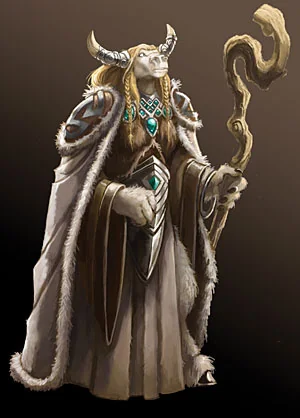
The aftermath also brought the tauren into renewed druidic practice. Hamuul Runetotem learned from Malfurion and carried that knowledge to Thunder Bluff, establishing a bridge between communities that had entered the war as strangers. The Circle's members guarded vulnerable wild places and worked across faction boundaries, holding that the land itself demanded protection from the ambitions of any kingdom or army.
The Living Archive · Subject Chronicle
Through History
Explore documented turning points and follow their connections. The complete account remains in Full History above.
No additional documented milestones are available yet. The Full History above remains the primary account.
Further Reading
Search result, not a direct source citation.