Discover the history of Azeroth

Historical Timeline

Follow the wars, discoveries, migrations and turning points that shaped Azeroth.

375 histories available

The Living Archive · The Chronicles of Azeroth

Walk through the ages.

From the oldest surviving accounts to the world at Warcraft's beginning. Choose an era, then select an event card to read its complete history.

375 historical events 375 placed in broad eras 375 event records assessed against historical evidence 12 browsable sections

Where supported, dates and researched causal dependencies take priority over editorial order. All event records have individual date assessments, but some dates cannot be established, and others are approximate. Unrelated concurrent events must not be interpreted as proven sequential. Ongoing source verification and editorial refinement are still necessary. BDP = Before the Dark Portal; ADP = After the Dark Portal. The Dark Portal's opening is year 0 ADP, with earlier years expressed as BDP.

Choose a chapter along the historical path. The highlighted chapter is your current place; browser Back and Forward revisit earlier selections.

375 historical events · Select an era to begin

Before recorded history The Primordial World Origins, ancient powers, and the first stewardship of Azeroth. 9 events Explore era

You are exploring The Primordial World. Follow the vertical track or open a historical event for more context.

9 source records
  1. Relative or enduring historical era — exact year undetermined 07 / 9

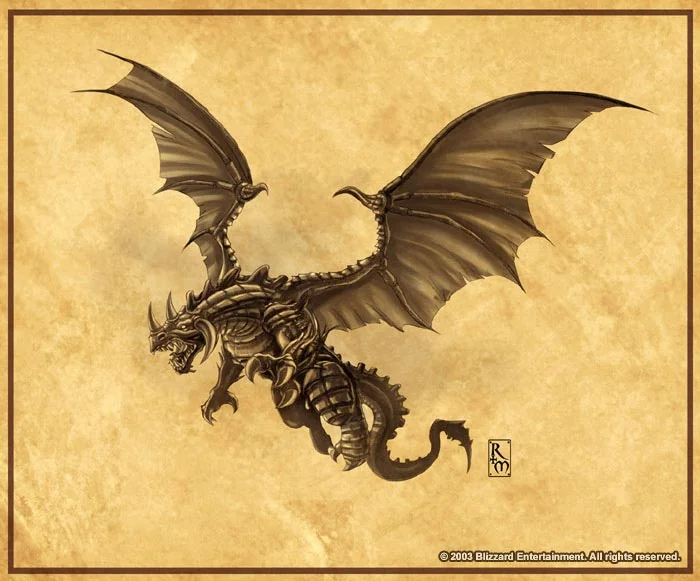
    Ysera and the green flight guard nature

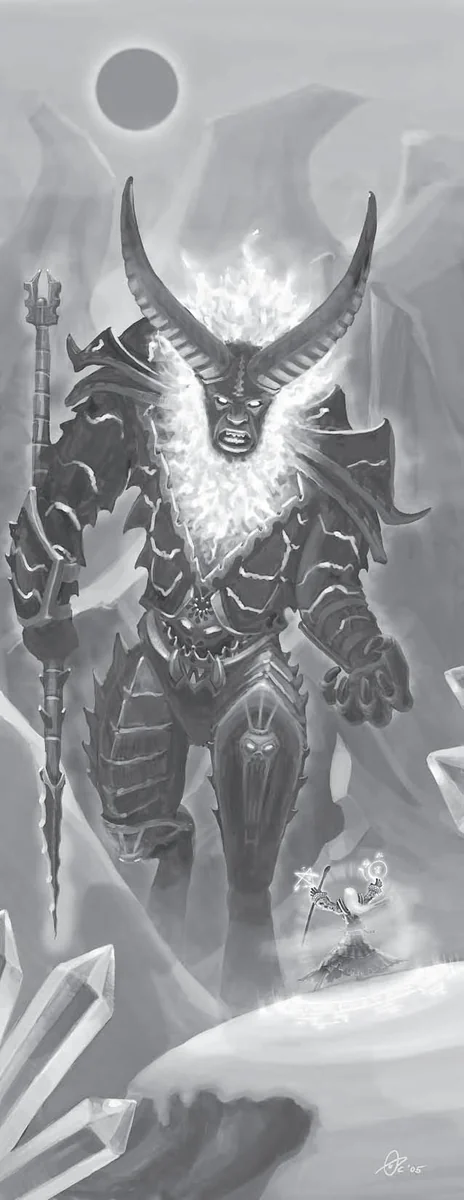
    Ysera's green dragonflight guarded the living world's natural balance and maintained a profound connection to the Emerald Dream. Earlier history connected Ysera with the other Aspects, whose unity was broken by Neltharion's betrayal. Ysera's influence does not require that every green dragon be assigned a named mission or that later stories about the Emerald Dream be imported.

    Read the full history →
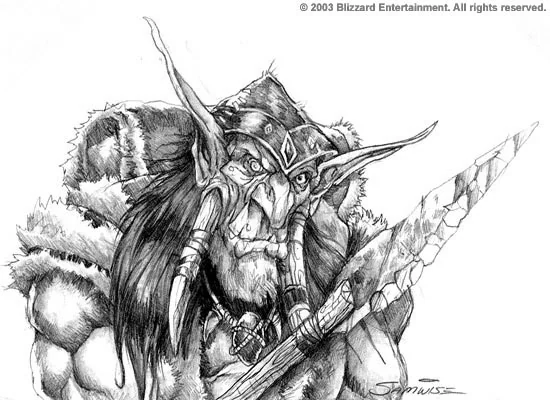
    Warcraft artwork relating to Green dragonflight, used as historical context for Ysera and the green flight guard nature
  2. Relative or enduring historical era — exact year undetermined 08 / 9

    The Aspect of Life and red flight

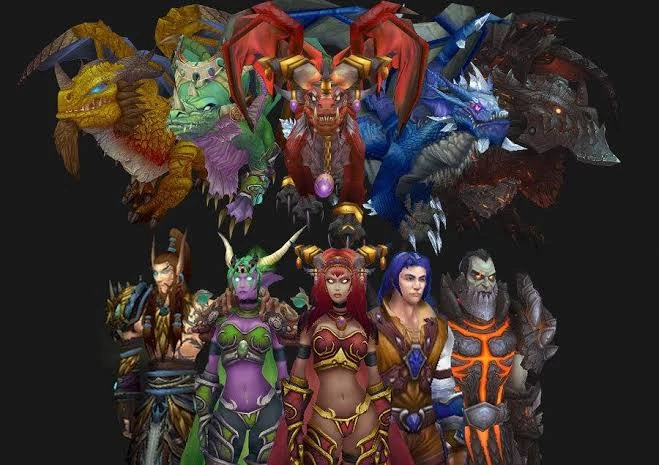
    Alexstrasza, called the Life-Binder, held a charge far older than the human or orc kingdoms that later fought across Azeroth. The Aspects were entrusted with distinct responsibilities: the red flight was associated with life, the green with nature and dreams, and other flights with time, magic, and the earth. Alexstrasza's ancient charge and later imprisonment belong to the same history because both concern responsibility for the living.

    Read the full history →
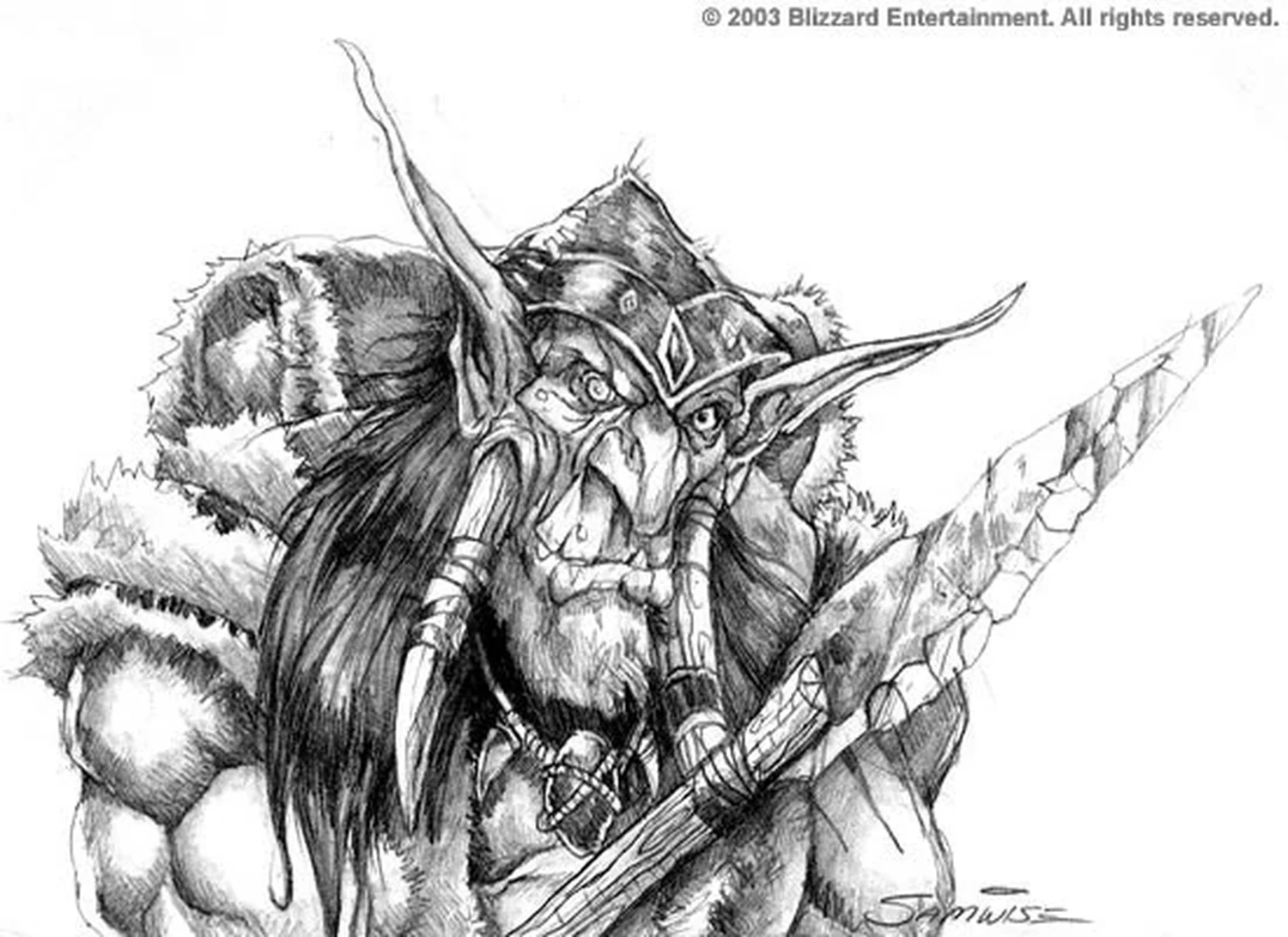
    Warcraft artwork relating to Red dragonflight, used as historical context for The Aspect of Life and red flight
  3. Relative or enduring historical era — exact year undetermined 09 / 9

    The Bronze flight and the stewardship of time

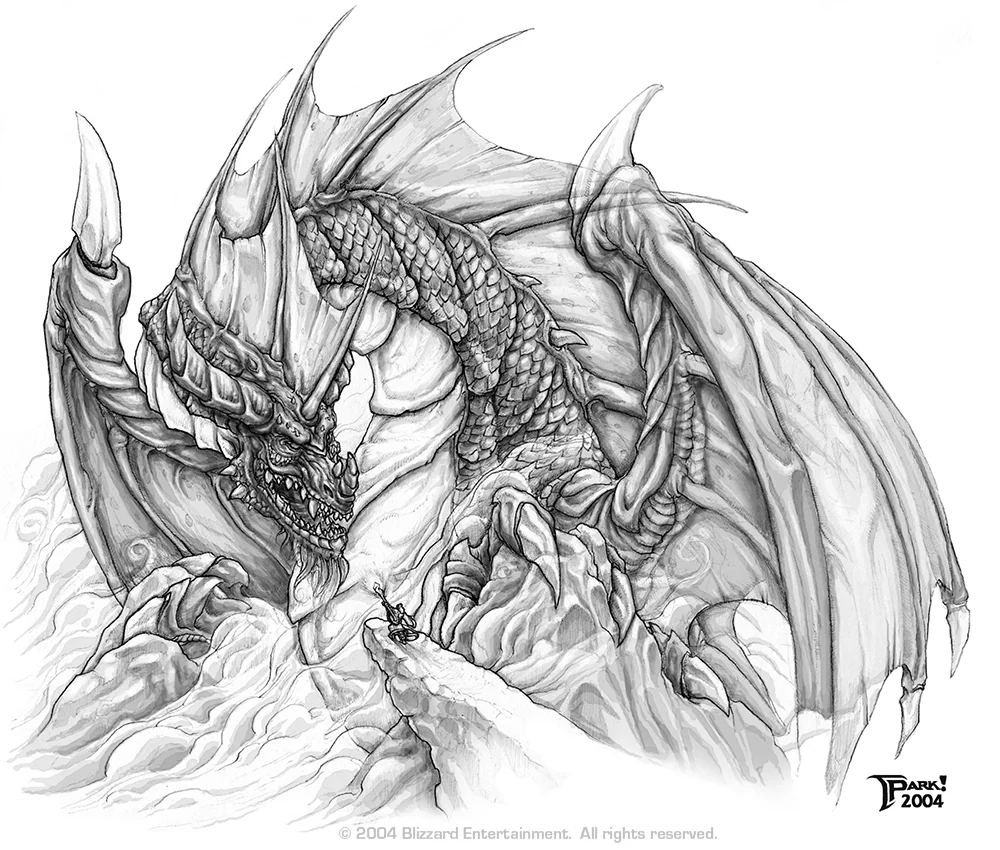
    Nozdormu's guardianship concerned time itself, setting the bronze dragonflight apart from those charged with life, nature, magic, or the earth. In the War of the Ancients novels, events separated by ages become entangled, and the significance of time is not merely abstract. The surviving early material supports Nozdormu's distinctive office and the vulnerability of a world whose past can shape its future.

    Read the full history →
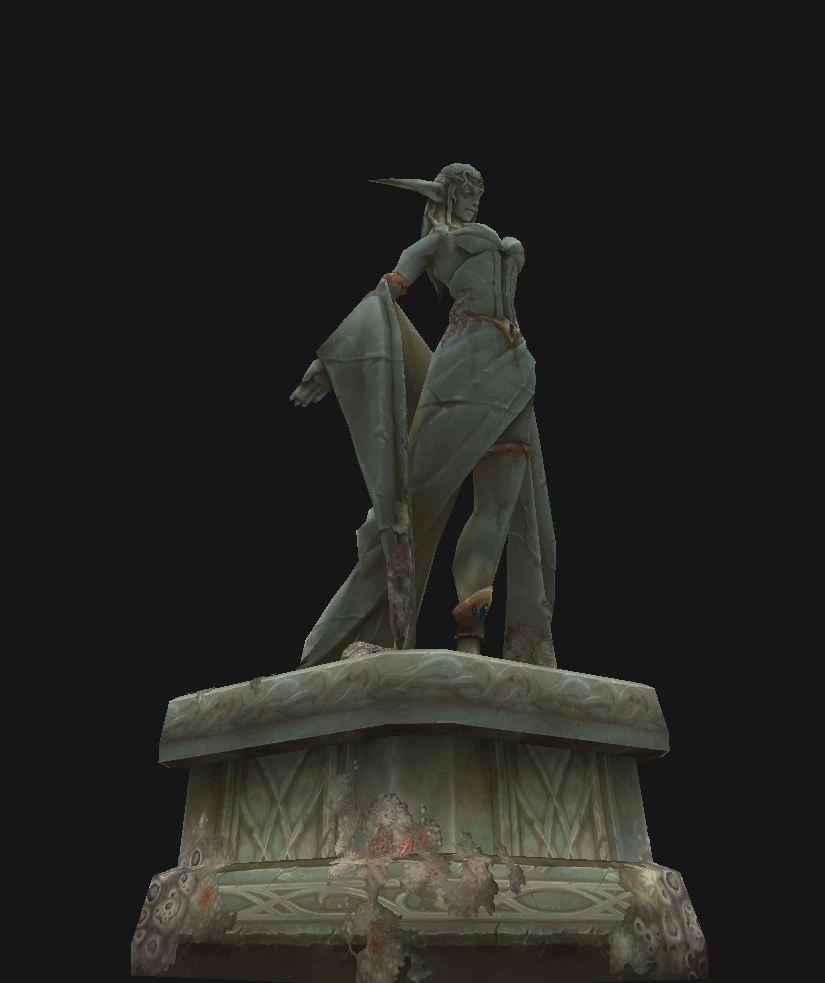
    Warcraft artwork relating to Bronze dragonflight, used as historical context for The Bronze flight and the stewardship of time
Before the War of the Ancients Ancient Empires Early civilizations and powers of ancient Kalimdor. 14 events Explore era

You are exploring Ancient Empires. Follow the vertical track or open a historical event for more context.

14 source records
  1. Approximately 16,000 BDP — historical estimate 01 / 14

    Early troll civilizations thrive on Kalimdor

    The Zandalar tribe is remembered in the original Blizzard Troll Compendium as the oldest known ancestor group of the other troll peoples. Its priestly and scholarly traditions remained influential while ambitious offshoots spread into different regions. Later histories connect Zandalar to the reawakening of Kith’ix and a campaign against the aqir that encouraged far-flung troll strongholds. The distinction between ancient spiritual continuity and later geographical separation is central to the development of troll society.

    Read the full history →
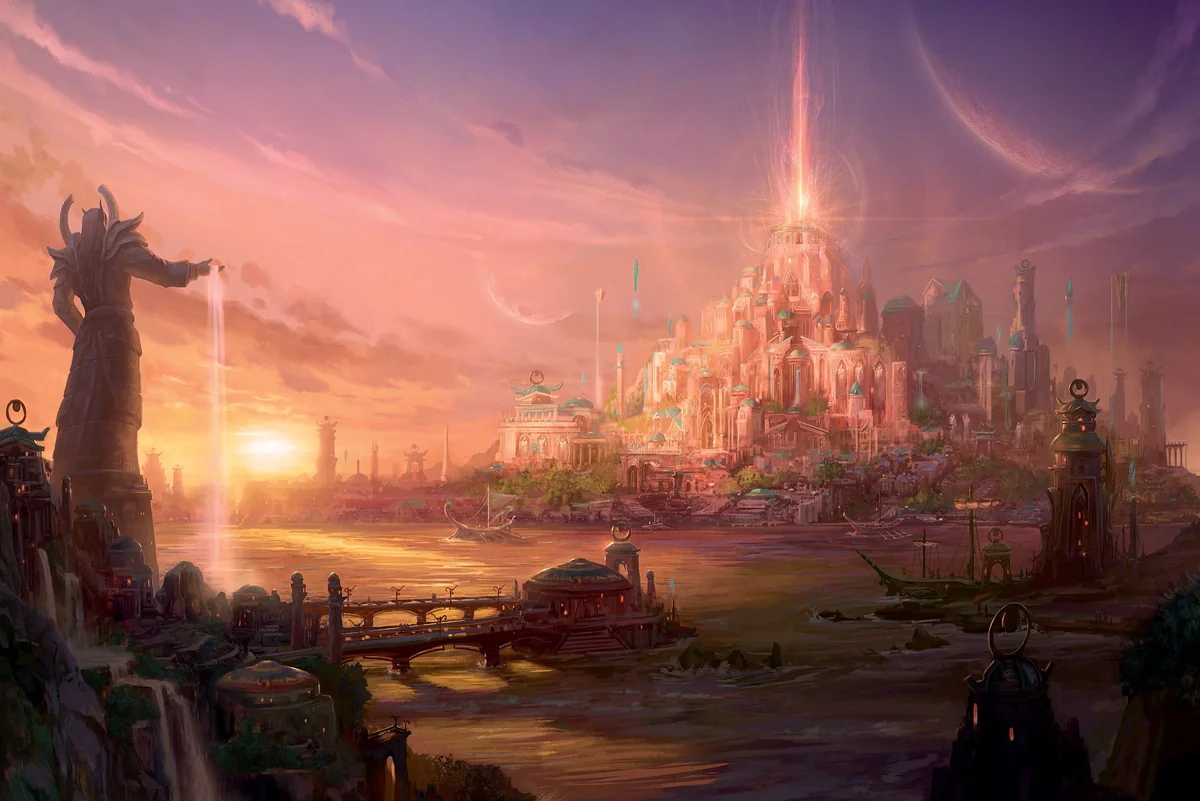
    Early troll civilizations thrive on Kalimdor illustration
  2. Relative chronology only — date not established 02 / 14

    The ancient Aqir–Troll War

    Ancient troll civilizations fought a prolonged war against the insectoid aqir. The original Troll Compendium describes the Amani and Gurubashi as established powers whose conflict helped divide the aqiri realm. Later accounts make the reawakened Kith’ix central to the war and describe campaigns that carried the Amani east, Gurubashi south, and Drakkari north. These traditions should be connected, but their different chronologies must remain visible.

    Concurrent historical episode; card order does not establish precedence. Read the full history →
    Warcraft artwork relating to Aqir and surviving city-states, used as historical context for The ancient Aqir–Troll War
  3. Prehistoric or relative era only — year unknown 03 / 14

    Troll empires fight the aqir

    Ancient troll civilizations fought a prolonged war against the insectoid aqir. The original Troll Compendium describes the Amani and Gurubashi as established powers whose conflict helped divide the aqiri realm. Later accounts make the reawakened Kith’ix central to the war and describe campaigns that carried the Amani east, Gurubashi south, and Drakkari north. These traditions should be connected, but their different chronologies must remain visible.

    Concurrent historical episode; card order does not establish precedence. Read the full history →
    Warcraft artwork relating to Aqir and surviving city-states, used as historical context for Troll empires fight the aqir
  4. No established historical event date — source is explicitly uncertain 04 / 14

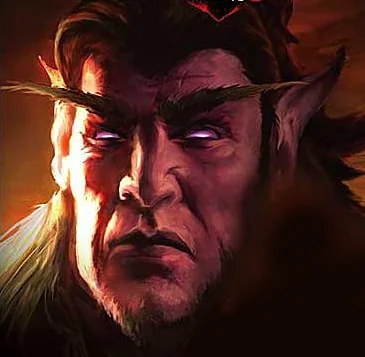
    Troll origin theory for night elves (unconfirmed)

    Dark trolls were an elusive troll population associated with central Kalimdor and the wooded regions near Mount Hyjal. Original-era Warcraft included dark-troll encounters and the Shadowtooth clan, but it did not definitively settle their ancestry in relation to the night elves. Later histories state that a branch of ancient dark trolls became the first kaldorei near the Well of Eternity. That explanation must remain separate from the earlier speculative theory.

    Read the full history →
    Warcraft artwork relating to Night elves / kaldorei, used as historical context for Troll origin theory for night elves (unconfirmed)
  5. Relative-only or enduring condition — exact year unverified 06 / 14

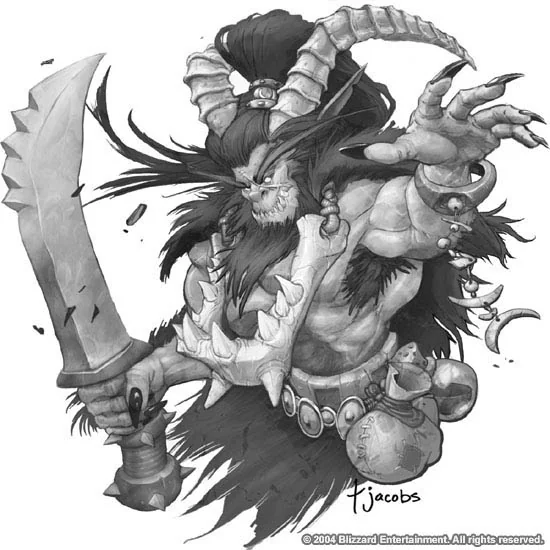
    The Zandalari emerge as preservers of troll tradition

    The Zandalar tribe is remembered in the original Blizzard Troll Compendium as the oldest known ancestor group of the other troll peoples. Its priestly and scholarly traditions remained influential while ambitious offshoots spread into different regions. Later histories connect Zandalar to the reawakening of Kith’ix and a campaign against the aqir that encouraged far-flung troll strongholds. The distinction between ancient spiritual continuity and later geographical separation is central to the development of troll society.

    Concurrent historical episode; card order does not establish precedence. Read the full history →
    Warcraft artwork relating to Amani forest trolls, used as historical context for The Zandalari emerge as preservers of troll tradition
  6. Cross-era or relative-only narrative — no unique year 07 / 14

    The Zandalari and the Memory of a Divided People

    The Zandalari occupy an unusual place in troll history. The Sundering devastated the old geography of the world and left troll populations more isolated from one another. The Darkspear are not interchangeable with the Gurubashi who drove them from their old homeland, nor with the forest trolls who once fought beside the Old Horde. The shared past is real; unity in the present is not.

    Concurrent historical episode; card order does not establish precedence. Read the full history →
    Warcraft illustration of Amani forest trolls, shown as related historical context for The Zandalari and the Memory of a Divided People.
  7. Approximately 16,000 BDP — historical estimate 08 / 14

    Gurubashi and Amani empires dominate ancient Kalimdor

    Ancient troll civilizations fought a prolonged war against the insectoid aqir. The original Troll Compendium describes the Amani and Gurubashi as established powers whose conflict helped divide the aqiri realm. Later accounts make the reawakened Kith’ix central to the war and describe campaigns that carried the Amani east, Gurubashi south, and Drakkari north. These traditions should be connected, but their different chronologies must remain visible.

    Read the full history →
    Art depicting Amani forest trolls, related to the historical entry Gurubashi and Amani empires dominate ancient Kalimdor
  8. Cross-era or relative-only narrative — no unique year 09 / 14

    The Drakkari — The Troll Kingdom of the Far North

    The northern ice trolls belong to the same vast family of peoples as the Amani, Gurubashi, and Darkspear, yet their homeland shaped a very different civilization. The Scourge's rise in the north altered the dangers faced by all the peoples of Northrend. To a Darkspear adventurer beginning in Durotar, ice trolls might seem distant in both geography and allegiance. Their existence widens the story beyond the places a level-one troll can visit.

    Read the full history →
    Warcraft illustration of Northern ice trolls, shown as related historical context for The Drakkari — The Troll Kingdom of the Far North.
  9. Prehistoric or relative era only — year unknown 10 / 14

    Northern ice trolls establish Zul'Drak

    The Drakkari are the principal ice-troll civilization associated with Zul’Drak in the distant north. The original Troll Compendium describes violent northern tribes separating from the Zandalari sphere and gradually adapting to snow and cold. Later history emphasizes northern campaigns during the war against the aqir as a formative stage of Drakkari territorial expansion. Their religious tradition retained loa worship even as their geography and conflicts diverged from the Amani and Gurubashi.

    Read the full history →
    Black-and-white illustration of an ice troll warrior with fur and a spear.
  10. Prehistoric or relative era only — year unknown 11 / 14

    The aqir abandon their unified kingdom for two great strongholds

    Ancient troll civilizations fought a prolonged war against the insectoid aqir. The original Troll Compendium describes the Amani and Gurubashi as established powers whose conflict helped divide the aqiri realm. Later accounts make the reawakened Kith’ix central to the war and describe campaigns that carried the Amani east, Gurubashi south, and Drakkari north. These traditions should be connected, but their different chronologies must remain visible.

    Read the full history →
    Warcraft artwork relating to Aqir and surviving city-states, used as historical context for The aqir abandon their unified kingdom for two great strongholds
Around 10,000 BDP The War of the Ancients The Legion invasion and the breaking of the ancient world. 26 events Explore era

You are exploring The War of the Ancients. Follow the vertical track or open a historical event for more context.

26 source records
  1. Approximately 10,000 BDP — ancient-war campaign 03 / 26

    Lord Xavius becomes a satyr through demonic corruption

    Xavius served Queen Azshara as her Highborne court helped bring the Burning Legion toward Azeroth. Demonic corruption later transformed the adviser into a satyr, joining his former elven identity to the Legion's growing influence. His fate illustrated the changing form of an enemy that could recruit as well as invade.

    Concurrent historical episode; card order does not establish precedence. Read the full history →
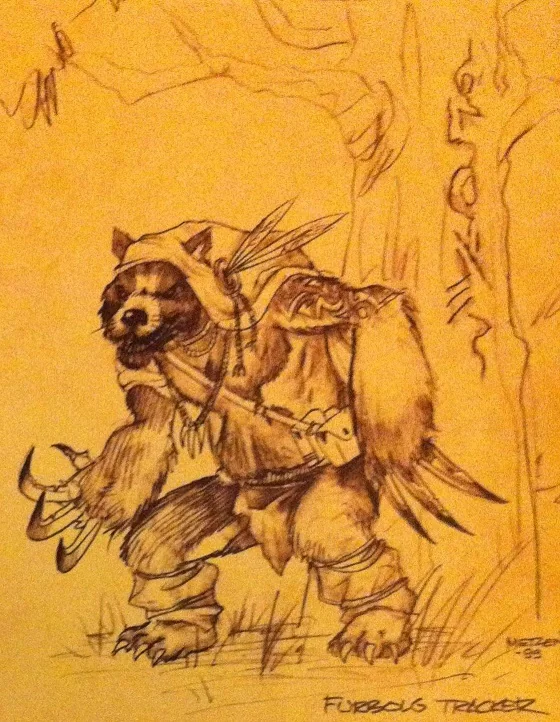
    Warcraft artwork relating to Azshara, used as historical context for Lord Xavius becomes a satyr through demonic corruption
  2. Approximately 10,000 BDP — ancient-war campaign 04 / 26

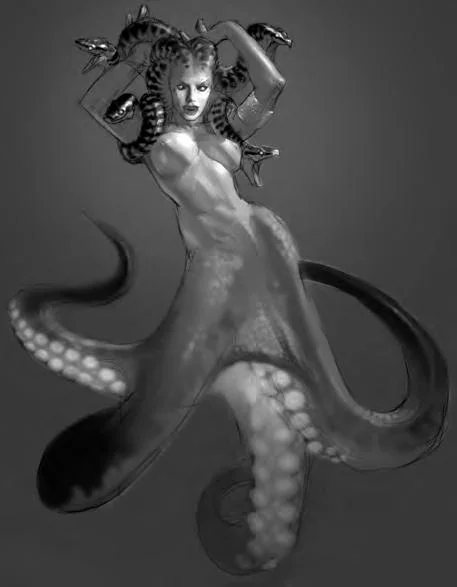
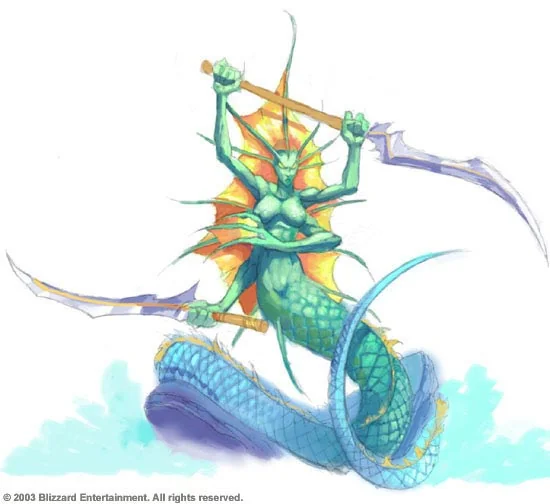
    Azshara's followers become naga beneath the sea

    Azshara and some of her Highborne survived the Sundering in forms no longer recognizably elven. Beneath the sea they became the naga, whose later appearance under Lady Vashj connected the ancient empire to Illidan's struggle in the Third War's aftermath. Their survival meant that the destruction of the Well had not ended every legacy of Azshara's court.

    Concurrent historical episode; card order does not establish precedence. Read the full history →
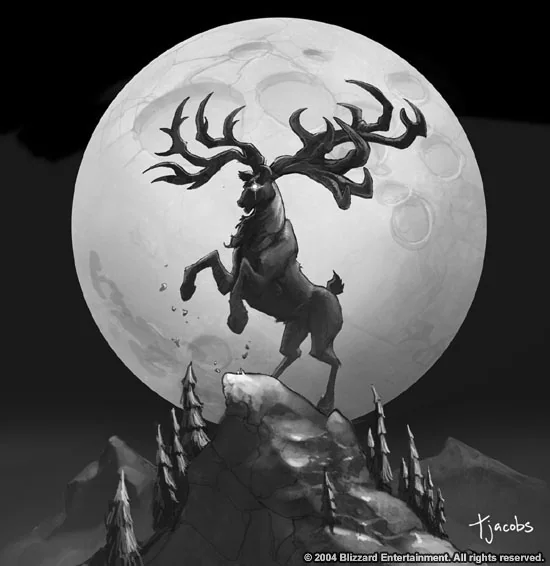
    Art depicting Naga, related to the historical entry Azshara's followers become naga beneath the sea
  3. Approximately 10,000 BDP — ancient-war campaign 10 / 26

    Malfurion disrupts the Highborne spellwork

    Malfurion Stormrage challenged the magic sustaining the Legion's passage into Azeroth at its source. The Well of Eternity had made the kaldorei empire wealthy in power and prestige, but its exploitation also gave the invading demons their route into the world. Malfurion's interference with the Highborne workings belongs to the longer chain of actions leading toward the gateway's collapse.

    Read the full history →
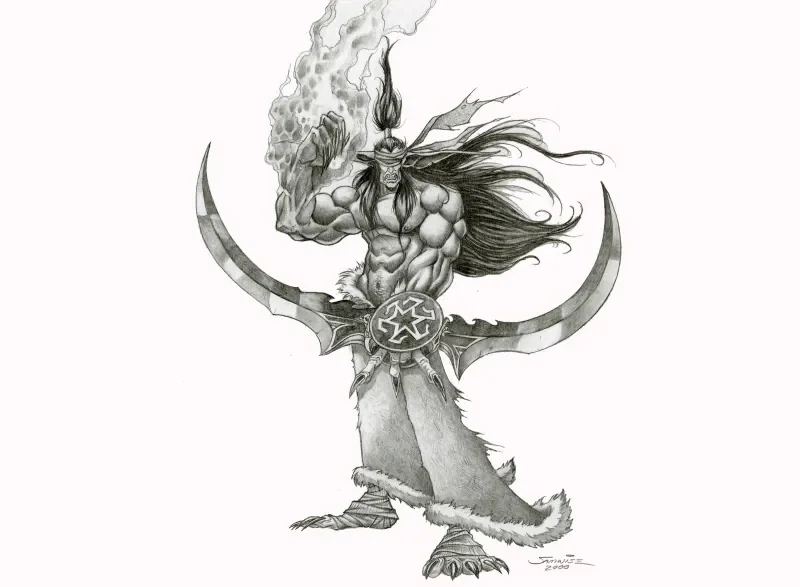
    Warcraft artwork relating to Malfurion Stormrage, used as historical context for Malfurion disrupts the Highborne spellwork
  4. Approximately 10,000 BDP — ancient-war campaign 12 / 26

    Jarod Shadowsong assumes resistance command

    Jarod Shadowsong rose to command the night elven resistance after the loss of Kur'talos Ravencrest and further upheaval among its officers. The war had brought together defenders with different loyalties and eventually non-elven allies who had their own reasons to resist the Legion. The resistance could not restore the empire it was defending; the Well and the land around it would be transformed by the final catastrophe.

    Read the full history →
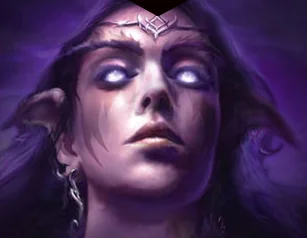
    Art depicting Jarod Shadowsong, related to the historical entry Jarod Shadowsong assumes resistance command
  5. Approximately 10,000 BDP — ancient-war campaign 16 / 26

    Xavius returns as a satyr

    Xavius did not vanish from the War of the Ancients when his first service to Azshara's demonic allies ended. Xavius had helped build the gateway by which the Legion entered, exploiting his access to the queen and the Highborne. Even after the portal was destroyed and the continent broken by the Sundering, the events had already transformed some of its inhabitants into servants of the Legion.

    Concurrent historical episode; card order does not establish precedence. Read the full history →
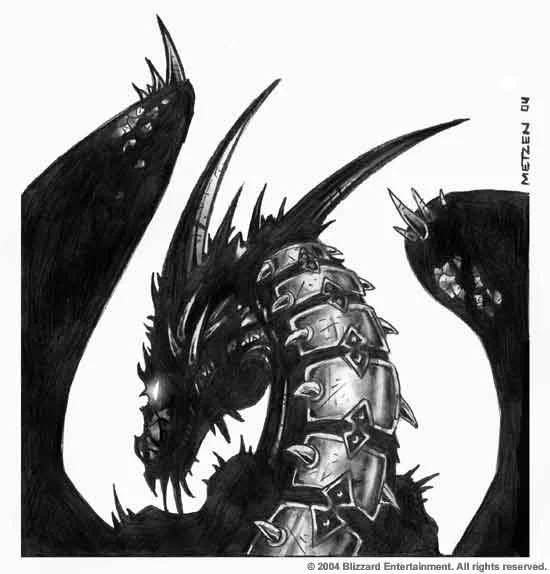
    Art depicting Xavius, related to the historical entry Xavius returns as a satyr
  6. Approximately 10,000 BDP — ancient-war campaign 17 / 26

    Sargeras replaces Illidan's eyes with magical sight

    Illidan Stormrage's dealings among Azshara's Highborne brought him before Sargeras during the War of the Ancients. Illidan was already drawn to the extraordinary arcane energies surrounding the Well of Eternity. Illidan took part in the conflict surrounding the Dragon Soul and the Well, survived the Sundering, and later made a new source of power at Mount Hyjal.

    Read the full history →
    Art depicting Illidan Stormrage, related to the historical entry Sargeras replaces Illidan's eyes with magical sight
  7. Approximately 10,000 BDP — ancient-war campaign 19 / 26

    Illidan and the Dragon Soul feature in the final struggle

    The Dragon Soul became a contested power in the final struggle around the Well of Eternity. Earlier in the war, the Dragon Soul had been turned against the dragonflights it was supposed to help defend. Illidan survived the ancient war, but his attachment to the kind of magic that had brought the catastrophe would soon produce another crisis at Mount Hyjal.

    Read the full history →
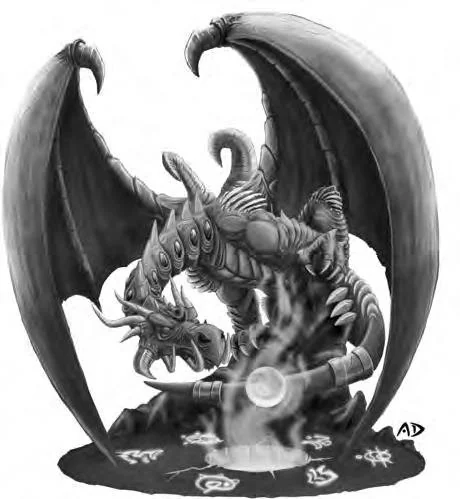
    Warcraft artwork relating to Illidan Stormrage, used as historical context for Illidan and the Dragon Soul feature in the final struggle
  8. Approximately 10,000 BDP — historical estimate 22 / 26

    Neltharion betrays the dragonflights

    Neltharion was charged with protecting Azeroth's earth, yet he betrayed the other dragonflights during the War of the Ancients. The Dragon Soul, assembled for the struggle against the Burning Legion, became a weapon against the dragons themselves. The catastrophe destroyed trust among the Aspects and left the blue flight grievously diminished.

    Concurrent historical episode; card order does not establish precedence. Read the full history →
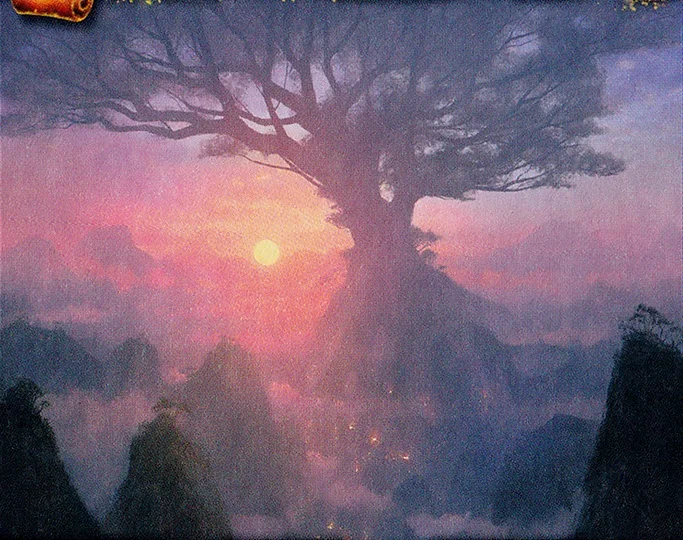
    Art depicting Neltharion / Deathwing, related to the historical entry Neltharion betrays the dragonflights
  9. Approximately 10,000 BDP — ancient episode 23 / 26

    The Dragon Soul draws on the other Aspects

    During the War of the Ancients, Neltharion offered the dragon Aspects a weapon that seemed capable of turning back the Burning Legion. The Legion threatened ancient Kalimdor through the portal being prepared at the Well of Eternity, and even the might of the dragonflights appeared necessary to resist. The artifact survived as a source of danger and would eventually be used to hold Alexstrasza captive during the Second War.

    Concurrent historical episode; card order does not establish precedence. Read the full history →
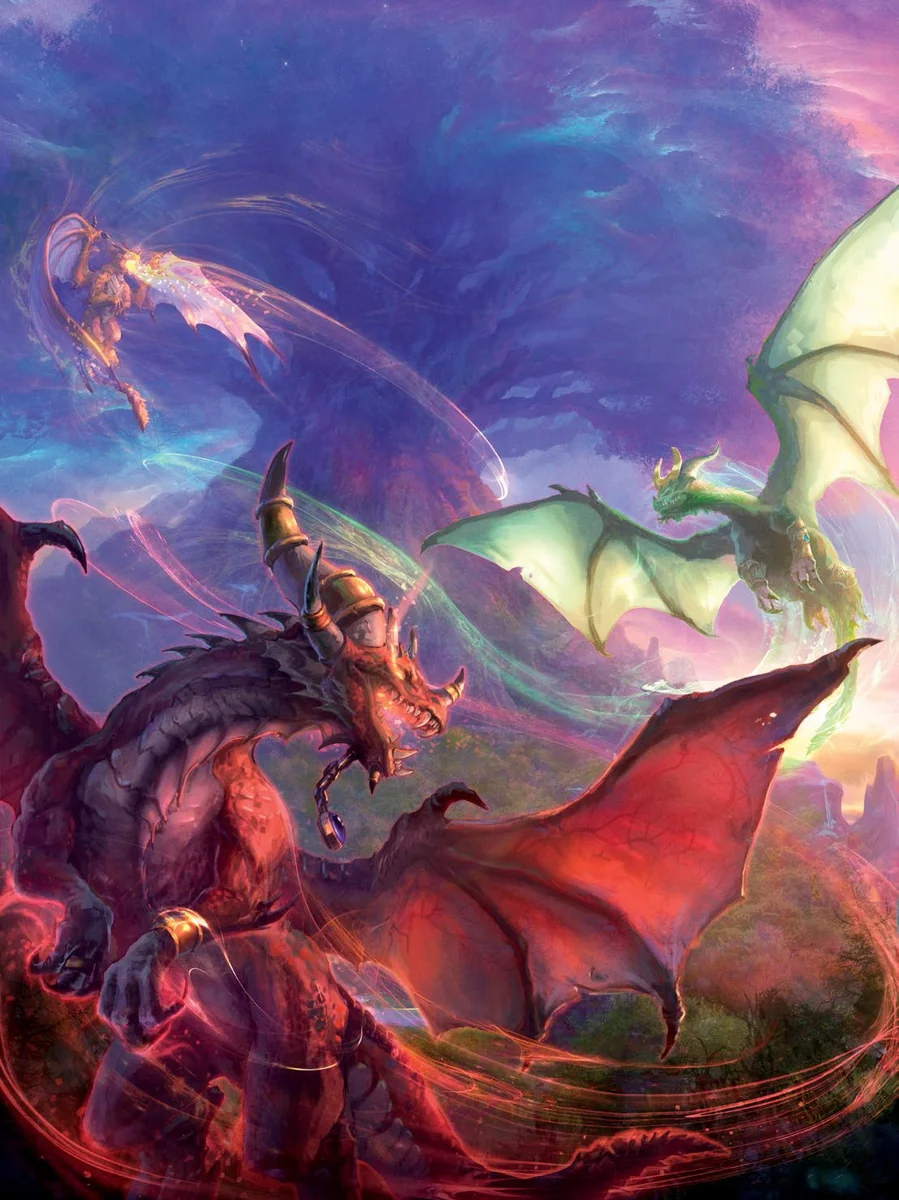
    Warcraft artwork relating to Burning Legion, used as historical context for The Dragon Soul draws on the other Aspects
  10. Approximately 10,000 BDP — ancient-war campaign 24 / 26

    Neltharion turns the Dragon Soul on other dragons

    Neltharion turned the Dragon Soul against his fellow dragonflights during the War of the Ancients. The dragons had been appointed guardians of different parts of Azeroth's existence. The object later known as the Demon Soul survived the ancient conflict and became central to another war when the Dragonmaw clan controlled Alexstrasza and her offspring.

    Concurrent historical episode; card order does not establish precedence. Read the full history →
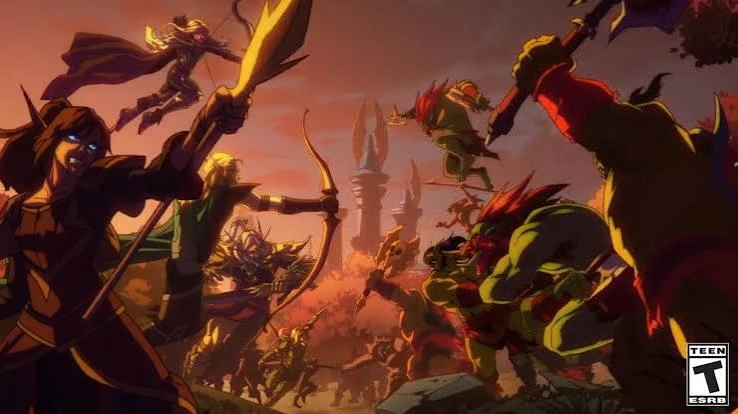
    Art depicting Neltharion / Deathwing, related to the historical entry Neltharion turns the Dragon Soul on other dragons
  11. Approximately 10,000 BDP — ancient episode 25 / 26

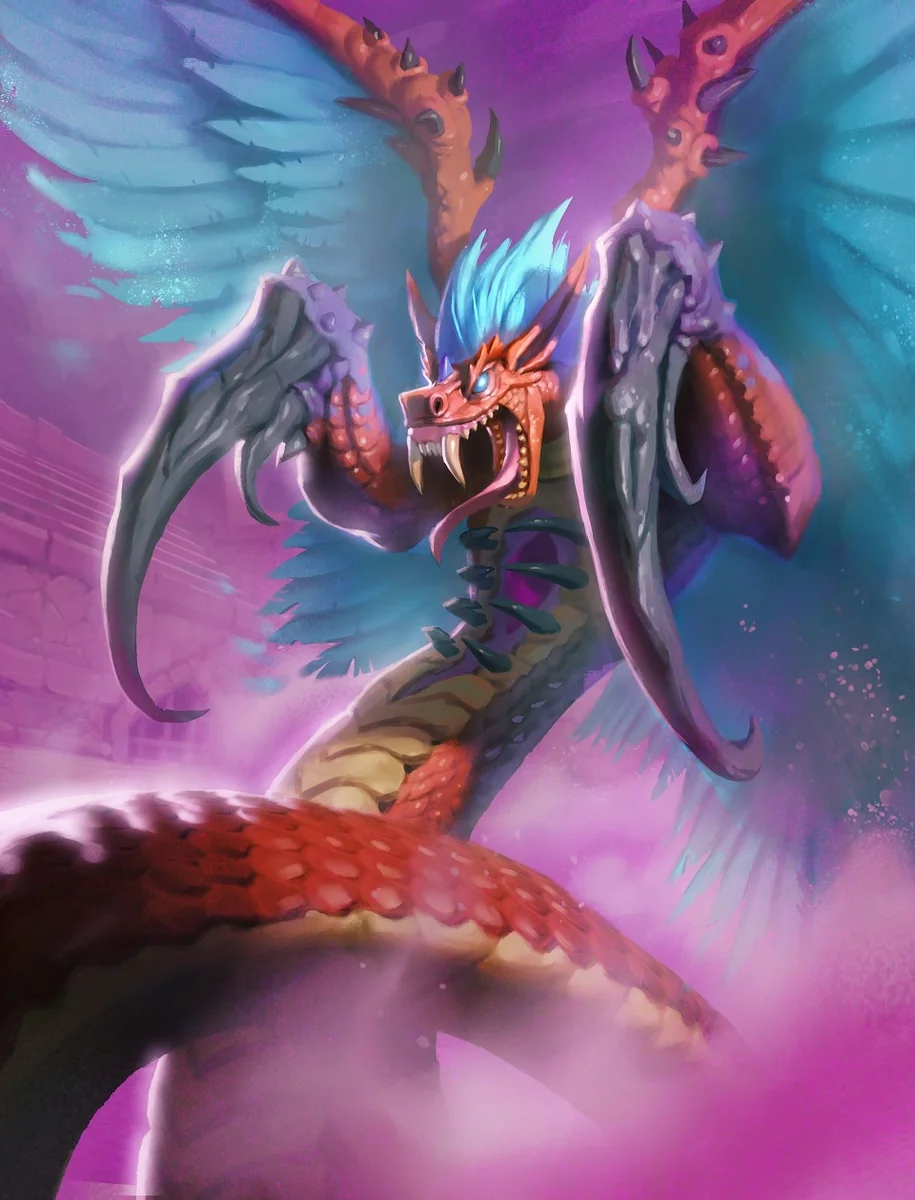
    The blue flight reels from the Dragon Soul

    The blue dragonflight paid a terrible price when Neltharion turned the Dragon Soul against his fellow Aspects. The War of the Ancients had forced the dragons into conflict with the Burning Legion and its allies. Malygos's response belongs to the early accounts without any need for invented numbers of dead dragons or precise descriptions of every surviving lair.

    Concurrent historical episode; card order does not establish precedence. Read the full history →
    Art depicting Malygos, related to the historical entry The blue flight reels from the Dragon Soul
Millennia before the Dark Portal After the Sundering Exiles, kingdoms, old rivalries, and the long passage of ages. 46 events Explore era

You are exploring After the Sundering. Follow the vertical track or open a historical event for more context.

46 source records
  1. Prehistoric or relative era only — year unknown 01 / 46

    Gurubashi and Amani survivors rebuild after the Sundering

    The Gurubashi governed the major jungle-troll civilization of ancient southern Kalimdor and later Stranglethorn. They shared early ancestry and loa traditions with the Zandalari but developed distinct southern territories and imperial leadership. Their history passed through the aqir war, the Sundering, famine, and the crisis surrounding Hakkar. By original WoW, Zul’Gurub and its surviving factions embodied both the achievement and the division of the old empire.

    Read the full history →
    Art depicting Amani forest trolls, related to the historical entry Gurubashi and Amani survivors rebuild after the Sundering
  2. Prehistoric or relative era only — year unknown 06 / 46

    Amani–high elf struggle begins

    Long before the First War, the land that would become Quel'Thalas was already meaningful to the Amani. Powerful magic broke the Amani offensive, and warriors who had expected another campaign to recover their forests instead faced a disastrous defeat. When Zul'jin rose during the Second War, he was not inventing the demand to reclaim Quel'Thalas. The Troll Wars explain why an event thousands of years old remains an active argument about who belongs in the northern woods.

    Read the full history →
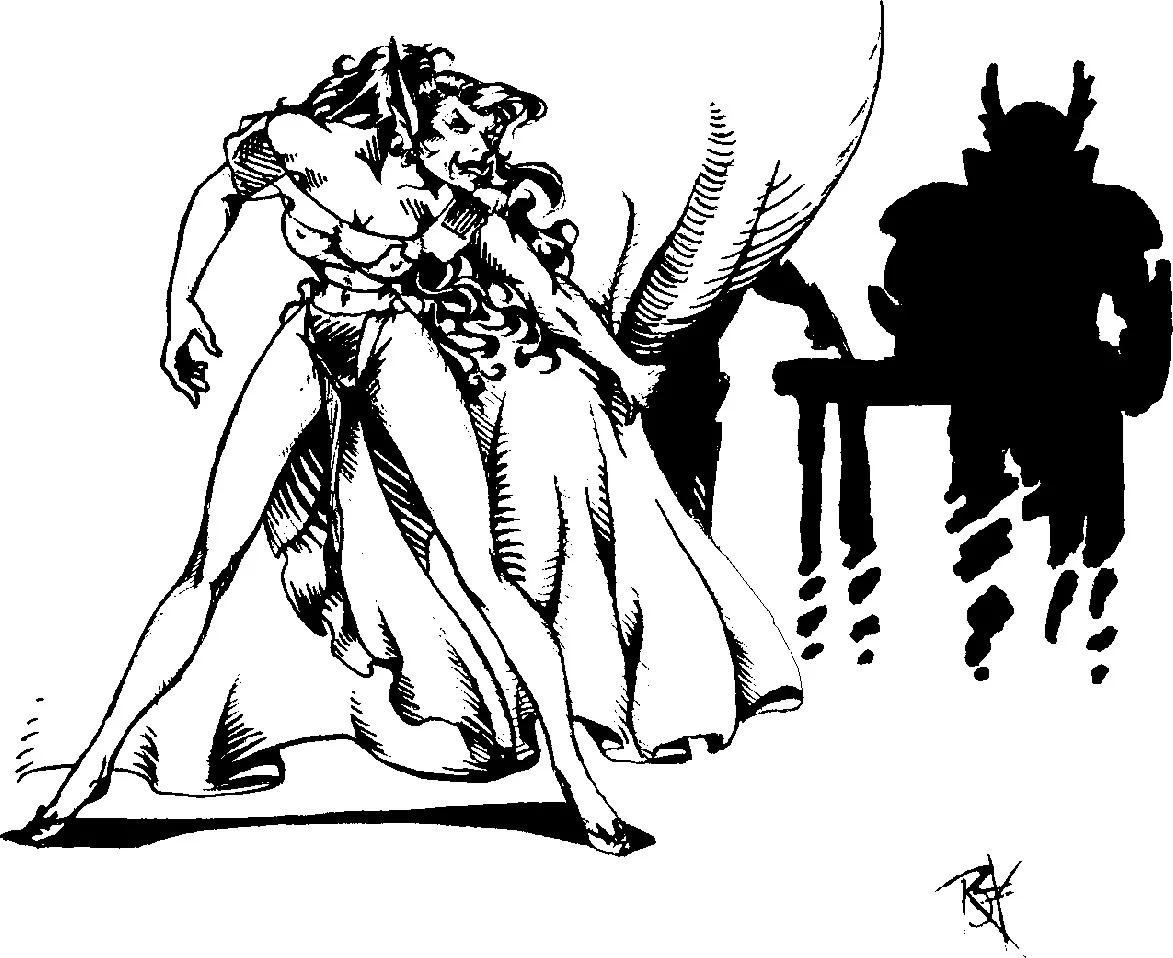
    Historical illustration of Amani–high elf struggle begins
  3. Relative-only or enduring condition — exact year unverified 08 / 46

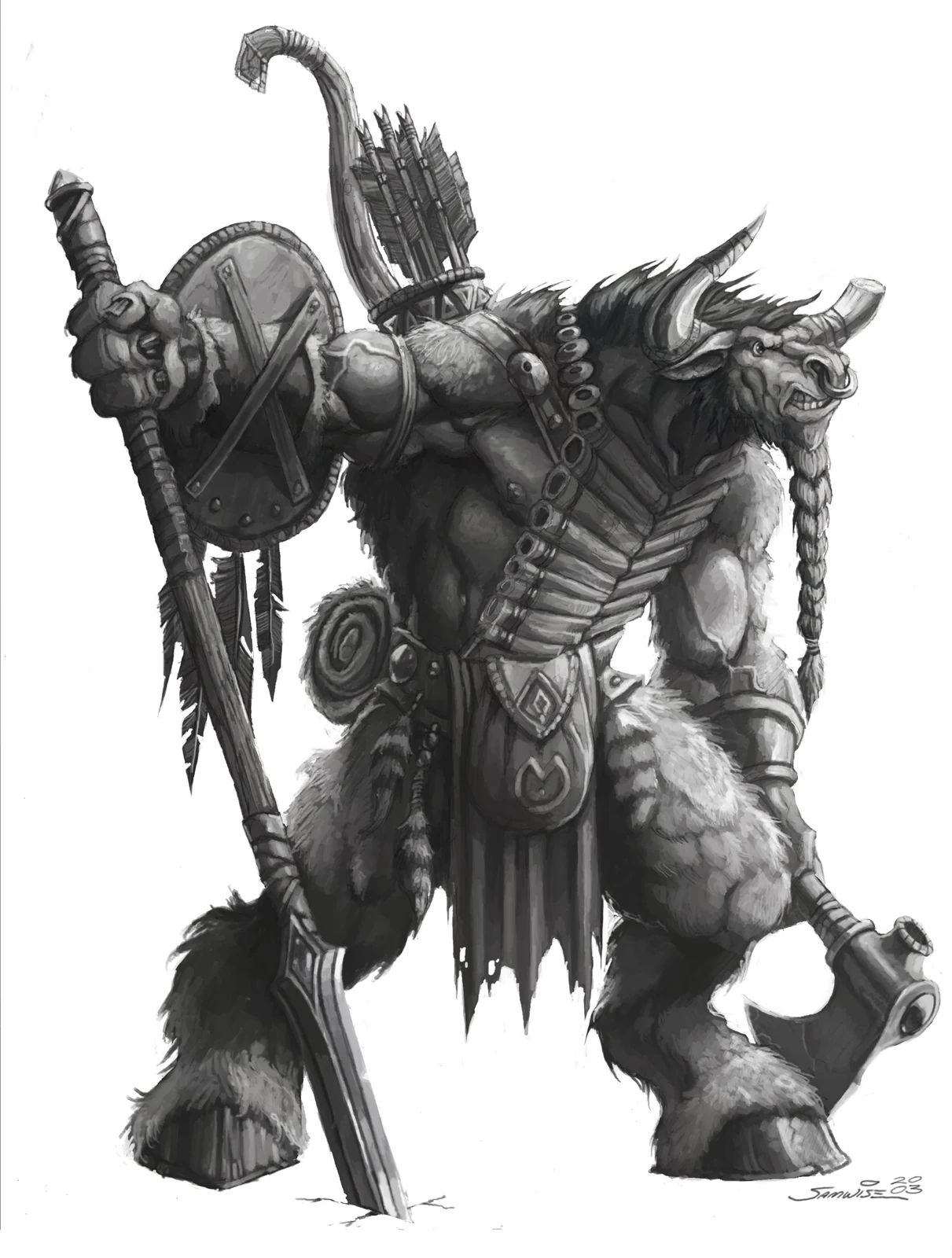
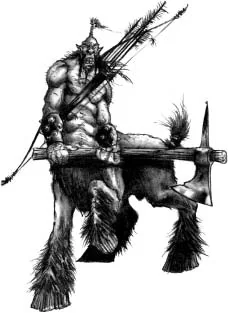
    Tauren and centaur enter a long struggle

    Centaur raids forced the tauren tribes into a long struggle for survival on Kalimdor. The conflict scattered their people and put pressure on the ancestral way of life they associated with the Earth Mother. Cairne Bloodhoof's later alliance with Thrall became a turning point, helping the tauren secure a homeland in Mulgore.

    Concurrent historical episode; card order does not establish precedence. Read the full history →
    Warcraft artwork relating to Kalimdor centaur, used as historical context for Tauren and centaur enter a long struggle
  4. Relative-only or enduring condition — exact year unverified 10 / 46

    The Darkspear trolls are driven from Stranglethorn

    The Darkspear are a jungle-troll people whose later history was shaped by displacement, Sen’jin’s leadership, and an alliance with Thrall. They belong to the greater Gurubashi-descended world but did not follow every policy of the old jungle empire. After leaving Stranglethorn they struggled for a home and settled near the new Horde in Kalimdor. Their distinct political identity emerged long after Tyr, Kith’ix, and the earliest empires.

    Read the full history →
    Art depicting Darkspear trolls, related to the historical entry The Darkspear trolls are driven from Stranglethorn
  5. Relative placement only — year not independently established 11 / 46

    Uldaman preserves evidence of the earthen and the Curse of Flesh

    Uldaman is an ancient titan-forged vault in the Badlands that preserves the mysteries of the earthen and the earliest dwarven ancestors. Original WoW presents Archaedas and Ironaya as guardians of its old secrets. Later lore explains that they escaped with the Discs of Norgannon after Tyr confronted Zakajz and Kith’ix. It is a bridge between the original dwarf origin mystery and the later reconstructed story of the troll empires.

    Read the full history →
    Art depicting Archaedas, related to the historical entry Uldaman preserves evidence of the earthen and the Curse of Flesh
  6. Relative placement only — year not independently established 12 / 46

    High King Modimus Anvilmar rules the divided dwarf clans

    High King Modimus Anvilmar ruled a dwarf kingdom that still contained the Bronzebeard, Wildhammer, and Dark Iron clans. His authority held their rivalries within one political order, though the underlying disputes over influence and territory remained. The tensions he could not permanently resolve would erupt into the War of the Three Hammers.

    Read the full history →
    Warcraft artwork relating to Dark Iron clan, used as historical context for High King Modimus Anvilmar rules the divided dwarf clans
  7. Approximately 10,000 BDP — ancient-war campaign 14 / 46

    Azshara and surviving Highborne become naga

    Queen Azshara and members of her Highborne court survived the destruction of the Well of Eternity, but they did not emerge unchanged. When the gateway failed, the resulting catastrophe destroyed the imperial capital and scattered the surviving night elves. The Frozen Throne campaign introduces naga under Lady Vashj aiding Illidan and Kael'thas.

    Concurrent historical episode; card order does not establish precedence. Read the full history →
    Art depicting Naga, related to the historical entry Azshara and surviving Highborne become naga
  8. Around 2,800–2,700 BDP — Troll Wars, disputed 20 / 46

    High elves appeal to Arathor against trolls

    The Troll Wars brought the surviving Amani Empire into a catastrophic conflict with Quel’Thalas and the rising human kingdom of Arathor. The forest trolls sought to recover lands taken by the high elves. The elves enlisted human allies and shared arcane knowledge that helped defeat the Amani armies. That defeat fractured forest-troll political power and explains many of the tribal positions encountered in the original WoW world.

    Read the full history →
    Art depicting Highborne, high elves / quel'dorei, related to the historical entry High elves appeal to Arathor against trolls
  9. Approximately 2,800–2,700 BDP — possible period 21 / 46

    The Troll Wars — An Alliance Forged against the Amani

    Long before the Alliance of Lordaeron existed, the high elves lived in a northern kingdom that had been built within the territory of the ancient Amani. When the allied army finally confronted the Amani, the struggle became known for the devastating combination of human and elven magic. Arathor's involvement brought lasting contact with Quel'Thalas and confirmed the usefulness of organized armies, diplomacy, and magic. By the dawn of World of Warcraft, the ruins and resentments of this war remained relevant even though the battle itself was ancient.

    Read the full history →
    Warcraft illustration of Amani forest trolls, shown as related historical context for The Troll Wars — An Alliance Forged against the Amani.
  10. Approximately 2,800 BDP — original history 22 / 46

    High elves teach a group of one hundred Arathor humans magic

    When the Amani threatened to overwhelm Quel'Thalas, the high elves could not protect their kingdom by pride alone. The alliance was a military and political act as much as an exchange of knowledge. The preserved sources establish the scale and consequence of the teaching, not a complete roster of pupils. Humanity's magical tradition would eventually become a force in wars that neither the elves nor the Amani of the Troll Wars could have foreseen.

    Read the full history →
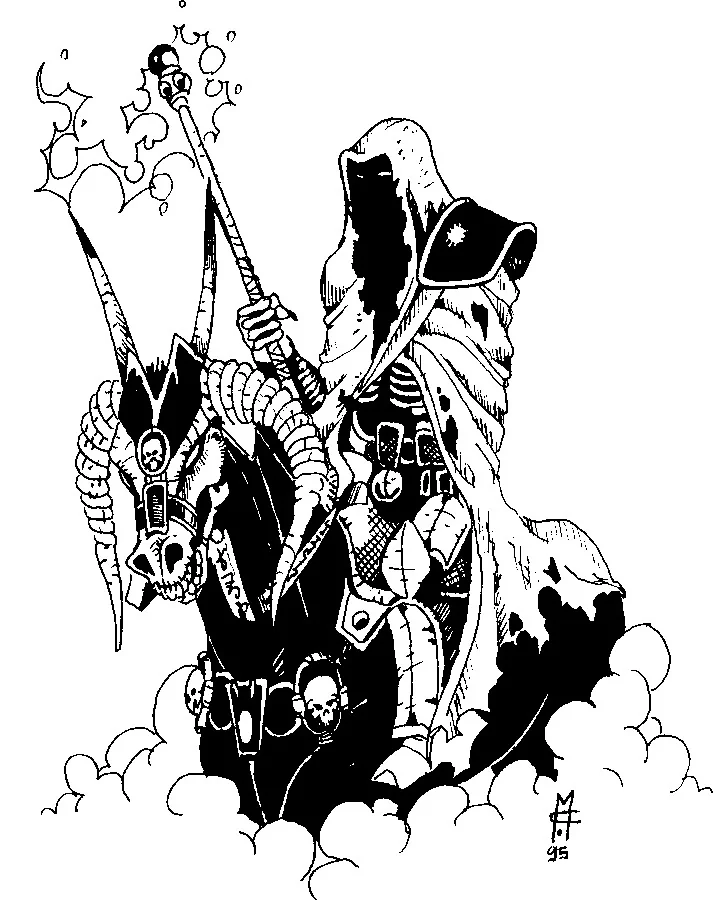
    Warcraft artwork relating to Quel’Thalas / Silvermoon, used as historical context for High elves teach a group of one hundred Arathor humans magic
  11. Approximately 2,800 BDP — original history 23 / 46

    Human and high elven fire magic defeats forest troll armies

    The Troll Wars brought the surviving Amani Empire into a catastrophic conflict with Quel’Thalas and the rising human kingdom of Arathor. The forest trolls sought to recover lands taken by the high elves. The elves enlisted human allies and shared arcane knowledge that helped defeat the Amani armies. That defeat fractured forest-troll political power and explains many of the tribal positions encountered in the original WoW world.

    Read the full history →
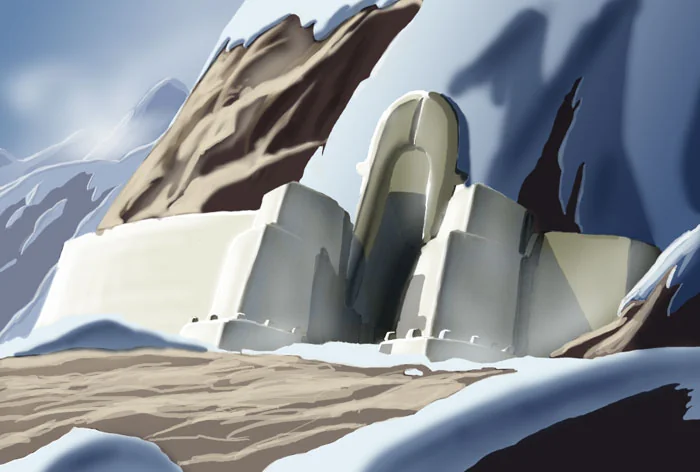
    Warcraft artwork relating to Amani forest trolls, used as historical context for Human and high elven fire magic defeats forest troll armies
  12. Around 2,500 BDP — dwarves emerge from Uldaman 26 / 46

    Dwarves emerge from Uldaman and establish Ironforge

    Uldaman is an ancient titan-forged vault in the Badlands that preserves the mysteries of the earthen and the earliest dwarven ancestors. Original WoW presents Archaedas and Ironaya as guardians of its old secrets. Later lore explains that they escaped with the Discs of Norgannon after Tyr confronted Zakajz and Kith’ix. It is a bridge between the original dwarf origin mystery and the later reconstructed story of the troll empires.

    Read the full history →
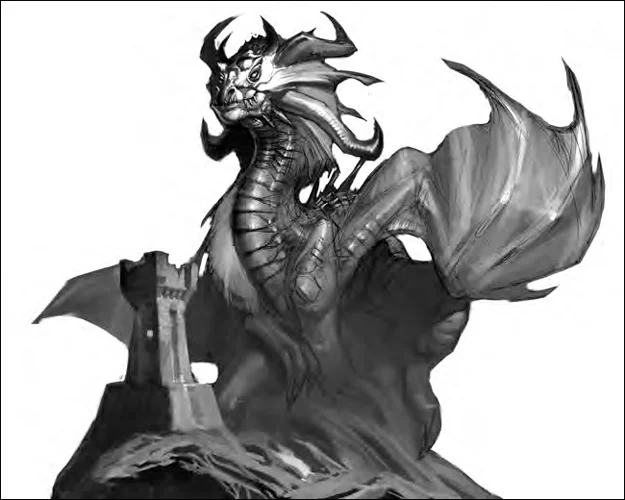
    Art depicting Ironforge, related to the historical entry Dwarves emerge from Uldaman and establish Ironforge
  13. Approximately 1,500 BDP — historical estimate 27 / 46

    Hakkar offers blood magic to the desperate Gurubashi

    The Gurubashi governed the major jungle-troll civilization of ancient southern Kalimdor and later Stranglethorn. They shared early ancestry and loa traditions with the Zandalari but developed distinct southern territories and imperial leadership. Their history passed through the aqir war, the Sundering, famine, and the crisis surrounding Hakkar. By original WoW, Zul’Gurub and its surviving factions embodied both the achievement and the division of the old empire.

    Concurrent historical episode; card order does not establish precedence. Read the full history →
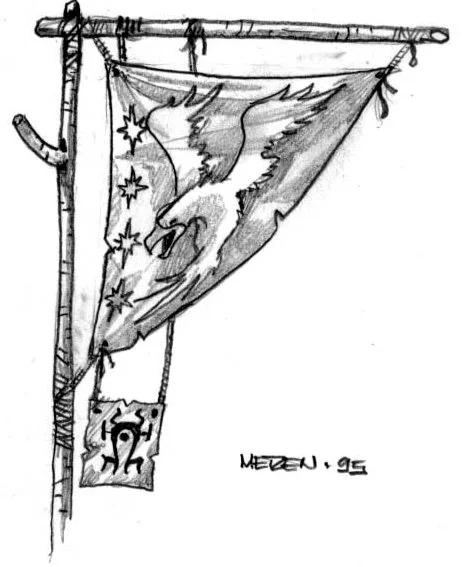
    Art depicting Hakkar the Soulflayer, related to the historical entry Hakkar offers blood magic to the desperate Gurubashi
  14. Prehistoric or relative era only — year unknown 32 / 46

    Zandalari join the revolt against Hakkar's worshippers

    The Gurubashi had survived the collapse of ancient Kalimdor and the loss of much of their former world. Hakkar's enemies challenged his followers and forced the cult out of its former place of power. The Darkspear descend from the broad jungle-troll world, but they do not therefore inherit loyalty to the Hakkari. The Zandalari resistance is one of the rare places in this history where far-separated trolls acted in defense of something wider than any one tribe.

    Read the full history →
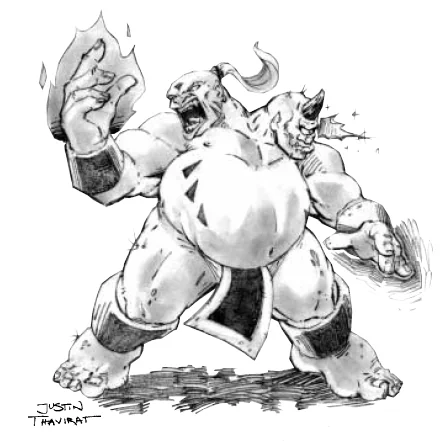
    Warcraft artwork relating to Hakkar the Soulflayer, used as historical context for Zandalari join the revolt against Hakkar's worshippers
  15. Approximately 230 BDP — estimate 36 / 46

    Anvilmar’s death divides the three clans

    The death of High King Modimus Anvilmar destroyed the uneasy balance among Ironforge's three great dwarf clans. The Bronzebeards were associated with the struggle to retain Ironforge; the Wildhammers sought a home suited to their own traditions; and the Dark Irons, under Thaurissan, would eventually turn toward destructive sorcery. The resulting War of the Three Hammers did more than change who held the mountain.

    Read the full history →
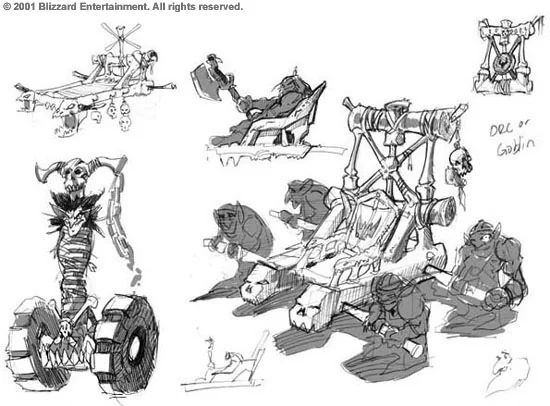
    Historical illustration of Anvilmar’s death divides the three clans
  16. War of the Three Hammers — after Modimus's death 37 / 46

    Bronzebeards drive the rival clans from Ironforge

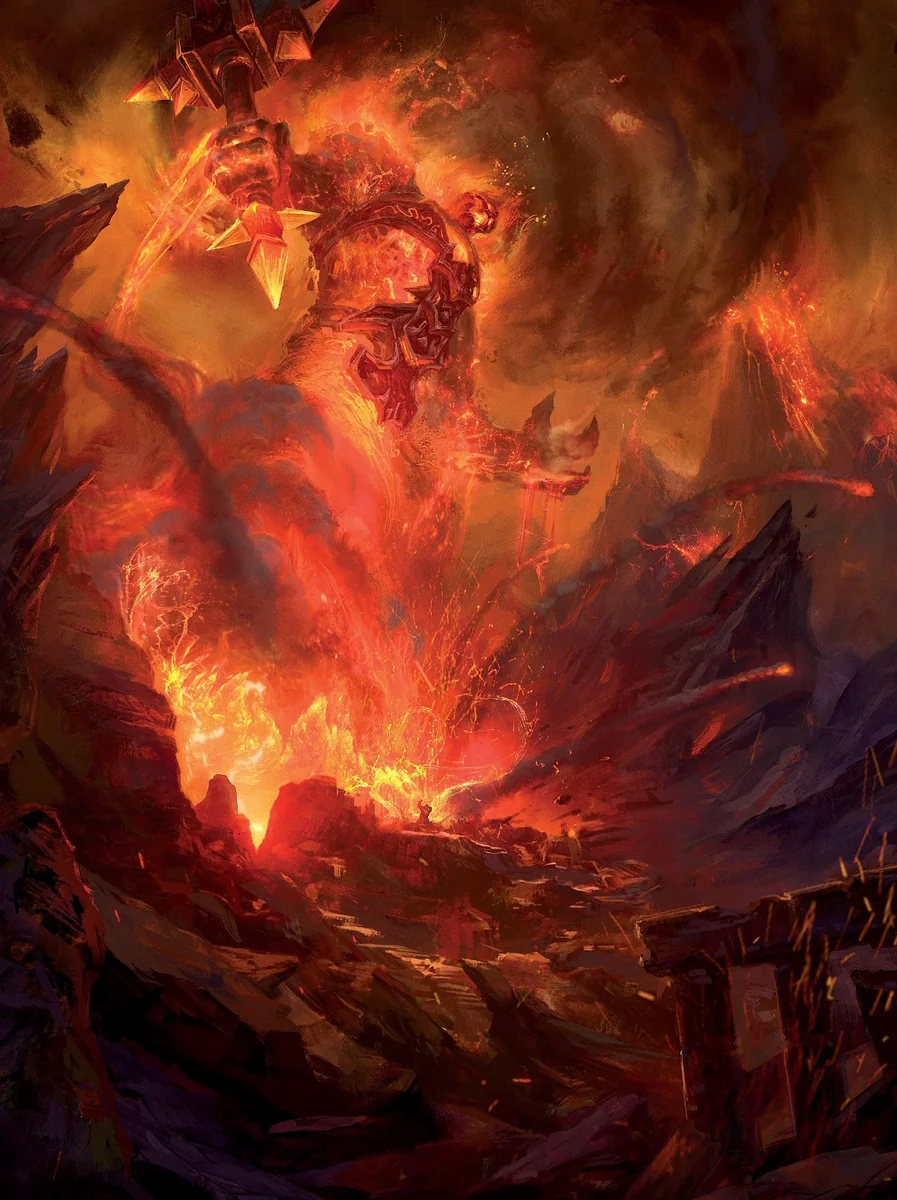
    The Bronzebeard clan secured Ironforge during the War of the Three Hammers, forcing the Wildhammers and Dark Irons to leave the ancient mountain kingdom. The struggle followed the death of the high king, when the three clans turned competing claims into open warfare. Later Dark Iron attacks would threaten Ironforge again, and the conflict culminated in the summoning of Ragnaros.

    Read the full history →
    Warcraft artwork relating to Ironforge, used as historical context for Bronzebeards drive the rival clans from Ironforge
  17. War of the Three Hammers — early partition 39 / 46

    Thaurissan establishes his southern stronghold

    Sorcerer-Thane Thaurissan led the Dark Iron dwarves south after their defeat in the struggle for Ironforge. The Bronzebeards kept Ironforge, and the Wildhammers departed for Grim Batol, while the Dark Irons refused to accept their exclusion as final. When their campaign failed, Thaurissan's attempt to call upon destructive power brought Ragnaros into the world and transformed the mountain region forever.

    Read the full history →
    Warcraft artwork relating to Ironforge, used as historical context for Thaurissan establishes his southern stronghold
  18. After the Dark Iron offensive — exact year unknown 42 / 46

    Bronzebeards and Wildhammers restore limited ties

    After the Dark Iron threat, the Bronzebeards and Wildhammers restored limited contact despite the grievances that had driven them apart. The Bronzebeards retained Ironforge, but the Wildhammers lost Grim Batol to the effects of Modgud's assault and ultimately found another home in the Hinterlands. History left lasting divisions, yet practical friendship endured between the Bronzebeards and Wildhammers.

    Read the full history →
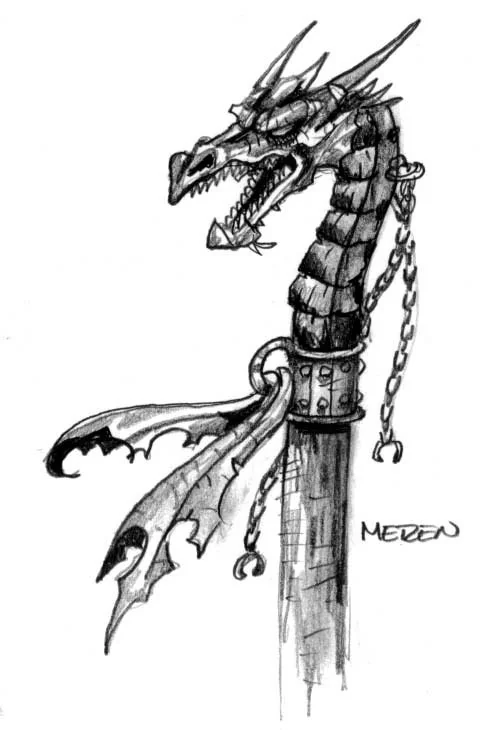
    Warcraft artwork relating to Ironforge, used as historical context for Bronzebeards and Wildhammers restore limited ties
  19. After Grim Batol's loss — exact year unknown 44 / 46

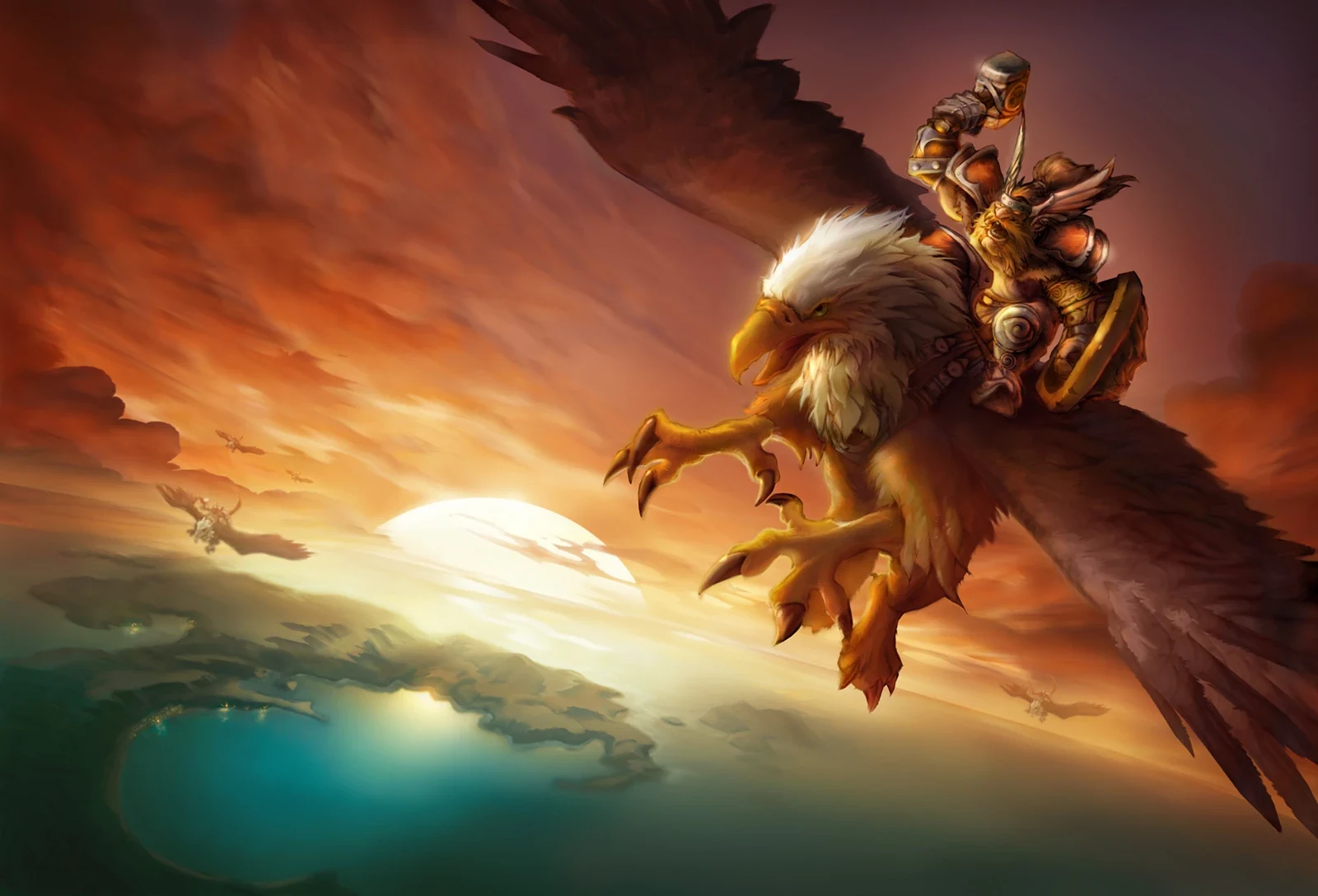
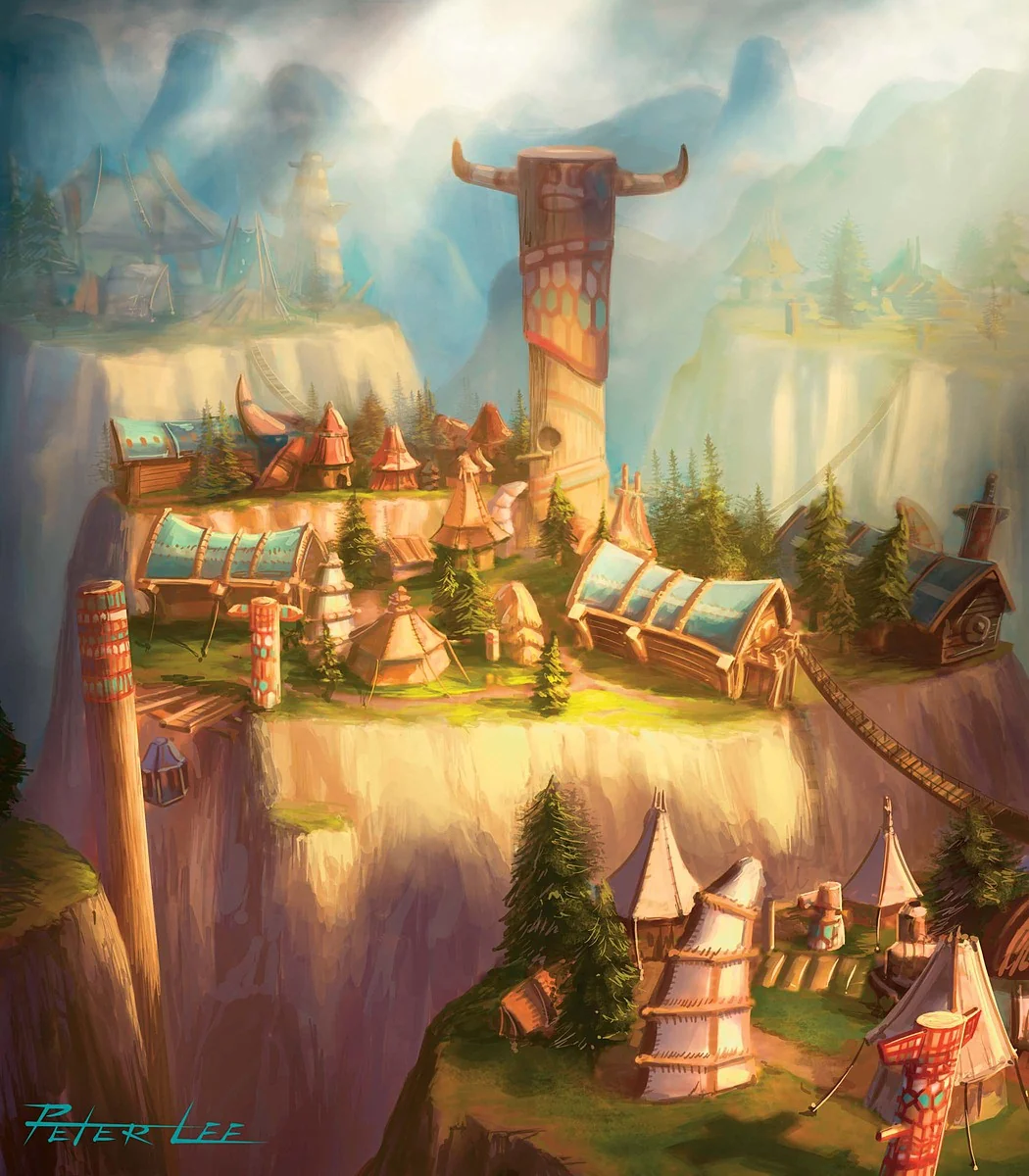
    Wildhammers establish Aerie Peak and bond with gryphons

    The Wildhammer dwarves established Aerie Peak in the Hinterlands and forged a strong bond with the region's gryphons. The Wildhammers had already been driven from their ancestral mountain after the Bronzebeards won the civil war. Its history explains why their gryphon riders stand alongside the Bronzebeards as allies while retaining their own customs, leaders, and mountain homeland.

    Read the full history →
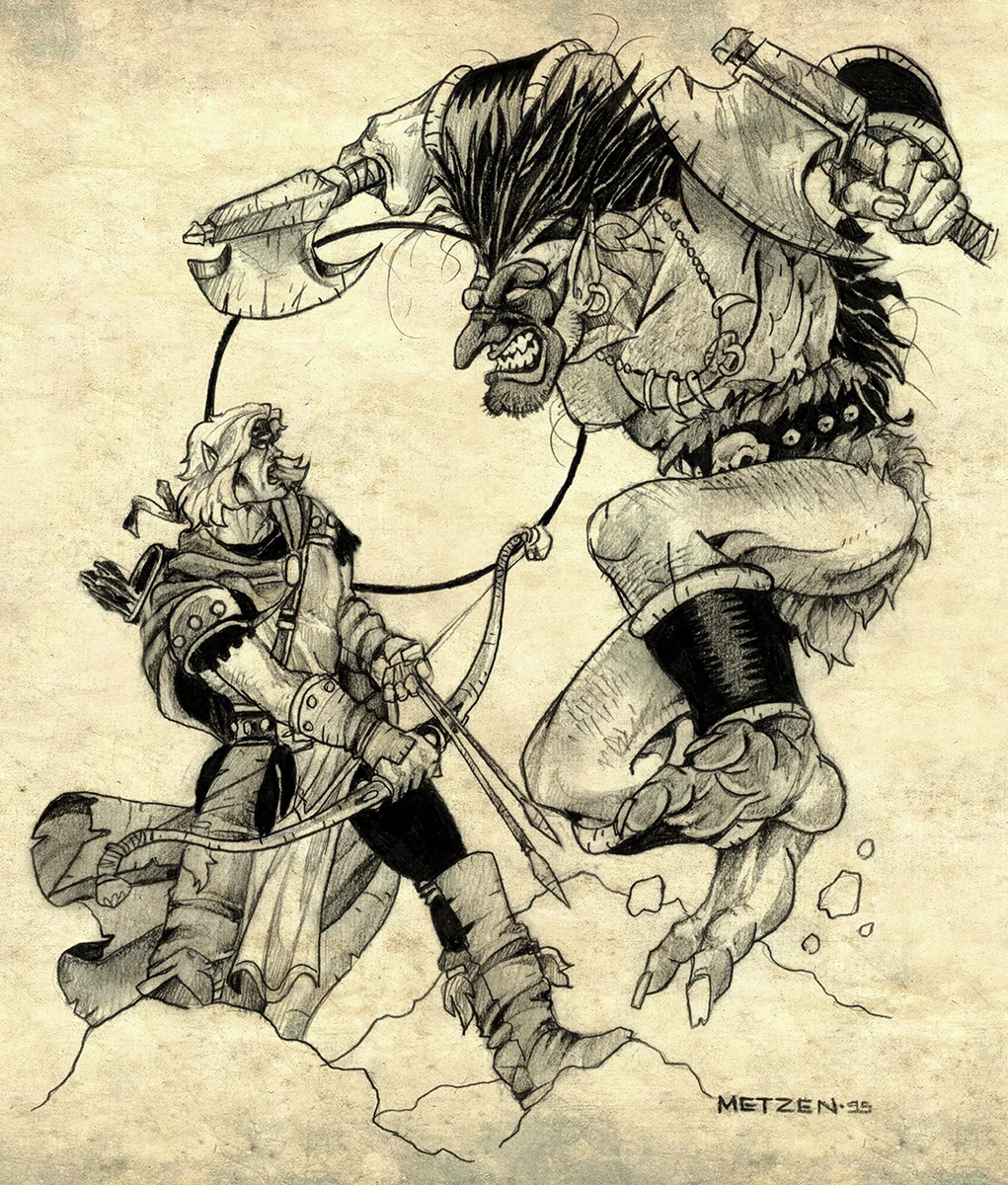
    The gryphon-riding tradition of the Wildhammer dwarves; not an illustration of the founding ceremony.
  20. After the War of the Three Hammers — date unknown 45 / 46

    Thandol Span connects dwarf territories

    The dwarves of Ironforge built the Thandol Span to maintain a reliable connection with their Wildhammer kin farther north. The Bronzebeards kept Ironforge, while the Wildhammers first went to Grim Batol and then established themselves in the Hinterlands after the Dark Iron attack. The bridge later became part of the contested landscape of the Eastern Kingdoms, where armies and travelers crossed the same routes once built to link dwarf communities.

    Read the full history →
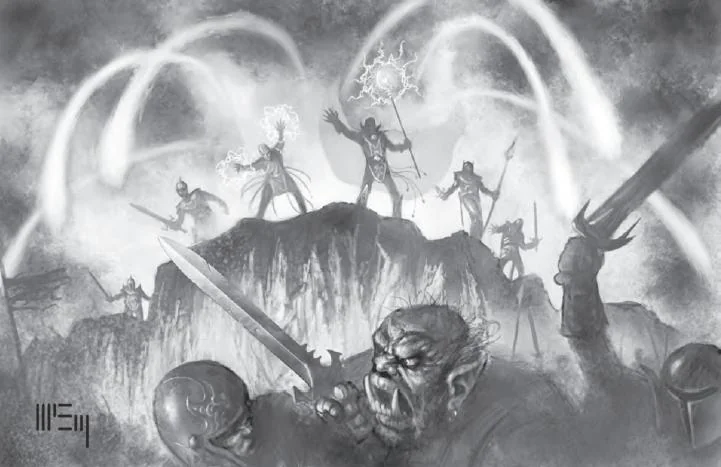
    Warcraft artwork relating to Ironforge, used as historical context for Thandol Span connects dwarf territories
  21. Relative or enduring historical era — exact year undetermined 46 / 46

    The other Aspects secure the Dragon Soul

    The Dragon Soul did not cease to threaten Azeroth when the Burning Legion's first invasion ended. Neltharion had gained the trust of his fellow guardians and turned their gifts against them during the War of the Ancients. The Second War brought the consequence into sharper focus when the Dragonmaw clan used the weapon associated with the Demon Soul to control Alexstrasza and her brood.

    Read the full history →
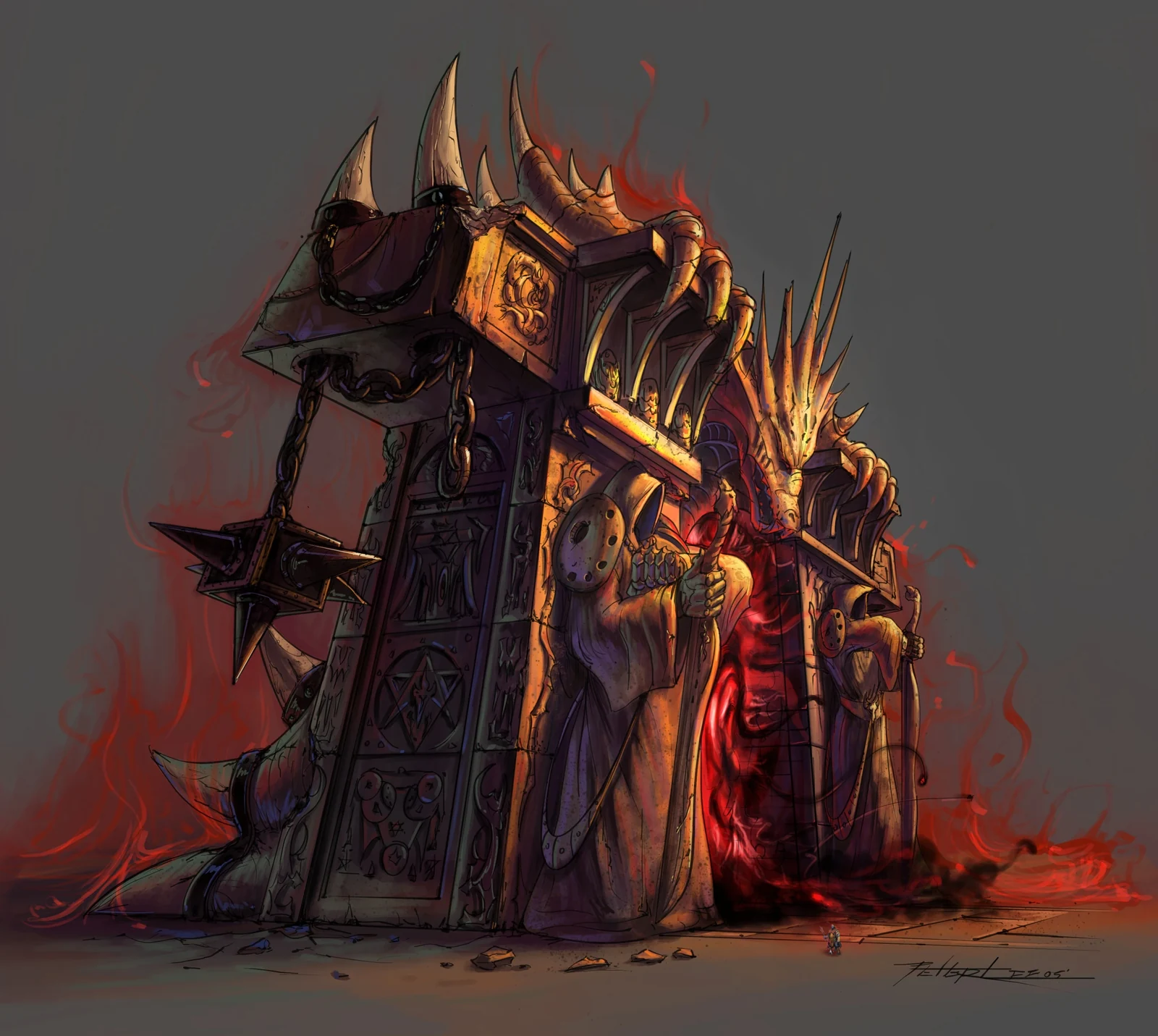
    Warcraft artwork relating to Burning Legion, used as historical context for The other Aspects secure the Dragon Soul
The coming of the First War Before the Dark Portal Events leading into the invasion and the first great conflict. 19 events Explore era

You are exploring Before the Dark Portal. Follow the vertical track or open a historical event for more context.

19 source records
  1. Prehistoric or relative era only — year unknown 01 / 19

    Hakkar cult and Atal’ai exiles become threats

    Within the shattered Gurubashi legacy, worshippers of Hakkar the Soulflayer sought dangerous power that other trolls came to fear. The Atal'ai priesthood preserved that devotion despite opposition and retreat. Its survival in the Temple of Atal'Hakkar linked an ancient spiritual conflict to dangers still present in the original World of Warcraft.

    Concurrent historical episode; card order does not establish precedence. Read the full history →
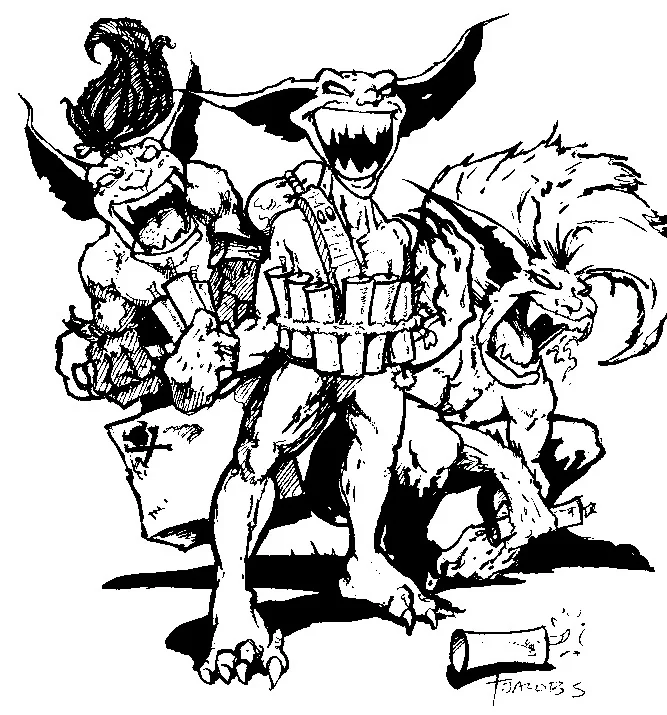
    Art depicting Hakkar the Soulflayer, related to the historical entry Hakkar cult and Atal’ai exiles become threats
  2. Pre–First War on Draenor — exact year unverified 12 / 19

    The Mannoroth blood oath enslaves much of the Horde

    The old Horde’s transformation into a demonic army reached a decisive moment when clan leaders drank the blood of Mannoroth. The blood promised overwhelming power, but it also bound its drinkers to the Burning Legion’s influence. Gul’dan helped bring the orcs to that choice while Durotan of the Frostwolves refused it. The oath’s consequences followed the Horde into its wars on Azeroth and became the curse that Thrall’s generation would struggle to break.

    Concurrent historical episode; card order does not establish precedence. Read the full history →

    Art depicting Mannoroth, related to the historical entry The Mannoroth blood oath enslaves much of the Horde
The Dark Portal opens The First War The Horde invades and the kingdom of Stormwind is shaken. 22 events Explore era

You are exploring The First War. Follow the vertical track or open a historical event for more context.

22 source records
  1. Approximately 3–6 ADP — historical range 11 / 22

    Doomhammer purges the surviving Shadow Council

    After taking leadership of the Horde, Orgrim Doomhammer struck at the surviving Shadow Council that had manipulated orcish politics under Gul'dan. The Shadow Council had helped corrupt orcish clans and bring them under demonic influence before the invasion of Azeroth. Doomhammer's purge explains both the rivalry that haunted the Horde's Second War campaign and the danger of a warlock whose personal search for power would eventually pull forces away from the Alliance front.

    Read the full history →
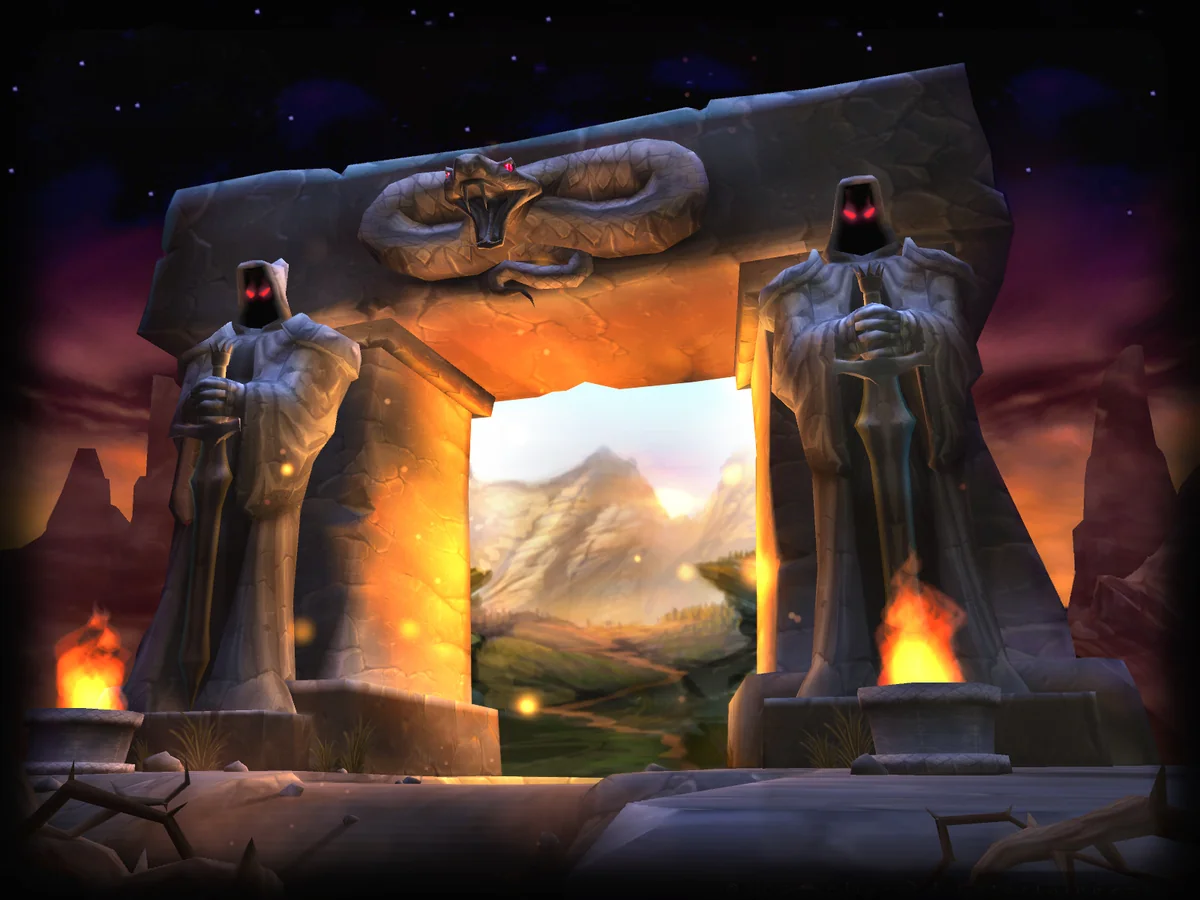
    Art depicting Orgrim Doomhammer, related to the historical entry Doomhammer purges the surviving Shadow Council
  2. Between 3 and 5 ADP — estimated range 18 / 22

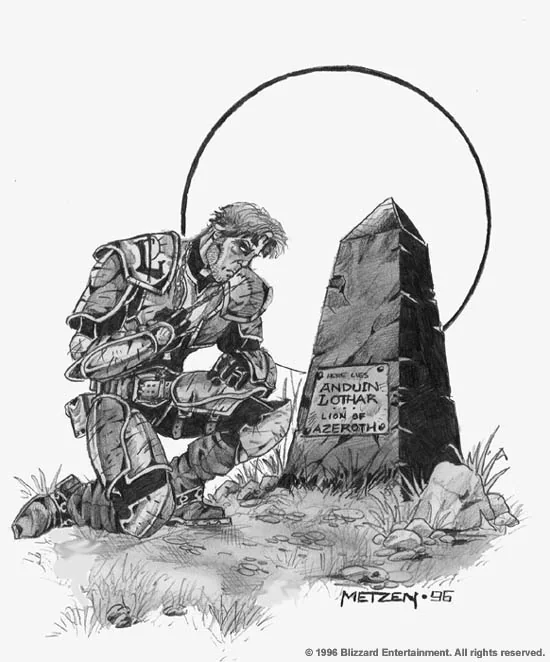
    Stormwind falls; Lothar leads survivors north

    The fall of Stormwind ended the kingdom’s resistance to the first great orcish invasion of Azeroth. King Llane was assassinated, and the city could no longer withstand the Horde’s armies. Anduin Lothar gathered survivors and led them north to Lordaeron, carrying news of a danger greater than any one human kingdom. Their flight set the stage for the Alliance that would confront the Horde in the Second War.

    Read the full history →
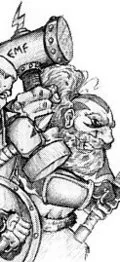
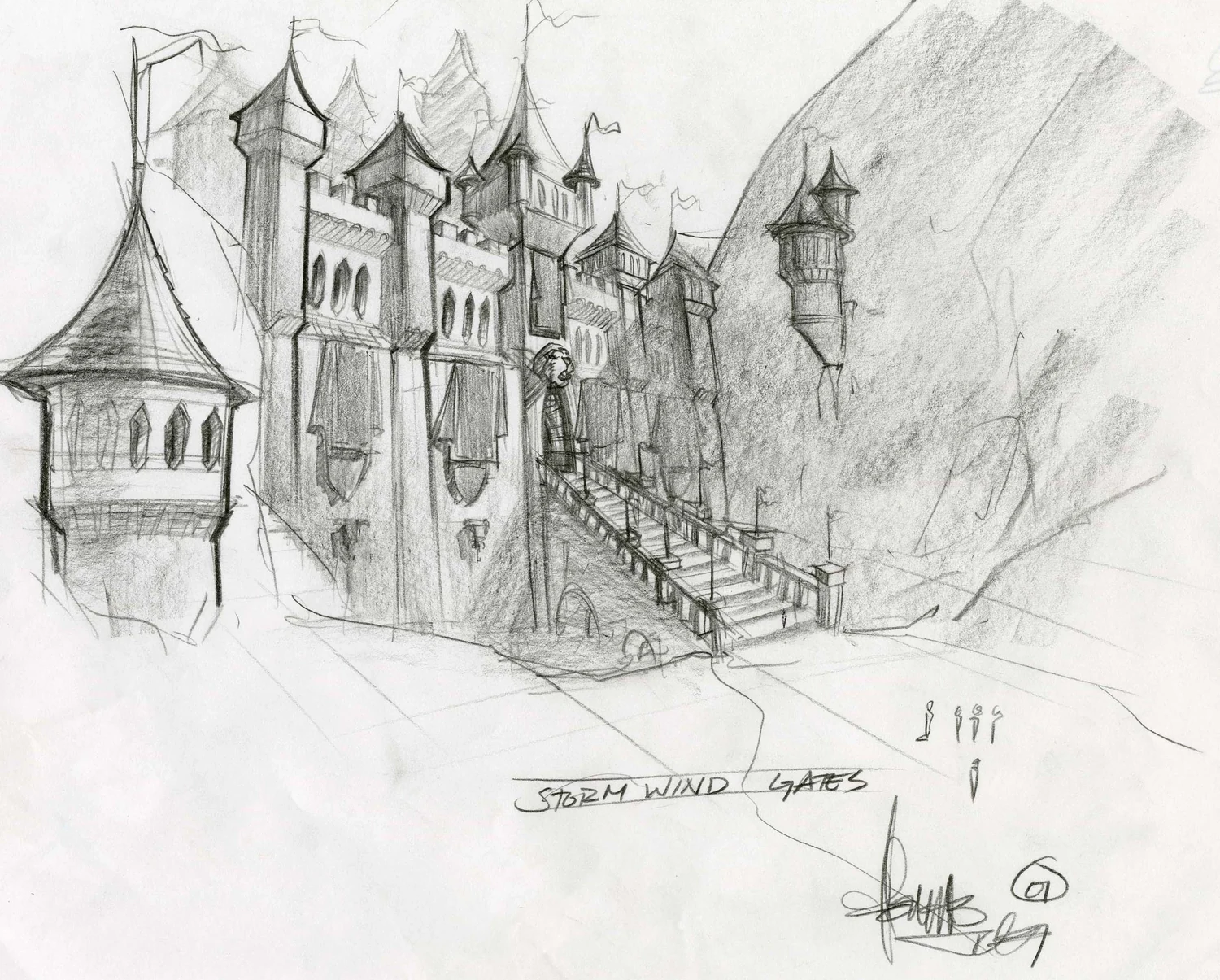
    Pencil drawing of Stormwind’s stone entrance gates and towers.
  3. Approximately 5–6 ADP — historical range 19 / 22

    Terenas convenes leaders of the northern human kingdoms

    King Terenas of Lordaeron gathered northern human leaders after Lothar warned that the Horde which destroyed Stormwind would continue its invasion. Stormwind's surviving refugees had reached Lordaeron carrying accounts of a powerful enemy able to shatter a kingdom. Gilneas was reluctant to join the initial appeal, and other rulers weighed their own rivalries and interests.

    Read the full history →
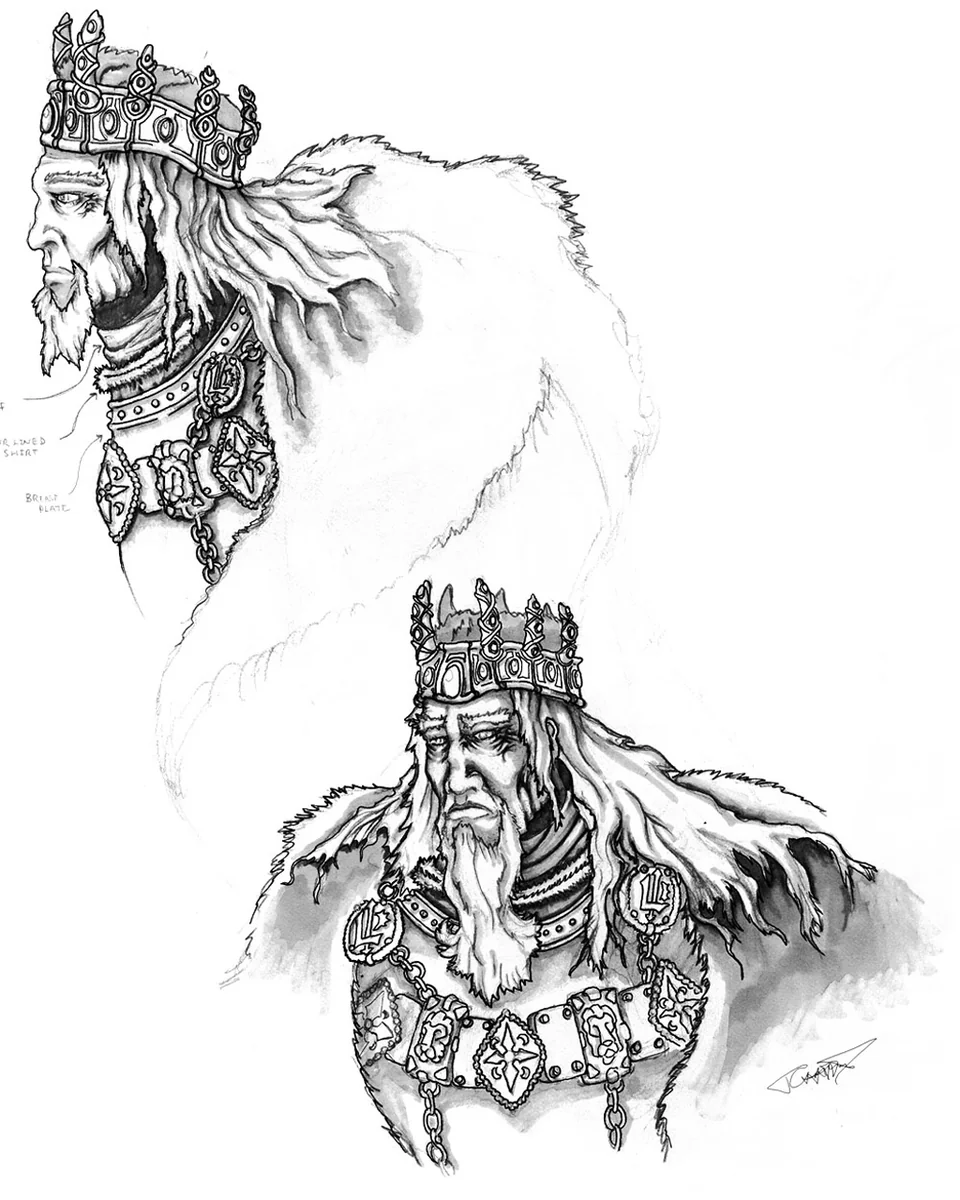
    Art depicting Terenas Menethil II, related to the historical entry Terenas convenes leaders of the northern human kingdoms
The Alliance and Horde at war The Second War The wider war and the struggle for the Eastern Kingdoms. 34 events Explore era

You are exploring The Second War. Follow the vertical track or open a historical event for more context.

34 source records
  1. Approximately 5–6 ADP — historical range 04 / 34

    Gul’dan creates the Horde’s first generation of death knights

    Gul'dan created the Horde's first death knights by binding spirits associated with the Shadow Council to the remains of fallen human knights. The creation of death knights gave the warchief terrifying spellcasters on horseback while preserving some of the power the Shadow Council had lost. These first death knights belong to Warcraft II history and should not be confused with Arthas or the Knights of the Ebon Blade of later eras.

    Read the full history →
    Armored Warcraft II death knight with a staff
  2. Approximately 5–6 ADP — estimated date range 06 / 34

    Dragonmaw enslave Alexstrasza

    The Dragonmaw clan captured the red dragonqueen Alexstrasza and used the Demon Soul to keep her under their control. Her dragonflight was forced into the Horde's war effort, turning Azeroth's ancient guardians into military captives. The enslavement lasted beyond the Second War until a later expedition at Grim Batol secured her freedom.

    Concurrent historical episode; card order does not establish precedence. Read the full history →
    Art depicting Alexstrasza, related to the historical entry Dragonmaw enslave Alexstrasza
  3. Approximately 6–25 ADP — historical period 07 / 34

    The Amani Homeland and the Second War

    The forest trolls of the Amani never regarded the great forests of the northern Eastern Kingdoms as empty territory waiting for newcomers. After the war, Zul'jin disappeared from the center of public events, but the tribes did not all choose the same future. Both peoples are trolls, and both have suffered dislocation, yet their political identities were shaped by different wars. By the beginning of World of Warcraft, the Amani remain a force rooted in the grievances of an ancient forest kingdom, and the consequences of the Second War still shape their relations with surrounding peoples.

    Read the full history →
    Warcraft illustration of Amani forest trolls, shown as related historical context for The Amani Homeland and the Second War.
  4. Around 5–6 ADP — estimated historical interval 11 / 34

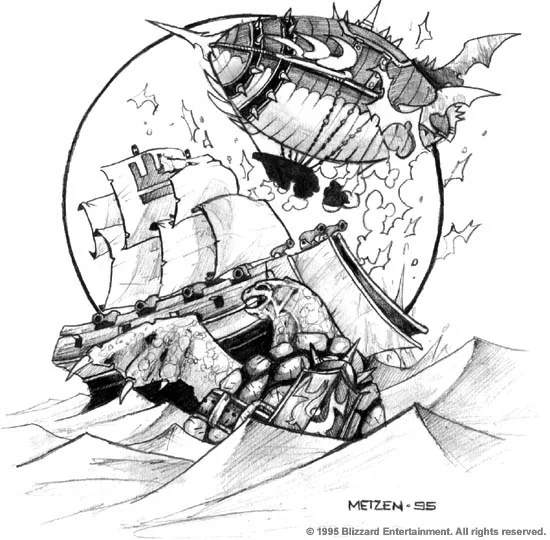
    Goblin mercenaries furnish Horde war machines

    Goblins furnished the Old Horde with machines, explosives, and aerial support during the Second War. Zeppelin crews, sappers, and alchemical specialists supplied capabilities beyond the orcs' traditional clan warfare. Their employment showed the commercial and inventive role goblins could play without making them a unified political arm of the Horde.

    Concurrent historical episode; card order does not establish precedence. Read the full history →
    Art depicting Goblins / Steamwheedle, related to the historical entry Goblin mercenaries furnish Horde war machines
  5. Approximately 5–6 ADP — historical range 13 / 34

    Thoras Trollbane commits Stromgarde to the Alliance

    King Thoras Trollbane brought Stromgarde into the Alliance of Lordaeron as the northern kingdoms prepared for the Horde's advance. The threat announced by Lothar concerned not only a single approaching army but a wider invasion that might break through several borders. Stromgarde's participation was one element in the larger transformation of independent realms into a military Alliance.

    Read the full history →
    Art depicting Alliance of Lordaeron, related to the historical entry Thoras Trollbane commits Stromgarde to the Alliance
  6. Approximately 5–6 ADP — historical range 15 / 34

    Ironforge dwarves bring arms and technical support

    The dwarves of Ironforge brought weapons and technical skill to the Alliance as the Horde pressed into Khaz Modan. Ironforge's strength lay in its fortified home, craftsmen, and hard-won knowledge of mountain warfare. The arrival of Ironforge's aid shows how the Alliance came to represent more than the human kingdoms gathered at Terenas's court and why Khaz Modan remained bound to northern politics afterward.

    Read the full history →
    Art depicting Ironforge, related to the historical entry Ironforge dwarves bring arms and technical support
  7. Approximately 5–6 ADP — historical range 16 / 34

    Quel’Thalas high elves provide rangers and naval forces

    High elves from Quel'Thalas contributed rangers, archers, and naval crews to the Alliance's defense against the Horde. Quel'Thalas was descended from the Highborne who had crossed the sea after the Sundering and founded a new homeland in the north. The Amani still contested Quel'Thalas, and Zul'jin's eventual cooperation with the Horde would give that conflict a new wartime form.

    Read the full history →
    Art depicting Quel’Thalas / Silvermoon, related to the historical entry Quel’Thalas high elves provide rangers and naval forces
  8. Approximately 5–6 ADP — historical range 17 / 34

    Dragonmaw keep Alexstrasza and use captive dragon offspring

    The Dragonmaw clan held Alexstrasza captive at Grim Batol and used her offspring as war dragons for the Horde. Alexstrasza had been one of the great Aspects appointed to guard Azeroth. Alexstrasza's captivity remained one of the great injuries of the period until later events at Grim Batol brought a reckoning.

    Concurrent historical episode; card order does not establish precedence. Read the full history →
    Warcraft artwork relating to Dragonmaw clan, used as historical context for Dragonmaw keep Alexstrasza and use captive dragon offspring
  9. Approximately 5–6 ADP — historical range 18 / 34

    Horde extracts power from the elven runestone at Caer Darrow

    The Horde took power from an elven runestone at Caer Darrow and used its magic in the creation of ogre-magi at the Altars of Storms. High elven runestones were bound to old traditions of protecting Quel'Thalas and controlling arcane forces. Its importance lies in the meeting of two magical traditions: an elven defensive inheritance and an invading army's use of stolen power.

    Read the full history →
    Warcraft artwork relating to Horde attacks Quel’Thalas, used as historical context for Horde extracts power from the elven runestone at Caer Darrow
  10. Approximately 5–6 ADP — historical range 24 / 34

    Goblins provide military inventions to the Horde

    Goblins supplied the Horde with inventive and dangerous machines during the Second War, including sappers, observation craft, and submersible turtles. Fortifications had to be broken, enemy movements observed, and fleets challenged beyond the reach of ordinary ground troops. It also helps explain why technology, rather than magic alone, became a defining part of the contest between the Horde and the Alliance.

    Concurrent historical episode; card order does not establish precedence. Read the full history →
    Two goblin sappers carrying explosives and equipment.
  11. Approximately 6 ADP — source-linked estimate 31 / 34

    Dwarven sappers and craftsmen aid the Alliance

    Dwarven sappers and craftsmen provided the Alliance with tools for siege warfare and difficult engineering tasks during the Second War. The Alliance fought across fortresses, rivers, mountain passes, and coastlines, where courage alone could not remove every obstacle. The battlefield roles of sappers and riders show how the Alliance became effective by joining specialized traditions from several kingdoms and clans.

    Read the full history →
    Warcraft artwork relating to Kingdom of Ironforge, used as historical context for Dwarven sappers and craftsmen aid the Alliance
  12. Approximately 5–10 ADP — estimated historical period 32 / 34

    The Dragon Roost keeps the Dragonqueen captive

    Alexstrasza's imprisonment turned the Dragon Roost into one of the Horde's cruelest engines of war. The Horde's armies needed more than infantry to challenge the Alliance across northern Azeroth. The Dragon Roost's operations drew their authority from magical domination, not a legitimate allegiance of the red flight.

    Concurrent historical episode; card order does not establish precedence. Read the full history →
    Warcraft artwork relating to Dragonmaw clan, used as historical context for The Dragon Roost keeps the Dragonqueen captive
  13. Approximately 5–10 ADP — estimated historical period 34 / 34

    The cost of controlling the Dragon Roost brood

    The Horde's dragon handlers faced a contradiction at the Dragon Roost: the stronger Alexstrasza's offspring grew, the more dangerous they became to their captors. The Dragonmaw clan exploited her eggs and trained the young for combat, creating the dragon-rider force feared by the Alliance. No invented slaughter scene is needed to convey the significance of the Dragonmaw's treatment of the red flight.

    Concurrent historical episode; card order does not establish precedence. Read the full history →
    Warcraft artwork relating to Alexstrasza, used as historical context for The cost of controlling the Dragon Roost brood
After the Second War Between the Wars Internment, rebuilding, and the approach of another conflict. 23 events Explore era

You are exploring Between the Wars. Follow the vertical track or open a historical event for more context.

23 source records
  1. Approximately 7–18 ADP — estimated interval 09 / 23

    Scattered orcs lose hope in captivity

    After the Horde's defeat, many captive orcs lost the fury that had once driven them into battle. Confined in Alliance internment camps, they became lethargic as demonic influence receded. Their despair formed part of the challenge Thrall faced when he began the work of liberating and reuniting his people.

    Concurrent historical episode; card order does not establish precedence. Read the full history →
    Art depicting Old Horde, related to the historical entry Scattered orcs lose hope in captivity
  2. Relative-only or enduring condition — exact year unverified 10 / 23

    Centaur clans drive the tauren into long migrations

    Centaur attacks kept the tauren moving across Kalimdor for generations. Their raiding and expansion endangered camps, hunting lands, and the tribes' ability to settle securely. Cairne Bloodhoof's alliance with Thrall during the Third War began to change that struggle by helping the tauren reclaim a defensible homeland.

    Concurrent historical episode; card order does not establish precedence. Read the full history →
    Warcraft artwork relating to Kalimdor centaur, used as historical context for Centaur clans drive the tauren into long migrations
  3. Approximately 6–8 ADP — historical range 12 / 23

    Most forest trolls sever their old Horde allegiance

    Following the Horde defeat, most forest troll tribes abandon the orcs; the Revantusk remain a partial exception. It forms part of the historical narrative “Zul’jin — The Forest Trolls After the Second War.” The same history also records zul’jin captured by humans; orc forces move to free him. The collapse of the wartime alliance did not end the trolls' struggle against Quel'Thalas.

    Read the full history →
    Warcraft artwork relating to Amani forest trolls, used as historical context for Most forest trolls sever their old Horde allegiance
  4. Approximately 10 ADP — historical estimate 14 / 23

    Dragonqueen Alexstrasza is liberated at Grim Batol

    Alexstrasza remained enslaved in Grim Batol after the Second War, held by the Dragonmaw through the Demon Soul. Rhonin and his companions helped expose and break the dragons' captivity. The destruction of the artifact freed the red dragonqueen and ended the Horde's coercive control over her flight.

    Concurrent historical episode; card order does not establish precedence. Read the full history →
    Warcraft artwork relating to Rhonin, used as historical context for Dragonqueen Alexstrasza is liberated at Grim Batol
  5. Approximately 10 ADP — historical estimate 15 / 23

    The Demon Soul is shattered at Grim Batol

    The Demon Soul's destruction at Grim Batol broke the power that had helped keep Alexstrasza captive. Alexstrasza had been forced to provide offspring for Horde dragon riders, a practice described in the Warcraft II manual. The rescue is remembered through the roles of Rhonin and the allies drawn into his mission, together with the actions of the dragons themselves.

    Concurrent historical episode; card order does not establish precedence. Read the full history →
    Warcraft artwork relating to Alexstrasza, used as historical context for The Demon Soul is shattered at Grim Batol
  6. Approximately 15–18 ADP — estimated date range 16 / 23

    Thrall escapes Durnholde and learns his heritage

    Thrall escaped his human captor Aedelas Blackmoore and began searching for his orcish heritage. He encountered Grom Hellscream and the Warsong clan, then discovered the Frostwolves and the story of his parents. The journey changed him from an enslaved gladiator into a leader determined to free the orcs from captivity and demonic control.

    Concurrent historical episode; card order does not establish precedence. Read the full history →
    Thrall escapes Durnholde and learns his heritage — illustration
  7. Approximately 15–20 ADP — estimated period 19 / 23

    Muradin represents Ironforge and instructs young Arthas

    Muradin Bronzebeard represented Ironforge in Lordaeron and instructed the young Prince Arthas in arms. Ironforge's alliance with the human kingdoms had been strengthened through the Second War, and Muradin's presence in Lordaeron reflected those continuing ties. The friendship gained tragic importance in Northrend when Arthas sought Frostmourne despite Muradin's warnings.

    Read the full history →
    Warcraft artwork relating to Ironforge, used as historical context for Muradin represents Ironforge and instructs young Arthas
  8. Approximately 20 ADP — Warcraft III campaign estimate 22 / 23

    Arthas and Uther battle Blackrock orcs near Strahnbrad

    Arthas defended Strahnbrad against a Blackrock orc raid before joining Uther the Lightbringer in the attack on the raiders' encampment. Arthas responded as a commander expecting to meet an enemy he could identify and defeat with soldiers. Soon Arthas and Jaina would pursue reports of strange sickness and undead attacks, threats that could not be solved simply by overrunning an orc camp.

    Read the full history →
    Historical illustration of Arthas and Uther battle Blackrock orcs near Strahnbrad
The rise of the Scourge The Third War The fall of Lordaeron and the defense of Kalimdor. 40 events Explore era

You are exploring The Third War. Follow the vertical track or open a historical event for more context.

40 source records
  1. Approximately 20 ADP — Warcraft III campaign estimate 05 / 40

    Arthas and Jaina investigate plague-bearing grain and the Cult

    Arthas and Jaina Proudmoore followed signs of plague and secret cult activity through Lordaeron, tracing the spread of undeath to infected grain and the Cult of the Damned. The Cult served the Lich King through mortal agents who could move through human communities without appearing as an invading army. Kel'Thuzad's role connected the local outbreak to a larger design, and the investigation pushed Arthas toward the choices that culminated at Stratholme.

    Read the full history →
    Art depicting Jaina Proudmoore, related to the historical entry Arthas and Jaina investigate plague-bearing grain and the Cult
  2. Approximately 20 ADP — Warcraft III campaign estimate 06 / 40

    Uther and Jaina refuse Arthas’s order to purge Stratholme

    Uther and Jaina refused Arthas's order to purge Stratholme when he concluded that its citizens were infected with the undead plague. Grain had brought the plague into human communities, and Arthas believed that those not yet visibly undead would soon rise as servants of the Scourge. Mal'Ganis continued to draw him north, and the prince increasingly pursued victory through actions that severed the bonds of duty and restraint.

    Read the full history →
    Warcraft artwork relating to Jaina Proudmoore, used as historical context for Uther and Jaina refuse Arthas’s order to purge Stratholme
  3. Approximately 20 ADP — Third War estimate 12 / 40

    Kel’Thuzad is resurrected in the Sunwell

    Arthas brought Kel'Thuzad's remains to the Sunwell in Quel'Thalas and used its power to restore the necromancer as a lich. The ritual required the Scourge to break through the defenses of the high-elven kingdom. It transformed a sacred source of magic into the instrument of a new disaster for the living.

    Concurrent historical episode; card order does not establish precedence. Read the full history →
    Art depicting Kel'Thuzad, related to the historical entry Kel’Thuzad is resurrected in the Sunwell
  4. Approximately 20 ADP — Third War estimate 13 / 40

    Silvermoon is devastated; Sylvanas falls

    Arthas's invasion devastated Silvermoon and the kingdom of Quel'Thalas during the Third War. Sylvanas Windrunner fought to stop the Scourge but was killed and raised into undead servitude. The fall of the kingdom shattered the high elves' old world and prepared the emergence of the blood elves and the Forsaken.

    Concurrent historical episode; card order does not establish precedence. Read the full history →
    Warcraft artwork relating to Sylvanas Windrunner, used as historical context for Silvermoon is devastated; Sylvanas falls
  5. Approximately 20 ADP — original-era chronology estimate 15 / 40

    Dalaran falls and Archimonde is summoned

    The Scourge’s march through Quel’Thalas and Lordaeron culminated in a ritual at Dalaran that brought Archimonde into Azeroth. Arthas and Kel’Thuzad overcame the city’s magical defenders and completed the summoning on behalf of the Burning Legion. Archimonde’s destruction of Dalaran made plain that the Scourge had been preparing the way for a still greater enemy. The war then turned toward Kalimdor and the World Tree at Mount Hyjal.

    Concurrent historical episode; card order does not establish precedence. Read the full history →
    Art depicting Archimonde, related to the historical entry Dalaran falls and Archimonde is summoned
  6. Approximately 20 ADP — Warcraft III campaign estimate 16 / 40

    Archimonde destroys the city of Dalaran

    Archimonde destroyed Dalaran after Kel'Thuzad summoned him into Azeroth during the Third War. The Scourge prepared the way for the Legion by breaking the defenses of Lordaeron, conquering Quel'Thalas, and acquiring Medivh's spellbook. Archimonde would ultimately march against the World Tree on Mount Hyjal and be destroyed by the wisps summoned through Malfurion's plan.

    Concurrent historical episode; card order does not establish precedence. Read the full history →
    Art depicting Archimonde, related to the historical entry Archimonde destroys the city of Dalaran
  7. Approximately 20 ADP — Warcraft III campaign estimate 21 / 40

    Sen’jin dies during the murloc captivity crisis

    The Darkspear leader had already encountered Thrall's orcs during their voyage west, when shared enemies made cooperation possible. The appearance of the orcs offered assistance against one set of enemies, but the murloc threat created a different crisis that could not be solved without sacrifice. When the Darkspear traveled with Thrall toward Kalimdor, they carried the memory of Sen'jin into a new alliance.

    Read the full history →
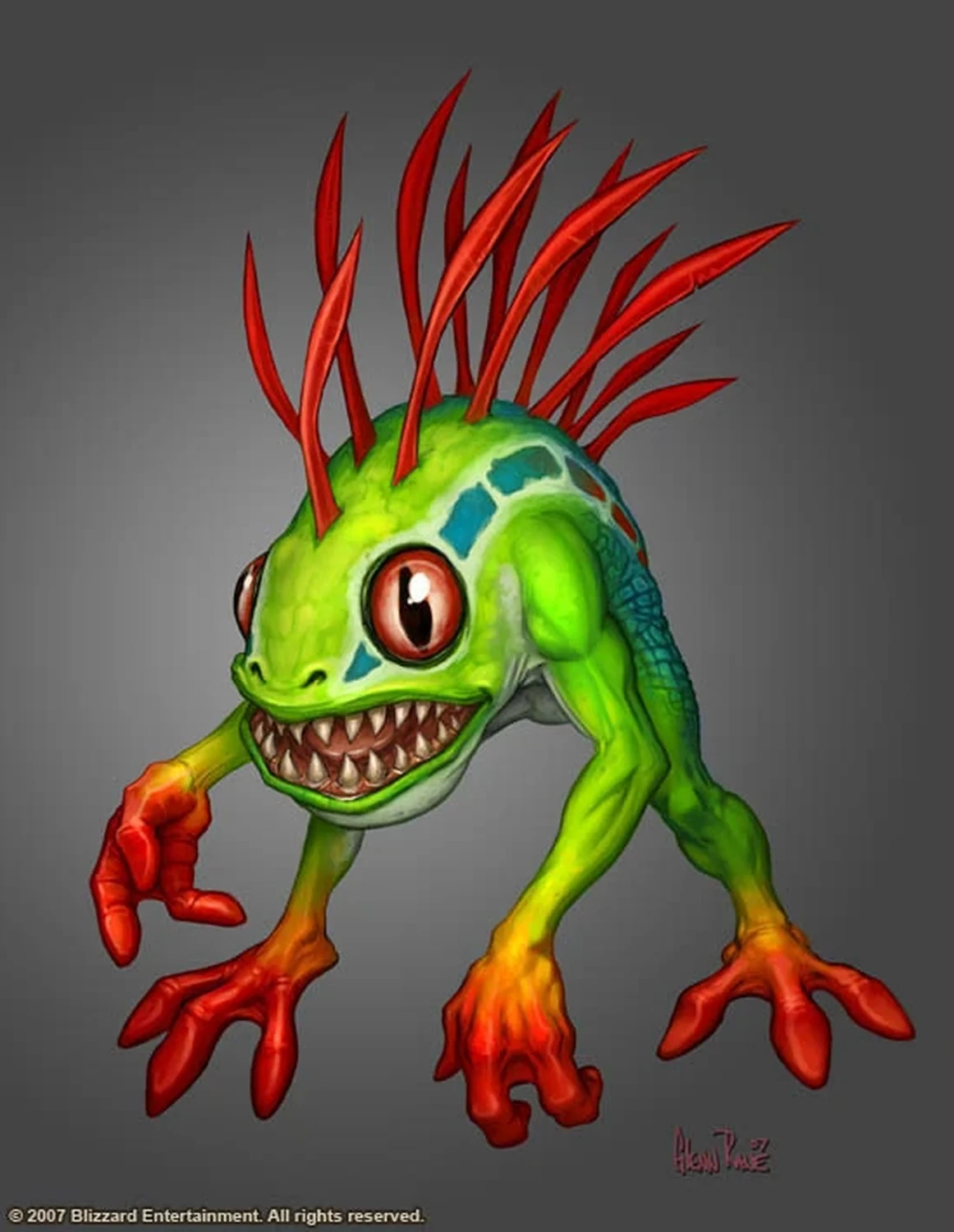
    Original Warcraft concept of a green murloc with red spines.
  8. Approximately 20 ADP — Warcraft III campaign estimate 22 / 40

    Surviving Darkspear trolls escape with Thrall toward Kalimdor

    Surviving Darkspear trolls escaped their endangered islands with Thrall's orcs and continued toward Kalimdor. The Darkspear had lost their chief and could no longer rely on their island refuge. They would eventually settle the Echo Isles off Durotar, only to face another crisis under the witch doctor Zalazane.

    Concurrent historical episode; card order does not establish precedence. Read the full history →
    Warcraft artwork relating to Darkspear trolls, used as historical context for Surviving Darkspear trolls escape with Thrall toward Kalimdor
  9. Approximately 20 ADP — Third War estimate 23 / 40

    Darkspear trolls join the Horde

    The Darkspear are a jungle-troll people whose later history was shaped by displacement, Sen’jin’s leadership, and an alliance with Thrall. They belong to the greater Gurubashi-descended world but did not follow every policy of the old jungle empire. After leaving Stranglethorn they struggled for a home and settled near the new Horde in Kalimdor. Their distinct political identity emerged long after Tyr, Kith’ix, and the earliest empires.

    Read the full history →
    Art depicting Darkspear trolls, related to the historical entry Darkspear trolls join the Horde
  10. Approximately 20 ADP — Third War estimate 24 / 40

    Horde reaches Kalimdor and meets tauren

    When Thrall's Horde reached Kalimdor, it encountered Cairne Bloodhoof and tauren under threat from centaur raiders. The orcs aided the tauren, and Cairne offered friendship and guidance in return. Their alliance helped the tauren secure a homeland and shaped the multi-racial Horde that emerged after the Third War.

    Concurrent historical episode; card order does not establish precedence. Read the full history →
    Art depicting Tauren / Shu'halo, related to the historical entry Horde reaches Kalimdor and meets tauren
  11. Approximately 20 ADP — Warcraft III campaign estimate 25 / 40

    Thrall assists Cairne and tauren fleeing centaur attacks

    Thrall encountered Cairne Bloodhoof and helped tauren families move through the Barrens while centaur attacked them. The tauren had long lived in scattered communities under pressure from centaur raiders. The alliance grew through further dangers and ultimately helped the tauren secure Mulgore.

    Concurrent historical episode; card order does not establish precedence. Read the full history →
    Art depicting Cairne Bloodhoof, related to the historical entry Thrall assists Cairne and tauren fleeing centaur attacks
  12. Approximately 20 ADP — Warcraft III campaign estimate 26 / 40

    Warsong logging provokes Cenarius and night elf defenders

    Warsong orcs cut timber in Ashenvale as the Horde sought materials for its new settlements, bringing them into conflict with Cenarius and night elven defenders. The Horde's arrival had not been a peaceful expansion into uninhabited territory. The confrontation became more dangerous when demonic corruption offered the Warsong a way to overcome Cenarius.

    Read the full history →
    Art depicting Night elf Sentinels, related to the historical entry Warsong logging provokes Cenarius and night elf defenders
  13. Approximately 20 ADP — Third War estimate 27 / 40

    Grom’s Warsong drink Mannoroth’s blood

    The Warsong clan again accepted Mannoroth's blood during the Third War, surrendering to the corruption from which Thrall hoped to free the orcs. Under its influence, Grom Hellscream's warriors slew the demigod Cenarius in Ashenvale. Their victory carried a terrible cost and forced a confrontation with the demon who had bound the Horde long before.

    Concurrent historical episode; card order does not establish precedence. Read the full history →
    Art depicting Grom Hellscream, related to the historical entry Grom’s Warsong drink Mannoroth’s blood
  14. Approximately 20 ADP — Third War estimate 28 / 40

    Grom’s corrupted Warsong forces kill Cenarius

    Grom Hellscream and the Warsong clan killed Cenarius after drinking waters corrupted by demonic power. The conflict began when Warsong logging brought orcish axes into forests defended by the night elves. Thrall later fought to free Grom from demonic control, and Grom's final struggle against Mannoroth would end the blood curse at the cost of his life.

    Concurrent historical episode; card order does not establish precedence. Read the full history →
    Historical illustration of Grom’s corrupted Warsong forces kill Cenarius
  15. Approximately 20 ADP — Warcraft III campaign estimate 29 / 40

    Thrall and Jaina meet Medivh at the Stonetalon oracle

    Thrall and Jaina met Medivh at the Stonetalon oracle, where he revealed the Burning Legion as their common enemy. Thrall had guided the Horde to Kalimdor following Medivh's earlier warning, and Jaina had led survivors from Lordaeron after the Scourge destroyed much of the northern kingdom. Stonetalon therefore stands as a turning point not because peace was suddenly easy, but because the leaders recognized a danger that no one people could defeat alone.

    Read the full history →
    Warcraft artwork relating to Medivh, used as historical context for Thrall and Jaina meet Medivh at the Stonetalon oracle
  16. Approximately 20 ADP — Warcraft III campaign estimate 32 / 40

    Tyrande and Malfurion awaken druids from their barrows

    Tyrande Whisperwind awakened Malfurion Stormrage and the druids sleeping in their barrows as the Scourge and Burning Legion threatened Kalimdor. Malfurion had helped save the world during the War of the Ancients and had later entered the Emerald Dream for long periods. The awakening marks the point at which the night elves turned from defending isolated borders to mobilizing the deeper institutions of their civilization.

    Concurrent historical episode; card order does not establish precedence. Read the full history →
    Art depicting Night elves / kaldorei, related to the historical entry Tyrande and Malfurion awaken druids from their barrows
  17. Approximately 20 ADP — Third War estimate 33 / 40

    Tyrande awakens Malfurion and releases Illidan

    As the Burning Legion returned to Kalimdor, Tyrande Whisperwind awakened Malfurion Stormrage and released Illidan from his long imprisonment. The night elves needed every defender they could rally, yet Illidan's freedom revived old divisions over magic and duty. The choices prepared both the defense of Mount Hyjal and the conflict that would follow among the Stormrage brothers.

    Concurrent historical episode; card order does not establish precedence. Read the full history →
    Warcraft artwork relating to Night elf Sentinels, used as historical context for Tyrande awakens Malfurion and releases Illidan
  18. Approximately 20 ADP — Warcraft III campaign estimate 35 / 40

    Malfurion banishes Illidan despite his victory over Tichondrius

    Malfurion expelled Illidan after his brother used the Skull of Gul'dan and transformed into a demonic being, even though Illidan had defeated Tichondrius. Illidan had been imprisoned for thousands of years after creating another Well of Eternity at Mount Hyjal. The incident captures the enduring argument between the brothers about whether a worthy end can justify using forbidden power.

    Read the full history →
    Warcraft artwork relating to Malfurion Stormrage, used as historical context for Malfurion banishes Illidan despite his victory over Tichondrius
  19. Around 20–21 ADP — estimated historical window 37 / 40

    Alliance, Horde and night elves defend Mount Hyjal

    The Burning Legion’s advance toward Nordrassil forced enemies and strangers to fight together at Mount Hyjal. Human, orcish, and night-elven defenders held successive positions while Archimonde moved toward the World Tree. Their resistance bought Malfurion Stormrage the time needed to summon the wisps against the demon lord. Archimonde was destroyed, but the victory damaged the ancient order sustained around Nordrassil and ended the night elves’ former immortality.

    Concurrent historical episode; card order does not establish precedence. Read the full history →
    Archimonde attacks Nordrassil
  20. Around 20–21 ADP — estimated historical window 38 / 40

    Malfurion summons the wisps that destroy Archimonde

    Malfurion brought the wisps of Hyjal against Archimonde as the demon attempted to seize the power of the World Tree. The defenders had delayed Archimonde through a desperate coalition of human survivors, Thrall's orcs and allies, and night elven forces. The destruction of Archimonde ended the great battle at Mount Hyjal, not every conflict among the peoples who had fought there.

    Concurrent historical episode; card order does not establish precedence. Read the full history →
    Art depicting Archimonde, related to the historical entry Malfurion summons the wisps that destroy Archimonde
  21. Around 20 ADP — World of Warcraft launch setting 39 / 40

    The Agamand Mills fall to the Scourge

    The Agamand family attempted to defend its mills against the Scourge during Lordaeron's collapse, but the place fell and its defenders became undead. Mills were part of the settled landscape that the Scourge overturned when the plague spread through Lordaeron. Farthing's quest concerns the remains of specific Agamand family members, giving players a glimpse of how former citizens now confront the undead who once were their neighbors.

    Read the full history →
    Art depicting Agamand Mills, related to the historical entry The Agamand Mills fall to the Scourge
The aftermath of the Third War The Frozen Throne Campaigns in Lordaeron, Northrend, and historical Outland. 39 events Explore era

You are exploring The Frozen Throne. Follow the vertical track or open a historical event for more context.

39 source records
  1. Approximately 21 ADP — The Frozen Throne campaign estimate 05 / 39

    Maiev calls for Malfurion and Tyrande to assist her pursuit

    Maiev sought help from Malfurion and Tyrande as her pursuit of Illidan became entangled with naga forces and dangerous magic. Maiev's duty as Illidan's jailer had defined her relationship with him long before the Third War. The assistance helped lead to the interruption of Illidan's spell at Dalaran and to the later crisis involving Tyrande's disappearance.

    Read the full history →
    Warcraft artwork relating to Tyrande Whisperwind, used as historical context for Maiev calls for Malfurion and Tyrande to assist her pursuit
  2. Approximately 21 ADP — The Frozen Throne campaign estimate 08 / 39

    Illidan and Malfurion cooperate to rescue Tyrande

    Illidan and Malfurion cooperated to rescue Tyrande after her disappearance during the night elven campaign. Malfurion became a druidic guardian of the land, while Illidan remained fascinated by arcane power and was imprisoned for creating another Well. The successful rescue preserved Tyrande's place among the night elves but did not provide a reconciliation of every old dispute.

    Read the full history →
    Warcraft artwork relating to Tyrande Whisperwind, used as historical context for Illidan and Malfurion cooperate to rescue Tyrande
  3. Approximately 20–21 ADP — estimated transition 09 / 39

    Kael’thas and surviving high elves become blood elves

    After the Scourge devastated Quel'Thalas, Prince Kael'thas named the surviving high elves the blood elves in memory of their dead. Kael returned to a shattered homeland and gathered followers whose old identity no longer seemed to express what had happened to them. The blood elves' origin therefore lies before their later travels through the shattered remains of Draenor.

    Read the full history →
    Art depicting Blood elves / sin'dorei, related to the historical entry Kael’thas and surviving high elves become blood elves
  4. Approximately 21 ADP — The Frozen Throne campaign estimate 11 / 39

    Garithos Imprisons the Blood Elves

    Grand Marshal Garithos imprisoned Prince Kael'thas Sunstrider and his surviving blood elf troops after they accepted Lady Vashj's help against the Scourge. The decision turned a strained military partnership into an open rupture. Kael's soldiers had lost their homeland and the Sunwell and were still fighting undead armies in Lordaeron. Garithos treated their reliance on unfamiliar allies as treachery instead of acknowledging the danger they faced.

    Read the full history →
    Art depicting Blood elves / sin'dorei, related to the historical entry Garithos Imprisons the Blood Elves
  5. Approximately 21 ADP — The Frozen Throne campaign estimate 12 / 39

    Lady Vashj Helps Kael'thas Escape

    Lady Vashj helped Prince Kael'thas and his blood elves escape captivity after Grand Marshal Garithos condemned them for accepting naga assistance. Her intervention rescued soldiers who had been fighting the Scourge but now faced punishment from their supposed allies. The escape ended their immediate dependence on Garithos's authority. It also deepened the relationship between the displaced elves and the naga who had defended them.

    Read the full history →
    Warcraft artwork relating to Lady Vashj, used as historical context for Lady Vashj Helps Kael'thas Escape
  6. Approximately 21 ADP — Frozen Throne-era estimate 13 / 39

    Kael and Vashj join Illidan in Outland

    Kael'thas Sunstrider and Lady Vashj followed Illidan Stormrage into Outland after the blood elves' break with the surviving Alliance command in Lordaeron. Their alliance grew from desperation as much as loyalty: Kael had lost Quel'Thalas, while Illidan needed forces able to fight the ruler of the shattered world. Across Outland they confronted demons, fel orcs, and unstable gateways feeding Magtheridon's army. Their campaign brought them into contact with the draenei elder Akama, whose people joined the struggle against the same enemy.

    Read the full history →
    Warcraft artwork relating to Kael'thas Sunstrider, used as historical context for Kael and Vashj join Illidan in Outland
  7. Approximately 21 ADP — The Frozen Throne campaign estimate 14 / 39

    Akama’s draenei ally with Illidan’s coalition

    Akama and his draenei followers aided Illidan's coalition during the campaign against Magtheridon in The Frozen Throne. The draenei had endured relentless attacks by fel orcs, who served the pit lord ruling Outland. A promise of aid gave Akama a reason to join forces with Illidan, Kael'thas, and Lady Vashj. Their cooperation strengthened an army that would otherwise have had little local knowledge or access to stealthy fighters.

    Read the full history →
    Warcraft artwork relating to Lady Vashj, used as historical context for Akama’s draenei ally with Illidan’s coalition
  8. Approximately 21 ADP — The Frozen Throne campaign estimate 15 / 39

    Illidan’s allies close demonic portals in Outland

    Illidan's first campaign against Magtheridon focused on closing the dimensional gateways that supplied the pit lord's armies. Blood elves and naga protected Illidan as he worked to shut each passage during Warcraft III: The Frozen Throne. Akama's draenei then joined the coalition after his besieged village received help. Closing the portals isolated Magtheridon's forces and prepared the way for the attack on the Black Citadel.

    Read the full history →
    Warcraft artwork relating to Illidan Stormrage, used as historical context for Illidan’s allies close demonic portals in Outland
  9. Approximately 21 ADP — Frozen Throne-era estimate 16 / 39

    Illidan defeats Magtheridon at the Black Citadel

    Illidan Stormrage overthrew Magtheridon at the Black Citadel during Warcraft III: The Frozen Throne. After his allies closed the demonic gateways supplying the pit lord's forces, Illidan advanced with Kael'thas's blood elves, Lady Vashj's naga, and Akama's draenei. The attackers overcame the citadel's siege machinery, fought through its lieutenants, and defeated Magtheridon. Illidan proclaimed himself Lord of Outland, setting the stage for Kil'jaeden's renewed demands.

    Read the full history →
    Warcraft artwork relating to Kil'jaeden, used as historical context for Illidan defeats Magtheridon at the Black Citadel
  10. Approximately 21 ADP — The Frozen Throne campaign estimate 17 / 39

    Kil’jaeden confronts Illidan and demands destruction of the Lich King

    Kil'jaeden confronted Illidan after the defeat of Magtheridon and ordered him again to destroy the Lich King. Illidan had claimed power over Outland, but the achievement did not free him from the demon lord's authority. Facing punishment for his earlier failure, Illidan accepted the demand and prepared to take his followers toward Northrend. The scene links the Outland campaign directly to the final struggle surrounding the Frozen Throne.

    Read the full history →
    Art depicting Kil'jaeden, related to the historical entry Kil’jaeden confronts Illidan and demands destruction of the Lich King
  11. Approximately 21 ADP — Frozen Throne-era estimate 19 / 39

    Forsaken break from Scourge

    Sylvanas Windrunner and a growing group of undead escaped the Scourge's control as the Lich King's influence weakened. The survivors still inhabited the ruined kingdom where many had died and faced enemies who saw no distinction between them and the Scourge. The Forsaken eventually occupied the Undercity beneath the ruins of Lordaeron and sought allies beyond their isolated territory.

    Read the full history →
    Art depicting Forsaken, related to the historical entry Forsaken break from Scourge
  12. Approximately 21 ADP — The Frozen Throne campaign estimate 20 / 39

    Varimathras changes allegiance to serve Sylvanas

    Varimathras changed sides after Sylvanas defeated his forces in Lordaeron, agreeing to serve the newly independent Forsaken. The weakening Lich King had allowed Sylvanas and other undead to break free while rival dreadlords tried to hold the ruined kingdom. Varimathras later carried out Sylvanas's order to kill Garithos after the capital was recovered.

    Concurrent historical episode; card order does not establish precedence. Read the full history →
    Warcraft artwork relating to Varimathras, used as historical context for Varimathras changes allegiance to serve Sylvanas
  13. Approximately 21 ADP — The Frozen Throne campaign estimate 21 / 39

    Sylvanas makes a temporary alliance with Garithos against the dreadlords

    Sylvanas formed a temporary alliance with Garithos and his surviving human forces against Balnazzar's control of Lordaeron's capital. Garithos commanded remnants of the human military order left behind by the Scourge's destruction. After the capital fell, Sylvanas ordered Varimathras to kill Garithos and retained control for the Forsaken.

    Concurrent historical episode; card order does not establish precedence. Read the full history →
    Warcraft artwork relating to Sylvanas Windrunner, used as historical context for Sylvanas makes a temporary alliance with Garithos against the dreadlords
  14. Approximately 21 ADP — The Frozen Throne campaign estimate 22 / 39

    Varimathras kills Garithos after the capital falls

    Varimathras killed Garithos after the joint campaign against Balnazzar returned Lordaeron's capital to Sylvanas's control. Garithos represented remnants of the armies that once defended Lordaeron, while Sylvanas commanded undead survivors determined not to serve another master. The event helped establish the Forsaken as rulers of the Undercity beneath Lordaeron's ruins.

    Concurrent historical episode; card order does not establish precedence. Read the full history →
    Warcraft artwork relating to Varimathras, used as historical context for Varimathras kills Garithos after the capital falls
  15. Approximately 21 ADP — Frozen Throne-era estimate 23 / 39

    Rexxar aids Thrall’s fledgling Horde

    Rexxar, a wanderer of mixed orc and ogre heritage, entered Thrall's service as the Horde struggled to establish its new homeland. Thrall had brought his people west to escape both the internment camps and the old Legion-bound history of the Horde. The Beastmaster's story soon became entangled with a crisis involving Jaina and Admiral Daelin Proudmoore.

    Concurrent historical episode; card order does not establish precedence. Read the full history →
    Warcraft artwork relating to The Founding of Durotar, used as historical context for Rexxar aids Thrall’s fledgling Horde
  16. Approximately 21–24 ADP — estimated transition 24 / 39

    Orgrimmar and Durotar are established

    Orgrimmar rose in Durotar as Thrall's Horde sought a permanent home after its long wandering and the Battle of Mount Hyjal. Thrall's followers reached Kalimdor by sea and allied with Darkspear trolls and tauren during the struggles surrounding the Third War. The city also became the place from which Thrall faced Admiral Proudmoore's renewed war against the orcs.

    Concurrent historical episode; card order does not establish precedence. Read the full history →
    Art depicting New Horde, related to the historical entry Orgrimmar and Durotar are established
  17. Approximately 21 ADP — Frozen Throne-era estimate 25 / 39

    Baine is rescued and the tauren alliance strengthens

    The rescue of Baine Bloodhoof strengthened an alliance already taking shape between Cairne's tauren and Thrall's Horde. The tauren had suffered under persistent centaur attacks and needed space in which to build secure homes. The continued friendship made it possible for Cairne's people to stand beside the Horde as it established Durotar and Orgrimmar.

    Concurrent historical episode; card order does not establish precedence. Read the full history →
    Warcraft artwork relating to The Founding of Durotar, used as historical context for Baine is rescued and the tauren alliance strengthens
  18. Approximately 21 ADP — The Frozen Throne campaign estimate 31 / 39

    Arthas raises Sapphiron as a frost wyrm

    Arthas defeated the dragon Sapphiron during his campaign in Northrend and raised the creature into undead service as a frost wyrm. Sapphiron belonged to the dragon kind whose history had long been entangled with the defense of Azeroth. The event belongs to Warcraft III: The Frozen Throne, before the later stories told about Sapphiron in the World of Warcraft raid era.

    Read the full history →
    Warcraft artwork relating to The Passage Through Azjol-Nerub, used as historical context for Arthas raises Sapphiron as a frost wyrm
  19. Approximately 21 ADP — Frozen Throne-era estimate 34 / 39

    Arthas merges with Ner’zhul at the Frozen Throne

    At the summit of Icecrown, Arthas shattered the prison of the Frozen Throne and joined his destiny with that of Ner'zhul. Arthas's road to the frozen summit ran through the destruction of Stratholme, his choice to claim Frostmourne, the murder of Terenas, and the fall of Quel'Thalas. The fallen northern kingdoms remain scarred, while their destroyer sits far away above Icecrown.

    Read the full history →
    Historical illustration of Arthas merges with Ner’zhul at the Frozen Throne
  20. Approximately 21 ADP — The Frozen Throne campaign estimate 35 / 39

    Rexxar carries Mogrin’s report to Thrall

    Rexxar found the mortally wounded orc Mogrin and carried his report to Thrall during the Horde's early settlement in Durotar. Thrall's settlement faced dangers that could not all be recognized from inside Orgrimmar. Mogrin's report is significant as the beginning of that chain rather than as a major battle in its own right.

    Concurrent historical episode; card order does not establish precedence. Read the full history →
    Warcraft artwork relating to Thrall, used as historical context for Rexxar carries Mogrin’s report to Thrall
  21. Approximately 21 ADP — The Frozen Throne campaign estimate 36 / 39

    Rexxar and Rokhan aid the Horde’s settlement

    Rexxar and Rokhan helped Thrall's Horde confront the practical dangers surrounding its settlement in Kalimdor. Rexxar approached Thrall after carrying a message from the wounded orc Mogrin. The episode should be understood as the ongoing labor of settlement after Mount Hyjal, when victory over the Legion had not yet provided homes, supplies, or lasting peace.

    Concurrent historical episode; card order does not establish precedence. Read the full history →
    Warcraft artwork relating to Rokhan, used as historical context for Rexxar and Rokhan aid the Horde’s settlement
  22. Approximately 21 ADP — The Frozen Throne campaign estimate 37 / 39

    Rexxar aids Cairne in recovering Baine

    Rexxar helped Cairne Bloodhoof recover his son Baine during the early campaign to defend Thrall's Horde. The tauren had encountered Thrall while fleeing centaur pressure through the Barrens. The successful rescue strengthened the bonds later reflected in Thunder Bluff's place within the Horde.

    Concurrent historical episode; card order does not establish precedence. Read the full history →
    Warcraft artwork relating to Cairne Bloodhoof, used as historical context for Rexxar aids Cairne in recovering Baine
  23. Approximately 21 ADP — The Frozen Throne campaign estimate 38 / 39

    Jaina refuses to join Daelin’s war against Thrall

    Jaina Proudmoore refused to join her father Daelin's war against Thrall's Horde in Durotar. Daelin remembered the old Horde as an invader that had ravaged the human kingdoms. Daelin's campaign ended in defeat and his death, but the disagreement survived as a warning about how quickly past injuries could destroy a new settlement.

    Concurrent historical episode; card order does not establish precedence. Read the full history →
    Warcraft artwork relating to Jaina Proudmoore, used as historical context for Jaina refuses to join Daelin’s war against Thrall
Before the original WoW launch A New World Takes Shape New homes, new alliances, and unresolved conflicts. 14 events Explore era

You are exploring A New World Takes Shape. Follow the vertical track or open a historical event for more context.

14 source records
  1. Approximately 21–25 ADP — estimated transition 03 / 14

    Teldrassil is planted

    Teldrassil was planted under the guidance of Fandral Staghelm after the night elves had sacrificed their former immortality at Mount Hyjal. In the battle against Archimonde, the wisps destroyed the demon and the night elves relinquished the protection that had once kept them untouched by ordinary mortality. The tree and the city of Darnassus signaled a new chapter for the night elves, but they were not a simple restoration of the world before the war.

    Read the full history →
    Art depicting Teldrassil, related to the historical entry Teldrassil is planted
  2. Approximately 21–25 ADP — post-Third-War settlement 05 / 14

    Zalazane subjugates Darkspear trolls with dark magic

    The original-era Troll Compendium identifies a witch doctor, Zalazane, who stripped numerous Darkspear trolls of free will and amassed followers on the Echo Isles. It forms part of the historical narrative “Vol’jin and Zalazane — The Divided Darkspear.” The same history also records vol’jin orders a darkspear retreat to the mainland settlement of sen’jin. Vol'jin faced a rebellion among his own people rather than a foreign invasion.

    Read the full history →
    Warcraft artwork relating to Darkspear trolls, used as historical context for Zalazane subjugates Darkspear trolls with dark magic
  3. Approximately 21–25 ADP — historical range 08 / 14

    Remnants of the Silver Hand organize as the Scarlet Crusade

    Survivors of the Silver Hand and other defenders of Lordaeron formed the Scarlet Crusade after the Scourge devastated the kingdom. Arthas's betrayal, the plague, and the fall of royal authority destroyed many of the structures that upheld that ideal. Other survivors pursued a different path through the Argent Dawn, which would fight the Scourge without the Crusade's sweeping hostility.

    Read the full history →
    Art depicting Scarlet Crusade, related to the historical entry Remnants of the Silver Hand organize as the Scarlet Crusade
  4. Relative-only or enduring condition — exact year unverified 09 / 14

    Anveena and Kalecgos become entwined with the Sunwell legacy

    Kalecgos's search and the mysterious young Anveena draw together the legacy of the destroyed Sunwell in the first part of The Sunwell Trilogy. For generations the Sunwell had shaped the high elves' relationship with magic and their place in the northern kingdoms. Anveena's story should be read as a developing arc, set amid the dangers left by the Third War and the enduring desire of powerful enemies to control arcane energy.

    Read the full history →
    Art depicting Anveena Teague, related to the historical entry Anveena and Kalecgos become entwined with the Sunwell legacy
  5. Relative-only or enduring condition — exact year unverified 10 / 14

    Kalec, Anveena and allies travel amid Scourge threats

    Kalecgos and Anveena continued their journey through dangerous lands in the second installment of The Sunwell Trilogy, where Scourge threats pressed upon the travelers in the Alterac region. Undead forces still operated through the northern territories, and anyone tied to the lost magical source attracted attention. Its importance lies in bringing the travelers through a landscape damaged by war and deepening the dangers around Anveena.

    Read the full history →
    Warcraft artwork relating to Anveena Teague, used as historical context for Kalec, Anveena and allies travel amid Scourge threats
  6. Around 24 ADP — source-context year 11 / 14

    Resurgent tensions threaten Thrall and Jaina’s peace

    Peace between Thrall's Horde and Jaina Proudmoore's Theramore remained fragile after Daelin Proudmoore's defeat. Thrall had sought a new future for the Horde in Durotar, away from demonic domination and the invasions of earlier generations. Thrall and Jaina could oppose renewed bloodshed, yet their understanding depended upon communities willing to live with former enemies.

    Read the full history →
    Warcraft artwork relating to Theramore, used as historical context for Resurgent tensions threaten Thrall and Jaina’s peace
World of Warcraft 1.1 The World at Launch The historical situation players encounter at the beginning. 89 events Explore era

You are exploring The World at Launch. Follow the vertical track or open a historical event for more context.

89 source records
  1. Relative historical period — precise year undetermined 03 / 89

    Magni directs Ironforge toward archaeological exploration

    King Magni Bronzebeard directed greater Ironforge resources toward archaeology as discoveries raised questions about the dwarves' earliest past. The dwarves had inherited stories of clans, mountains, and wars, but ruins such as Uldaman pointed toward a much older world. Archaeology did not settle every ancient mystery at once; instead it opened a continuing inquiry into what the dwarves had once been.

    Read the full history →
    Warcraft artwork relating to Ironforge, used as historical context for Magni directs Ironforge toward archaeological exploration
  2. Relative historical period — precise year undetermined 05 / 89

    The Great Hunt remains central to tauren rites

    The Great Hunt remained central to tauren culture as a way for younger members of the people to prove their ability and responsibility in the world. The tauren revered the Earth Mother and maintained practices that linked spiritual life with daily survival. Thunder Bluff and the alliance with Thrall changed the political circumstances of the tauren without erasing their older ways.

    Read the full history →
    A tauren hunter in original-era artwork, illustrating the people’s hunting traditions.
  3. Relative chronology only — date not established 06 / 89

    The Dabyrie Farmstead — A Plague's Long Revenge

    The farmers still laboring in nearby territories could have been people they once knew. Genavie sends a traveler to the Dabyrie Farmstead to kill Kenata, Fardel, and Marcel Dabyrie and bring back proof of their deaths. Stromgarde's authority is broken, the Syndicate competes for holdings, and bands of ogres press upon the old kingdom. In a world where entire kingdoms have been destroyed, one angry survivor can still use an adventurer's sword to perpetuate a personal war.

    Read the full history →
    Warcraft artwork relating to Forsaken, used as historical context for The Dabyrie Farmstead — A Plague's Long Revenge
  4. Approximately 1,500 BDP — historical estimate 07 / 89

    The Blood God’s Bargain — The Gurubashi Civil War

    The Gurubashi remembered an age when their cities commanded vast stretches of southern Azeroth. Zul'Gurub, already burdened by the legacy of a fragmented empire, became inseparable from the struggle over the Blood God. Troll factions disagreed not only over land or lineage, but over what they were willing to sacrifice to escape decline. The Zul'Gurub raid campaign, however, belongs to a later 2005 patch and must not be presented as an already-occurring launch event.

    Concurrent historical episode; card order does not establish precedence. Read the full history →
    Warcraft artwork relating to Hakkar the Soulflayer, used as historical context for The Blood God’s Bargain — The Gurubashi Civil War
  5. Between 6 and 25 ADP — estimated possible interval 10 / 89

    Alterac After the Betrayal — The Kingdom That Became a Syndicate

    The seven human kingdoms did not join the Second War with identical resources or identical courage. Aliden Perenolde became one of the claimants around whom this remaining loyalty gathered. Ravenholdt pursues its own discipline and interests; the Syndicate seeks the recovery of status and possessions that the rest of the Alliance no longer agrees it should possess. Stormwind was conquered, Lordaeron was destroyed by the Scourge, and Alterac helped undo itself.

    Read the full history →
    Warcraft artwork relating to Alterac, used as historical context for Alterac After the Betrayal — The Kingdom That Became a Syndicate
  6. Approximately 6–25 ADP — historical period 11 / 89

    After the Forest War — Zul’jin and the Broken Alliance

    The forest trolls' alliance with the old Horde was born from injuries much older than the Dark Portal. The Amani did not become a contented branch of the future Horde. Not all forces that once fought alongside orcs owe allegiance to Orgrimmar. Quel'Thalas has endured new disasters, the Horde has changed, and Zul'jin's people still have not recovered what they lost.

    Read the full history →
    Warcraft artwork relating to Zul'jin, used as historical context for After the Forest War — Zul’jin and the Broken Alliance
  7. Around 20 ADP — historical estimate 12 / 89

    Andorhal — When the Harvest Became a Weapon

    Andorhal's place in Lordaeron was built on an ordinary necessity. The cauldrons scattered among the farms make this occupation more than a matter of soldiers standing watch. The ruined streets draw the ambitions of the Forsaken, the vigilance of neighboring camps, and the concerns of the Scarlet Crusade. At the launch of World of Warcraft, Andorhal is a wound that has not closed.

    Read the full history →
    Warcraft artwork relating to Western Plaguelands, used as historical context for Andorhal — When the Harvest Became a Weapon
  8. Approximately 8–20 ADP — historical period 13 / 89

    The House That Sold Its Future — The Barovs and Scholomance

    When Lordaeron still had a king, the Barov family seemed to have achieved the sort of permanence that nobility always promises itself. Lord Alexei, Lady Illucia, and their daughter Jandice became part of the undead horror sheltered beneath their former home. To the surviving Barovs, however, those scraps represent the life that was lost and the fortune they still hope to reclaim. By the opening of World of Warcraft, Darkmaster Gandling's instruction continues under the shadow of the Scourge.

    Read the full history →
    Warcraft artwork relating to Kel'Thuzad, used as historical context for The House That Sold Its Future — The Barovs and Scholomance
  9. Approximately 20–21 ADP — historical period 14 / 89

    The Darkspear's Long Crossing — Two Exiles and a New Horde

    The Darkspear did not enter the Horde from a position of strength. The Darkspear lost their leader as the orcs gained allies; the tribe left another home behind before it had time to make that home secure. The Darkspear moved to the Echo Isles near the new orcish homeland of Durotar, only to face the attack of Daelin Proudmoore's forces during the founding of the Horde's settlements. At the beginning of *World of Warcraft*, a Darkspear adventurer does not inherit a triumphant empire.

    Concurrent historical episode; card order does not establish precedence. Read the full history →
    Warcraft artwork relating to Thrall, used as historical context for The Darkspear's Long Crossing — Two Exiles and a New Horde
  10. Approximately 20 ADP — source-linked historical estimate 15 / 89

    Darrowshire — The Village That Would Not Rest

    Its name survived because a small village, lost among the farms and roads of Lordaeron, was forced to bear a disaster far larger than itself. The later investigation begins with an almost unbearable contrast: a little girl in the ruined settlement, Pamela Redpath, searching for the parts of her doll. The bitter aim is not to reverse the slaughter of everyone who once lived there. Stratholme and the fallen capital show the scale of the Scourge; this village shows what that scale meant to a father and child.

    Read the full history →
    Warcraft artwork relating to Eastern Plaguelands, used as historical context for Darrowshire — The Village That Would Not Rest
  11. 25 ADP — original World of Warcraft launch cutoff 16 / 89

    World of Warcraft patch 1.1 launch world

    Azeroth's first World of Warcraft starting state opens in the aftermath of the Third War, not after all its unresolved conflicts have ended. Stormwind faces internal treachery, the Scourge occupies the Plaguelands, and the New Horde holds its newly founded settlements. From this troubled starting point, the surviving peoples must contend with dangers left by centuries of war.

    Read the full history →
    Warcraft artwork relating to Kingdom of Azeroth / Stormwind, used as historical context for World of Warcraft patch 1.1 launch world
  12. Around 25 ADP — World of Warcraft launch setting 24 / 89

    Apothecary Johaan researches a new plague

    Apothecary Johaan works in Tirisfal on a disease intended to strike the Scourge, acting under the authority of Sylvanas's Royal Apothecary Society. The plague had destroyed Lordaeron's settled life and made the Forsaken themselves. As historical evidence, Johaan's assignment shows the nascent Forsaken government organizing specialized efforts against an enemy that ordinary swords and walls had failed to defeat.

    Read the full history →
    Warcraft artwork relating to Tirisfal Glades, used as historical context for Apothecary Johaan researches a new plague
  13. Around 25 ADP — World of Warcraft launch setting 27 / 89

    Executor Zygand mobilizes against the Scarlet Crusade

    Executor Zygand organizes Forsaken recruits against Scarlet Crusade forces holding ruined towers in Tirisfal. The Scarlet Crusade emerged from human resistance to the Scourge but treated undead beings as enemies without granting the Forsaken the distinction they claimed. The existence of Scarlet garrisons near Deathknell explains why newly freed undead encountered armed humans almost as soon as they awakened.

    Read the full history →
    Warcraft artwork relating to Tirisfal Glades, used as historical context for Executor Zygand mobilizes against the Scarlet Crusade
  14. Approximately 21–25 ADP — historical range 28 / 89

    Balnazzar poses as Grand Crusader Dathrohan at Stratholme

    The figure presented to Scarlet Crusaders as Grand Crusader Saidan Dathrohan in Stratholme conceals the dreadlord Balnazzar. Dathrohan had been associated with the defense of Lordaeron, and the Scarlet Crusade drew legitimacy from figures connected to the old fight against the Scourge. A player's discovery of the truth and any subsequent confrontation are not presumed to have occurred.

    Read the full history →
    Warcraft artwork relating to Scarlet Crusade, used as historical context for Balnazzar poses as Grand Crusader Dathrohan at Stratholme
  15. Approximately 21–25 ADP — post-Third-War settlement 29 / 89

    Vol’jin orders a Darkspear retreat to the mainland settlement of Sen’jin

    Vol’jin commands the remaining free Darkspears to leave the Echo Isles, and they establish Sen’jin Village on Durotar’s coast. It forms part of the historical narrative “Vol’jin and Zalazane — The Divided Darkspear.” The same history also records zalazane subjugates darkspear trolls with dark magic. Their withdrawal left the islands contested instead of securing the Darkspear homeland.

    Read the full history →
    Warcraft artwork relating to Sen’jin Village, used as historical context for Vol’jin orders a Darkspear retreat to the mainland settlement of Sen’jin
  16. 25 ADP — original WoW starting state 32 / 89

    Magni seeks his daughter Moira’s recovery

    King Magni Bronzebeard sought the return of his daughter Moira from Emperor Dagran Thaurissan's stronghold in Blackrock Depths. The Bronzebeards had held Ironforge since the War of the Three Hammers, while the Dark Irons remained associated with the catastrophes unleashed by Thaurissan and Ragnaros. Moira's situation matters because it shows that the divided clans were still connected by personal and dynastic ties, however bitter their relations.

    Read the full history →
    Warcraft artwork relating to Magni Bronzebeard, used as historical context for Magni seeks his daughter Moira’s recovery
  17. 25 ADP — original WoW starting state 33 / 89

    Explorers study Uldaman and the Platinum Discs

    Uldaman is an ancient titan-forged vault in the Badlands that preserves the mysteries of the earthen and the earliest dwarven ancestors. Original WoW presents Archaedas and Ironaya as guardians of its old secrets. Later lore explains that they escaped with the Discs of Norgannon after Tyr confronted Zakajz and Kith’ix. It is a bridge between the original dwarf origin mystery and the later reconstructed story of the troll empires.

    Read the full history →
    Warcraft artwork relating to Uldaman, used as historical context for Explorers study Uldaman and the Platinum Discs
  18. 25 ADP — original WoW starting state 34 / 89

    Bael’dun explorers clash with tauren near Bael Modan

    Dwarven excavators working near Bael Modan came into conflict with tauren communities in the southern Barrens. The Explorers' Guild and associated expeditions sought clues to the dwarves' distant origins throughout the world. The encounter at Bael Modan belongs to the larger story of competing settlements after the Third War, when the Horde's allies and the Alliance's explorers came into contact on Kalimdor under difficult circumstances.

    Read the full history →
    Warcraft artwork relating to Bael Modan, used as historical context for Bael’dun explorers clash with tauren near Bael Modan
  19. 25 ADP — original WoW starting state 35 / 89

    Ironforge dwarves contend with Frostmane and trogg threats

    Frostmane trolls and troggs threatened dwarven settlements and routes around Dun Morogh and Loch Modan. The Frostmane were a troll people distinct from the forest trolls who had fought Quel'Thalas. It adds scale to Ironforge's history: while kings studied ancient relics and the Alliance remembered campaigns against the Horde, ordinary dwarves still needed protection close to home.

    Read the full history →
    Warcraft artwork relating to Ironforge, used as historical context for Ironforge dwarves contend with Frostmane and trogg threats
  20. 25 ADP — original WoW starting state 36 / 89

    Dark Iron incursions continue outside Blackrock Mountain

    Dark Iron dwarves continued to operate beyond Blackrock Mountain, appearing in contested regions around the Badlands and other approaches to the south. The Dark Irons had emerged from the War of the Three Hammers as a separate power under the Firelord's shadow. It should not be read as proof that any particular player has already expelled them from these lands or that the divided clans have settled their disputes.

    Read the full history →
    Warcraft artwork relating to Dark Iron dwarves, used as historical context for Dark Iron incursions continue outside Blackrock Mountain
  21. 25 ADP — original WoW starting state 39 / 89

    Dark Iron and Blackrock forces contest Blackrock Mountain

    Dark Iron dwarves based in Shadowforge City competed with Blackrock orcs for control within Blackrock Mountain. The Dark Irons' presence followed the War of the Three Hammers and the summoning of Ragnaros, which bound their history to the Firelord's domain. Blackrock Depths and the upper reaches of the mountain therefore presented different enemies and political interests to travelers.

    Read the full history →
    Warcraft artwork relating to Dark Iron dwarves, used as historical context for Dark Iron and Blackrock forces contest Blackrock Mountain
  22. 25 ADP — original WoW starting state 40 / 89

    Thunder Bluff becomes a trade and cultural center

    Thunder Bluff became a gathering place for merchants, artisans, spiritual leaders, and hunters from across the tauren tribes. With safer territory established in Mulgore, the tauren could build spaces for communal gathering rather than devoting all their strength to flight and defense. The settlement did not remove every tension among the tauren or end dangers beyond its cliffs.

    Read the full history →
    Warcraft artwork relating to Thunder Bluff, used as historical context for Thunder Bluff becomes a trade and cultural center
  23. 25 ADP — original WoW starting state 41 / 89

    Baine is regarded as Cairne’s potential successor

    The future of Thunder Bluff was already a subject of speculation while Cairne Bloodhoof still led the tauren. Cairne's scattered people had followed the herds and defended themselves against centaur attacks until their alliance with the orcs opened the way to a permanent home. The distinction matters because the tauren's new unity was not self-sustaining, and disagreements among their clans would continue to test it.

    Read the full history →
    Warcraft artwork relating to Thunder Bluff, used as historical context for Baine is regarded as Cairne’s potential successor
  24. 25 ADP — original WoW starting state 45 / 89

    Bristleback pressure at Camp Narache

    Bristleback quilboar encroached upon the hunting lands around Camp Narache, challenging a settlement whose people depended upon the open plains. The greater tauren migration had been driven by centaur attacks, and settlement in Mulgore was part of Cairne Bloodhoof's answer to that long danger. Original quest material describes an ongoing situation and invites action against the intruders.

    Read the full history →
    Warcraft artwork relating to Bristleback pressure at Camp Narache, used as historical context for Bristleback pressure at Camp Narache
  25. 25 ADP — original WoW starting state 46 / 89

    The Rite of Strength confronts the Bristleback

    Young tauren undertaking the Rite of Strength faced a test rooted in the dangers around Camp Narache. Cairne's people had escaped a prolonged struggle with centaur enemies through alliance and resettlement, yet they still needed hunters and defenders who could protect their new home. The existence of the rite and the Bristleback threat can be reported without choosing a canonical player or outcome.

    Read the full history →
    Warcraft artwork relating to Bristleback quilboar, used as historical context for The Rite of Strength confronts the Bristleback
  26. Approximately 21–25 ADP — estimated historical period 47 / 89

    Argent Dawn mobilizes against the Scourge

    In the ruined north of Lordaeron, the Argent Dawn organized resistance to the Scourge beyond the loyalties of Horde or Alliance. The Scourge's rise during the Third War had brought down Lordaeron's monarchy and devastated cities such as Stratholme. The Dawn's cross-faction character also distinguishes it from the Scarlet Crusade, whose zealotry turned anti-Scourge purpose toward a harsher and more suspicious view of outsiders.

    Read the full history →
    Art depicting Argent Dawn, related to the historical entry Argent Dawn mobilizes against the Scourge
  27. 25 ADP — original WoW opening state 48 / 89

    The Dawn maintains a Tirisfal border presence

    The Bulwark stood where Tirisfal gave way to the Western Plaguelands, marking an uneasy border between the Forsaken's homeland and lands held by the Scourge. Tirisfal had once belonged to the northern human kingdom, but the fall of Lordaeron altered every neighboring territory. Argent recruitment and the commissions given to willing fighters make the border a living point of conflict.

    Read the full history →
    Warcraft artwork relating to Western Plaguelands, used as historical context for The Dawn maintains a Tirisfal border presence
  28. 25 ADP — original WoW opening state 49 / 89

    Garush recruits at the Bulwark

    An orc named Garush served as an Argent Dawn officer at the Bulwark, carrying the order's anti-Scourge mission to travelers approaching from the Forsaken lands. The Bulwark lay on the edge of the Western Plaguelands, where the destruction caused by the Scourge still dominated the countryside. Original quest material establishes Garush's station and duties, not the eventual fate of every recruit.

    Read the full history →
    Warcraft artwork relating to Argent Dawn, used as historical context for Garush recruits at the Bulwark
  29. 25 ADP — original WoW opening state 50 / 89

    Hasana equips anti-Scourge volunteers

    Argent Quartermaster Hasana kept supplies and rewards moving through the Bulwark, the order's western approach to the Plaguelands. The Scourge's armies remained a constant danger after the Third War, and holding small outposts required continuous support. A troll entrusted with the distribution of rewards reveals the Dawn's multiracial character at a moment when other forces divided themselves by suspicion and ancestral grievance.

    Read the full history →
    Warcraft artwork relating to Scourge, used as historical context for Hasana equips anti-Scourge volunteers
  30. Approximately 21–25 ADP — estimated historical period 54 / 89

    The Argent and Scarlet orders diverge

    Both the Argent Dawn and the Scarlet Crusade arose in a world scarred by the Scourge, but they answered that catastrophe differently. The Scourge had destroyed the northern kingdom, and survivors sought organizations capable of opposing enemies their former armies had failed to stop. The Dawn's officers invited service from various peoples, while the Scarlet Crusade's conduct made it a danger even to those who also fought the undead.

    Concurrent historical episode; card order does not establish precedence. Read the full history →
    Warcraft artwork relating to Two Answers to the Scourge, used as historical context for The Argent and Scarlet orders diverge
  31. 25 ADP — original WoW opening state 58 / 89

    Original Argent Dawn stands apart from future Crusade

    Its officers recruited willing fighters, maintained positions at the approaches to the Plaguelands, and supported resistance around Light's Hope Chapel. The order's membership and recruitment distinguished it from the Scarlet Crusade and from the armies of the Horde and Alliance. Later developments cannot be used to rewrite the Dawn as though a subsequent organization already existed.

    Read the full history →
    Art depicting Argent Dawn, related to the historical entry Original Argent Dawn stands apart from future Crusade
  32. 25 ADP — original WoW unresolved story 59 / 89

    The Tower of Althalaxx — Darkness across Two Forests

    The night elves of northern Kalimdor are accustomed to measuring danger by changes in the forest. Cultists at Ordil'Aran held a glowing soul gem, and the nature of its enchantment suggested that the organization trafficked in souls as well as fear. At the tower, Balthule witnesses strange flashes, screaming, and storms around the upper chambers. The Tower of Althalaxx gives a reader a small, human-scale story of cooperation in a dangerous land.

    Read the full history →
    Warcraft artwork relating to Ashenvale, used as historical context for The Tower of Althalaxx — Darkness across Two Forests
  33. 25 ADP — original WoW story still open 60 / 89

    Two Ways to Fight the Dead — The Argent Dawn and the Scarlet Crusade

    The dead rose across Lordaeron, and the living who survived had to decide what kind of resistance was still possible. The Argent Dawn also fought undead forces and worked to understand the plague. The city contains Scourge forces, Scarlet zealots, and signs of a resistance that cannot afford purity as its only strategy. At the beginning of World of Warcraft, neither vision has brought peace.

    Concurrent historical episode; card order does not establish precedence. Read the full history →
    Warcraft artwork relating to Scarlet Crusade, used as historical context for Two Ways to Fight the Dead — The Argent Dawn and the Scarlet Crusade
  34. 25 ADP — original WoW unresolved story 61 / 89

    The Atal'ai Trail — A God Pursued across Kalimdor and the Eastern Kingdoms

    The ruins of the Temple of Atal'Hakkar sit deep within the Swamp of Sorrows, but the story of the cult that built it does not begin or end at the swamp's edge. Here the Atal'ai prophet Jammal'an and the rituals of the inner shrine reveal how far the worshippers have gone. The Shade of Eranikus, a green dragon linked to the Emerald Dream, has been corrupted and confined within the temple. The temple thus joins two historical currents: the trolls' dangerous memory of Hakkar and the green dragonflight's struggle to protect the Dream from corruption.

    Concurrent historical episode; card order does not establish precedence. Read the full history →
    Warcraft artwork relating to Swamp of Sorrows, used as historical context for The Atal'ai Trail — A God Pursued across Kalimdor and the Eastern Kingdoms
  35. 25 ADP — original WoW story still open 63 / 89

    Minshina's Skull — Ancestors, Grief, and the Echo Isles

    A skull lies on the Echo Isles among the signs of witchcraft and contested power. Ancestral reverence is one part of troll spiritual life, but it must not be flattened into a single universal creed. In the context of Zalazane's occupation, recovering Minshina's skull carries a further meaning. Original Classic quest accounts allow a player to recover the skull and witness Gadrin's gratitude.

    Read the full history →
    Warcraft artwork relating to Troll loa traditions and religious differences, used as historical context for Minshina's Skull — Ancestors, Grief, and the Echo Isles
  36. 25 ADP — original WoW unresolved story 65 / 89

    Tirion and Taelan — The Dream of the Silver Hand

    Tirion Fordring's exile began with a choice he could not bring himself to renounce. The old painting called *Of Love and Family* becomes the story's unlikely key. With that memory before him, he resolves to leave the Scarlet Crusade and seek Tirion. Tirion is left with the evidence of what the Crusade has become and a renewed responsibility to the ideals his old order once proclaimed.

    Read the full history →
    Warcraft artwork relating to Tirion Fordring, used as historical context for Tirion and Taelan — The Dream of the Silver Hand
  37. Approximately 6–25 ADP — historical period 66 / 89

    The Forest Trolls After Zul'jin — Six Tribes, Six Answers

    When Zul'jin joined Doomhammer during the Second War, forest trolls could believe that the long struggle against Quel'Thalas had finally acquired the strength to succeed. Farther north, Mossflayer communities exploited the ruin left by the human plague to recover portions of old territory. The Vilebranch held their ground around Jintha'alor and preyed upon the Revantusk. The old Amani heritage matters throughout these divisions, but heritage does not dictate a single policy.

    Read the full history →
    Warcraft artwork relating to Zul'jin, used as historical context for The Forest Trolls After Zul'jin — Six Tribes, Six Answers
  38. Between 20 and 25 ADP — estimated possible interval 67 / 89

    Gnomeregan — The Betrayal beneath the Mountain

    Gnomeregan was meant to be the safest possible expression of gnomish ingenuity. Sicco Thermaplugg, once a trusted figure in the engineering establishment, seized control of what remained inside the ruined city. Elsewhere, related quests involving radioactive fallout and the survivors' attempts to understand its effects show that Gnomeregan's wounds are physical and persistent. The story connects the city, Dun Morogh, Ironforge, troggs, Thermaplugg, and Mekkatorque.

    Read the full history →
    Warcraft artwork relating to Gnomeregan, used as historical context for Gnomeregan — The Betrayal beneath the Mountain
  39. 25 ADP — original WoW unresolved story 68 / 89

    Hillsbrad — A War Fought against the Living

    Hillsbrad's farms might have seemed too ordinary to matter in an age of undead armies and dragonflight politics. The Forsaken had endured enslavement and death; now some of their own leaders directed terror against the living. Southshore remained aligned with the living human cause, while Syndicate bands and remnants of Alterac troubled the northern approaches. The launch-era story does not have a neat peace settlement.

    Read the full history →
    Warcraft artwork relating to Southshore, used as historical context for Hillsbrad — A War Fought against the Living
  40. 25 ADP — original WoW story still open 69 / 89

    Jintha’alor — The Fortress That Preyed upon Its Neighbors

    In the forests of the Hinterlands, Jintha'alor is not a ruin awaiting discovery. Aerie Peak and its gryphon riders are tied to the surrounding highlands, and the capture of the young gryphon Sharpbeak gives the Vilebranch threat an unusually personal face. The city's power is local, but the stories passing through it reach far beyond the Hinterlands. At the beginning of World of Warcraft, the Vilebranch remain entrenched and their neighbors have reasons to seek help.

    Read the full history →
    Warcraft artwork relating to Amani forest trolls, used as historical context for Jintha’alor — The Fortress That Preyed upon Its Neighbors
  41. 25 ADP — original WoW unresolved story 70 / 89

    The Missing Diplomat — Stormwind's Hidden Crisis

    Its walls stand again, the Cathedral welcomes worshippers, and soldiers hold the roads beyond the city. Pressed to explain his part in the affair, he reveals that the supposedly missing diplomat was King Varian himself. Its ruler has built an uneasy peace with Thrall's Horde, while its soldiers have ties to old human kingdoms and ships that cross the eastern waters. The kingdom's leaders are fighting political uncertainty as surely as soldiers elsewhere are fighting gnolls and orcs.

    Read the full history →
    Warcraft artwork relating to Varian Wrynn — The Absent King of Stormwind, used as historical context for The Missing Diplomat — Stormwind's Hidden Crisis
  42. 25 ADP — original WoW unresolved story 71 / 89

    The Princess of Blackrock Depths — Ironforge's Divided Heart

    The dwarven clans remember the War of the Three Hammers as a wound from which their society never fully recovered. Magni sends allies into Blackrock Depths to kill Emperor Dagran and free the princess without harming her. The clash brings together the memory of the Three Hammers, the separation of the clans, the Dark Iron empire, and the personal ambitions of people who inherited those divisions. The old tunnel wars and the Firelord's domain still shape the future of living dwarves.

    Read the full history →
    Warcraft artwork relating to Ironforge, used as historical context for The Princess of Blackrock Depths — Ironforge's Divided Heart
  43. 25 ADP — original WoW story still open 73 / 89

    The Cauldron War — Fighting a Plague That Still Breathes

    The fields of western Lordaeron ought to have been a sign of recovery. High Executor Derrington's campaign and Shadow Priestess Vandis's work centered on subversion rather than brute destruction. The presence of the cauldrons also complicates any simple division between a liberated Tirisfal and an enemy-held Plaguelands. Adventurers may be asked to gather reagents or breach their defenses, but the historical article need not choose a particular quest outcome as the one true sequence of events.

    Read the full history →
    Warcraft artwork relating to Scourge, used as historical context for The Cauldron War — Fighting a Plague That Still Breathes
  44. 25 ADP — original WoW unresolved story 75 / 89

    Redridge — The Road that Stormwind Could Not Keep Safe

    Stormwind's recovery after the First and Second Wars is most impressive when seen from its own walls. Gnolls establish camps around the hills; murlocs raid the shores of the lake; black dragon whelps appear in country that seems too close to home for such creatures. Redridge does not stand apart from the black dragonflight's history and the intrigues around Stormwind. Lakeshire survives not by delivering a final world-shaping victory but by continually defending the possibility of ordinary life.

    Read the full history →
    Warcraft artwork relating to Stormwind City, used as historical context for Redridge — The Road that Stormwind Could Not Keep Safe
  45. 25 ADP — original WoW unresolved story 76 / 89

    Scarlet Monastery — Faith Turned against Its Neighbors

    To understand Scarlet Monastery, it is necessary to remember what the defenders of Lordaeron lost. From the Forsaken capital, Varimathras demanded the destruction of the Scarlet leadership because the Crusade's forces endangered Undercity and the surrounding countryside. The old warrior order that had resisted the Scourge did not survive intact. At the WoW launch boundary, the Scarlet Monastery is a stronghold of entrenched zealotry, not a chapter in a later story of total restoration.

    Read the full history →
    Scarlet Monastery — Faith Turned against Its Neighbors — representative illustration
  46. 25 ADP — original WoW story still open 80 / 89

    Stranglethorn After the Crown — Why the Jungle Tribes Fight

    An empire may collapse in a history book on a single page. Rivers, steep slopes, dense vegetation, and scattered ruins make territory valuable and difficult to monitor. The most tempting mistake is to assign one universal answer to the question of why the trolls are fighting. The long history of the Gurubashi is not simply past glory; it is a dispute about who may live on its ground, whose gods may speak for it, and whether a future exists outside endless competition for its remnants.

    Read the full history →
    Jungle-troll art evoking the Gurubashi legacy, rather than a depiction of a particular tribal conflict.
  47. 25 ADP — original WoW story still open 81 / 89

    Two Terrors in Stratholme — Scourge and Scarlet Zeal

    The city became a symbol of the place where a defense of the kingdom turned into an assault on the very people it was meant to protect. Its troops wear the language and symbols of righteous resistance, yet their suspicion has hardened into persecution. For the Argent Dawn, Stratholme is proof that resistance to the undead must be something more than vengeance. The city demonstrates that the aftermath of the Third War did not divide cleanly into heroes and monsters.

    Read the full history →
    Warcraft artwork relating to Stratholme, used as historical context for Two Terrors in Stratholme — Scourge and Scarlet Zeal
  48. 25 ADP — original WoW unresolved story 82 / 89

    Stromgarde — The Fortress without a Secure Kingdom

    Stromgarde inherited an older pride than the surviving crowns of Lordaeron. The Syndicate's movement from the mountains of ruined Alterac brings a political enemy into the Highlands. A visitor can encounter defenders still loyal to the old cause, enemy warriors holding parts of the ruined fortress, and the aftereffects of the wider conflict reaching down into farmsteads. Stromgarde should not be described as already restored to glory or as having completed a political future established in later expansions.

    Read the full history →
    Warcraft artwork relating to Arathi Highlands, used as historical context for Stromgarde — The Fortress without a Secure Kingdom
  49. 25 ADP — original WoW story still open 83 / 89

    The Temple under the Swamp — Hakkar’s Priests and Ysera’s Warning

    The Pool of Tears hides more than a drowned building. Inside the temple, religious devotion and the corruption of the surrounding world are intertwined. The temple is a living remnant of the Gurubashi civil struggle and a warning about the limits of force: an evil pushed underground may grow more secretive without growing weaker. Its unresolved threat is the reason the place matters.

    Read the full history →
    Warcraft artwork relating to Swamp of Sorrows, used as historical context for The Temple under the Swamp — Hakkar’s Priests and Ysera’s Warning
  50. Cross-era or relative-only narrative — no unique year 84 / 89

    The Old Troll World — Empires, Ruins, and the Descendants Players Meet

    To begin troll history with a spear in Durotar is to arrive astonishingly late. The Gurubashi faced another disaster when religious desperation led their rulers toward Hakkar. The northern ice trolls and the Sandfury of Zul'Farrak belong to the same wide family of histories but not to the same immediate political situation. They are not the biggest tribe, the custodians of all sacred history, or the rulers of Stranglethorn's ancient capital.

    Read the full history →
    Warcraft artwork relating to Amani forest trolls, used as historical context for The Old Troll World — Empires, Ruins, and the Descendants Players Meet
  51. 25 ADP — original WoW story still open 85 / 89

    Beneath the Badlands — Uldaman and the Question of Dwarven Origins

    The dwarves of Ironforge know the stories their families have carried through generations. Within it lie the Platinum Discs, associated with Norgannon and the recording of the titans' work. For the Explorers' League, Uldaman is therefore more than a place to retrieve an artifact. Later accounts would add further detail to titan history, but a launch-era article need not borrow their conclusions.

    Read the full history →
    Warcraft artwork relating to Ironforge, used as historical context for Beneath the Badlands — Uldaman and the Question of Dwarven Origins
  52. 25 ADP — original WoW story still open 88 / 89

    The Prophecy of Mosh’aru — A Trail from Tanaris to the Sunken Temple

    Some of Azeroth's most dangerous discoveries begin with a request that sounds harmless: find an old tablet, retrieve a relic, ask what the dead meant to say. Farther south and east, the Atal'ai built a temple dedicated to restoring their god. A series of tasks available to players does not establish that a particular adventurer completed them before every other event. By the opening of World of Warcraft, the name Hakkar is already a warning that the Gurubashi civil conflict was not fully buried with its dead.

    Concurrent historical episode; card order does not establish precedence. Read the full history →
    Warcraft artwork relating to Tanaris, used as historical context for The Prophecy of Mosh’aru — A Trail from Tanaris to the Sunken Temple
  53. 25 ADP — original WoW story still open 89 / 89

    The Sandfury City — A Kingdom Behind the Dunes

    Beyond Gadgetzan's trade routes, the ruins of Zul'Farrak are easy to mistake for an abandoned relic. Some seek missing people, ancient objects, or information that might be sold far away. The real tragedy of Zul'Farrak lies in the difference between the way outsiders see it and the way its inhabitants do. By the launch of World of Warcraft, Zul'Farrak stands as both a remnant and a living refusal to disappear.

    Read the full history →
    Warcraft artwork relating to Tanaris, used as historical context for The Sandfury City — A Kingdom Behind the Dunes