
Quick Overview
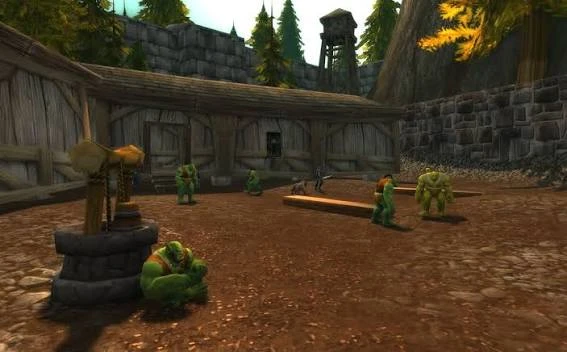
Following the Second War, the Alliance confined many surviving orcs in internment camps rather than destroying them or allowing them to roam freely. The prisoners became increasingly lethargic as the demonic power that had animated much of the Horde ebbed. Their captivity formed the setting in which Thrall would eventually seek to unite and free his people.
Full History
The Alliance of Lordaeron defeated the Horde, but victory left large numbers of orcs in human-controlled territory. The old invading army was broken, and its leaders had been killed, scattered, or captured. The victors did not simply restore the political world that had existed before the Dark Portal. They now had to decide what should happen to the surviving warriors whose campaigns had devastated kingdoms across the Eastern Kingdoms.
Internment camps became the chosen answer. The orcs were confined under guard, and the expense and morality of maintaining the camps became matters of dispute among the Alliance's members. Many prisoners lost the fierce drive that had marked the Horde's period of conquest. The withdrawal of demonic influence left them exhausted and apathetic, a condition that their captors could observe without fully understanding the history of the blood curse.
The camps changed orcish identity in another way. A generation grew up knowing defeat and dependence rather than the old clans' traditions or the confidence of a conquering army. Among the human captors, Aedelas Blackmoore held Thrall, the son of the murdered Frostwolf chieftain Durotan, and sought to use him for his own purposes. The system of imprisonment thus became the environment in which the next major orcish leader learned both the strengths and cruelties of human society.
Thrall eventually escaped and began the liberation of the imprisoned clans. His task was not merely to open gates; he had to restore purpose to people broken by corruption and captivity. The New Horde emerged from this experience with a different conception of leadership, shamanism, and alliances. The internment years are a vital bridge between the conquest of the Old Horde and the movement that brought Thrall's followers to Kalimdor.
The Living Archive · Subject Chronicle
Through History
Explore documented turning points and follow their connections. The complete account remains in Full History above.
Further Reading
A research reference supplied with this article.