
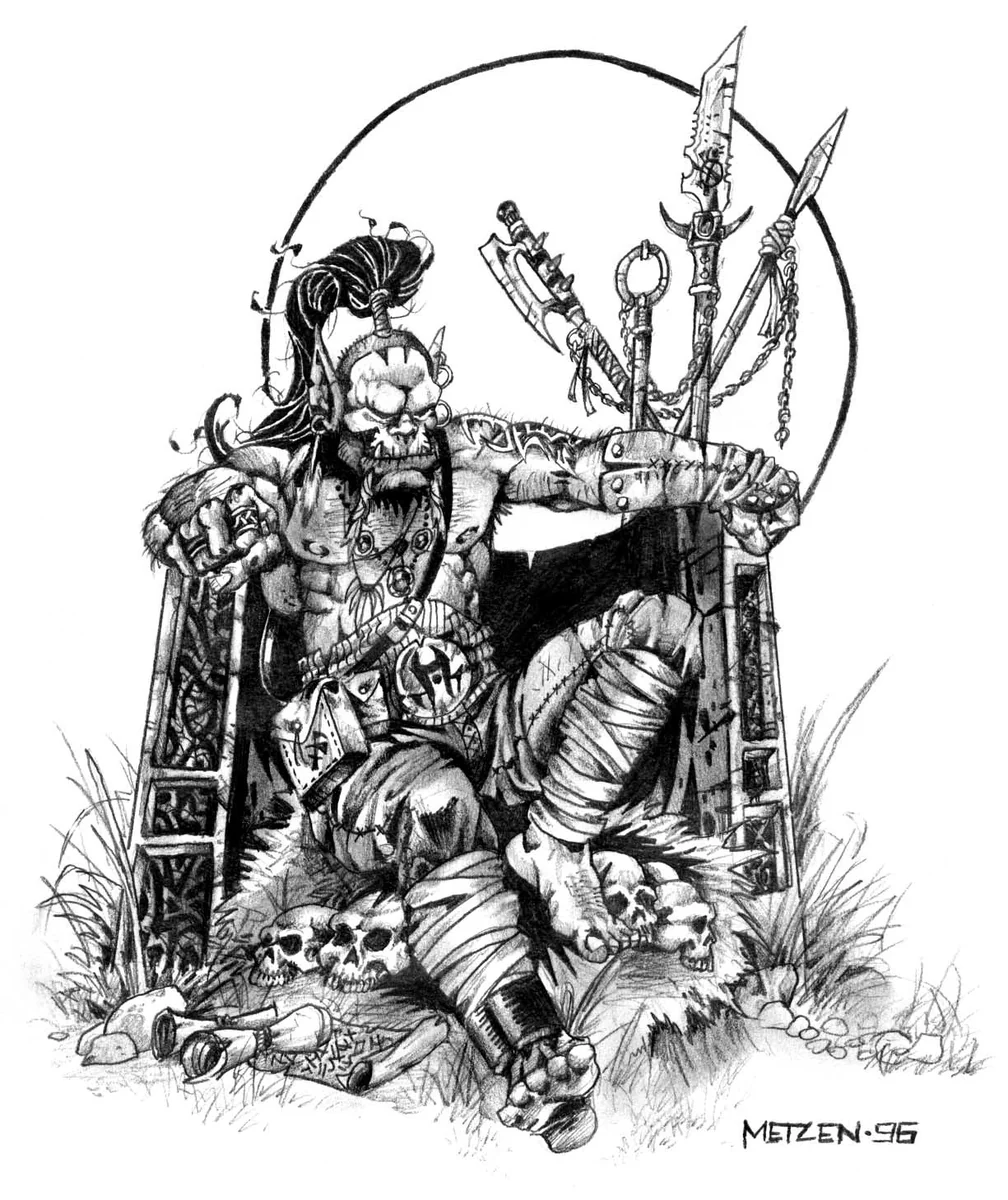
Quick Overview
Ner'zhul, the Shadowmoon shaman drawn into Kil'jaeden's designs, began to recognize that the spiritual guidance given to the orcs was deceptive. His doubts came as Gul'dan embraced the demonic power driving the clans toward war. The break between master and apprentice helped place the future Horde in the hands of warlocks.
Full History
Ner'zhul held authority among the orcs as a shaman, an office whose legitimacy depended on ancestral and elemental traditions. His importance to the Burning Legion's plan came from that standing. Kil'jaeden used deception to push the clans toward conflict under the guise of guidance that many orcs would accept. Ner'zhul initially occupied a central place in the transformation of their society, but the course of events gradually exposed the danger of the path he had helped open.
As the deception became more evident, Ner'zhul's certainty eroded. He began to recognize that the power manipulating the clans did not serve the interests of their people. Doubt did not erase the damage already done or restore the peace of Draenor. The authority of the shamans had been compromised, and other figures were ready to take control of the changes that had begun.
Gul'dan represented that more ruthless alternative. Where Ner'zhul hesitated, Gul'dan pursued the promises of warlock power and influence. His ascent shifted leadership from the older spiritual framework toward the Shadow Council and its hidden manipulation of the Horde. The new political order elevated warriors useful to the warlocks while treating resistance as a threat. The clans became increasingly committed to an aggressive course from which withdrawal was costly.
Ner'zhul's later history took a different but equally devastating path. The orcish wars, the closing of the Dark Portal, and renewed struggles on Draenor preceded his eventual transformation into the Lich King, another instrument in the Legion's struggle for control. His early hesitation is historically important because it demonstrates that the Horde's corruption was not universally embraced without question. It also shows that recognizing a deception did not guarantee the power or courage to stop what it had set in motion.
The Living Archive · Subject Chronicle
Through History
Explore documented turning points and follow their connections. The complete account remains in Full History above.
Further Reading
A research reference supplied with this article.