
Quick Overview
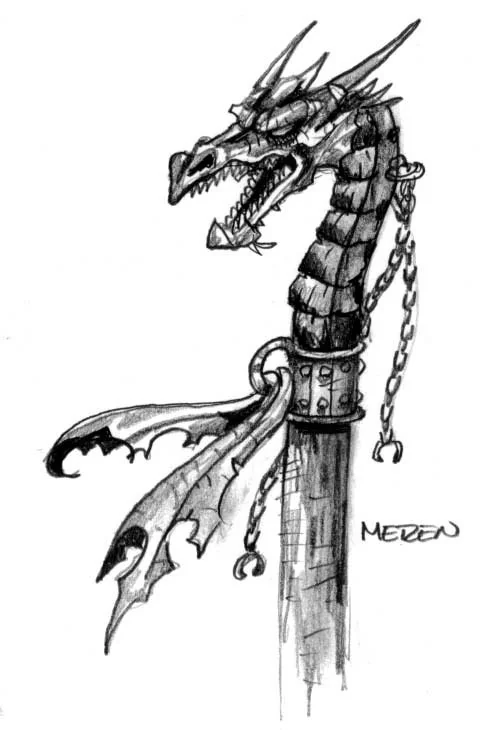
Alexstrasza's imprisonment turned the Dragon Roost into one of the Horde's cruelest engines of war. The Horde's armies needed more than infantry to challenge the Alliance across northern Azeroth. The Dragon Roost's operations drew their authority from magical domination, not a legitimate allegiance of the red flight.
Full History
Alexstrasza's imprisonment turned the Dragon Roost into one of the Horde's cruelest engines of war. The Warcraft II manual describes the Dragonqueen held in chains and weakened by magic while the Dragonmaw clan raised her offspring for battle. Her captivity was not only the confinement of one mighty creature. It forced an ancient guardian's children into service against her will.
The Horde's armies needed more than infantry to challenge the Alliance across northern Azeroth. Dragon riders supplied a terrifying aerial arm, and control of the red brood made that possible. According to the original account, the Dragonmaw watched the Queen as she laid eggs and trained the young creatures to obey. Handlers destroyed dragons once they seemed too powerful to control, a policy that exposed how thoroughly military usefulness had displaced respect for living beings.
The Dragon Roost's operations drew their authority from magical domination, not a legitimate allegiance of the red flight. The episode also connects to the older betrayal of the Aspects, for the Demon Soul gave mortal captors leverage over a being whose charge was life itself. Alexstrasza would eventually be freed in the history told by Day of the Dragon. Until that liberation, the Roost stood as a continuing crime woven into the Second War.
The Living Archive · Subject Chronicle
Through History
Explore documented turning points and follow their connections. The complete account remains in Full History above.
Further Reading
A research reference supplied with this article.