
Quick Overview
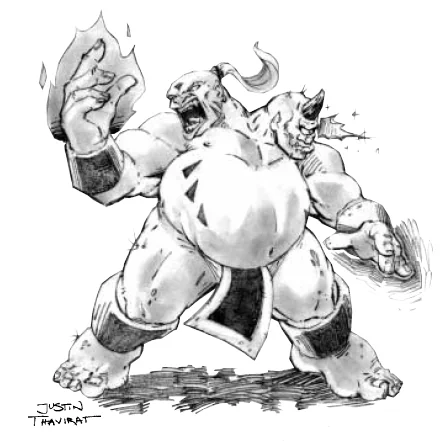
During the Second War, Gul'dan's magic helped turn selected ogre warriors into ogre-magi. Power drawn from an elven runestone was used in the transformation, giving the Horde new spellcasting enforcers. The experiment reflected the warlocks' willingness to reshape allies into weapons of conquest.
Full History
The Old Horde had drawn ogres into its campaigns against the human kingdoms, valuing their physical strength and willingness to fight. Yet Gul'dan's ambitions went beyond adding heavy infantry to the invading armies. The warlock who had helped corrupt the orcish clans sought magical servants capable of carrying extraordinary power into battle. The Second War brought him into lands where ancient elven magic offered new possibilities.
Gul'dan acquired power associated with a stolen elven runestone and used it in rites that transformed loyal ogres into ogre-magi. These beings combined the imposing bodies of their people with talents they had not previously possessed in the same form. Their emergence was part of the Horde's effort to gain new means of defeating the Alliance, alongside death knights and other products of the Shadow Council's sorcery.
The creation of ogre-magi also demonstrated the importance of the warlocks' independent goals. Gul'dan served within the Horde while pursuing his own ambitions, and his eventual desertion of Doomhammer's campaign exposed the fragility of an army dependent upon such figures. Magical innovation could strengthen the Horde in the short term while increasing the influence of leaders whose loyalty was uncertain.
Ogre-magi became part of the legacy of the Second War and its remnant forces. Their origins belong to a historical sequence in which the Horde's rulers exploited stolen magic and transformed allies to pursue victory, regardless of the longer consequences.
The Living Archive · Subject Chronicle
Through History
Explore documented turning points and follow their connections. The complete account remains in Full History above.
Further Reading
A research reference supplied with this article.