
Quick Overview
Ogres entered the wars of Azeroth alongside the orcs, bringing enormous physical strength to the Horde's armies. Gul'dan sought to make these warriors more dangerous still. The Second War ended in defeat for the Old Horde, leaving ogre groups scattered among the broken strongholds and disputed lands of Azeroth.
Full History
Ogres entered the wars of Azeroth alongside the orcs, bringing enormous physical strength to the Horde's armies. During the Second War they served as shock troops, guards and enforcers, useful in assaults where ordinary infantry could not endure the punishment. Their relationship with the orcish clans was one of military alliance and command, not shared ancestry.
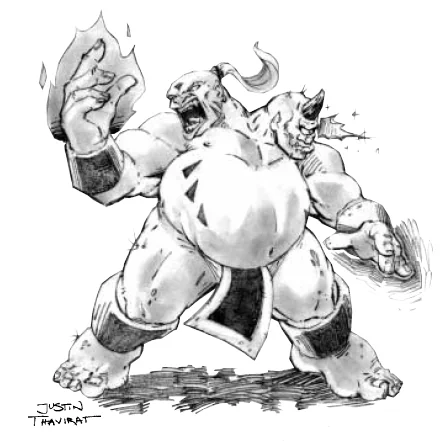
Gul'dan sought to make these warriors more dangerous still. Through magical rites, selected ogres became ogre-magi, able to bring sorcery to a people more commonly feared for brute force. The change gave the Horde a formidable new weapon, but it also depended on the ambitions of the warlock whose schemes eventually helped fracture the war effort. Magical power did not make the ogres a unified kingdom.
The Second War ended in defeat for the Old Horde, leaving ogre groups scattered among the broken strongholds and disputed lands of Azeroth. Some remained dangerous independent powers rather than returning to a single master. Their history illustrates how an invading coalition could survive in fragments long after the army that had brought it together collapsed.
The Living Archive · Subject Chronicle
Through History
Explore documented turning points and follow their connections. The complete account remains in Full History above.
No additional documented milestones are available yet. The Full History above remains the primary account.
Further Reading
Search result, not a direct source citation.