
Quick Overview
Hillsbrad's farms might have seemed too ordinary to matter in an age of undead armies and dragonflight politics. The Forsaken had endured enslavement and death; now some of their own leaders directed terror against the living. Southshore remained aligned with the living human cause, while Syndicate bands and remnants of Alterac troubled the northern approaches. The launch-era story does not have a neat peace settlement.
Full History
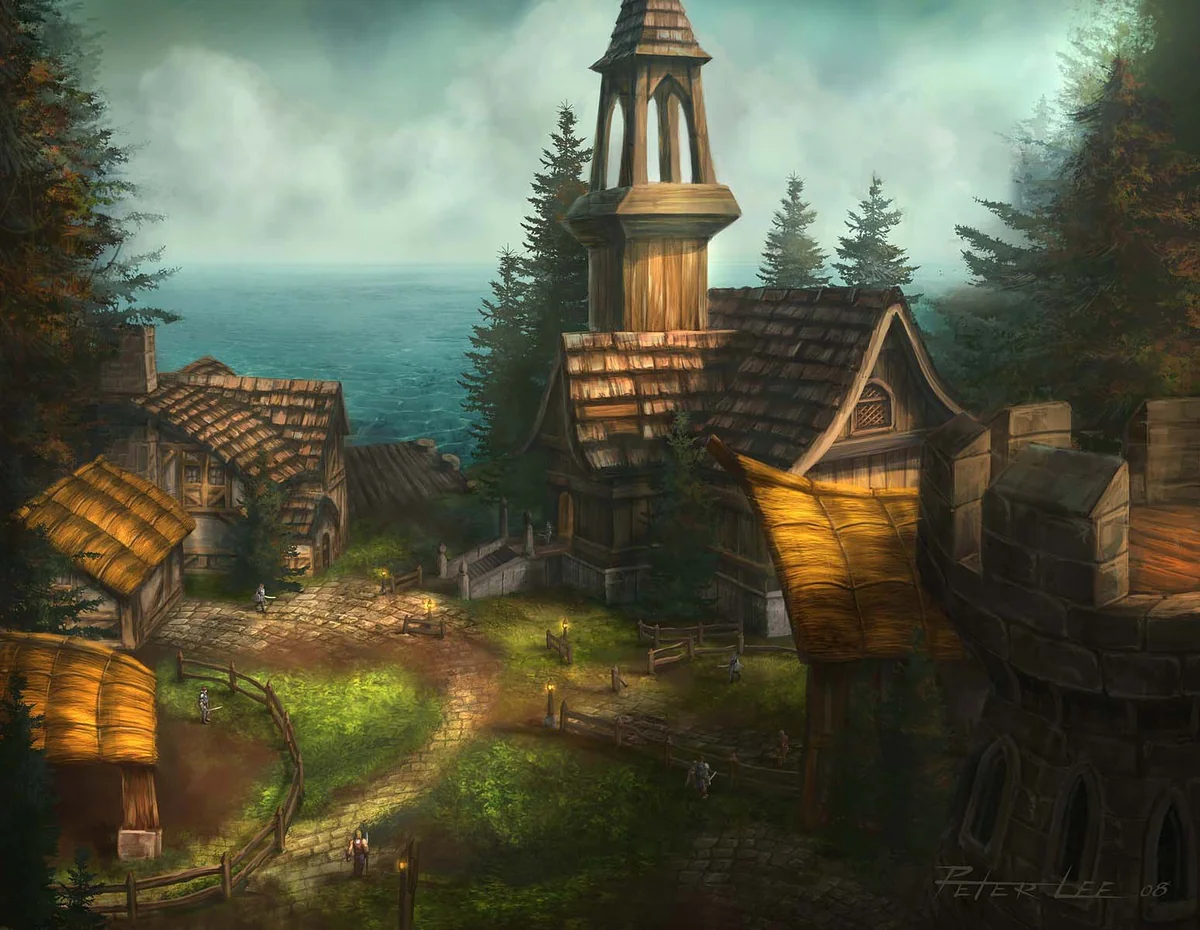
Hillsbrad's farms might have seemed too ordinary to matter in an age of undead armies and dragonflight politics. The countryside still grew food. Families lived on the land. Southshore offered a harbor to human travelers, while Tarren Mill, farther inland, had passed under Forsaken control. The two towns stood close enough that their inhabitants could see the practical dangers of a border neither side believed would remain quiet. The conflict did not begin with a vast siege engine or a royal proclamation. It began with the assertion that the neighboring people did not deserve to remain where they lived.
For the Forsaken, the Hillsbrad countryside was both a strategic prize and a bitter reminder of the lives they had lost. Sylvanas's followers had broken free of the Lich King's domination, yet they remained surrounded by people who feared or despised the undead. In Tarren Mill, High Executor Darthalia took orders from Varimathras. The original *Battle of Hillsbrad* operation instructed agents to destroy human farms, execute named farmers, and attack the village's means of survival. Darthalia openly explained that the violence would help the Forsaken hold the region while their apothecaries prepared a new plague.
The human side was not an abstract enemy army. The targets included farmhands, landowners, and workers who fed a settlement. That detail matters because the violence strips away the comforting notion that every attack in the Plaguelands and Hillsbrad is simply a righteous campaign against monsters. The Forsaken had endured enslavement and death; now some of their own leaders directed terror against the living. The alliance of convenience between Sylvanas and Varimathras carried an especially troubling tension: a dreadlord once tied to the Legion held authority inside a state that defined itself by escape from another master's control.
Other tensions surrounded the same hills. Southshore remained aligned with the living human cause, while Syndicate bands and remnants of Alterac troubled the northern approaches. The region's military geography connected Lordaeron's collapse with the political divisions of the Second War. A farmer could suffer from conflicts far older than his own lifetime: the Horde's invasion, the alliance's fracture, the plague, and the rise of the Forsaken all reached the same fertile fields. The lands were not empty ground waiting to be claimed, but homes already claimed by somebody else.
The launch-era story does not have a neat peace settlement. It ends with two neighboring societies treating each other as threats, their grievances backed by soldiers, spies, and increasingly ruthless orders. On this frontier the central question is not which ancient artifact controls the fate of the world; it is how far a frightened people will go to prevent others from living beside them.
The Living Archive · Subject Chronicle
Through History
Explore documented turning points and follow their connections. The complete account remains in Full History above.
Further Reading
A research reference supplied with this article.