
Quick Overview
Ysera intervened when Atal'ai and Hakkari priests tried to restore Hakkar to Azeroth. The green dragon Aspect sank their temple into the Swamp of Sorrows and left guardians to watch the buried site. Her action prevented an ancient religious catastrophe from becoming a renewed threat to the world.
Full History
The temple had been built by exiled Atal'ai worshippers after the struggle in Zul'Gurub. Hakkar the Soulflayer had once gained followers among the Gurubashi by offering blood magic in exchange for living sacrifices. Efforts to summon him physically divided the trolls, and the ensuing revolt defeated his avatar while devastating the ancient city. Yet the Atal'ai escaped and refused to abandon their purpose.
Within the Swamp of Sorrows, the exiles continued preparing for the blood god's return. Their following increased when Hakkari priests driven out after the rebellion sought refuge with their former rivals. These cultists possessed a hidden center far from their old homeland. The threat was no longer confined to the internal affairs of one troll empire, for Hakkar's arrival could endanger lands and peoples far beyond the swamp.
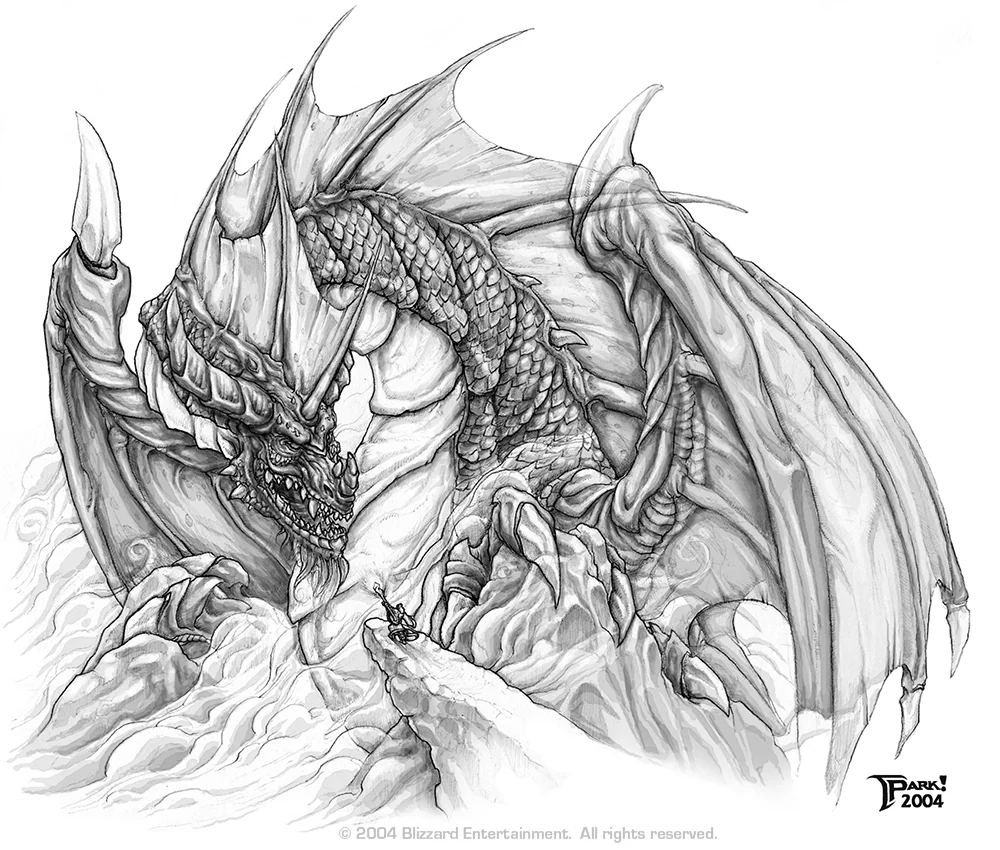
Ysera the Dreamer discovered the danger and acted against it. As one of the five dragon Aspects empowered in the ancient ordering of Azeroth, her responsibility concerned nature and the Emerald Dream. She brought down the temple into the marshes, obstructing the summoning and leaving green dragons to guard the site against renewed attempts. The intervention was one of the instances in which an ancient guardian acted within the history of mortal peoples.
The ruined temple remained as a place of danger in the first World of Warcraft world. Its submerged position was not simply a natural feature: it resulted from the confrontation between Hakkar's surviving worshippers and Ysera's effort to prevent their goal. The place embodied a warning about the survival of destructive cults after apparent defeat.
The Living Archive · Subject Chronicle
Through History
Explore documented turning points and follow their connections. The complete account remains in Full History above.
Further Reading
A research reference supplied with this article.