
Quick Overview
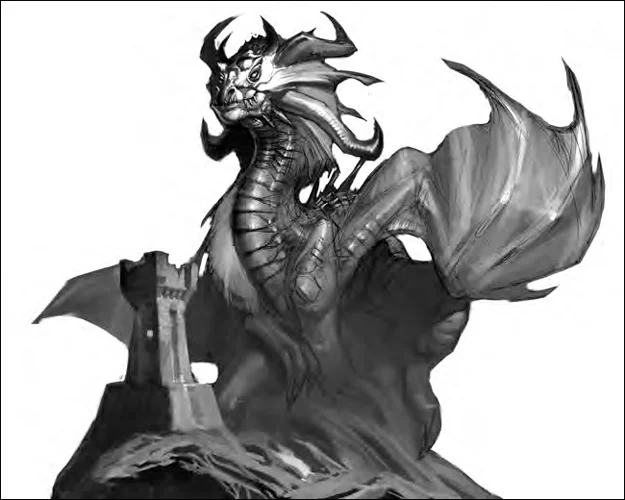
The Horde's dragon handlers faced a contradiction at the Dragon Roost: the stronger Alexstrasza's offspring grew, the more dangerous they became to their captors. The Dragonmaw clan exploited her eggs and trained the young for combat, creating the dragon-rider force feared by the Alliance. No invented slaughter scene is needed to convey the significance of the Dragonmaw's treatment of the red flight.
Full History
The Horde's dragon handlers faced a contradiction at the Dragon Roost: the stronger Alexstrasza's offspring grew, the more dangerous they became to their captors. The Warcraft II manual describes a brutal answer. Dragons considered too powerful to control were killed, while others were raised to fight for the Horde. The system depended on keeping a majestic people weak enough to serve as weapons.
Alexstrasza herself was held in chains and subjected to magical coercion. The Dragonmaw clan exploited her eggs and trained the young for combat, creating the dragon-rider force feared by the Alliance. Yet captivity did not make the creatures naturally loyal to the orcs, and maturity increased the risk that a dragon might resist its masters. Killing the strongest young preserved control at the cost of the very power the Horde sought.
This policy reveals the cruelty behind a battlefield unit that might otherwise be described only in military terms. It also clarifies why the Dragonqueen's enslavement remained an ongoing atrocity rather than a one-time capture. The manual establishes the practice; it does not name each victim or give a count. No invented slaughter scene is needed to convey the significance of the Dragonmaw's treatment of the red flight.
The Living Archive · Subject Chronicle
Through History
Explore documented turning points and follow their connections. The complete account remains in Full History above.
Further Reading
A research reference supplied with this article.