
Quick Overview
The fall of Stormwind convinced the northern human kingdoms that the Horde threatened far more than one southern realm. King Terenas of Lordaeron joined with other rulers and allied peoples to form a coalition against the orcs. Under Anduin Lothar, the Alliance of Lordaeron became the principal defender of the Eastern Kingdoms during the Second War.
Full History
When the Horde destroyed Stormwind, survivors fled north with Anduin Lothar and the young heir to the kingdom. Their arrival in Lordaeron placed the invasion before rulers who had not yet suffered its full force. King Terenas Menethil II recognized that the fall of one human kingdom could be the beginning of a threat to the others. The refugees brought both a warning and experienced soldiers who knew the enemy advancing from the south.
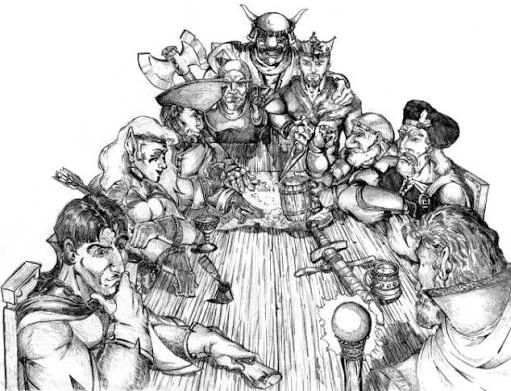
The kingdoms of the north had grown apart after the decline of Arathor. Each had its own interests, armed forces, and rulers, and the old imperial unity could not simply be restored by proclamation. Terenas and his allies nevertheless forged a new military alliance. Human states joined with high elves, dwarves, and other defenders whose homes were now endangered by the Horde's expansion. Lothar was chosen to command the coalition's armies, turning the veteran of Stormwind's defeat into the leader of a larger resistance.
The Alliance fought across Khaz Modan and Lordaeron, defending vulnerable settlements while resisting the orcs' attempt to seize the continent. Its members brought different strengths, from human armies and elven expertise to dwarven fortifications. They also brought conflicting ambitions. Alterac's leaders eventually betrayed the coalition, demonstrating that common danger did not abolish distrust among sovereign kingdoms.
The Alliance survived those divisions long enough to defeat the Horde. Lothar died during the final campaigns, but Turalyon and the other leaders continued the struggle until Orgrim Doomhammer was captured. After the war, the coalition faced the problem of orc prisoners and the cost of maintaining unity in peacetime. Its formation was a decisive answer to the First War's catastrophe, while its later weakening foreshadowed the vulnerability of the human north before the Scourge.
The Living Archive · Subject Chronicle
Through History
Explore documented turning points and follow their connections. The complete account remains in Full History above.
Further Reading
A research reference supplied with this article.