Quick Overview
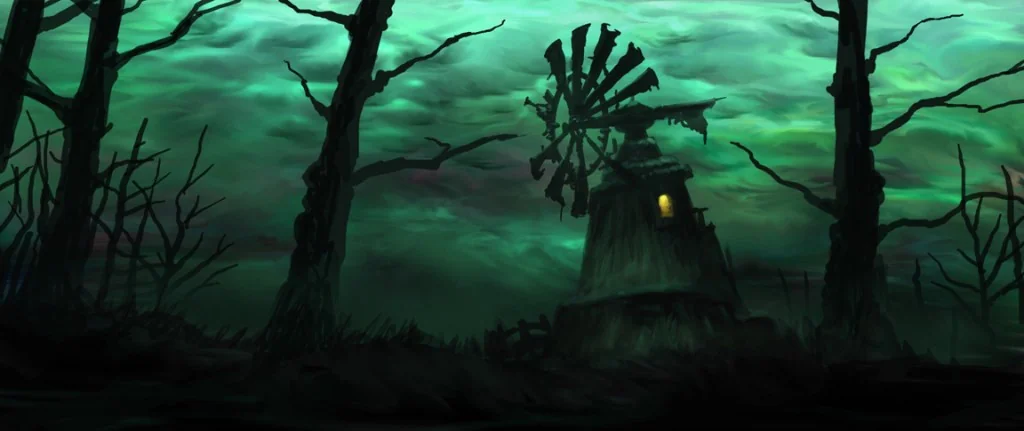
Tirisfal Glades were part of Lordaeron's ancient and royal heartland, and the magical Council of Tirisfal drew its name from the region. The Scourge destroyed its farms and capital, after which Sylvanas led free-willed undead to establish the Forsaken beneath the ruins. Scarlet zealots, lingering Scourge, and Forsaken settlers still contest the countryside.
Full History
Tirisfal Glades carries the memory of Lordaeron before the Scourge turned its farms and roads into graveyards. Long before the Third War, the land had already acquired a place in the magical history of humans and high elves: the secret Council of Tirisfal was established to protect Azeroth from demonic influence through the succession of Guardians. The glades' long association with human and elven magic outlasted generations of change, even as the oldest explanation of their name was lost to uncertainty.
During the Second War, Orgrim Doomhammer brought the Old Horde north and threatened Lordaeron's capital before the Alliance drove the attackers back. The kingdom survived that campaign, but war had reached the roads and fields outside its gates.
The human Kingdom of Lordaeron made the area around its capital a center of agriculture, faith, and royal government. Villages such as Brill and the northern farmsteads depended on roads leading toward the royal city. When Kel'Thuzad's Cult of the Damned spread the plague of undeath, the ordinary rhythms of those settlements were shattered. Arthas's fall and the Scourge's campaigns ruined the capital, and the dead overran the countryside. Agamand Mills, abandoned farms, and the empty approaches to the former seat of King Terenas now record the destruction of an entire way of life. The Scarlet Monastery, a former religious institution, became an armed center for survivors whose fear of the undead hardened into an often ruthless crusade.
The Forsaken transformed that landscape again. Sylvanas Windrunner, once a ranger-general of Quel'Thalas, broke free of the Lich King's control and helped organize undead who would no longer serve the Scourge. With the dreadlord Varimathras under her power, she established authority beneath the ruined capital in the Undercity. Deathknell and Brill became places where newly awakened Forsaken learned to survive and identify with this new people. Their existence gave Tirisfal a second political meaning: it was both the grave of the old Lordaeron and the founding homeland of a people who rejected the master responsible for its ruin.
That new identity did not bring peace. Scarlet forces held the monastery and smaller outposts; remaining Scourge and mindless undead prowled farms and crypts; and the Forsaken struggled to defend the paths between settlements. The Bulwark marks a dangerous approach toward the Plaguelands. The years after the Third War left Tirisfal at precisely this unsettled moment. Its history is not merely the spread of a plague, but the collapse of a kingdom, the moral fragmentation of its survivors, and the attempt of the Forsaken to claim a future among the places where their human lives ended.
The Living Archive · Subject Chronicle
Through History
Explore documented turning points and follow their connections. The complete account remains in Full History above.
No additional documented milestones are available yet. The Full History above remains the primary account.
Further Reading
A research reference supplied with this article.