
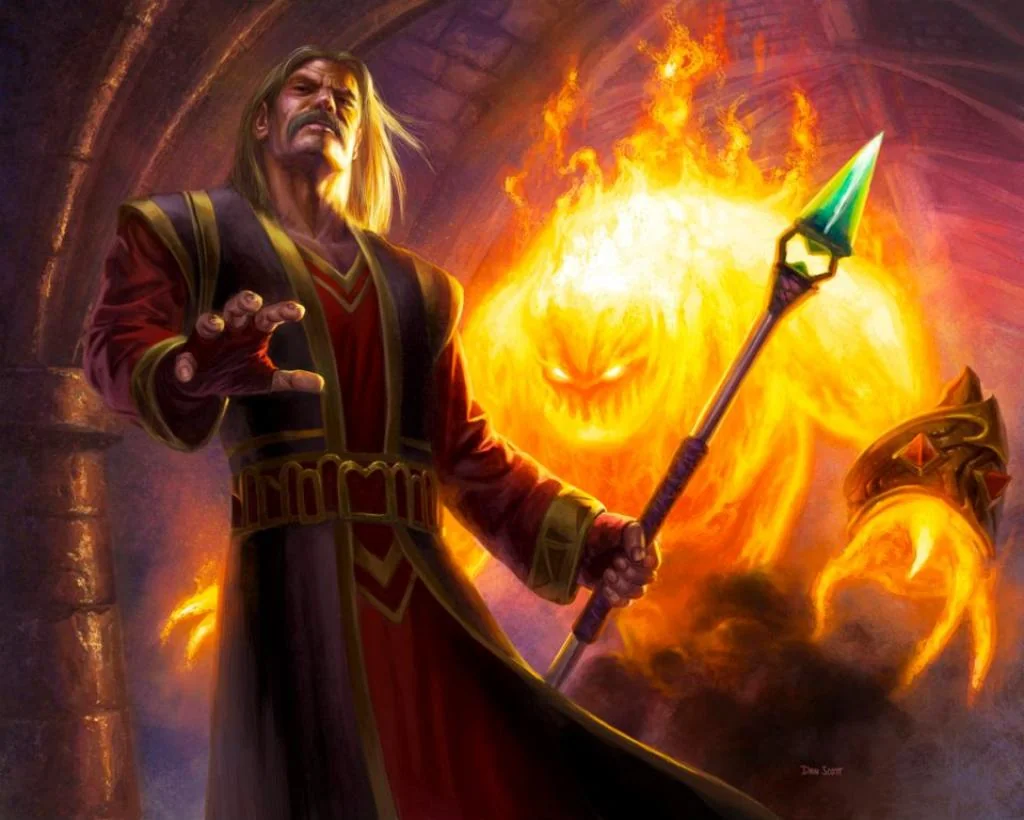
Quick Overview
The Scarlet Crusade rose from Lordaeron’s collapse with a vow to purge the undead from the land. Its founders inherited the language of holy war and the example of the Silver Hand, but fear hardened their mission into persecution and fanaticism. Under its crimson banners, the Crusade treats suspicion as proof of corruption and wages war against enemies both living and dead. The Scarlet Monastery and its other strongholds preserve a terrible distortion of the kingdom it claims to defend.
Full History
When the plague swept through Lordaeron, the kingdom’s defenders faced horrors for which ordinary military training had offered little preparation. Friends and relatives rose as undead, villages ceased to exist as communities, and the Silver Hand’s old ideals were battered by the fall of Arthas. Among the survivors were men and women determined never again to be helpless before the Scourge. Their resolve became the Scarlet Crusade.
The new order spoke in the language of purity and the Holy Light. Its soldiers wore crimson, prayed for the cleansing of their homeland and marched against undead armies with fierce courage. Yet the catastrophe had taught them a lesson their leaders could not control. If the undead could wear the faces of loved ones, and if corruption could lurk unseen among the living, then any outsider might be an enemy. The Crusade’s discipline made such fear more dangerous. A suspicion uttered by a commander could become imprisonment, torture or execution.
The Scarlet Monastery in Tirisfal Glades became a fortress of this ideology. Its halls housed soldiers, clerics and inquisitors convinced of their righteousness. Herod embodied the order’s martial severity; High Inquisitor Sally Whitemane its uncompromising spiritual authority. Grand Crusader Saidan Dathrohan’s name carried the prestige of a veteran defender, although the crusade’s high leadership concealed deeper corruption. The dreadlord Balnazzar worked through a stolen identity to direct hatred toward purposes far removed from any honest restoration of Lordaeron.
The Crusade’s hostility to the Forsaken was particularly fierce. Sylvanas Windrunner’s people were free-willed undead, not simply soldiers compelled by the Lich King, but the distinction offered them little protection. In Scarlet eyes, the fact of undeath was enough to condemn them. Many living travelers suffered under the same logic, facing a force that no longer required evidence of wrongdoing to justify violence.
The tragedy of the Scarlet Crusade is not that it hated the Scourge. The Scourge had earned the hatred of all who remembered its victims. The tragedy is that the order let grief become a doctrine in which mercy was weakness and fear was certainty. It preserved the appearance of the Light while abandoning its capacity to distinguish those who deserved defense from those it wished to destroy. The Scarlet banners still fly over ruined Lordaeron, but the kingdom they claim to save grows no safer beneath them.
The Living Archive · Subject Chronicle
Through History
Explore documented turning points and follow their connections. The complete account remains in Full History above.
No additional documented milestones are available yet. The Full History above remains the primary account.
Further Reading
Search result, not a direct source citation.