
Quick Overview
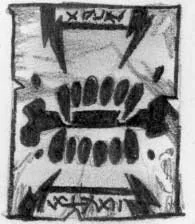
The Bonechewer clan was feared across Draenor for cannibalism and the trophies its warriors displayed from defeated enemies. Tagar Spinebreaker held the chieftainship as Ner'zhul sought to unite the surviving Horde. Its ferocious independence made it both a military resource and a source of conflict.
Full History
The Bonechewers stood apart from the politics of the defeated Horde through a reputation for deliberate terror. Their warriors adorned themselves with the bones and remains of slain foes, displaying violence as both intimidation and prestige. Their cannibalism inspired fear even among peoples accustomed to war. Under Tagar Spinebreaker, the clan showed how far the orcs’ military culture had diverged from the older shamanic lives remembered by some of their elders.
After the Second War, power on Draenor was fragmented. Ner’zhul’s Shadowmoon clan attempted to gather the remaining houses for a new campaign, but the Bonechewers were not simply obedient troops awaiting instructions. Competition around dangerous artifacts and rival strongholds intensified the distrust between clans as Draenor descended toward ruin. Some clans prized independence and trophies more than loyalty to any new warchief, and the Bonechewers were notorious for that fierce autonomy.
The Bonechewers belong alongside the Thunderlords and Shattered Hand in an account of the post-Second War Horde. They also demonstrate that the corruption and brutality of the old wars were not erased when the invasion of Azeroth failed. Their gruesome practices became one more sign of the old Horde’s descent into terror even after its first great invasion had failed.
The Living Archive · Subject Chronicle
Through History
Explore documented turning points and follow their connections. The complete account remains in Full History above.
No additional documented milestones are available yet. The Full History above remains the primary account.
Further Reading
A research reference supplied with this article.