
Quick Overview
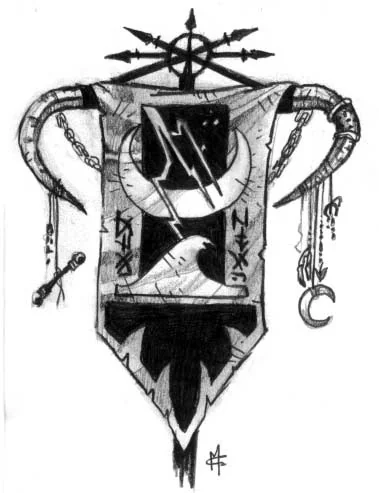
Gul'dan formed the Stormreaver clan to protect his own power after Orgrim Doomhammer destroyed the Shadow Council. During the Second War, its warlocks served the Horde while preparing to pursue the Tomb of Sargeras. When Gul'dan abandoned the campaign, his followers sailed with him across the sea. Their betrayal forced Doomhammer to divert warriors from his invasion of Lordaeron.
Full History
The Stormreavers were never simply another orc clan seeking land or victory. Gul'dan created them after Orgrim Doomhammer took command of the Horde and eliminated the Shadow Council that had once made the warlock so powerful. A following of his own gave Gul'dan protection, influence, and warriors answerable to his ambitions. Doomhammer tolerated the arrangement because the Horde needed Gul'dan's sorcery, but neither chieftain mistook the other's cooperation for trust.
While Horde armies drove north through the human kingdoms, Gul'dan sought a prize beyond the war: the legendary Tomb of Sargeras. The Stormreavers became the force through which he could act openly when the opportunity arose. He also drew upon Cho'gall and the Twilight's Hammer, binding together followers more loyal to promised power than to Doomhammer's strategy. The distinction mattered when the Horde approached its decisive struggle for Lordaeron.
Gul'dan deserted the campaign and took his followers to sea, leaving the Horde suddenly weakened. Doomhammer turned forces away from the Alliance to hunt the renegades. At the raised tomb, Gul'dan's expectation of mastery ended in disaster amid the demons within; many Stormreavers were slain, while Doomhammer's pursuing troops attacked those who remained. The clan's history is inseparable from the moment personal ambition fractured a conquest that had seemed close to success.
The Living Archive · Subject Chronicle
Through History
Explore documented turning points and follow their connections. The complete account remains in Full History above.
No additional documented milestones are available yet. The Full History above remains the primary account.
Further Reading
Search result, not a direct source citation.