
Quick Overview
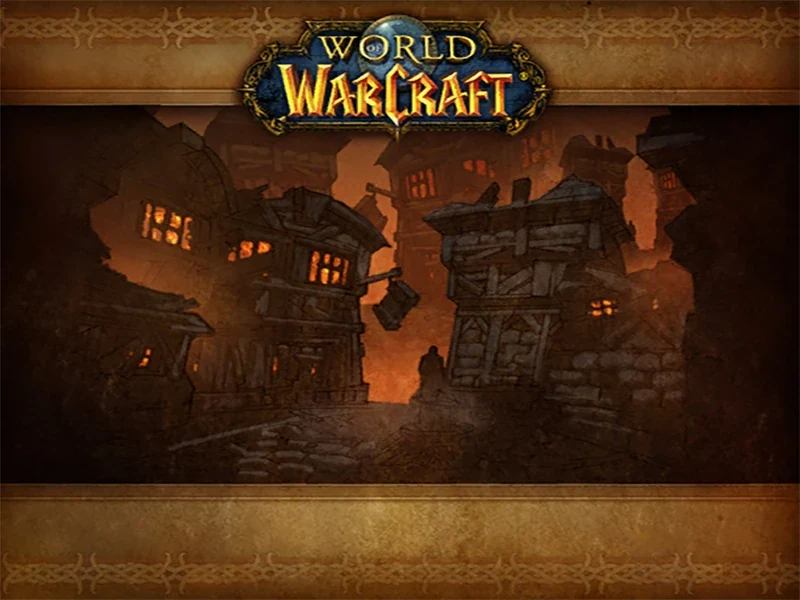
Stratholme's Scarlet leadership concealed an enemy at the heart of a movement sworn to destroy unholy creatures. Stratholme had been condemned during the plague crisis when Arthas ordered its culling, and its surviving quarters became contested by the Scourge and Scarlet Crusade. The revelation need not be expanded with later comics that explain a precise sequence of substitution or possession.
Full History
Stratholme's Scarlet leadership concealed an enemy at the heart of a movement sworn to destroy unholy creatures. Original World of Warcraft quest material reveals the apparent Grand Crusader to be Balnazzar, a dreadlord. The revelation deepened the city's already tangled history of undead occupation and fanatic resistance. A supposed champion against darkness was itself part of that darkness.
Stratholme had been condemned during the plague crisis when Arthas ordered its culling, and its surviving quarters became contested by the Scourge and Scarlet Crusade. The city's division reflected the inability of either order to restore ordinary life. Balnazzar's concealed position made the Scarlet campaign especially bitter: an institution ready to condemn others for corruption had failed to recognize it within its own leadership. The original quests establish the deception's existence, not every detail of how it began.
The revelation need not be expanded with later comics that explain a precise sequence of substitution or possession. Those accounts fall outside this chapter's eligible sources. The historical point stands without them. Stratholme was a place where the war against the Scourge was compromised from within, leaving even the enemy's supposed opponents suspect and the city itself unrecovered.
The Living Archive · Subject Chronicle
Through History
Explore documented turning points and follow their connections. The complete account remains in Full History above.
No additional documented milestones are available yet. The Full History above remains the primary account.
Further Reading
Search result, not a direct source citation.